Crate Diggers: 1962
Showing posts with label 1962. Show all posts

Wednesday, July 5, 2017

Happy Independence Day Algeria

“A friend is someone who shares your happiness and your pains” - Algerian Proverb
(Algeria flag (1962-Present))
Algeria is located in northern Africa.
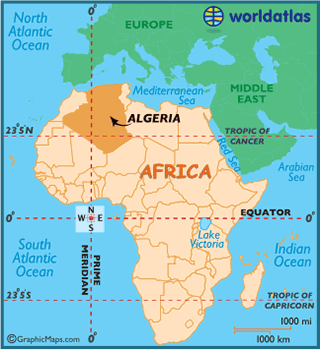
(Map of where Algeria is located)
Its capital is Algiers. Algiers is also its largest city. The official languages are Arabic and Berber. The country is 919,595 square miles. Algeria is 99% Asian and 1% European. 99% of Algeria practice Islam and 1% practice Christianity. The total population is 40,400,000. The climate is hot and dry. Algeria is a unitary semi presidential people’s republic.
(Algiers, capital of Algeria)
Algerian cuisine consists of couscous, chorba, Rechta, Chakhchoukha, Berkoukes, Shakshouka, Mthewem, Chtitha, Mderbel, and Dolma.
(Algerian cuisine)
The major style of music is Chaâbi.
(Algerians performing Chaâbi music)
Algeria’s most popular sport is soccer.
(Algeria's soccer team)
Algeria was 1st inhabited in 200,000 BC. The Berbers were the 1st inhabitants of Algeria.
(Ancient Algerian ruins)
The industry of metal tool making started in 30,000 BC. In 11,000 BC animals were starting to be domesticated in the region. In 600 BC Phoenicians came to the area.
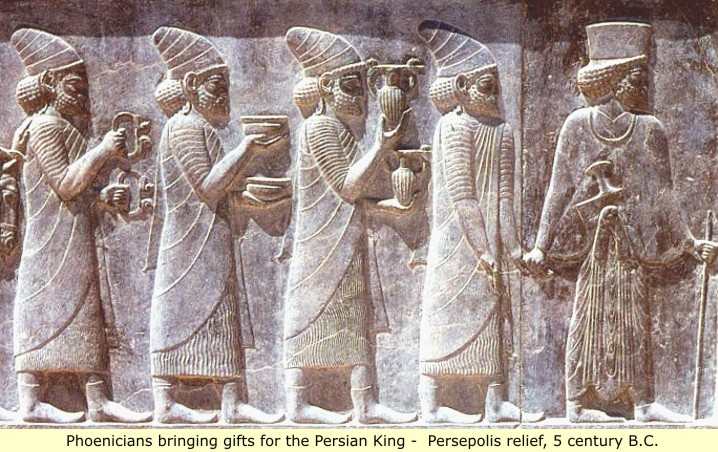
(Phoenician men)
In the 4th century BC Berbers formed the single largest element of the Carthaginian army. In 241 BC Berber soldiers rebelled after being unpaid following the defeat of Carthage in the First Punic War. They succeeded in obtaining control of much of Carthage's North African territory. In 146 BC the city of Carthage was destroyed.
(A drawing of the destruction of Carthage)
In the 2nd century BC several large but loosely administered Berber kingdoms had emerged. Massinissa took control of the Berber kingdoms in the 2nd century BC. After Masinissa's death in 148 BC the Berber kingdoms were divided and reunited several times.
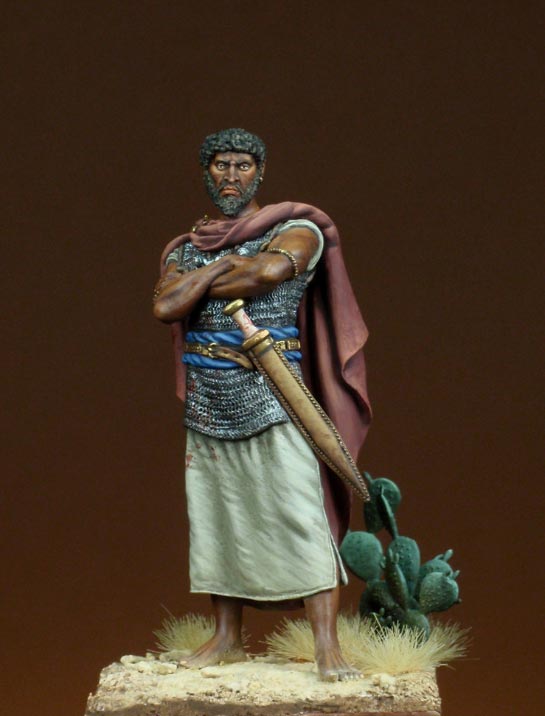
(A statue of Masinissa)
In 24 AD the Roman empire took control of the area. The Germanic Vandals of Geiseric moved into North Africa in 429. The Arabs conquered Algeria in the mid 7th century. Several Amazigh dynasties emerged during the Middle Ages. In the 16th century Spain constructed fortified outposts on the Algerian coast. In 1505 Spain took control of few coastal towns. In 1516 the region was partially ruled by Ottomans. In 1587 the area was governed by officers who served terms with no fixed limits. In 1659 the Agha seized power. In 1740 a locust plague struck the region.
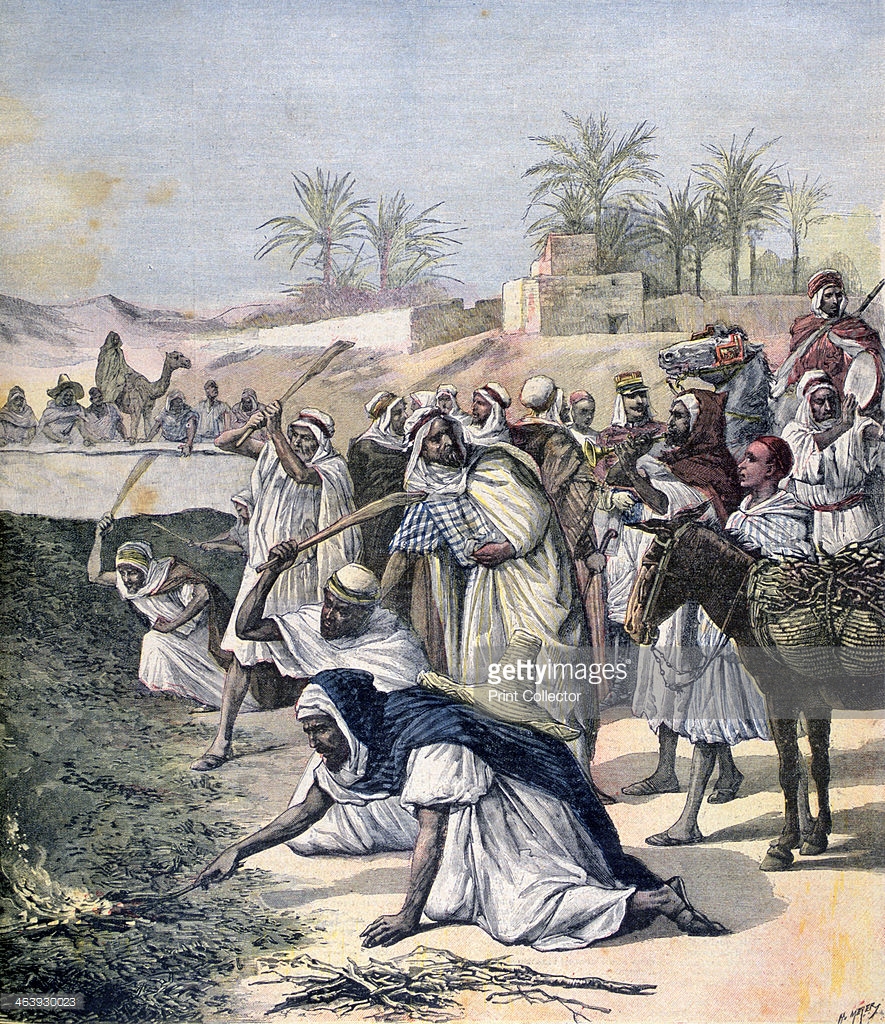
(A drawing of the locust plague)
Slavery started in the region in 1785. In 1801 Piracy on American vessels in the Mediterranean resulted in the United States initiating the First Barbary War.
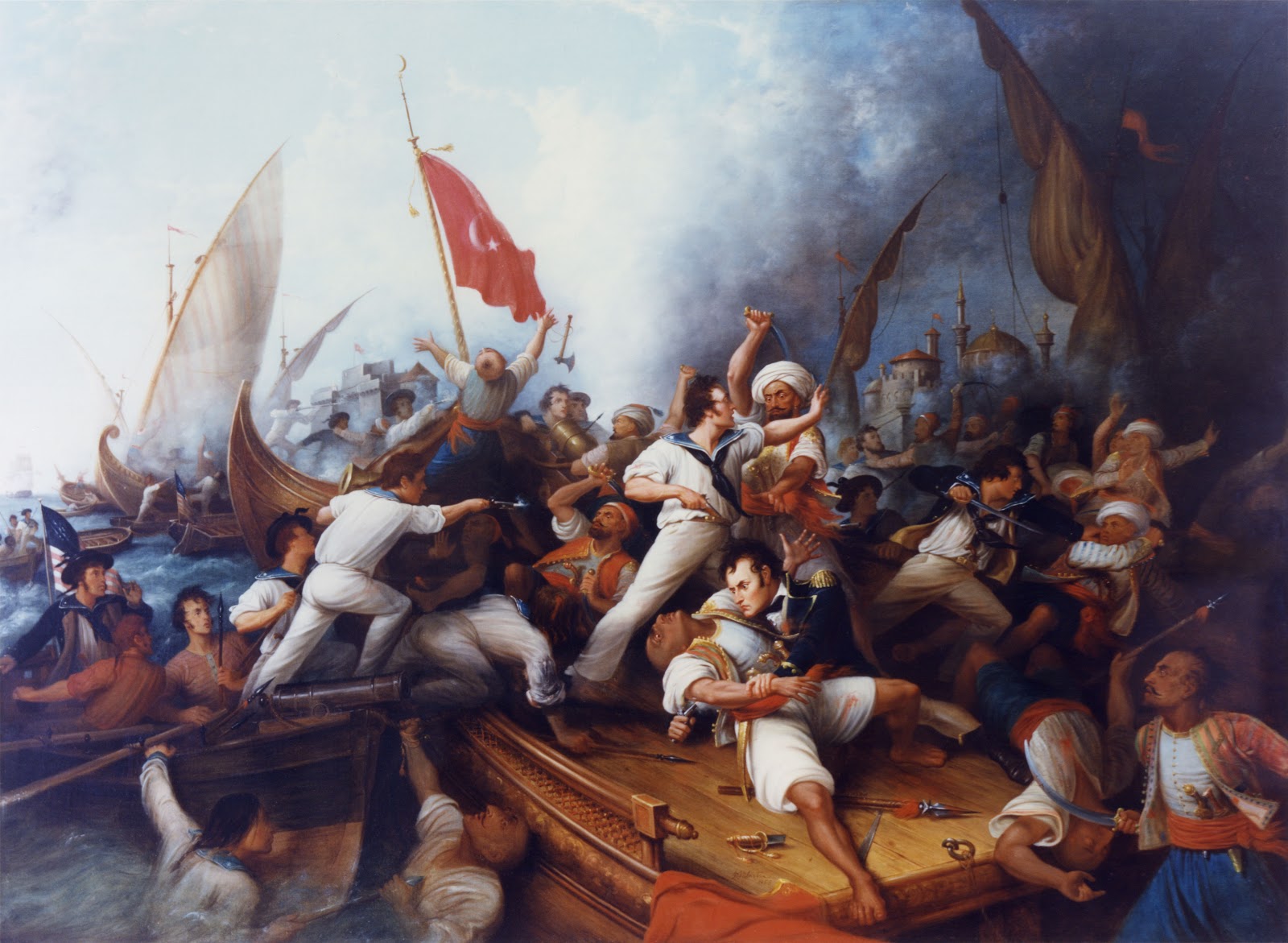
(A painting of the 1st Barbary War)
In 1815 the Second Barbary War started. In 1830 the French took control of Algeria.
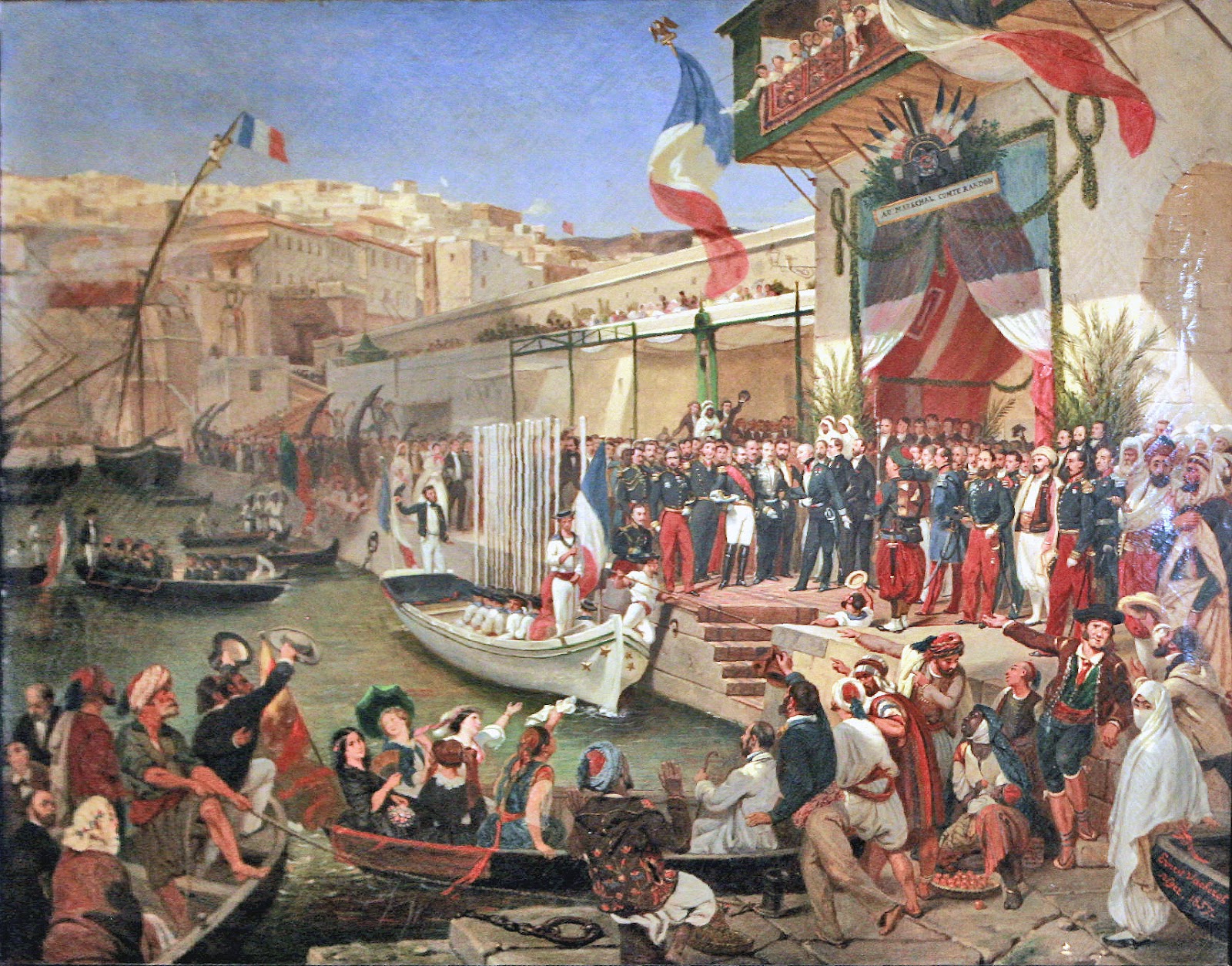
(A painting of the French colonizing Algeria)
In 1848 France administered the whole Mediterranean region of Algeria. In 1954 the Algerian war began. The Front de Libération Nationale used hit and run attacks in Algeria and France as part of its war. The war led to the death of hundreds of thousands of Algerians.
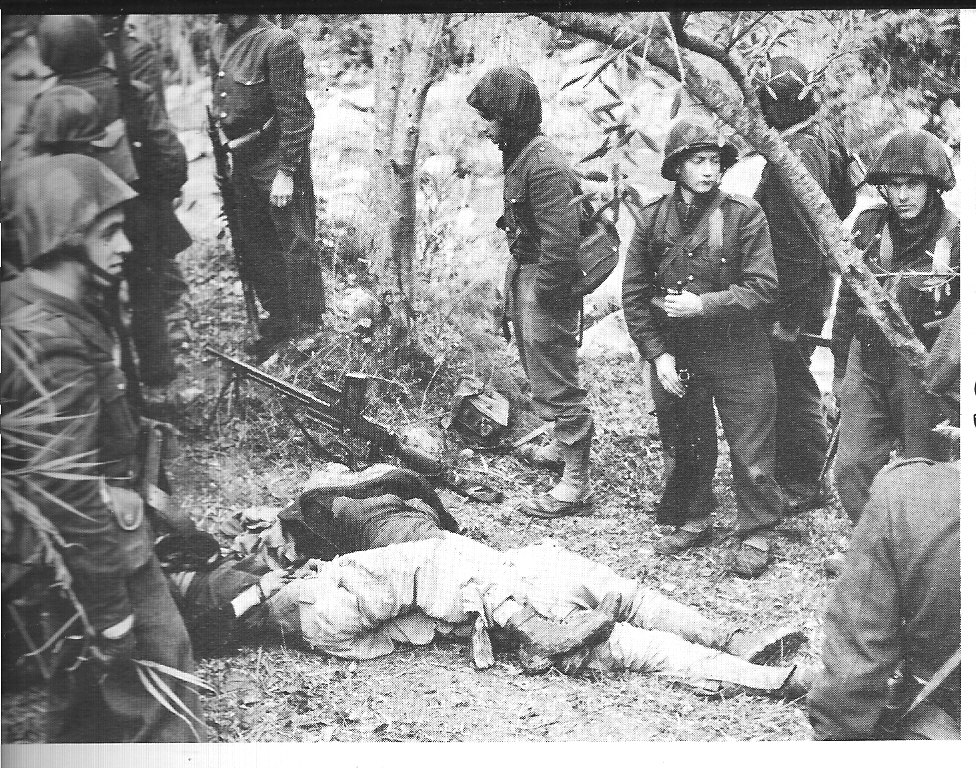
(French soldiers standing over dead Algerian troops)
In 1962 the war ended. On July 3rd, 1962 Algeria gained its independence.
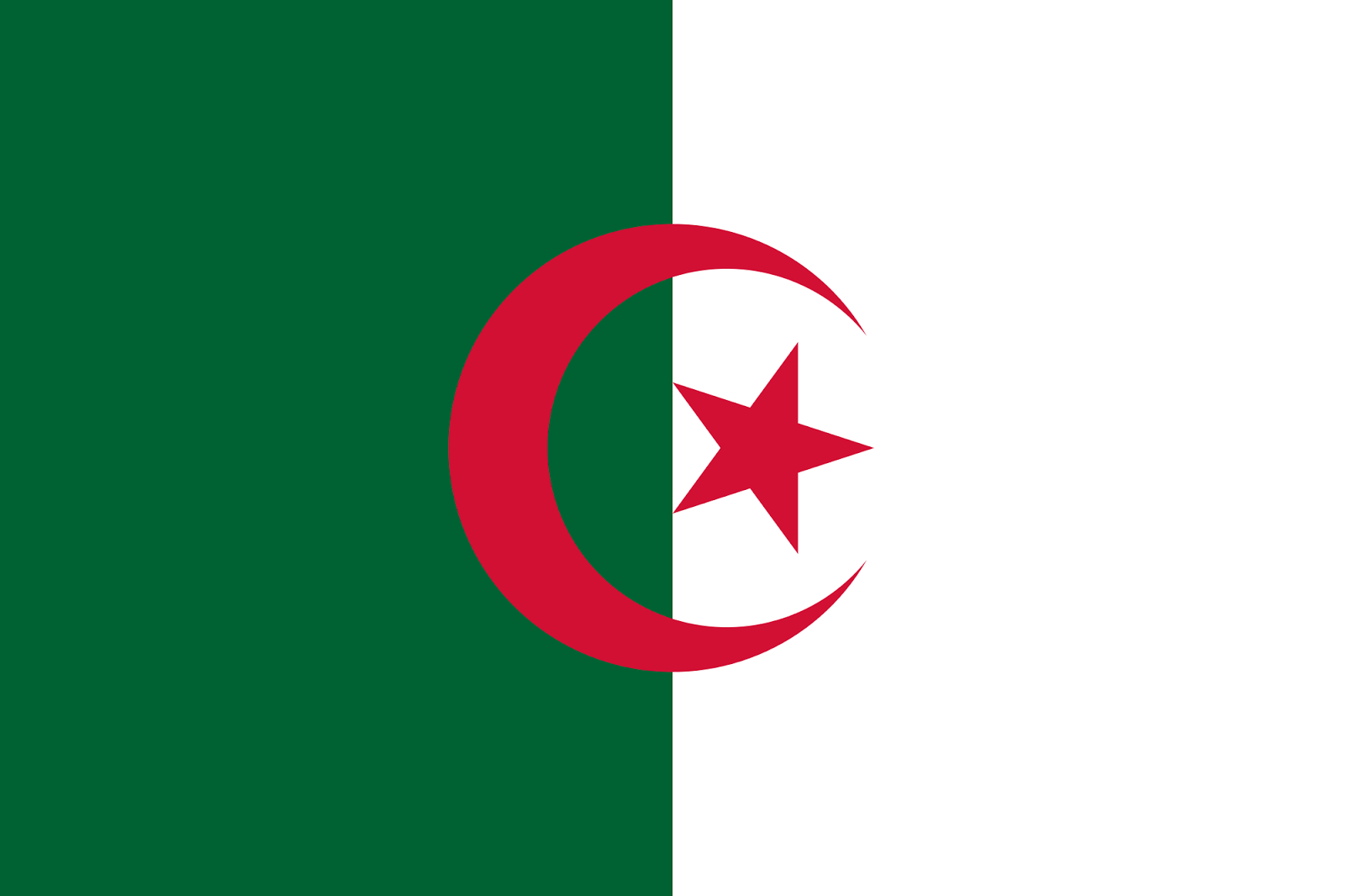
(Algerian flag (1962-Present))
A massacre of the French within the country began the same year. Ahmed Ben Bella became president of Algeria.
(Ahmed Ben Bella)
In 1963 the Sand War began. In 1965 Bella was overthrown by Houari Boumediene.
(Houari Boumediene)
Algeria pursued a programme of industrialisation within a state controlled socialist economy. Boumediene's successor, Chadli Bendjedid promoted a policy of Arabisation in Algerian society and public life. The Algerian economy became increasingly dependent on oil, leading to hardship when the price collapsed during the 1980s oil glut. In 1992 a civil insurgency between the Armed Islamic Group, and the national armed forces began. At several points in the conflict, the situation in Algeria became a point of international concern, most notably during the crisis surrounding Air France Flight 8969, a hijacking perpetrated by the Armed Islamic Group.
(Air France Flight 8969 hijacking)
In 1999 Abdelaziz Bouteflika became president. He worked to restore political stability to the country and announced a “Civil Concord” initiative. In 2008 the Algerian Constitution was amended following a vote in Parliament, removing the two-term limit on Presidential incumbents. In 2010 there was multiple protests causing a state of emergency.
(2010 protests)
In 2011 Bouteflika promised further constitutional and political reform.
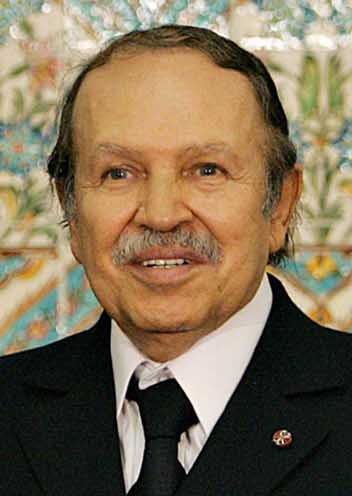
(Abdelaziz Bouteflika)
Today marks the 55th anniversary of Algeria’s independence and we would like to say happy independence day Algeria.

Videos of Algeria Independence

Monday, July 3, 2017

Happy Independence Day Rwanda

If your mouth turns into a knife, it will cut off your lips” - Rwandan Proverb
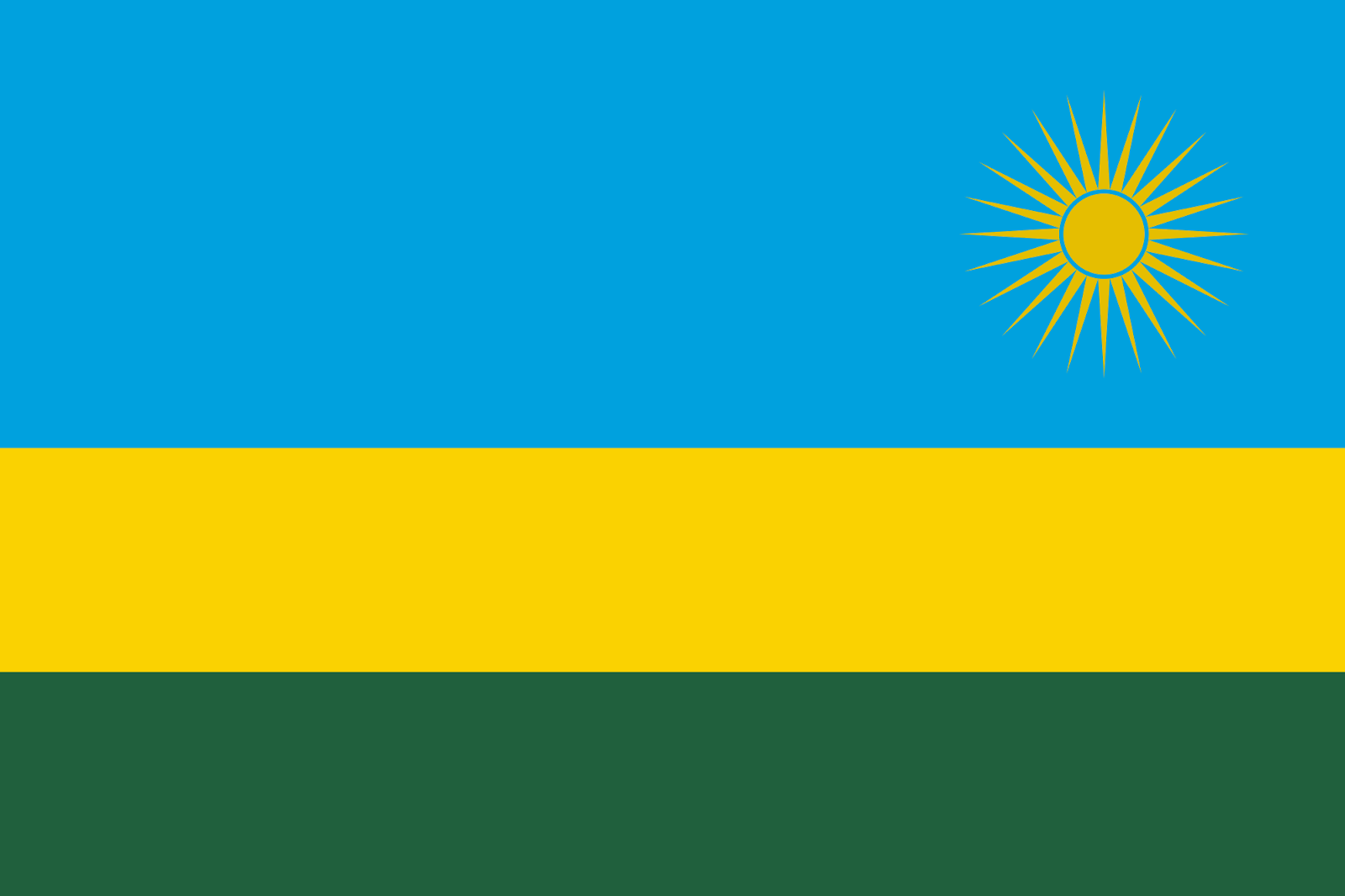
(Rwanda flag (2001-Present))
Rwanda is located in central Africa.
(Map of where Rwanda is located)
Its capital is Kigali. Kigali is also its largest city. The official languages are Kinyarwanda, French and, English. The country is 10,169 square miles. Rwanda is 100% African. 93.2% of Rwanda practices Christianity, 2% practice Islam and, 4.8% are athiest. The total population is 11,262,564. The climate is tropical. Rwanda is a unitary semi presidential republic.
(Kigali, capital of Rwanda)
Rwanda cuisine consists of bananas, plantains, pulses, sweet potatoes, beans, and cassava.
(Rwanda cuisine)
The major style of music is hip hop, with a blend of rap, ragga, R&B and dance pop.
(A Rwandan rapper)
Rwanda’s most popular sport is soccer.
(Rwanda’s soccer team)
Rwanda was 1st inhabited in 8000 BC.
(Ancient Rwandan carvings)
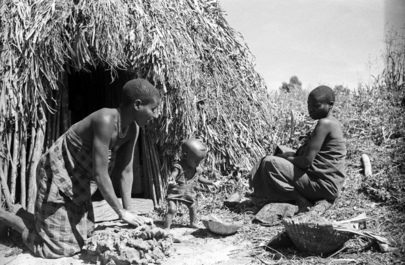
The people who 1st inhabited the area was the Twa people.
(A Twa family)
In 700 BC the Bantu people moved to Rwanda. In the 15th century the Twa, Tutsi and Hutu people formed kingdoms. In 1700 8 kingdoms existed in Rwanda. The Kingdom of Rwanda reached its greatest extent during the nineteenth century under the reign of King Kigeli Rwabugiri.
(A drawing of King Kigeli Rwabugiri)
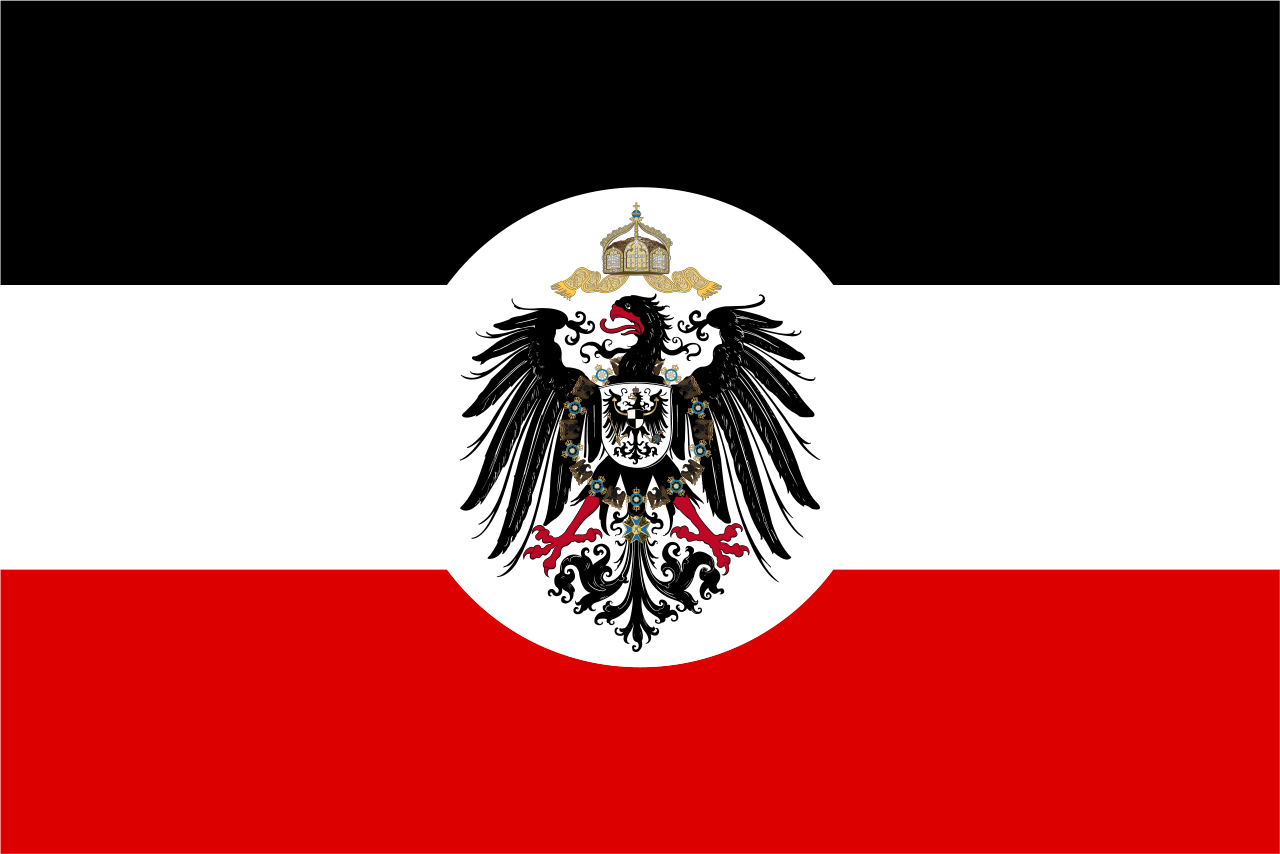
In 1884 Germany colonized Rwanda. It was renamed “German East Africa”.
(German East Africa flag (1891-1919))
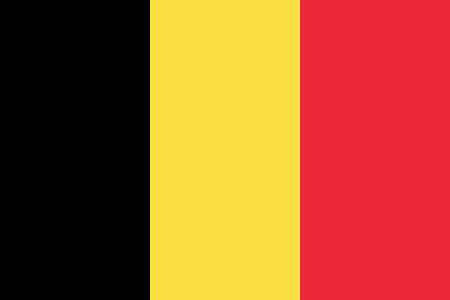
After WWI Germany was forced to give German East Africa to Belgium. Its name was changed to “Ruanda-Urundi”.
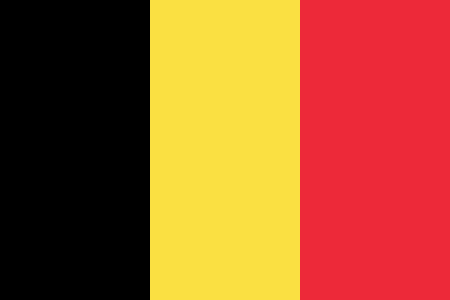
(Ruanda-Urundi flag (1922-1962))
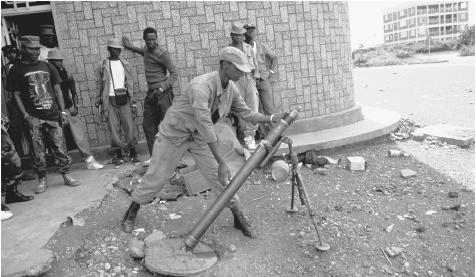
In 1959 began the Rwandan revolution.
(A soldier during the Rwandan revolution)
Hutu activists began killing Tutsi, forcing more than 100,000 to seek refuge in neighbouring countries. In 1961 the pro Hutu Belgians held a referendum in which the country voted to abolish the monarchy. On July 1st, 1962 Rwanda gained its independence.
(Rwanda flag (1961-2001))
Cycles of violence followed with exiled Tutsi attacking from neighbouring countries and the Hutu retaliating with large scale slaughter and repression of the Tutsi. In 1973, Juvénal Habyarimana took power in a military coup.
(Juvénal Habyarimana)
Pro Hutu discrimination continued, but there was greater economic prosperity and a reduced amount of violence against Tutsi. In 1990 the Rwandan Patriotic Front (RPF), a rebel group composed mostly of Tutsi refugees, invaded northern Rwanda, initiating the Rwandan Civil War.
(Soldiers during the Rwandan Civil War)
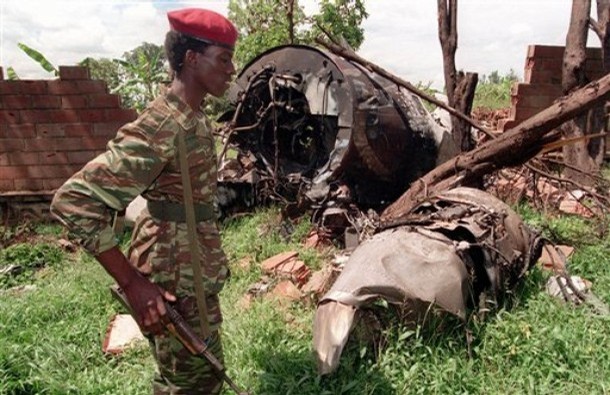
By 1992 the war had weakened Habyarimana's authority, mass demonstrations forced him into a coalition with the domestic opposition and eventually to sign the 1993 Arusha Accords with the RPF. In 1994 Habyarimana's plane was shot down and he was killed in the crash.
(Wreckage from the plane)
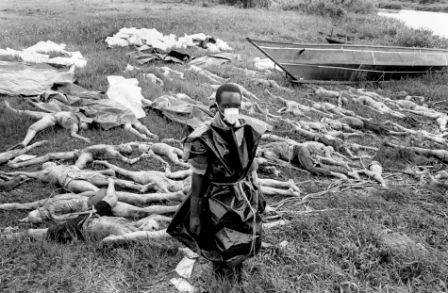
After the crash began the Rwandan genocide where 1,000,000 people were killed.
(Victims of the Rwandan genocide)
The Tutsi RPF took control of the country methodically, gaining control of the whole country. The international response to the genocide was limited, with major powers reluctant to strengthen the already overstretched UN peacekeeping force. Within Rwanda, a period of reconciliation and justice began, with the establishment of the International Criminal Tribunal for Rwanda (ICTR). In 2011 the poverty rate in Rwanda reduced from 57% to 45%.
(A Rwandan bicycle race)
In 2015 the life expectancy rose to 59.7 years old. Today marks the 55th anniversary of Rwanda’s independence and we would like to say happy independence day Rwanda.

Videos of Rwanda Independence

Happy Independence Day Burundi

“A rich man who does not know himself is worth less than a poor man who does” - Burundian Proverb
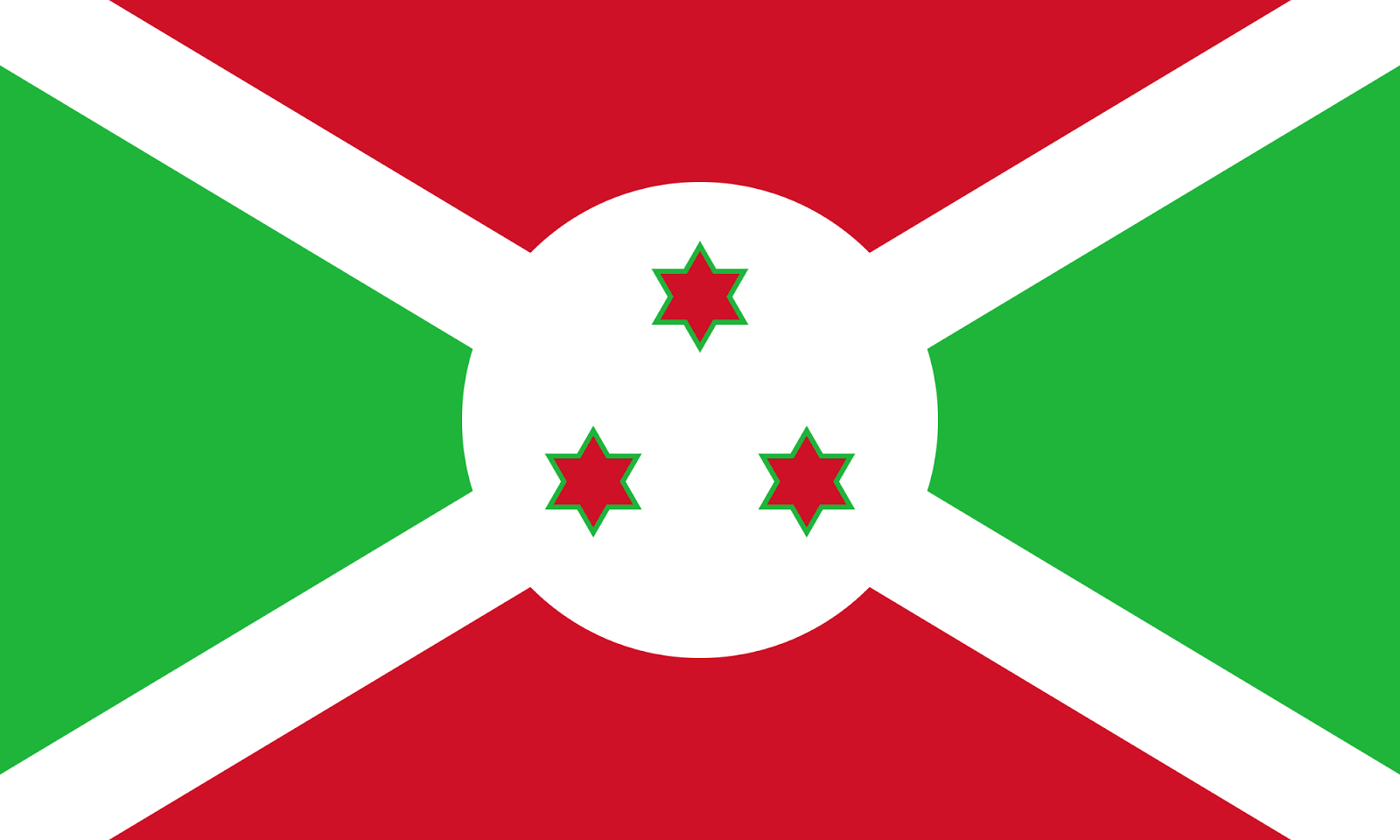
(Burundi flag (1967-Present))
Burundi is located in central Africa.
(Map of where Burundi is located)
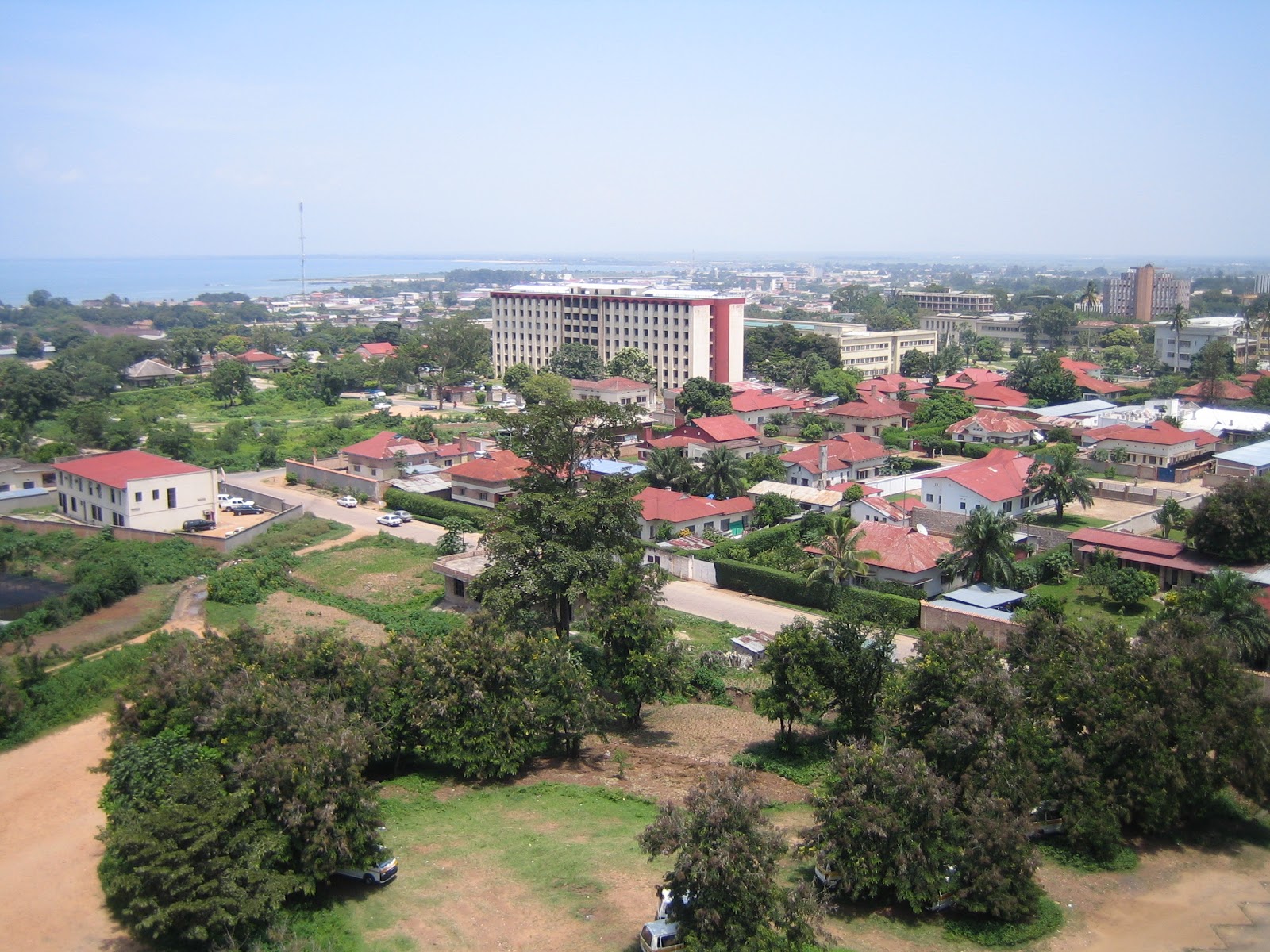
Its capital is Bujumbura. Bujumbura is also its largest city. The official languages are French and Kirundi. The country is 10,747 square miles. Burundi is 100% African. 90% of Burundi practices Christianity, 5% practice Islam and 5% practice traditional African religions. The total population is 11,178,921. The climate is tropical. Burundi is a presidential republic.
(Bujumbura, capital of Burundi)
Burundi cuisine consists of sweet potatoes, corn, and peas.
(Burundi cuisine)
The major style of music in Burundi consists of traditional drumming using the karyenda, amashako, ibishikiso, and ikiranya drums.
(Burundians performing)
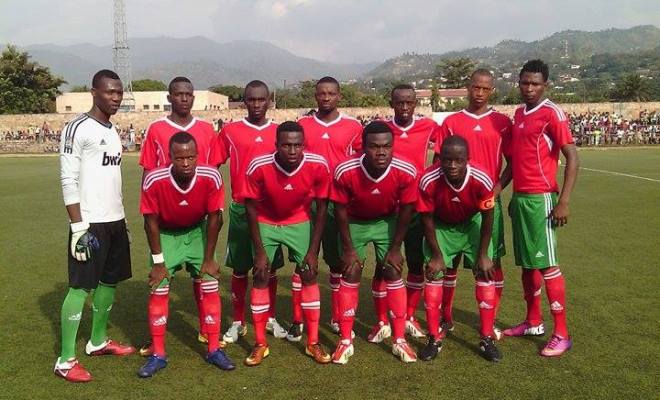
Burundi’s most popular sport is soccer.
(Burundi’s national soccer team)
Burundi was 1st inhabited in the 5th century BC.
(Burundian ancient tablets)
In 1680 the Kingdom of Burundi was formed.
(Women of the Kingdom of Burundi)
In the late 1800s Germany established armed forces in Burundi.
(A drawing of Germans capturing a Burundian man)
They colonized the area and named it “German East Africa”.
(German East Africa flag (1891-1919))
After WWI Germany was forced to give German East Africa to Belgium. Its name was changed to “Ruanda-Urundi”.
(Ruanda-Urundi flag (1922-1962))
In 1948 Belgium allowed the region to form political parties. In 1959 Burundi's ruler Mwami Mwambutsa IV requested Burundi's independence from Belgium.
(Mwami Mwambutsa IV)
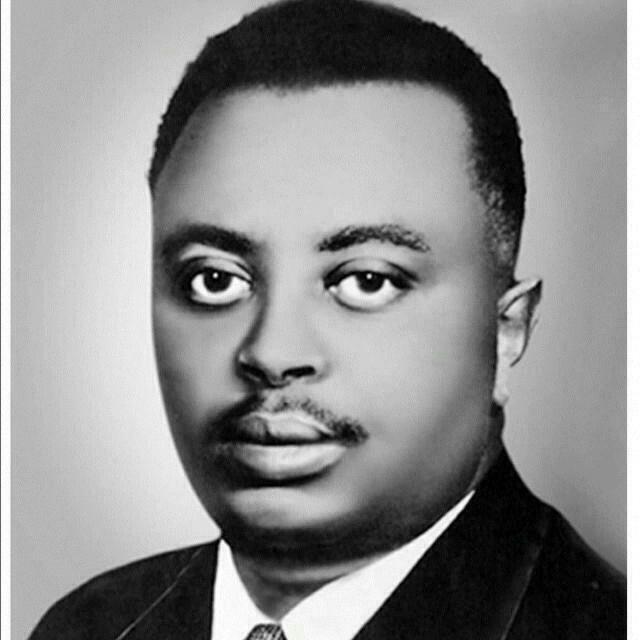
Burundi's push for independence was influenced by the Rwandan Revolution and the accompanying instability and ethnic conflict that occurred there. In 1961 the 1st elections occurred. Prince Louis Rwagasore won the election.
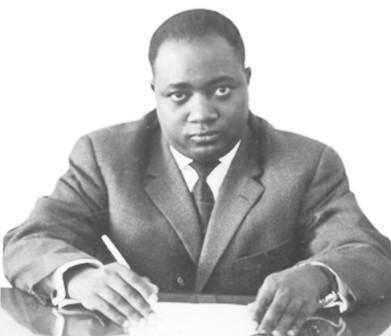
(Prince Louis Rwagasore)
He was assassinated a month later. On July 1st, 1962 Burundi gained its independence.
(Burundi flag (1962-1966))
Mwami Mwambutsa IV became the king of the country. In 1963 Pierre Ngendandumwe was appointed prime minister.
(Pierre Ngendandumwe)
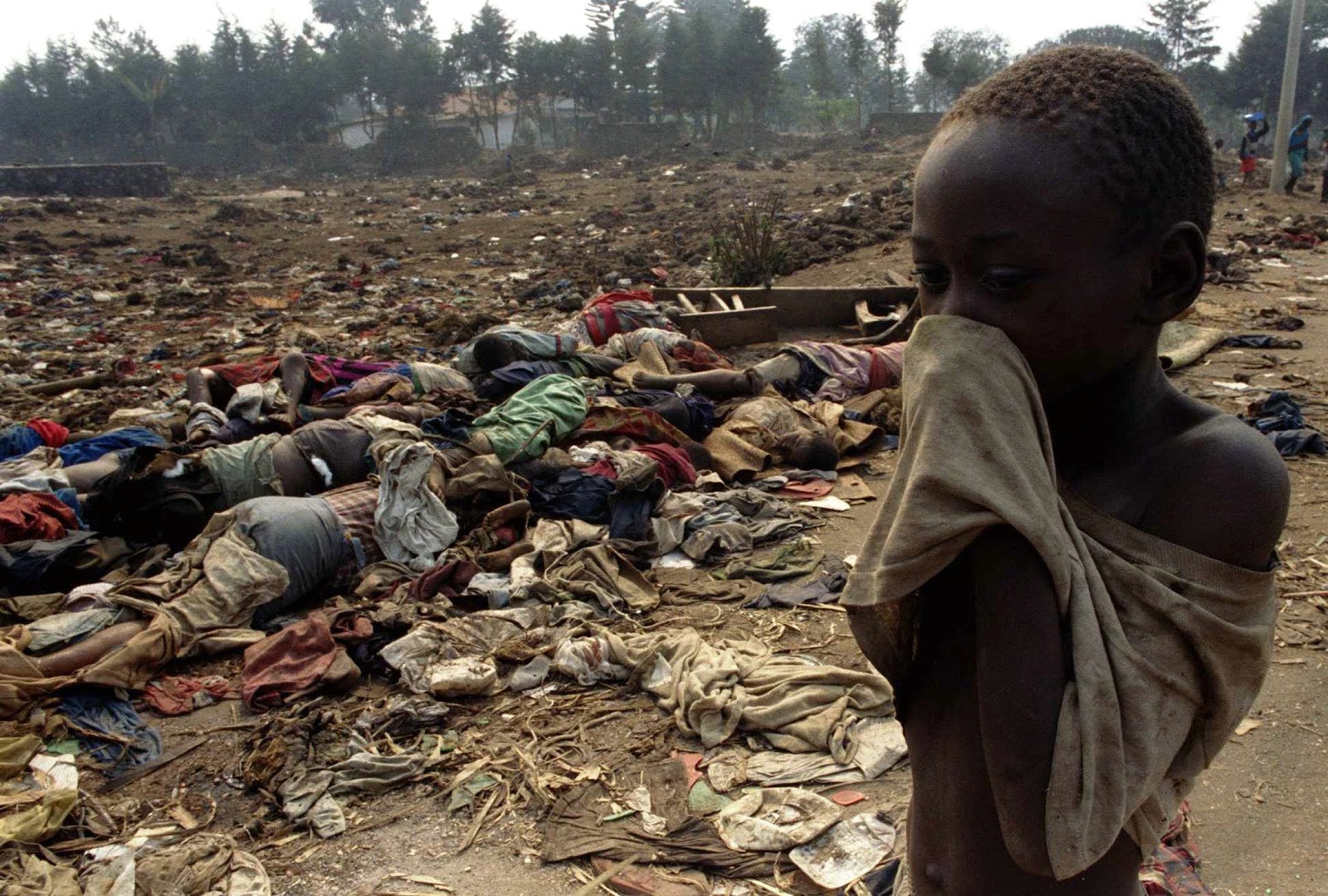
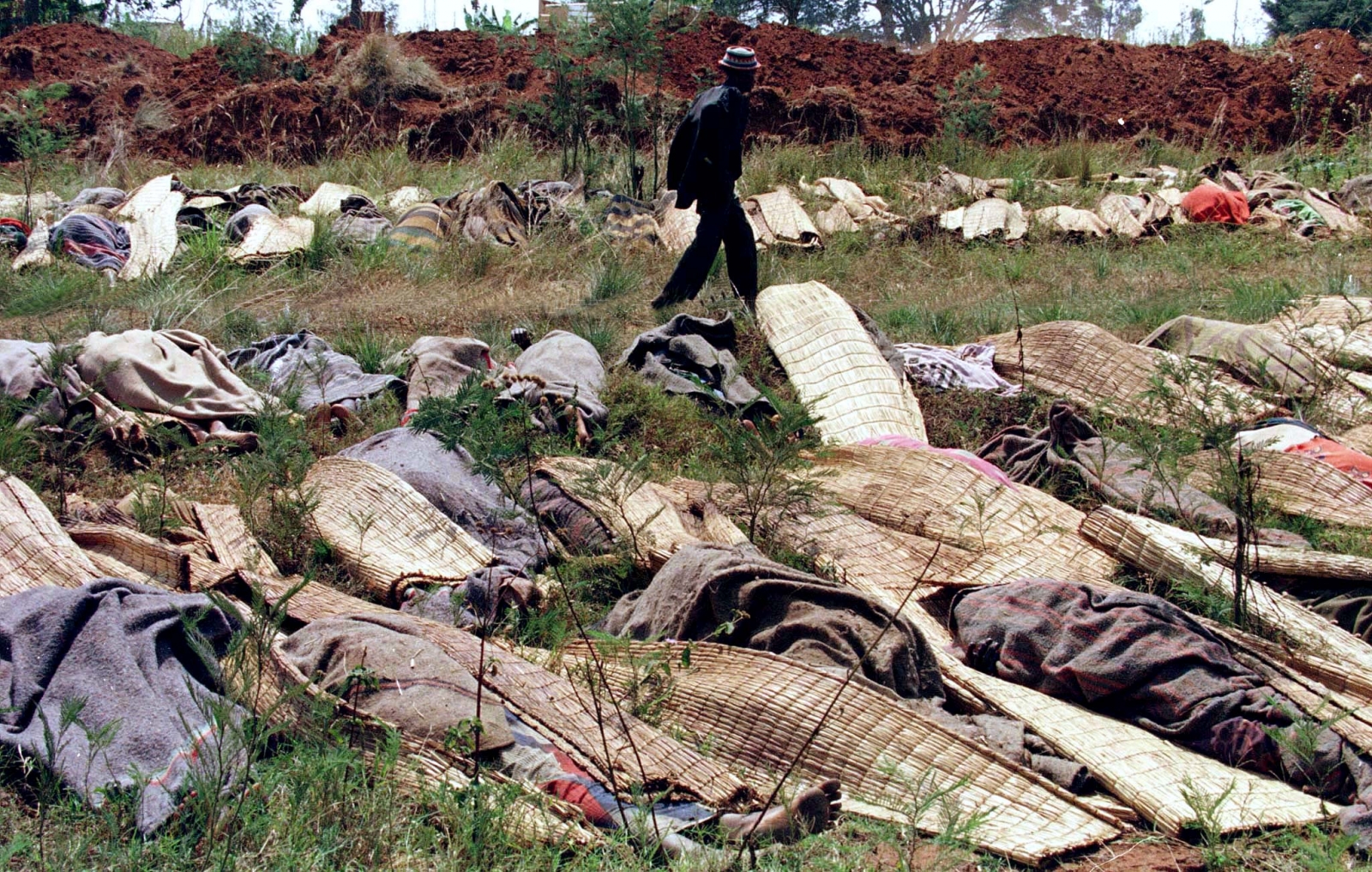
In 1965 an attempted coup d'état led by the Hutu dominated police was carried out but failed. In 1966 King Mwambutsa was outed by a coup. The country became a military dictatorship. In 1972 began the 1st Burundian genocide. About 1200 Tutsi people were killed by Hutu members of the gendarmerie. The government then committed genocide against Hutu rebels. 210,000 people were killed.
(Victims of the genocide)
In 1976 Colonel Jean-Baptiste Bagaza led a bloodless coup.
(Jean-Baptiste Bagaza)
In 1981 he drafted a new constitution. In 1984 Bagaza was elected head of state. Major Pierre Buyoya overthrew Bagaza in 1987 and suspended the constitution, dissolving the political parties.
(Pierre Buyoya)
He reinstated military rule under the Military Committee for National Salvation (CSMN). In 1988 ethnic propaganda led to killings of Tutsi peasants in the northern communes of Ntega and Marangara. 5,000 people were killed.
(Victims of the violence)
In 1992 the government promulgated a new constitution that provided for a multi party system. The same year civil war broke out. In 1993 mass killings of Tutsis by the Hutu majority began.
(Victims of the 1993 genocide)
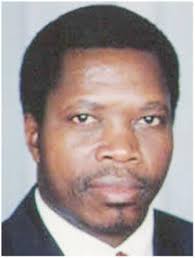
Also in 1993 Melchior Ndadaye won the 1st democratic election. He was later assassinated the same year. In 1994 Cyprien Ntaryamira was elected president.
(Cyprien Ntaryamira)
He and the president of Rwanda died together when their airplane was shot down.
(Wreckage from the plane)
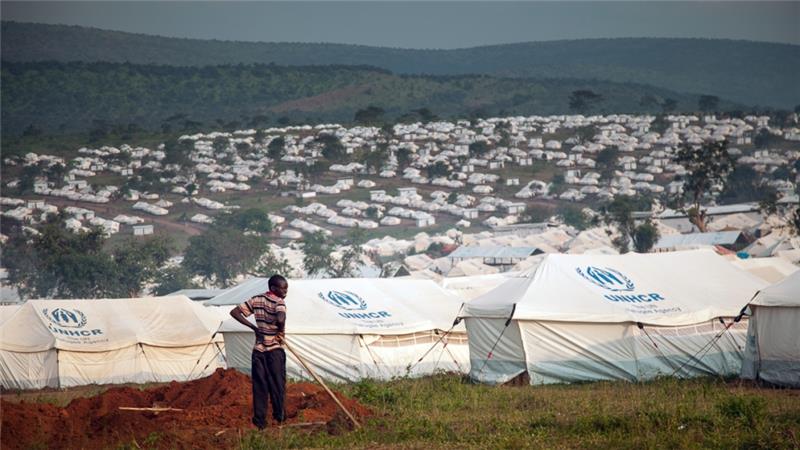
Sylvestre Ntibantunganya was appointed president. In 1996 Pierre Buyoya took power through a coup d’état. In 1998 he was sworn in as president. In response to rebel attacks, the government forced much of the population to relocate to refugee camps.
(Refugee camps)
In 2000 a transitional government for Burundi was planned as a part of the Arusha Peace and Reconciliation Agreement. In 2003 a ceasefire was signed between the Tutsi controlled Burundian government and the largest Hutu rebel group, CNDD-FDD (National Council for the Defense of Democracy-Forces for the Defense of Democracy). In 2005 Pierre Nkurunziza was elected president.
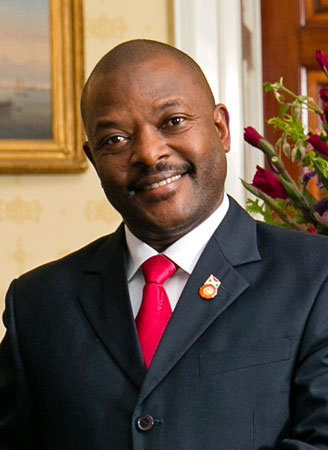
(Pierre Nkurunziza)
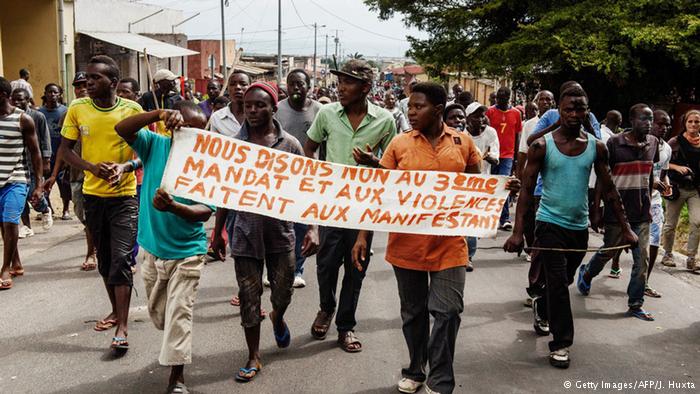
Also in 2005 fighting stopped. In 2006 reconstruction efforts in Burundi started to practically take effect. In 2007 Burundi joined the East African Community. In 2008 FLN combatants attacked government protected camps where former combatants were living. The homes of rural residents were also pillaged. As of 2011 Burundi has one of the lowest per capita gross incomes in the world. In 2015 protests broke out after the ruling party announced President Pierre Nkurunziza would seek a third term in office. An attempted coup d'état failed to depose Nkurunziza. Elections were held but were boycotted by the opposition parties.
(Protests against Burundi president Nkurunziza)
Today marks the 55th anniversary of Burundi’s independence and we would like to say happy independence day Burundi.

Videos of Burundi Independence