Crate Diggers: Africa
Showing posts with label Africa. Show all posts

Tuesday, August 1, 2017

Happy Independence Day Liberia

“Do not look where you fell, but where you slipped” - Liberian Proverb
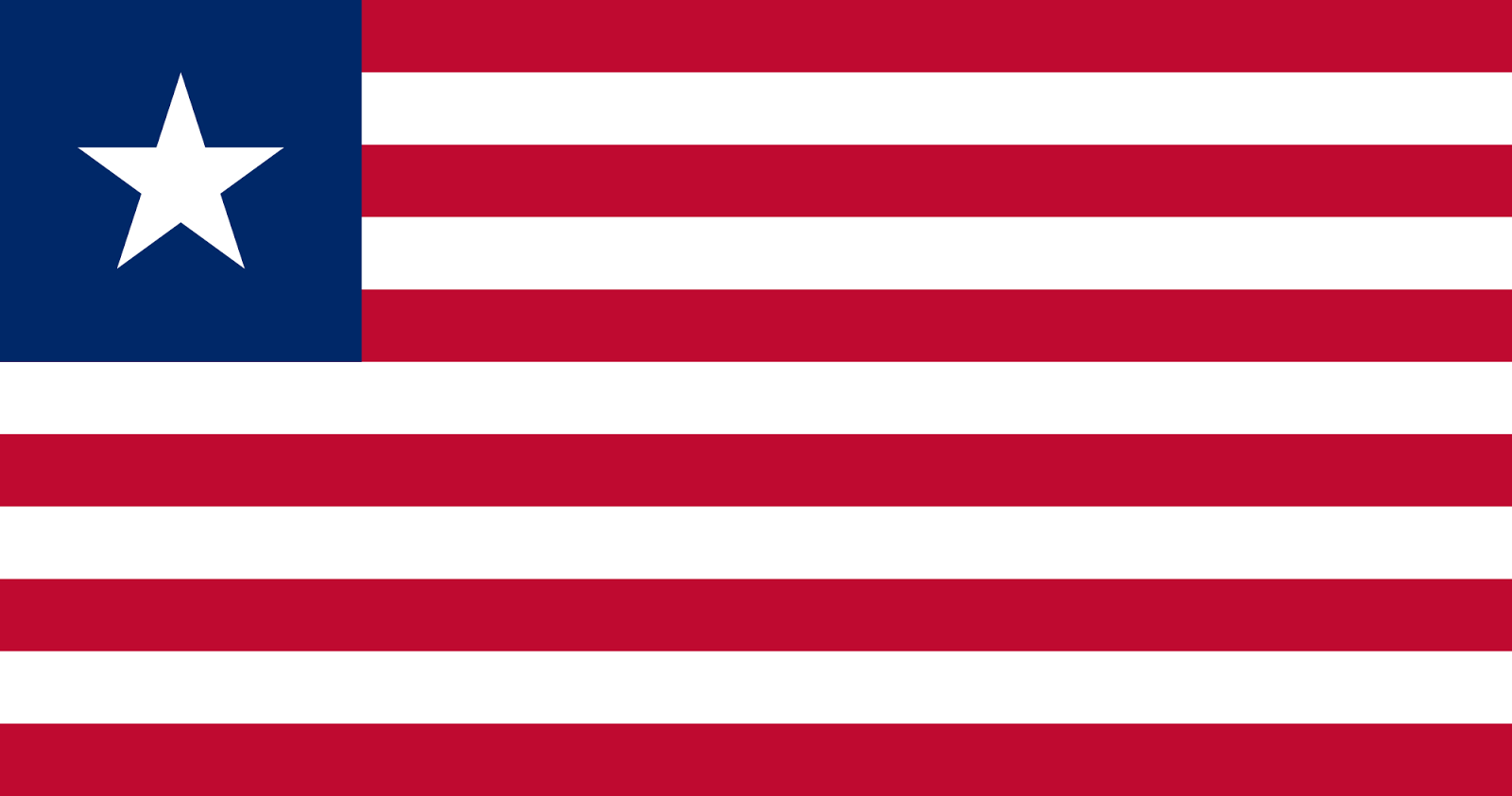
(Liberia flag (1847-Present))
Liberia is located in Western Africa.
(Map of where Liberia is located)
Its capital is Monrovia. Monrovia is also its largest city. The official language is English. The country is 43,000 square miles. Liberia is 95% African, and 5% Asian. 85.5% of Liberia practice Christianity, 12.2% practice Islam, 1.6% are atheist, and 0.5% practice traditional African religion. The total population is 4,503,000. The climate is tropical. Liberia is a unitary presidential republic.
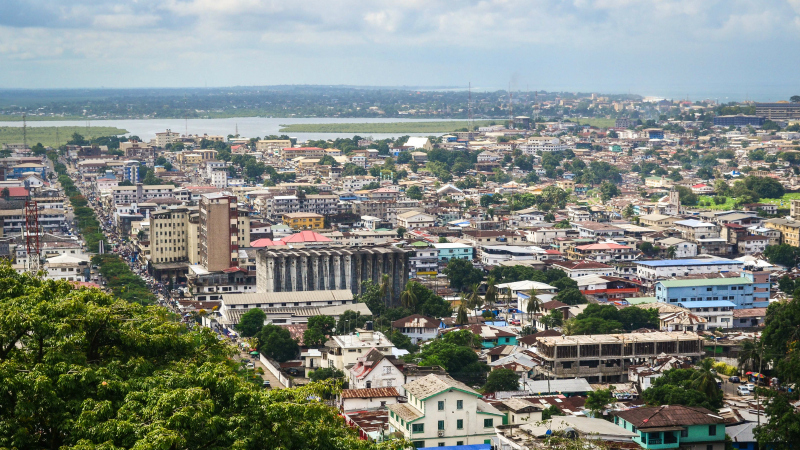
(Monrovia, capital of Liberia)
Liberian cuisine consists of rice, cassava, fish, bananas, citrus fruit, plantains, coconut, okra and sweet potatoes.
(Liberian cuisine)
The major style of music is Highlife.
(Liberian musicians performing Highlife music)
Liberia’s most popular sport is soccer.
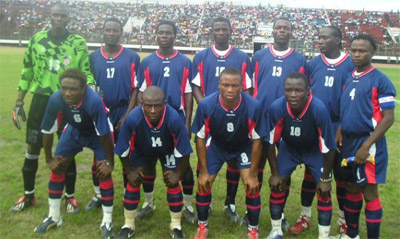
(Liberian soccer team)
Liberia was 1st inhabited in the 12th century by the Dei, Bassa, Kru, Gola and Kissi people.
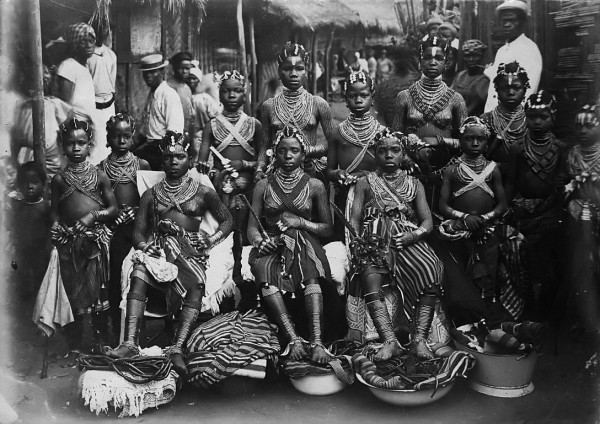
(Kru women)
In 1375 the Mali empire ruled the region. In 1461 the Portuguese came to the region. The Portuguese made slave trade posts in the region.
(A drawing of the slave trade in Liberia)
In 1591 the region was ruled by the Songhai empire. There was a lot of trade between the people of this region and those near by. In 1822 African American volunteers were sent to the region to establish a colony for freed African Americans.
(African Americans moving to Liberia)
In 1867 13,000 African Americans moved to Liberia. There were many misunderstandings and confrontations between the indigenous people and African Americans. On July 26th, 1847 Liberia gained its independence.
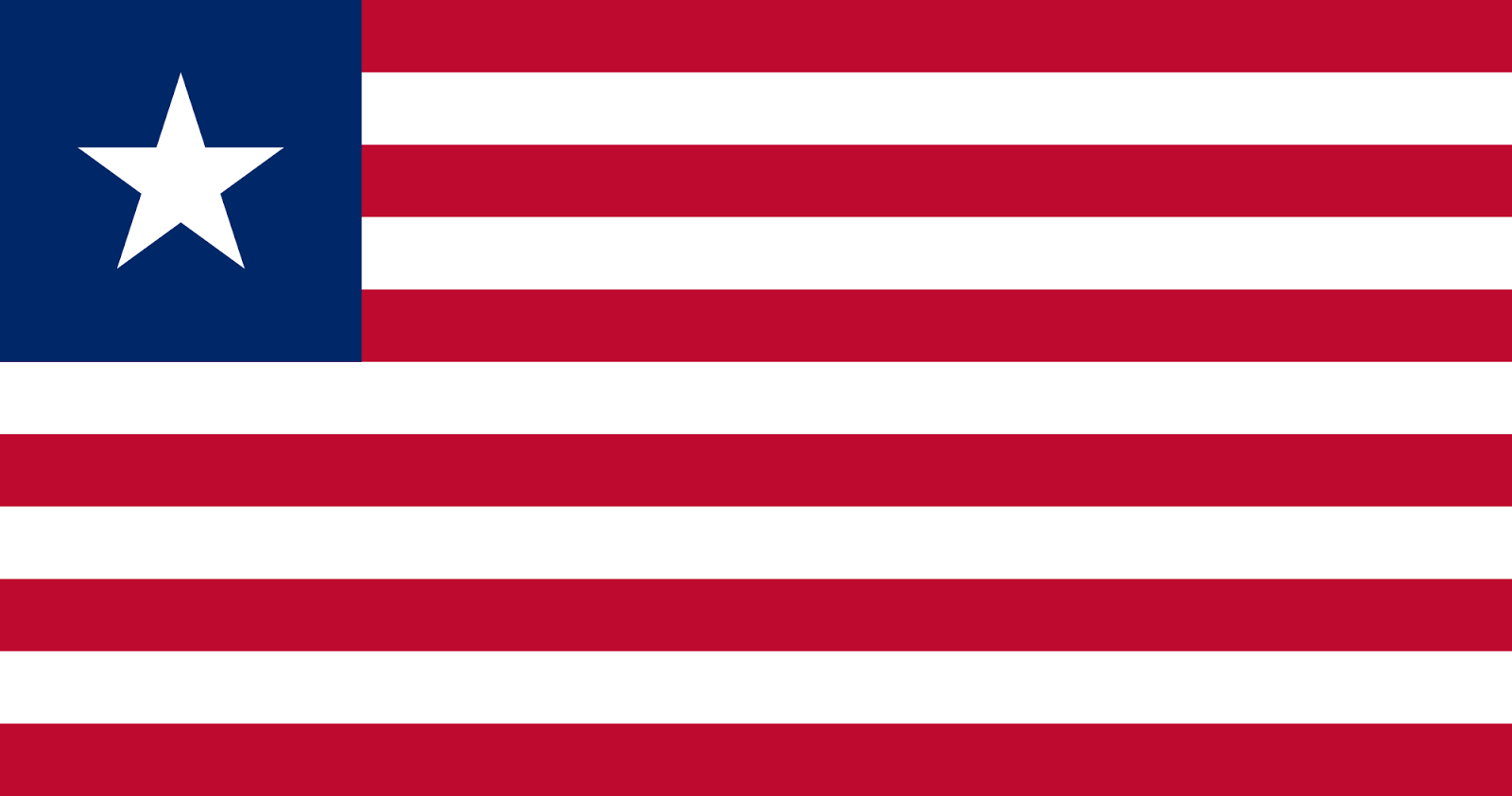
(Liberian flag (1847-Present))
The 1865 the ports of entry act prohibited foreign commerce with the inland tribes of Liberia. In the 1930’s the US built the Freeport of Monrovia and Roberts International Airport under the Lend Lease program in Liberia.
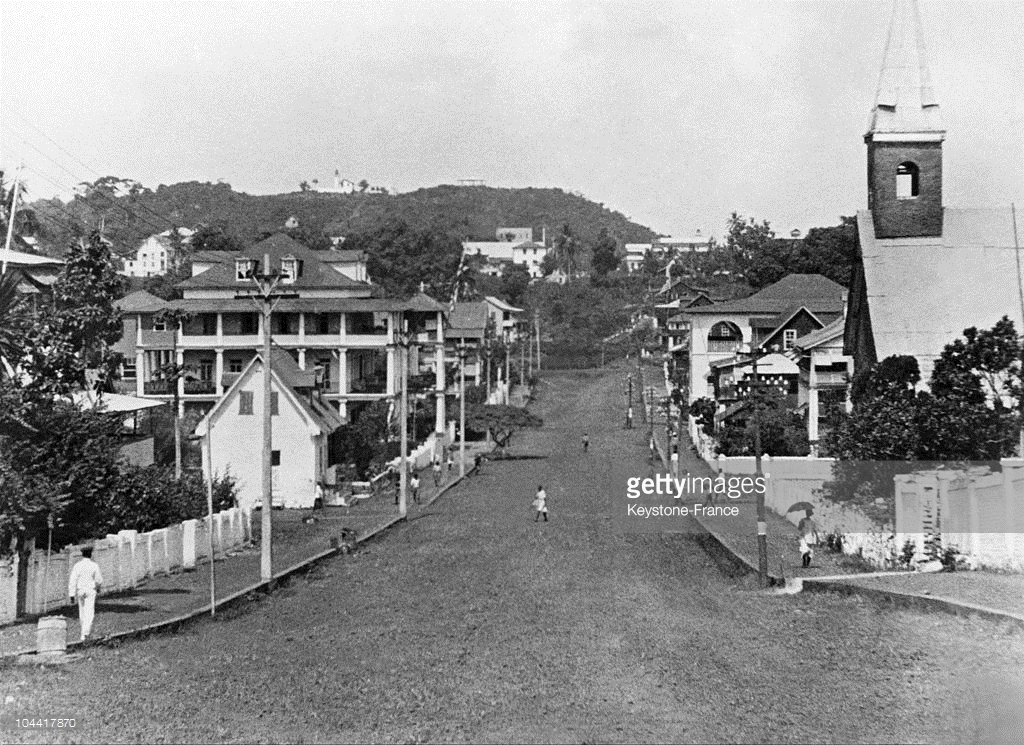
(Liberia in the 1930’s)
In 1945 Liberia became the founding member of the United Nations. In 1980 a military coup overthrew the government and Samuel Doe became the leader of the country.
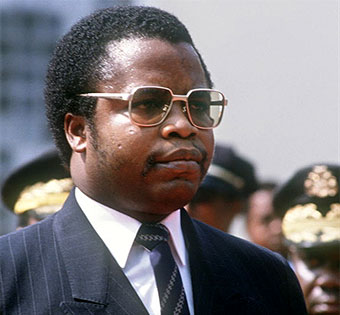
(Samuel Doe)
In 1985 Liberia adopted a new constitution. Also in 1985 there was a failed coup to overthrow the government. In 1989 the National Patriotic Front of Liberia launched an insurrection. This started the 1st Liberian Civil War.
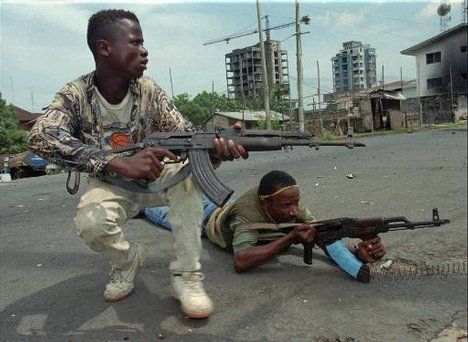
(Liberian soldiers during the 1st civil war)
Doe was executed during the war. By 1996 200,000 people were killed in the war. In 1997 Charles Taylor became president.
(Charles Taylor)
In 1999 the 2nd Liberian Civil War began.
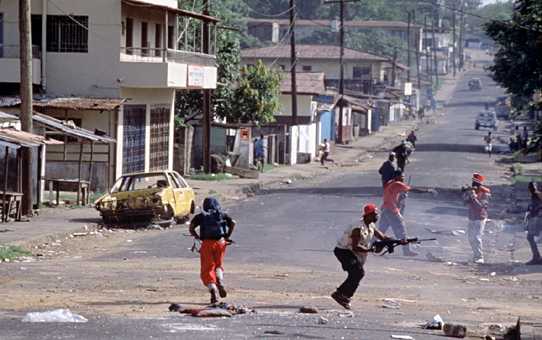
(Soldiers in the 2nd Liberian Civil War)
In 2003 the Movement for Democracy in Liberia launched an attack on Taylor’s government. Also in 2003 peace talks began where Taylor was indicted by the Special Court for Sierra Leone for crimes against humanity. Taylor then stepped down as leader of Liberia and was exiled. In the 2005 elections Ellen Johnson Sirleaf was elected president and was the 1st female president of Africa.
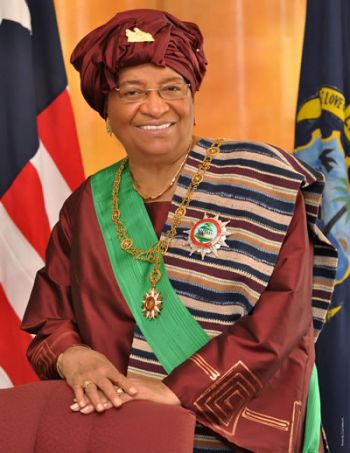
(Ellen Sirleaf)
In 2006 the government established a Truth and Reconciliation Commission to address the causes and crimes of the civil war. In 2010 Liberia was ranked 87th of 178 countries for corruption.
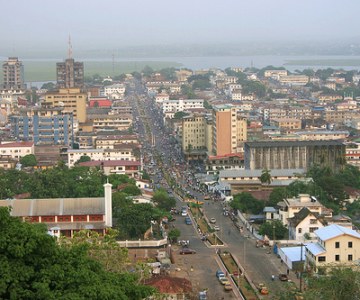
(Liberia in 2010)
In 2013 Liberia began importing power from neighboring Ivory Coast and Guinea through the West African Power Pool. Today marks the 170th anniversary of Liberia’s independence and we would like to say happy independence day Liberia.

Videos of Liberia Independence

Sunday, July 16, 2017

Happy Independence Day Sao Tome and Principe

“You cannot prevent the birds of sorrow from flying over your head, but you can prevent them from building nests in your hair” - Sao Tomean Proverb
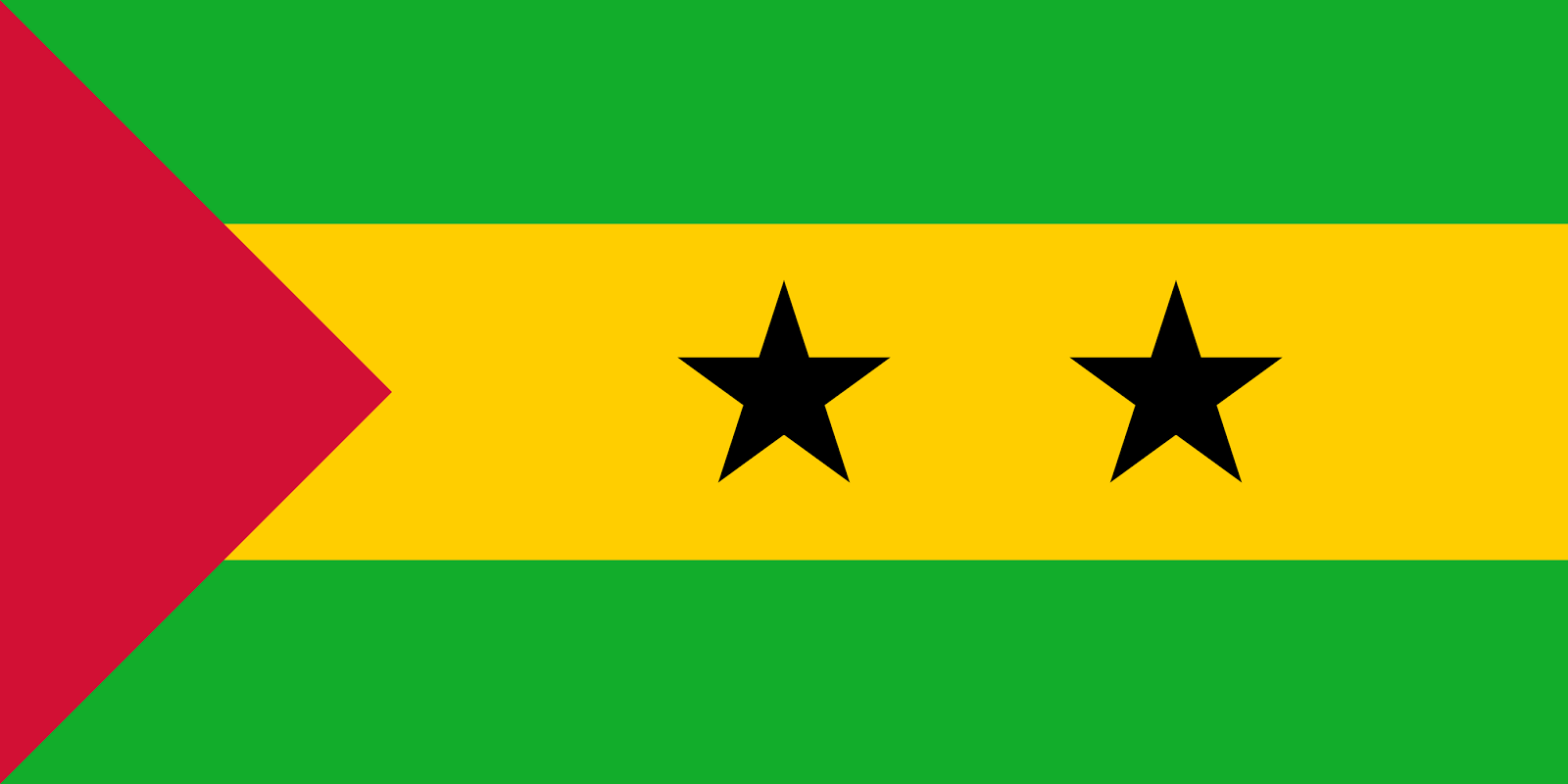
(Sao Tome and Principe flag (1975-Present))
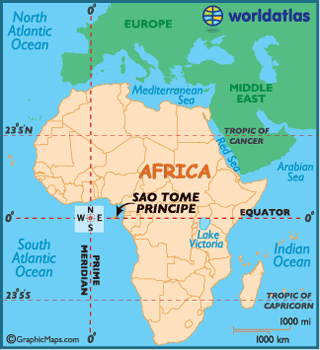
Sao Tome and Principe are a group of 2 islands off the west coast of Africa.
(Map of where Sao Tome and Principe is located)
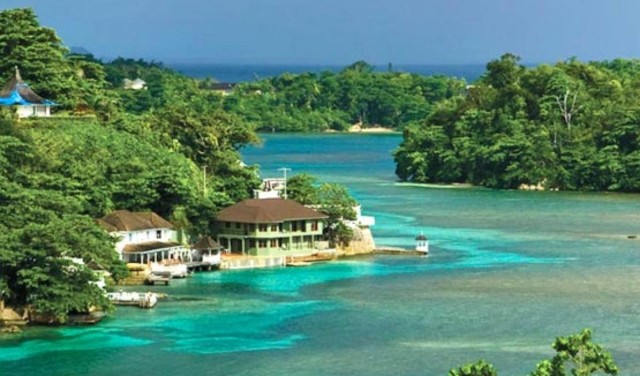
Its capital is Sao Tome. Sao Tome is also its largest city. The official language is Portuguese. The country is 372 square miles. Sao Tome and Principe is 90% African, 7% European and 3% Asian. 82.1% of Sao Tome and Principe practice Christianity, 8.95% practice Islam and 8.95% are atheist. The total population is 190,428. The climate is tropical. Sao Tome and Principe is a unitary semi presidential republic.
(Sao Tome)
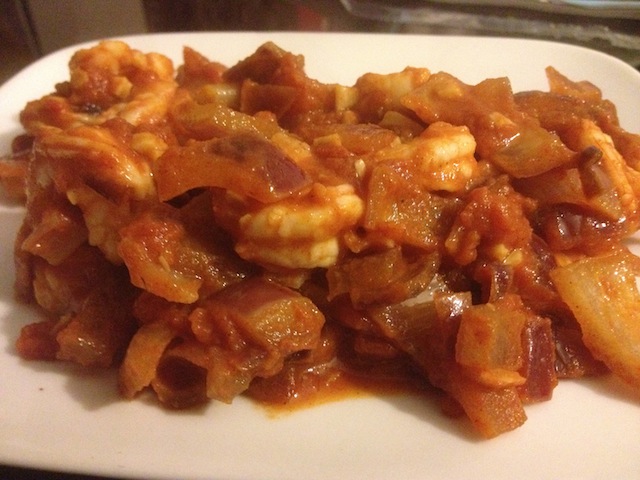
Sao Tome and Principe cuisine consists of fish, seafood, beans, maize and cooked banana.
(Sao Tome and Principe cuisine)
Sao Tome and Principe music consist of ússua and socopé rhythms with the dêxa beat.
(Sao Tomean musicians)
Sao Tome and Principe’s most popular sport is soccer.
(Sao Tome and Principe soccer game)
The islands were 1st uninhabited. In 1470 the Portuguese came to the islands.
(Portuguese forts in Sao Tome)
In the mid 16th century due to the Portuguese import of Africans as slaves Sao Tome and Principe became Africa's foremost exporter of sugar.
(A painting of slavery in Sao Tome and Principe)
The large slave population proved difficult to control, with Portugal unable to invest many resources in the effort. In the mid 17th century the country was primarily a transit point for ships engaged in the slave trade between the West and continental Africa. In 1876 slavery was abolished. Portuguese plantation managers abused their African farm workers and they were still forced to work with no pay. In 1908 Sao Tome had become the world's largest producer of cocoa. In 1953 several hundred African laborers were killed in a clash with their Portuguese rulers. It was called the "Batepá Massacre".
(The portuguese that participated in the “Batepa Massacre”)
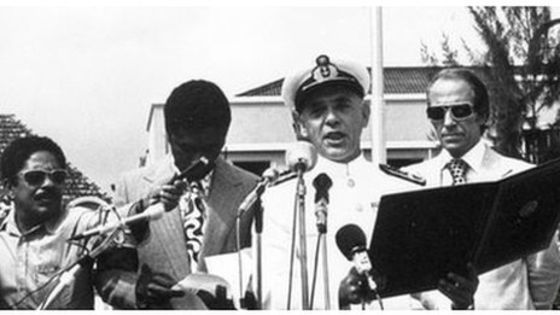
In the late 1950’s a small group of São Toméans had formed the Movement for the Liberation of São Tomé and Príncipe (MLSTP). In 1974 the representatives from Portugal met with the MLSTP in Algiers and worked out an agreement for the transfer of sovereignty.
(The meeting between the MLSTP and reps. From Portugal)
On July 12th, 1975 Sao Tome and Principe gained its independence.
(Sao Tome and Principe’s flag (1975-Present))
Secretary General Manuel Pinto da Costa became the 1st president.
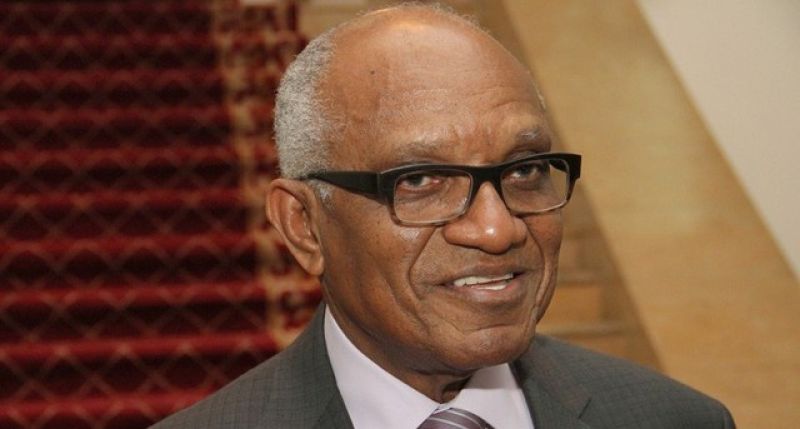
(Manuel Pinto da Costa)
In 1990 Sao Tome became one of the first African countries to undergo democratic reform. In 1996 Miguel Trovoada became president.
(Miguel Trovoada)
In 2001 Fradique de Menezes became president. In 2009 there was an attempted coup d'état to overthrow President Fradique de Menezes.
(Fradique de Menezes)
In 2011 São Tomé and Príncipe was ranked the 174th safest investment destination in the world. Today marks the 42nd anniversary of Sao Tome and Principe’s independence and we would like to say happy independence day Sao Tome and Principe.

Videos of Sao Tome and Principe Independence
Wednesday, July 12, 2017

Happy Independence Day Comoros
“If you steal while you carry your son on your back, you teach him to steal” - Comorian Proverb
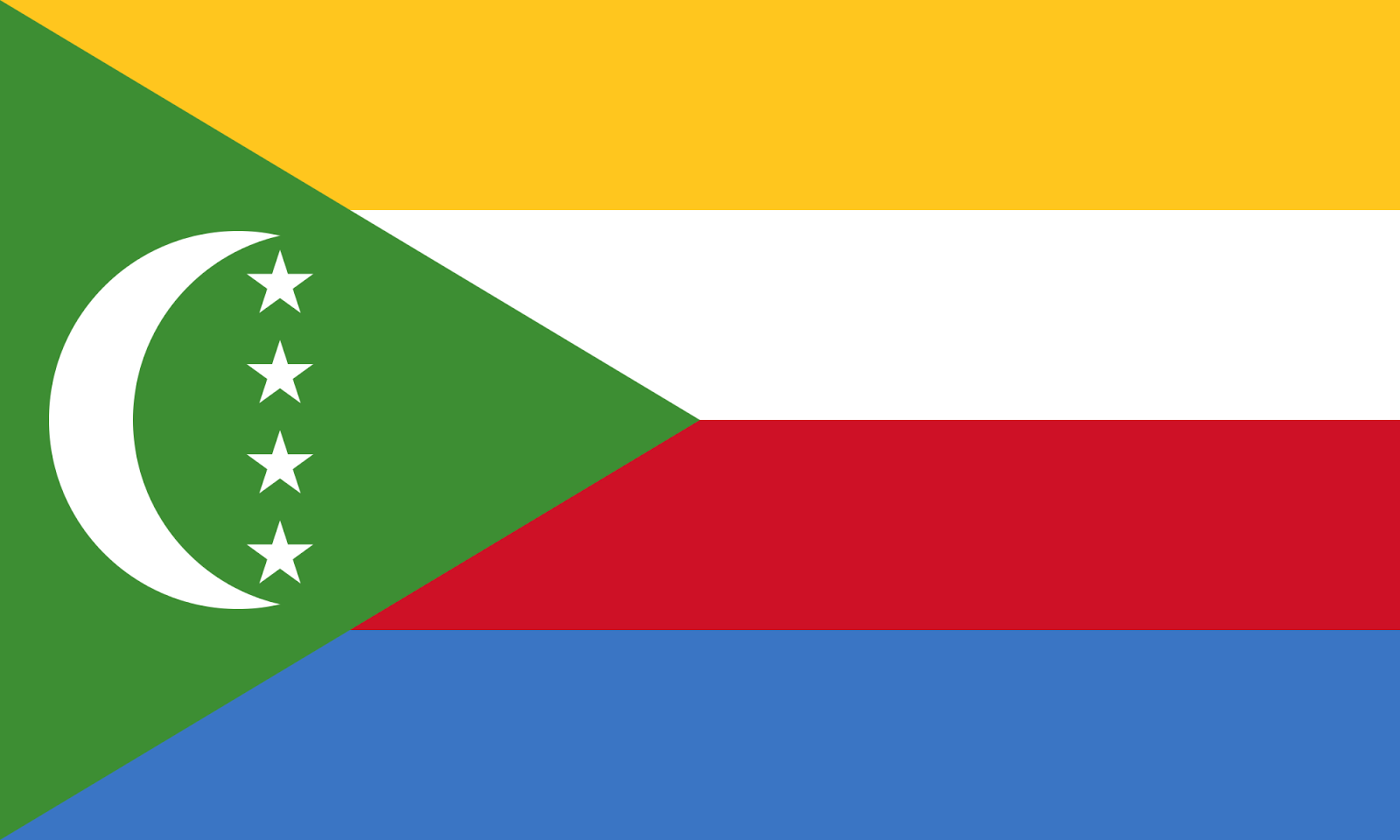
(Comoros flag (1993-Present))
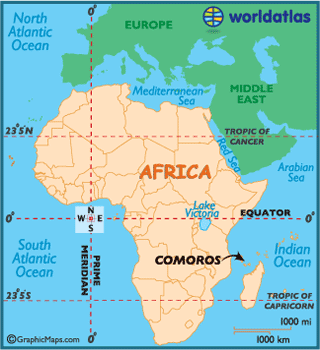
Comoros is a group of 3 islands off the west coast of Africa.
(Map of where Comoros is located)
Its capital is Moroni. Moroni is also its largest city. The official languages are Comorian, Arabic and French. The country is 727 square miles. Comoros is 90% African, 4% Asian and 1% European. 98% of Comoros practice Islam and 2% practice Christianity. The total population is 798,000. The climate is tropical. Comoros is a federal presidential republic.
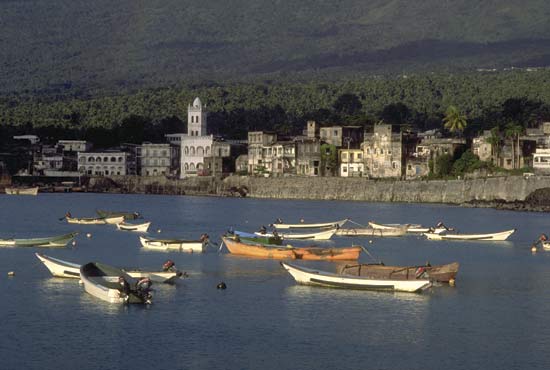
(Moroni, capital of Comoros)
Comoros cuisine consists of fish, stews, rice and meat.
(Comoros cuisine)
The major style of music is twarab.
(Comorian woman performing twarab music)
Comoros’ most popular sport is soccer.
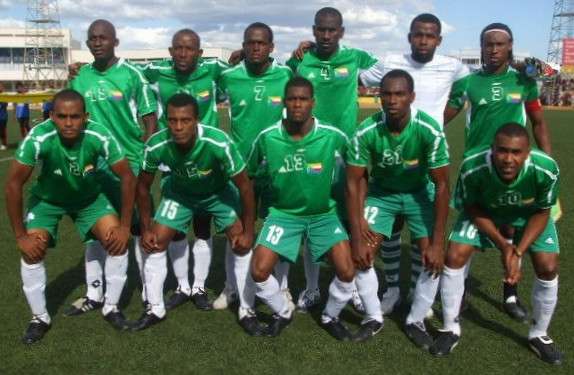
(Comoros’ soccer team)
Comoros was 1st inhabited in the 6th century AD. In 632 Islam 1st came to the islands. From the 11th to the 15th centuries, trade with the island of Madagascar and merchants from the Middle East flourished. In 1503 the Portuguese came to the islands. In 1793 Malagasy warriors from Madagascar came to the islands. In 1841 the French colonized the islands. In 1865 40% of the population consisted of slaves.
(A painting of slavery in Comoros)
In 1908 the islands were unified under a single administration. In 1912 the colony and the protectorates were abolished and the islands became a province of the colony of Madagascar. In 1973 referendums were held on all four of the islands. Three voted for independence by large margins, while Mayotte voted against, and remains under French administration. On July 6th, 1975 Comoros gained its independence.
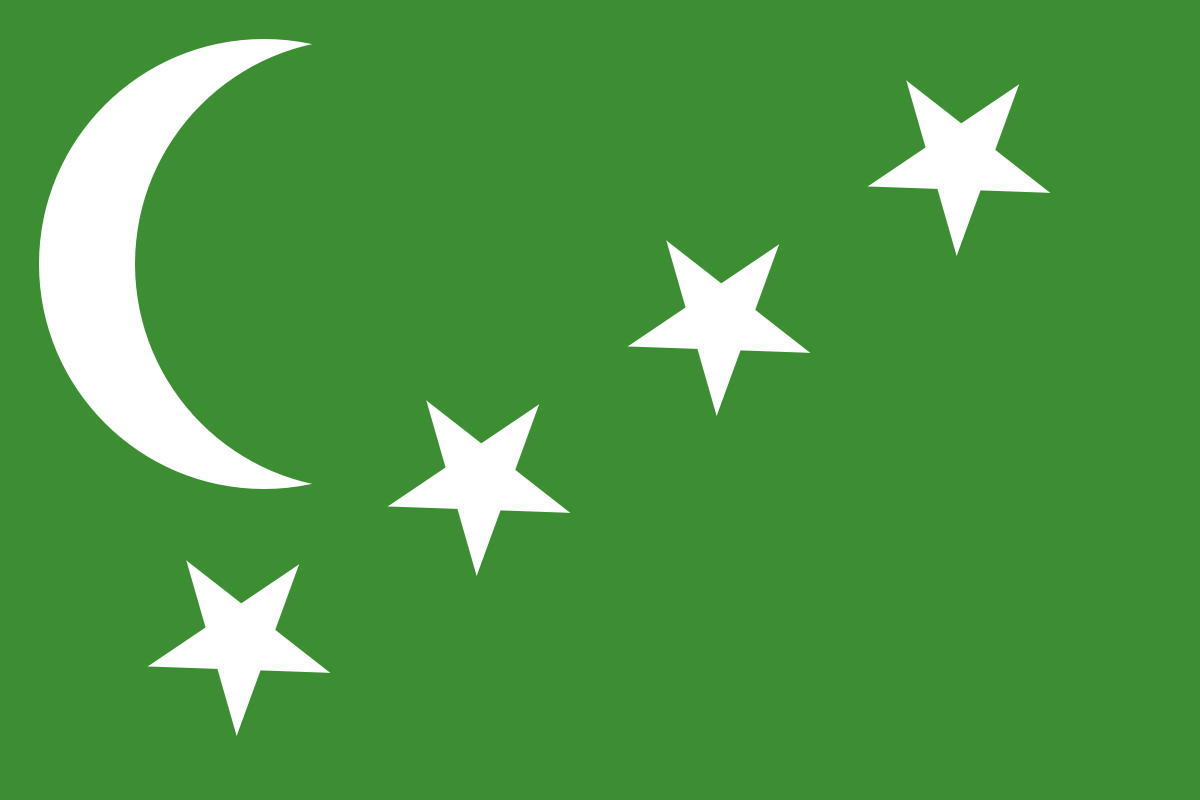
(Comoros flag (1975-1976))
Ahmed Abdallah became the 1st president. Prince Said Mohamed Jaffar removed Abdallah the same year. In 1976 Jaffar was ousted in favor of his Minister of Defense Ali Soilih. In 1978 Bob Denard came to overthrow President Soilih and reinstate Abdallah with the support of the French, Rhodesian and South African governments.
(Ahmed Abdallah)
Soilih was then killed. In 1989 Abdallah was shot dead in his office. Said Mohamed Djohar then became president. In 1995 Mohamed Taki Abdoulkarim became president.
(Mohamed Taki Abdoulkarim)
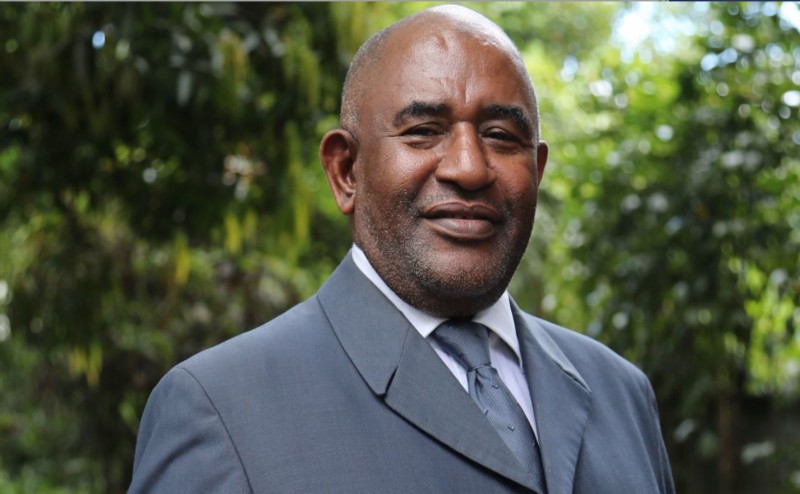
The islands of Anjouan and Mohéli declared their independence from the Comoros in 1997. In 1998 Tadjidine Ben Said Massounde became president. In 1999 Colonel Azali Assoumani, Army Chief of Staff, seized power in a bloodless coup.
(Azali Assoumani)
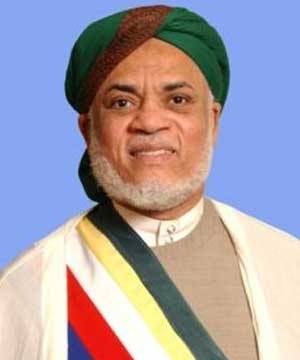
In 2006 Ahmed Abdallah Mohamed Sambi became president. In 2008 hundreds of soldiers from the African Union and the Comoros seized rebel held Anjouan. In 2010 Ikililou Dhoinine became president.
(Ikililou Dhoinine)
Today marks the 42nd anniversary of Comoros’ independence and we would like to say happy independence day Comoros.
Videos of Comoros Independence

Wednesday, July 5, 2017

Happy Independence Day Cape Verde
“Whoever tells the truth is chased out of nine villages” - Cape Verdean Proverb
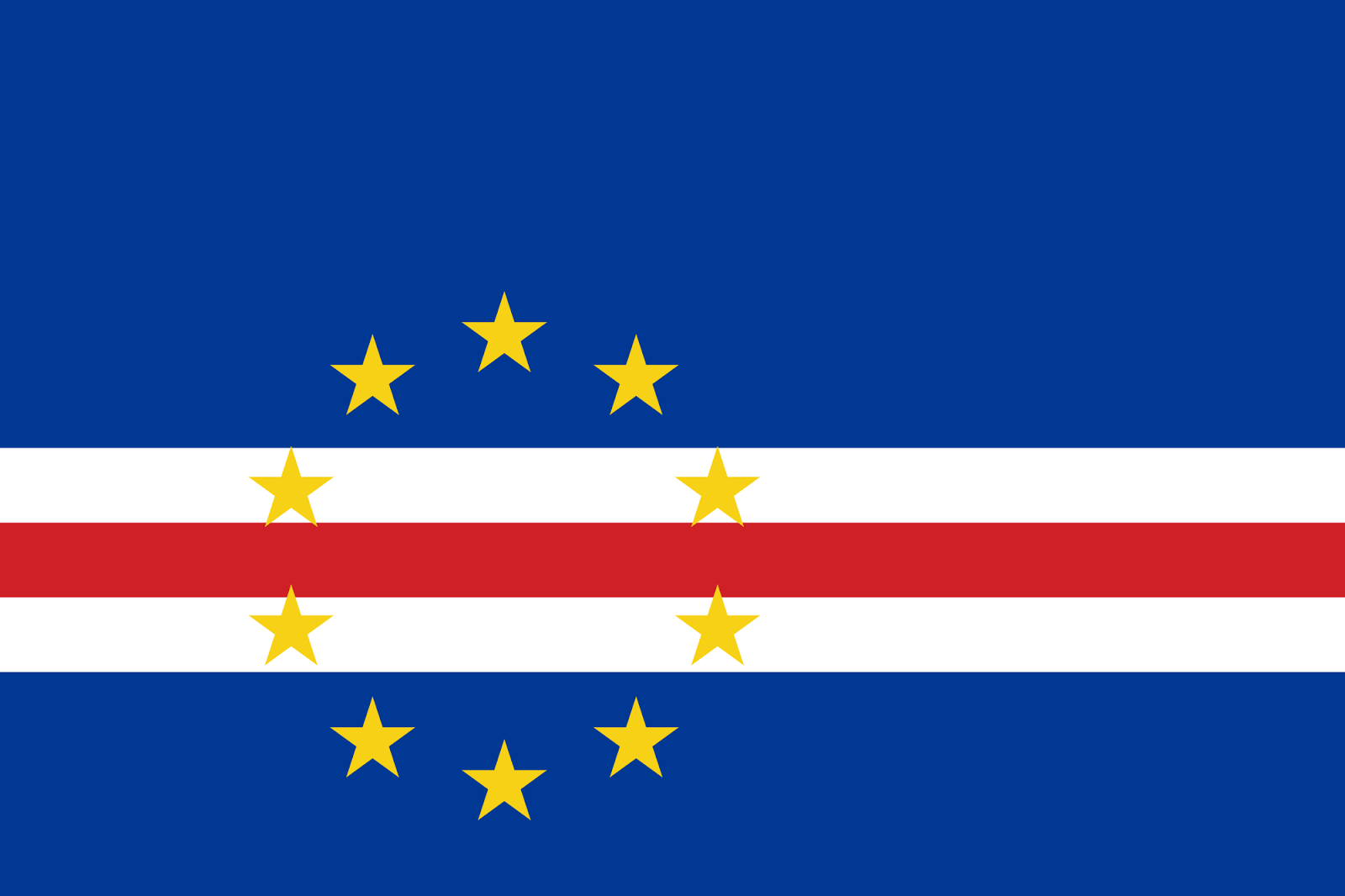
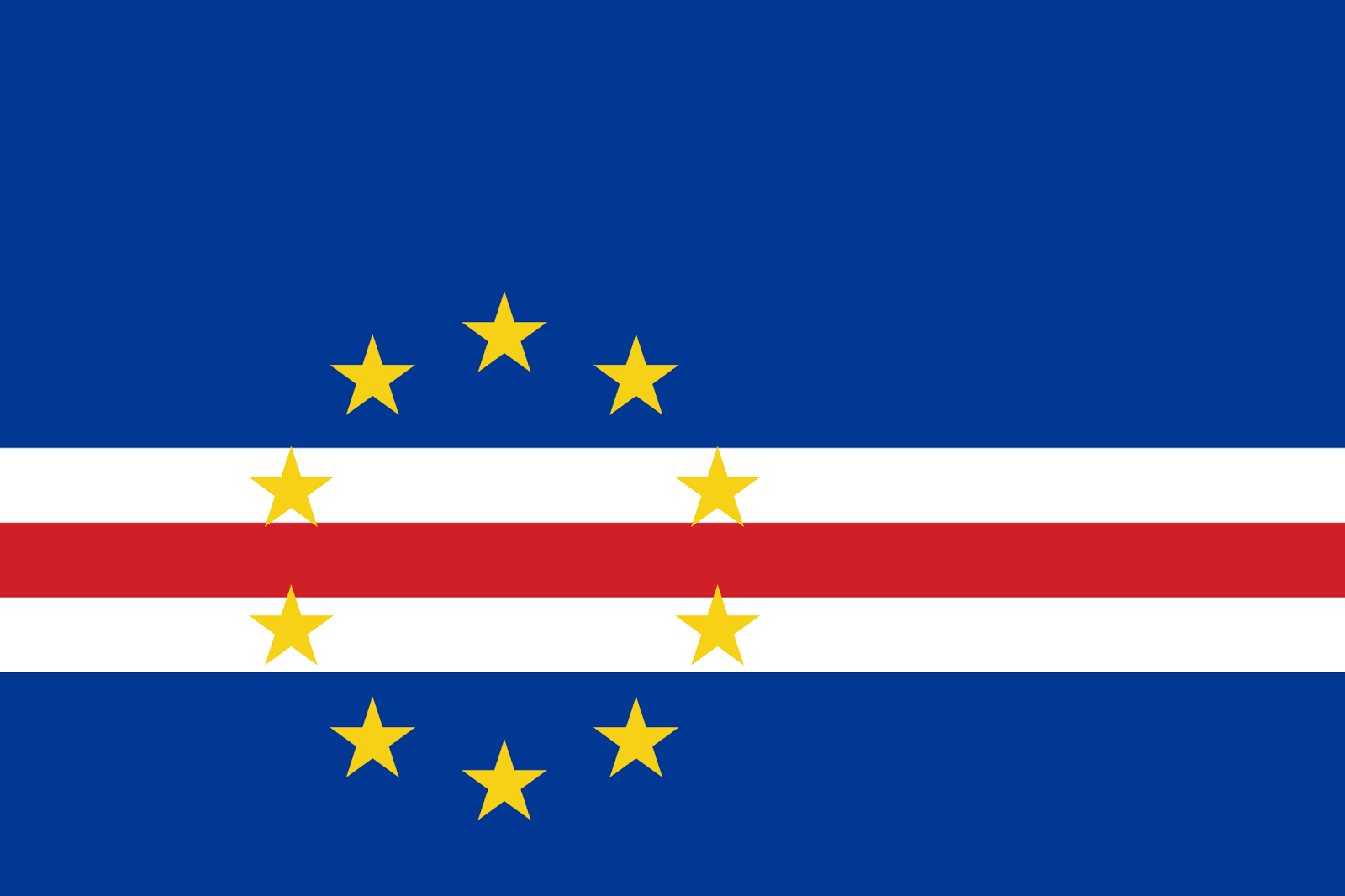
(Cape Verde flag (1992-Present))
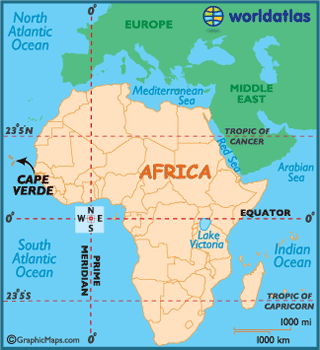
Cape Verde is a group of 10 islands off the west coast of Africa.
(Map of where Cape Verde is located)
Its capital is Praia. Praia is also its largest city. The official language is Portuguese. The country is 1,557 square miles. Cape Verde is 54% African and 44% European. 95% of Cape Verde practice Christianity, 2% practice Islam, 2% practice Judaism, and 1% are atheist. The total population is 525,000. The climate is tropical. Cape Verde is a unitary semi presidential republic.
(Praia, capital of Cape Verde)
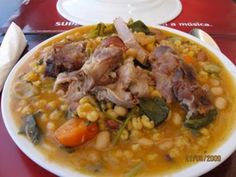
Cape Verdean cuisine consists of fish, potatoes, onions, tomatoes, manioc, cabbage, kale, dried beans and cachupa.
(Cape Verdean cuisine)
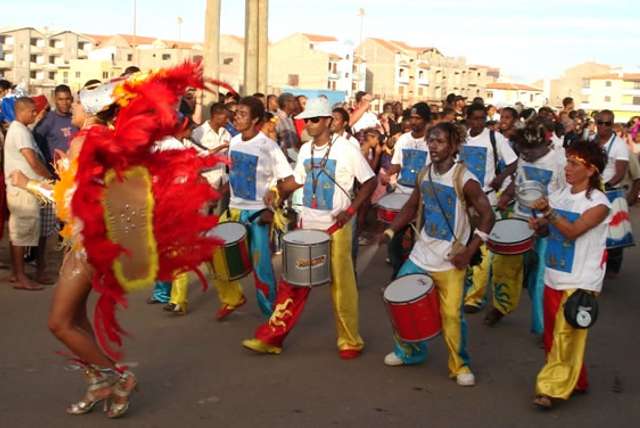
The major style of music is morna.
(Cape Verdeans performing during a celebration)
Cape Verde’s most popular sport is soccer.
(Cape Verde’s soccer team)
The Cape Verde islands were originally uninhabited. In 1456 the Portuguese came to the islands.
(A drawing of the Portuguese colonizing Cape Verde)
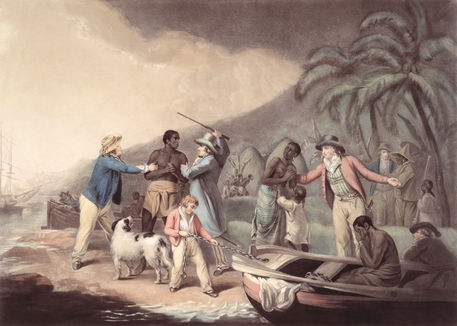
In the 1500s the Portuguese used the islands as a slave port.
(A painting of the slave trade in Cape Verde)
Pirates occasionally attacked the Portuguese settlements. In 1712 the French attacked the islands’ capital of Ribeira Grande. In 1770 the capital was changed to Praia. In 1951 Portugal changed Cape Verde's status from a colony to an overseas province in an attempt to blunt growing nationalism.
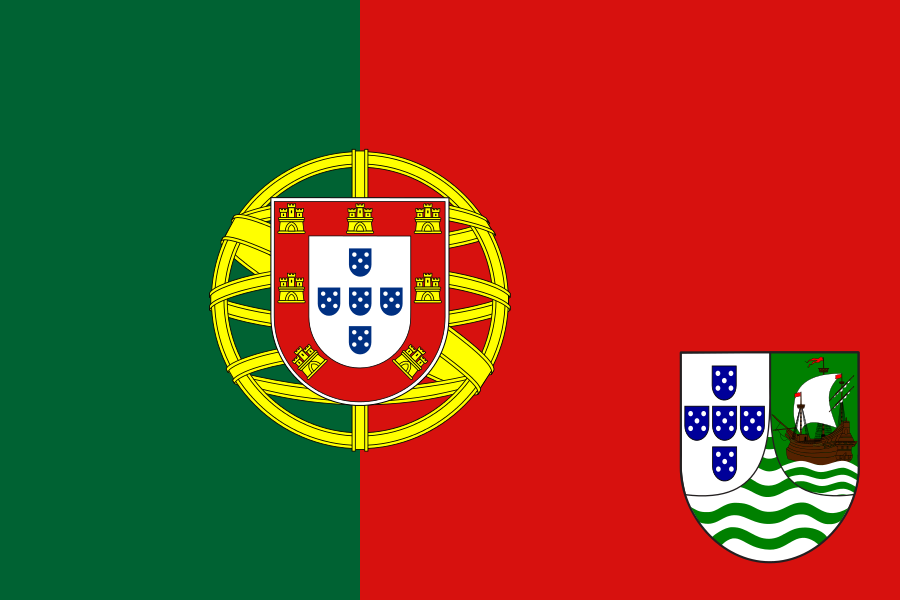
(Cape Verde flag (1456-1975))
In 1956 Amílcar Cabral and a group of fellow Cape Verdeans and Guineans organised the clandestine African Party for the Independence of Guinea and Cape Verde (PAIGC). It demanded improvement in economic, social and political conditions in Cape Verde and Portuguese Guinea and formed the basis of the two nations' independence movement.
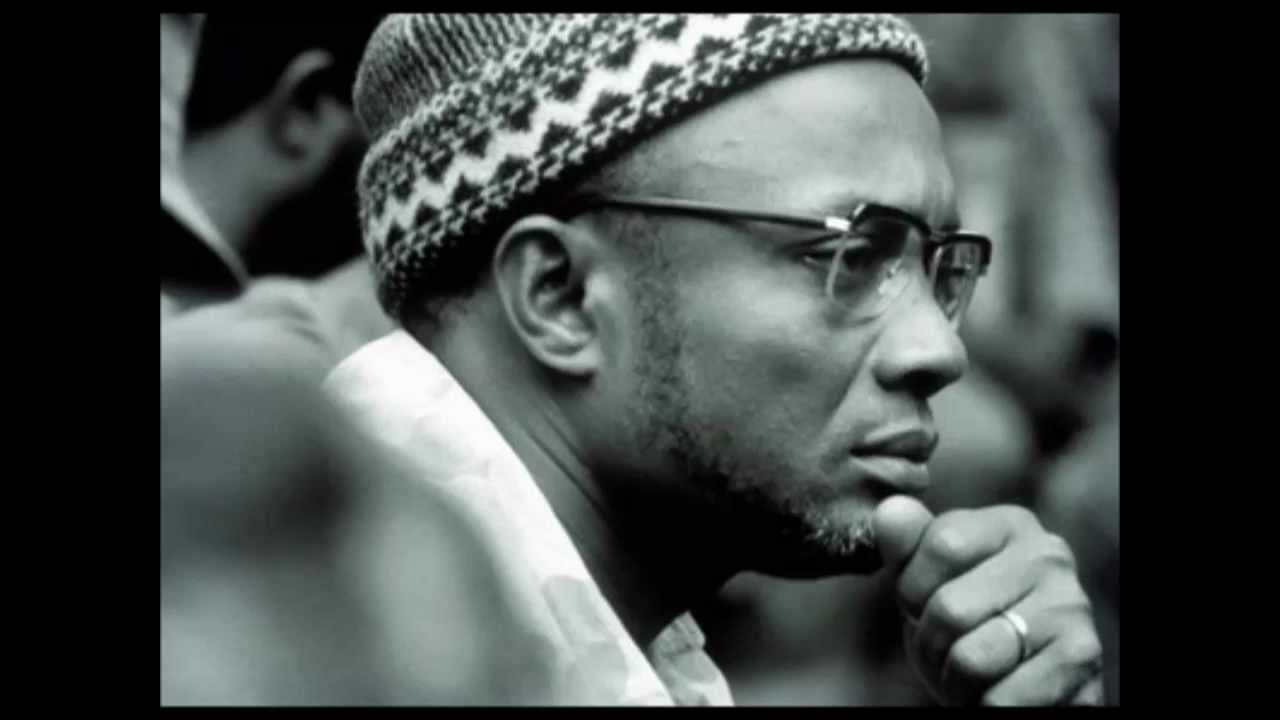
(Amilcar Cabral)
In 1961 the PAIGC began an armed rebellion against Portugal. Acts of sabotage eventually grew into a war in Portuguese Guinea that pitted 10,000 Soviet Bloc-supported PAIGC soldiers against 35,000 Portuguese and African troops. The organization did not attempt to disrupt Portuguese control in Cape Verde. In 1974 the PAIGC became an active political movement in Cape Verde. On July 5th, 1975 Cape Verde gained its independence.
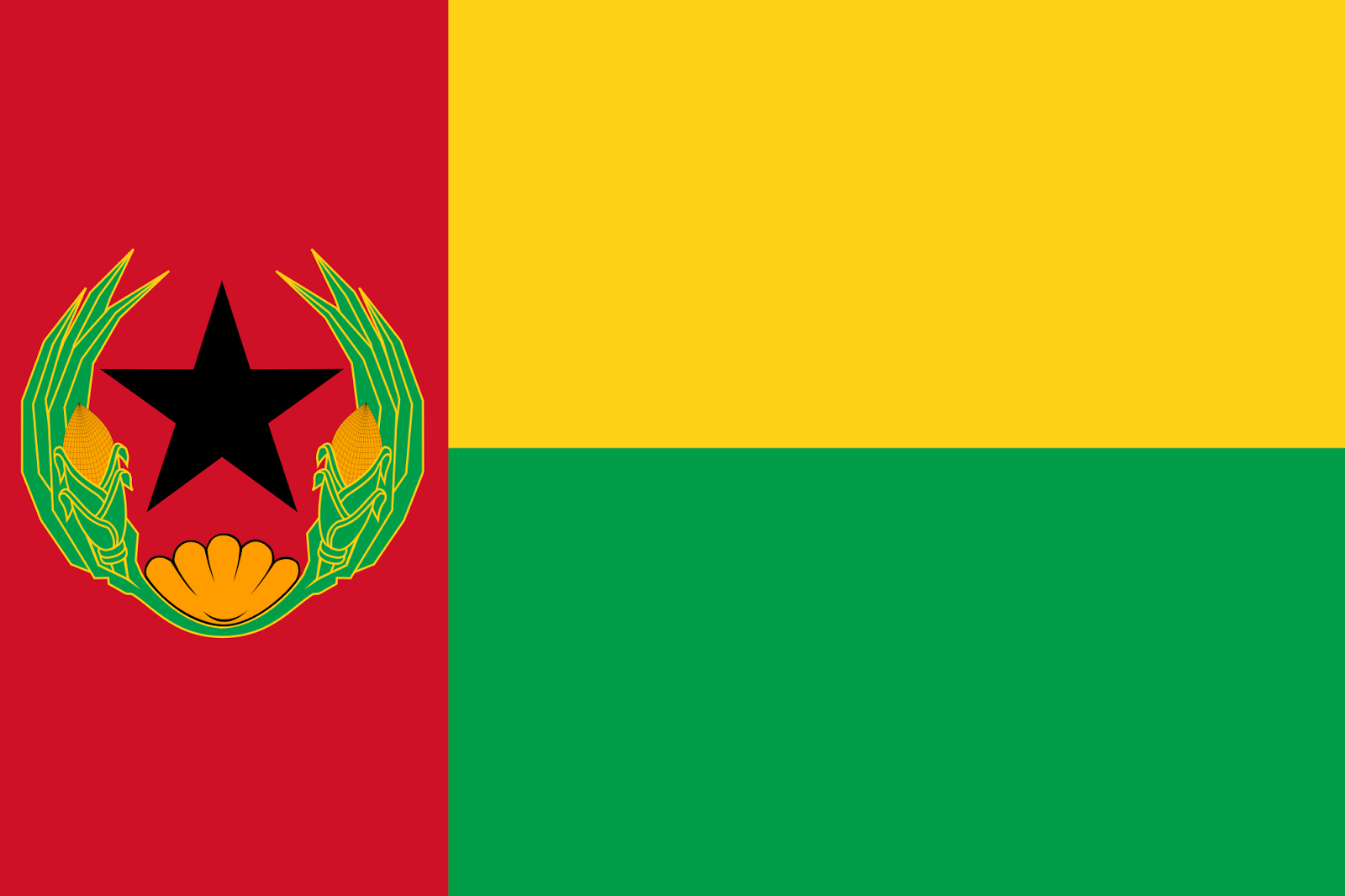
(Cape Verde flag (1975-1992))
In the 1980 coup in Guinea-Bissau, relations between Cape Verde and Guinea-Bissau became strained. In 1990 Cape Verde’s 1 party system was abolished. In 1992 Cape Verde changed its flag.
(Cape Verde flag (1992-Present))
In 1996 António Mascarenhas Monteiro was elected president.
(António Mascarenhas Monteiro)
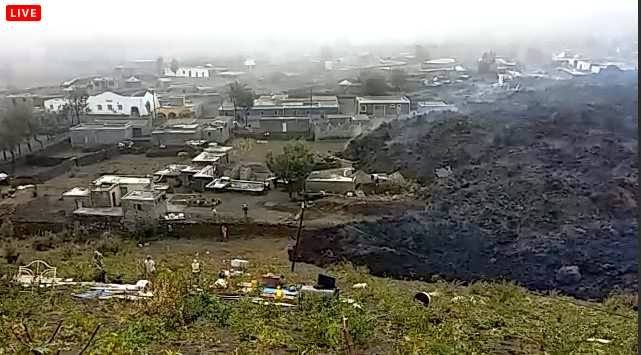
In 2001 Pedro Pires became president. In 2014 a volcano erupted causing 1000 people to spend the night outside their homes due to the strong earthquakes caused by the eruption. The eruption destroyed the housing stock of the village of Portela in the Chã das Caldeiras.
(Destruction caused by the volcano)
Today marks the 42nd anniversary of Cape Verde’s independence and we would like to say happy independence day Cape Verde.
Videos of Cape Verde Independence