Crate Diggers: 1975
Showing posts with label 1975. Show all posts

Tuesday, August 29, 2017

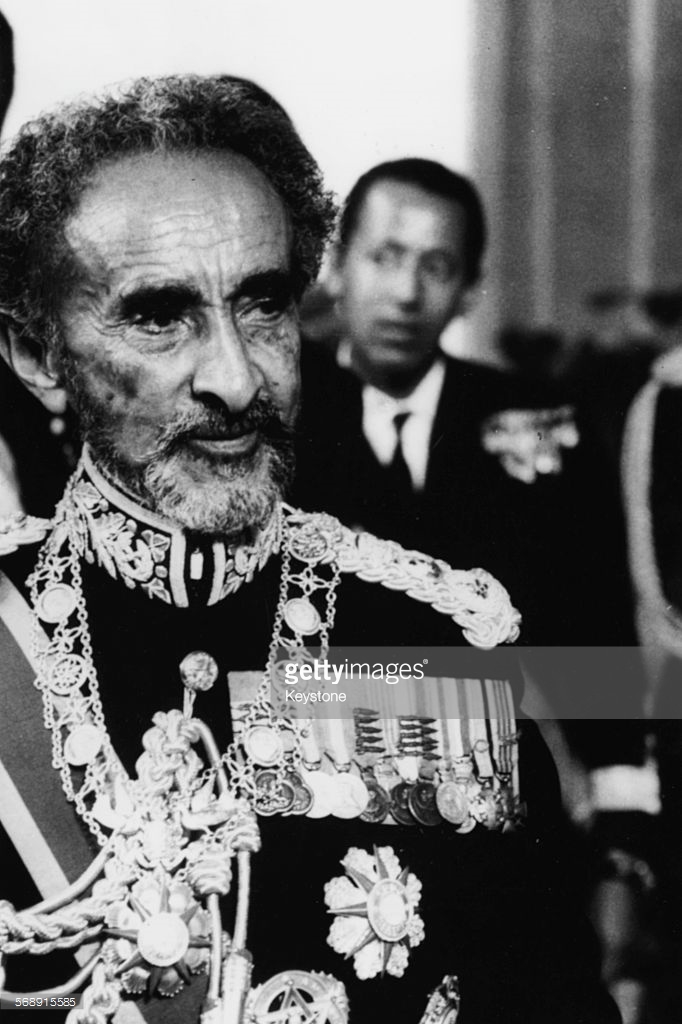
Anniversary of Emperor Haile Selassie's Death

“Outside the kingdom of the Lord there is no nation which is greater than any other. God and history will remember your judgment” - Emperor Haile Selassie
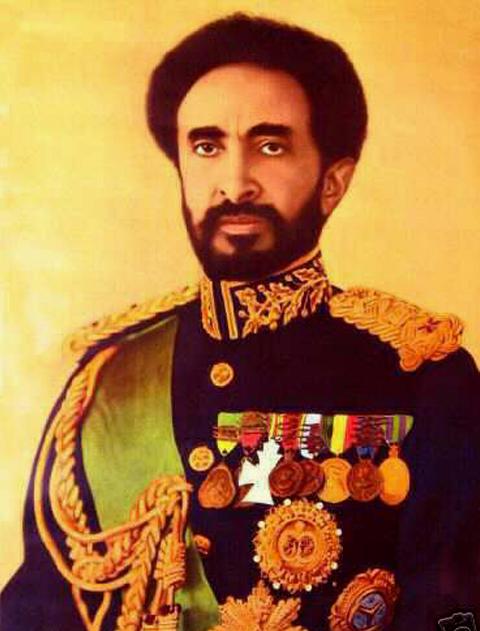
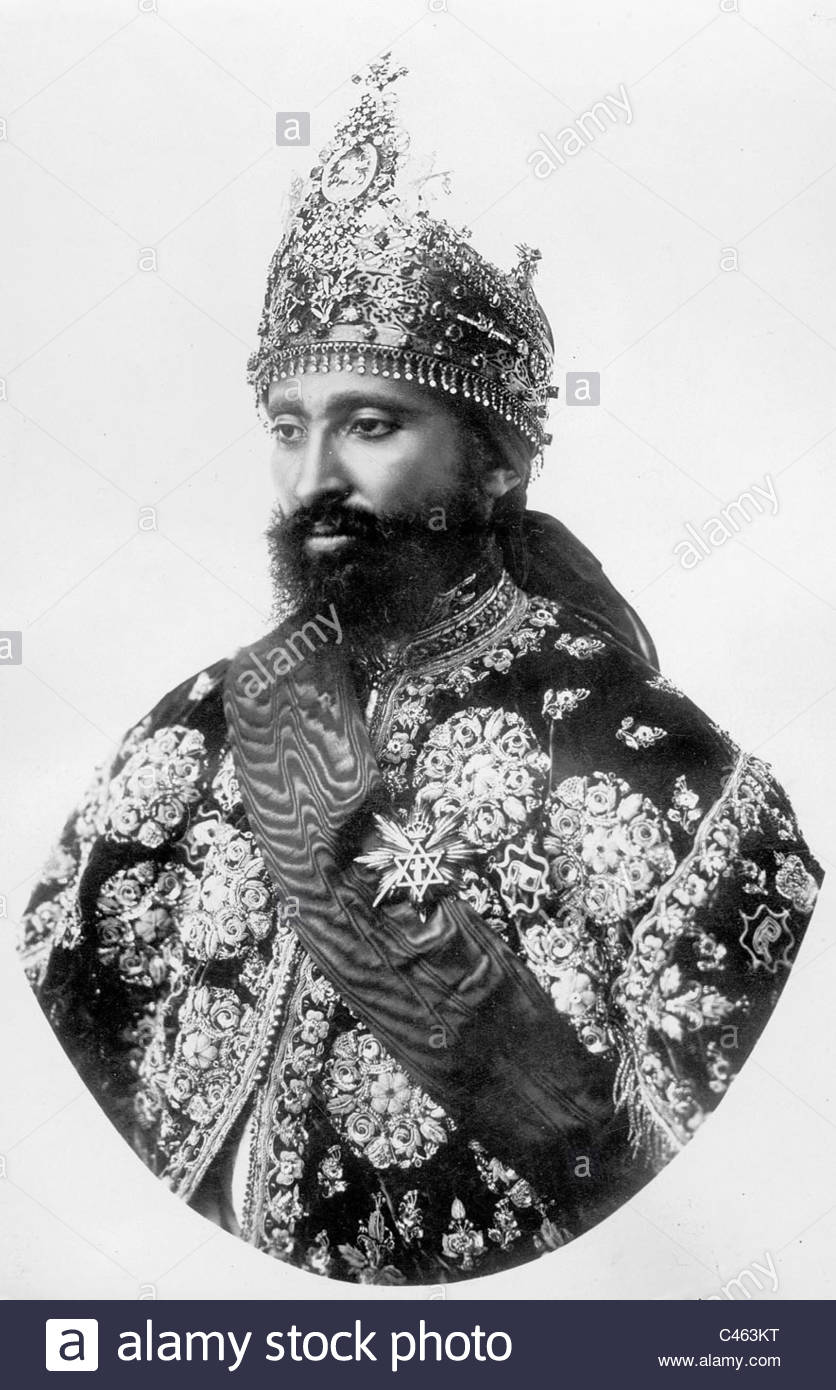
(Emperor Haile Selassie)
Emperor Haile Selassie was born as Tafari Makonnen Woldemikael on July 23rd, 1892 in Ejersa Goro, Ethiopia. In 1906 his father died. In 1907 he was appointed governor over part of the province of Sidamo.
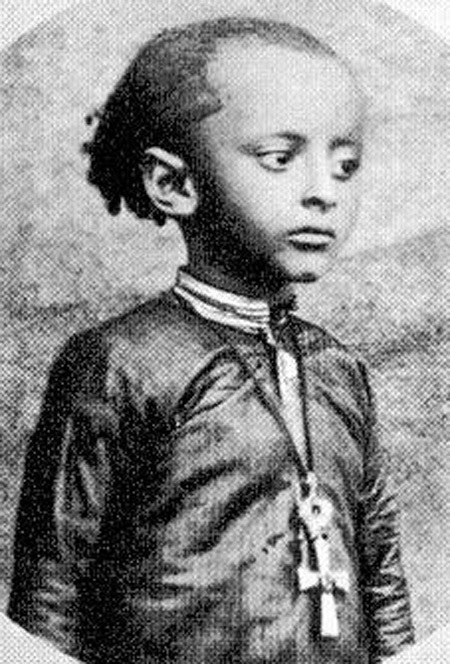
(Woldemikael as a child)
In 1916 he was appointed to the position of Balemulu Silt'an Enderase. In 1918 Woldemikael came down with the flu during a flu epidemic but survived. In 1924 he was given the title Ras. Also in 1924 Tafari toured Europe and the Middle East. During this time To guard against economic imperialism, Tafari required that all enterprises in Ethiopia have at least partial local ownership. Throughout his travels he and his entourage were greeted with enthusiasm and fascination. His entourage also included a pride of lions which some were given as gifts to world leaders.
(Woldemikael in 1924)
In 1928 he was promoted to the title of Negus. Also in 1928 Woldemikael was challenged when Dejazmatch Balcha Safo went to Addis Ababa with a sizeable armed force. Woldemikael then bought off Safo’s army and arranged to have him displaced. In 1930 he changed his name to “Haile Selassie”.
(Selassie in 1930)
Also in 1930 he was promoted to the title of emperor. Selassie then defeated a force that tried to take over Addis Ababa. In 1931 he introduced Ethiopia's 1st written constitution. In 1934 Italy tried to invade Ethiopia. In 1935 Selassie set up a headquarters so he could help lead the defense of his country from the Italians. The Italians would employ chemical weapons extensively throughout the conflict, even targeting Red Cross field hospitals in violation of the Geneva Conventions.
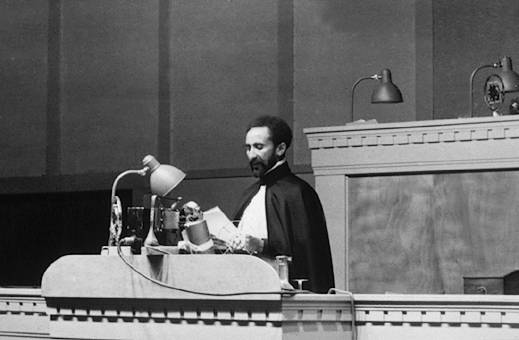
(Selassie in 1935)
In 1936 he launched a counteroffensive against the Italians. His army was defeated and retreated in disarray. Selassie and his family had to be exiled Jerusalem. Italy then declared Ethiopia an Italian provence. Selassie’s speech to the League of Nations about Italy’s war crimes made the emperor an icon for anti fascists around the world. The League agreed to only partial and ineffective sanctions on Italy. Selassie spent his exile in England. In 1937 Selassie was involved in a traffic accident, leaving him with a fractured knee.
(Selassie in 1937)
In 1941 with the help of South African and British troops, Selassie returned to Ethiopia to take it from Italian control. Selassie then took back control of the country. In 1942 Selassie abolished the legal basis of slavery throughout the empire.
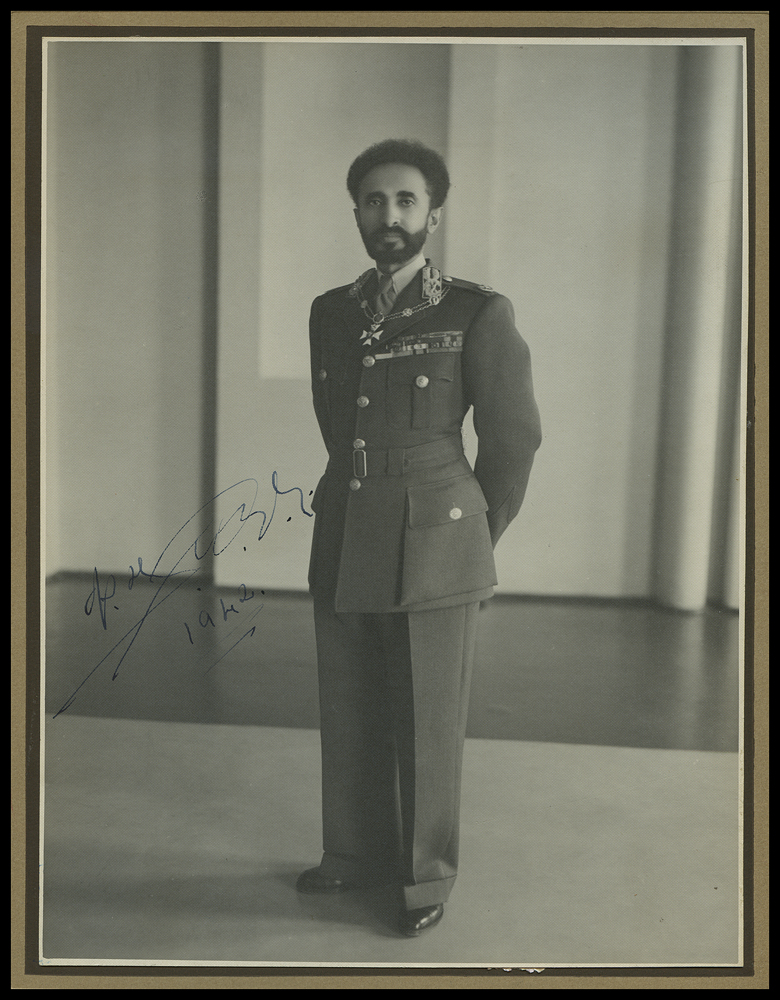
(Selassie in 1942)
In 1947 he sent aid to the British government when Britain was affected by heavy flooding. In 1951 he reduced the flat tax of Ethiopia. In 1954 the emperor spoke of Ethiopian participation in the Korean War as a redemption of the principles of collective security. In 1955 Selassie introduced a revised constitution.
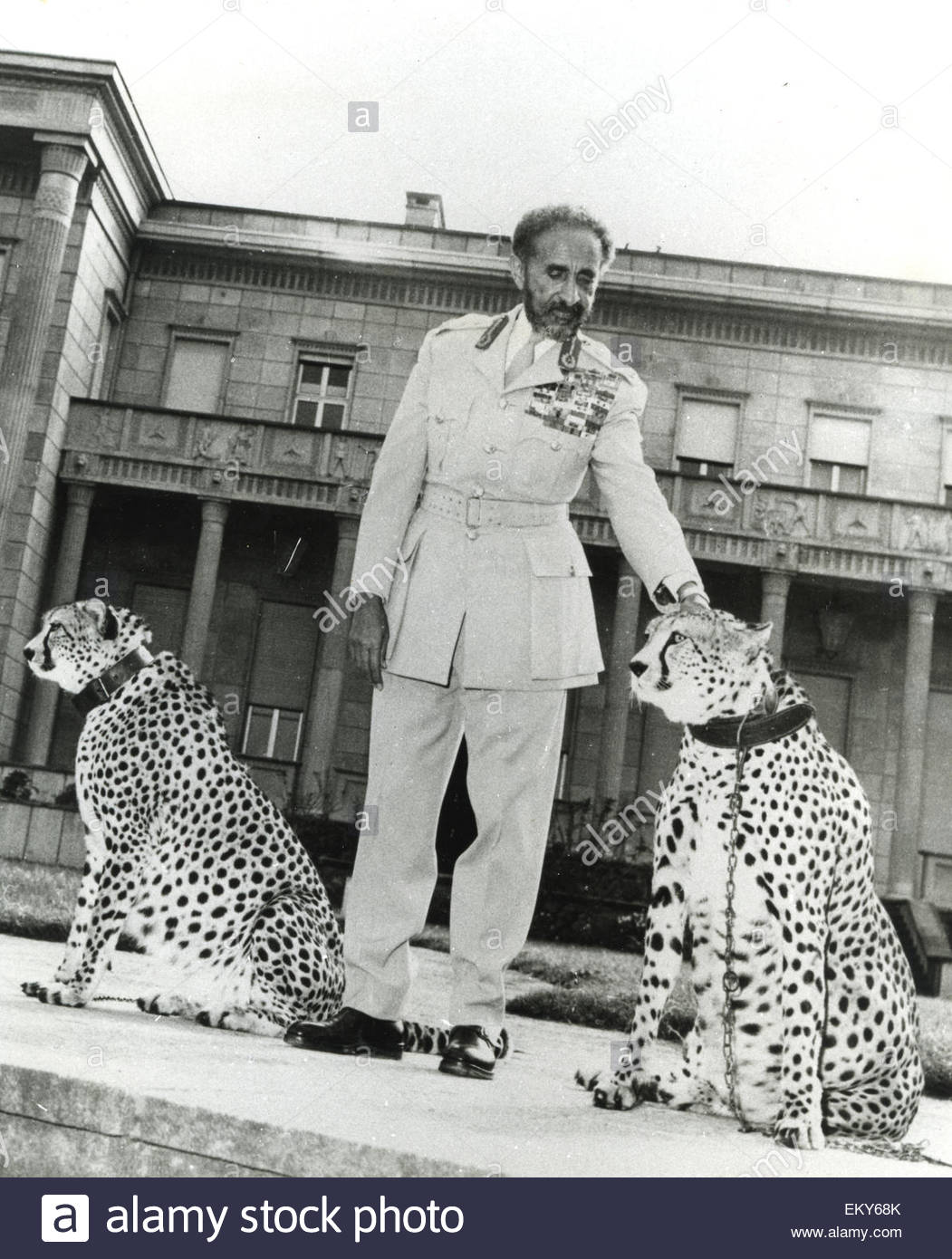
(Selassie in 1955)
In 1960 Selassie contributed Ethiopian troops to the United Nations Operation in the Congo peacekeeping force during the Congo crisis. Also in 1960 there was an unsuccessful coup to try to dispose Selassie. The coup spurred Selassie to accelerate reform. In 1962 Selassie declared Eritrea the fourteenth province of Ethiopia. Eritrea then started a war for their independence.
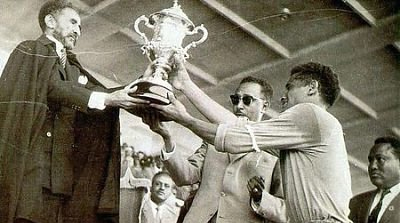
(Selassie in 1962)
In 1963 Selassie presided over the formation of the Organisation of African Unity (OAU). Selassie was elected as the OAU's first official chairperson. Also in 1963 Selassie attended President Kennedy’s funeral. In 1964 Selassie would initiate the concept of the United States of Africa, a proposition later taken up by Muammar Gaddafi.
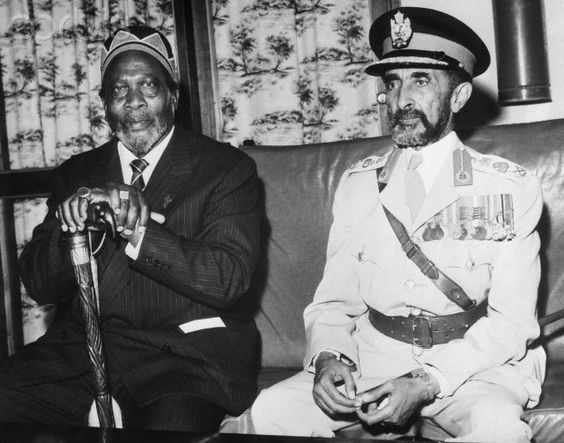
(Selassie (Right) with Jomo Kenyatta (Left))
In 1966 Selassie attempted to create a modern, progressive tax that included registration of land, which would significantly weaken the nobility. This law led to a revolt in Gojjam. In 1967 he visited Montreal, Canada to open the Ethiopian Pavilion at the Expo '67 World's Fair. In 1970 he visited Italy.
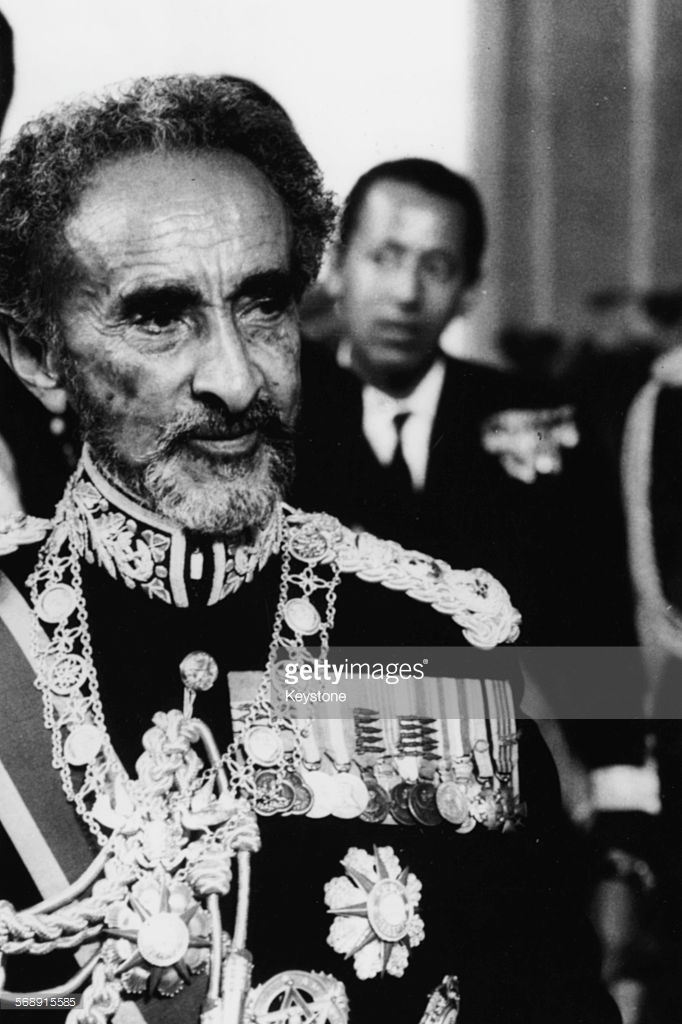
(Selassie in 1970)
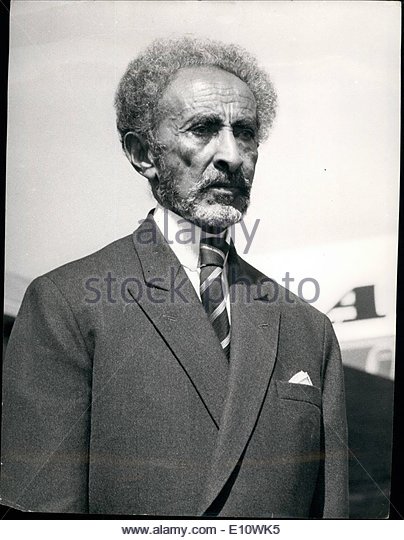
In 1971 he visited China and met Chairman Mao. In 1972 famine killed 40,000 Ethiopians. Reports show that Selassie was unaware of the extent of the famine. In 1973 there was an oil crisis in Ethiopia. In 1974 4 days of serious riots in Addis Ababa against a sudden economic inflation left five dead. Selassie was then deposed from power and imprisoned.
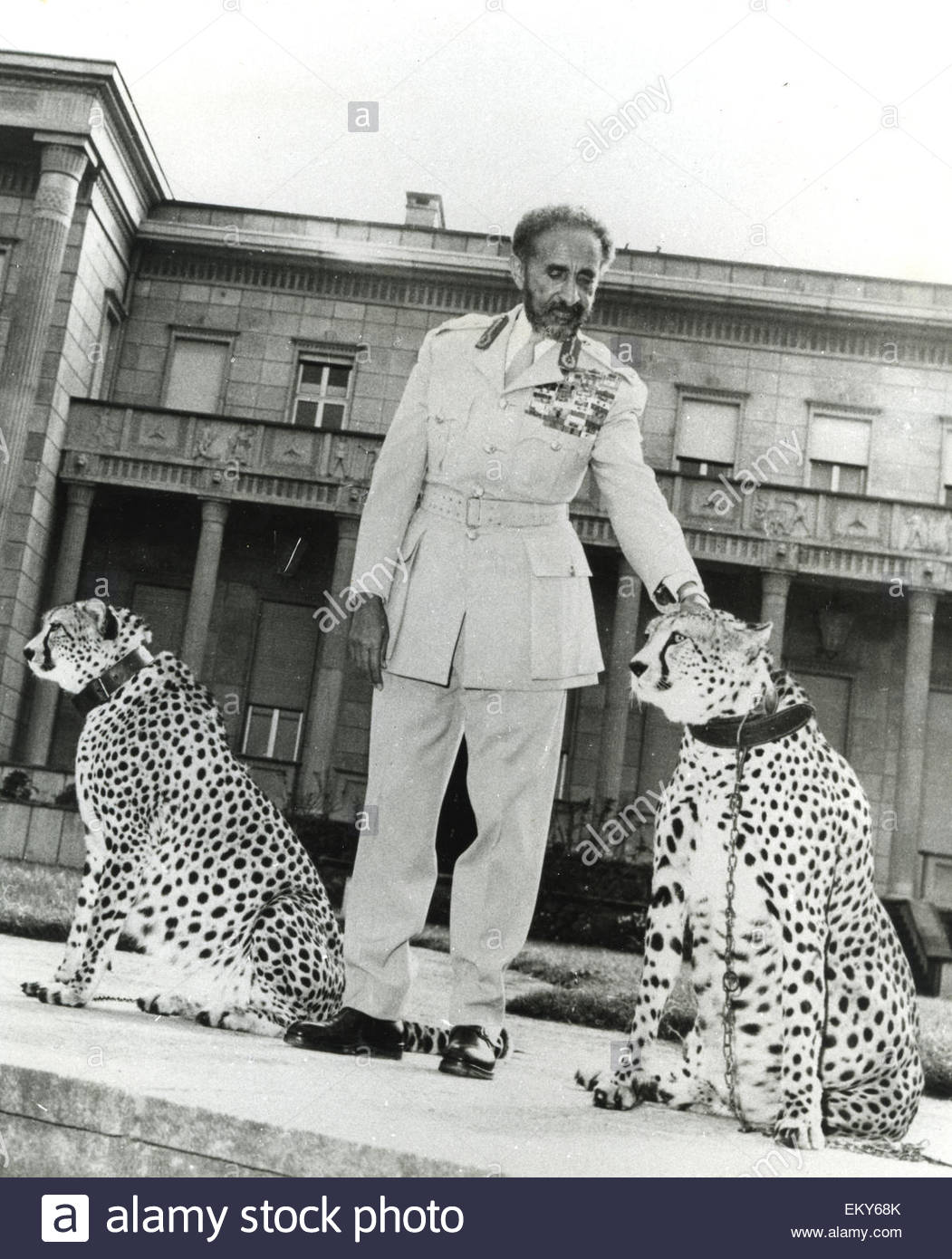
(Selassie in 1974)
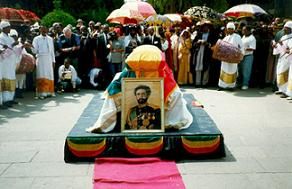
On August 27th, 1975 Emperor Haile Selassie died of respiratory failure in Addis Ababa, Ethiopia. He was 83 years old.
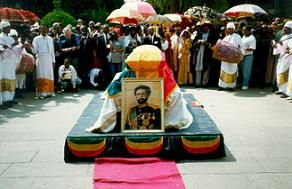
(Selassie’s funeral)
Today is the 42nd anniversary of his death. Take time to remember this great emperor today.

Videos of Emperor Haile Selassie
https://www.youtube.com/watch?v=oyX2kXeFUlo  “Stock Footage - 1936 NEWS: EMPEROR HAILE SELASSIE OF ETHIOPIA ADDRESSES LEAGUE OF NATIONS”
Wednesday, July 26, 2017

Happy Birthday Emperor Haile Selassie

“Outside the kingdom of the Lord there is no nation which is greater than any other. God and history will remember your judgment” - Emperor Haile Selassie
(Emperor Haile Selassie)
Emperor Haile Selassie was born as Tafari Makonnen Woldemikael on July 23rd, 1892 in Ejersa Goro, Ethiopia. In 1906 his father died. In 1907 he was appointed governor over part of the province of Sidamo.
(Woldemikael as a child)
In 1916 he was appointed to the position of Balemulu Silt'an Enderase. In 1918 Woldemikael came down with the flu during a flu epidemic but survived. In 1924 he was given the title Ras. Also in 1924 Tafari toured Europe and the Middle East. During this time To guard against economic imperialism, Tafari required that all enterprises in Ethiopia have at least partial local ownership. Throughout his travels he and his entourage were greeted with enthusiasm and fascination. His entourage also included a pride of lions which some were given as gifts to world leaders.
(Woldemikael in 1924)
In 1928 he was promoted to the title of Negus. Also in 1928 Woldemikael was challenged when Dejazmatch Balcha Safo went to Addis Ababa with a sizeable armed force. Woldemikael then bought off Safo’s army and arranged to have him displaced. In 1930 he changed his name to “Haile Selassie”.
(Selassie in 1930)
Also in 1930 he was promoted to the title of emperor. Selassie then defeated a force that tried to take over Addis Ababa. In 1931 he introduced Ethiopia's 1st written constitution. In 1934 Italy tried to invade Ethiopia. In 1935 Selassie set up a headquarters so he could help lead the defense of his country from the Italians. The Italians would employ chemical weapons extensively throughout the conflict, even targeting Red Cross field hospitals in violation of the Geneva Conventions.
(Selassie in 1935)
In 1936 he launched a counteroffensive against the Italians. His army was defeated and retreated in disarray. Selassie and his family had to be exiled Jerusalem. Italy then declared Ethiopia an Italian provence. Selassie’s speech to the League of Nations about Italy’s war crimes made the emperor an icon for anti fascists around the world. The League agreed to only partial and ineffective sanctions on Italy. Selassie spent his exile in England. In 1937 Selassie was involved in a traffic accident, leaving him with a fractured knee.
(Selassie in 1937)
In 1941 with the help of South African and British troops, Selassie returned to Ethiopia to take it from Italian control. Selassie then took back control of the country. In 1942 Selassie abolished the legal basis of slavery throughout the empire.
(Selassie in 1942)
In 1947 he sent aid to the British government when Britain was affected by heavy flooding. In 1951 he reduced the flat tax of Ethiopia. In 1954 the emperor spoke of Ethiopian participation in the Korean War as a redemption of the principles of collective security. In 1955 Selassie introduced a revised constitution.
(Selassie in 1955)
In 1960 Selassie contributed Ethiopian troops to the United Nations Operation in the Congo peacekeeping force during the Congo crisis. Also in 1960 there was an unsuccessful coup to try to dispose Selassie. The coup spurred Selassie to accelerate reform. In 1962 Selassie declared Eritrea the fourteenth province of Ethiopia. Eritrea then started a war for their independence.
(Selassie in 1962)
In 1963 Selassie presided over the formation of the Organisation of African Unity (OAU). Selassie was elected as the OAU's first official chairperson. Also in 1963 Selassie attended President Kennedy’s funeral. In 1964 Selassie would initiate the concept of the United States of Africa, a proposition later taken up by Muammar Gaddafi.
(Selassie (Right) with Jomo Kenyatta (Left))
In 1966 Selassie attempted to create a modern, progressive tax that included registration of land, which would significantly weaken the nobility. This law led to a revolt in Gojjam. In 1967 he visited Montreal, Canada to open the Ethiopian Pavilion at the Expo '67 World's Fair. In 1970 he visited Italy.
(Selassie in 1970)
In 1971 he visited China and met Chairman Mao. In 1972 famine killed 40,000 Ethiopians. Reports show that Selassie was unaware of the extent of the famine. In 1973 there was an oil crisis in Ethiopia. In 1974 4 days of serious riots in Addis Ababa against a sudden economic inflation left five dead. Selassie was then deposed from power and imprisoned.
(Selassie in 1974)
On August 27th, 1975 Emperor Haile Selassie died of respiratory failure in Addis Ababa, Ethiopia. He was 83 years old.
(Selassie’s funeral)
Today is his 125th birthday and we would all like to say happy birthday and rest in peace Emperor Haile Selassie.

Videos of Emperor Haile Selassie

Sunday, July 16, 2017

Happy Independence Day Sao Tome and Principe

“You cannot prevent the birds of sorrow from flying over your head, but you can prevent them from building nests in your hair” - Sao Tomean Proverb
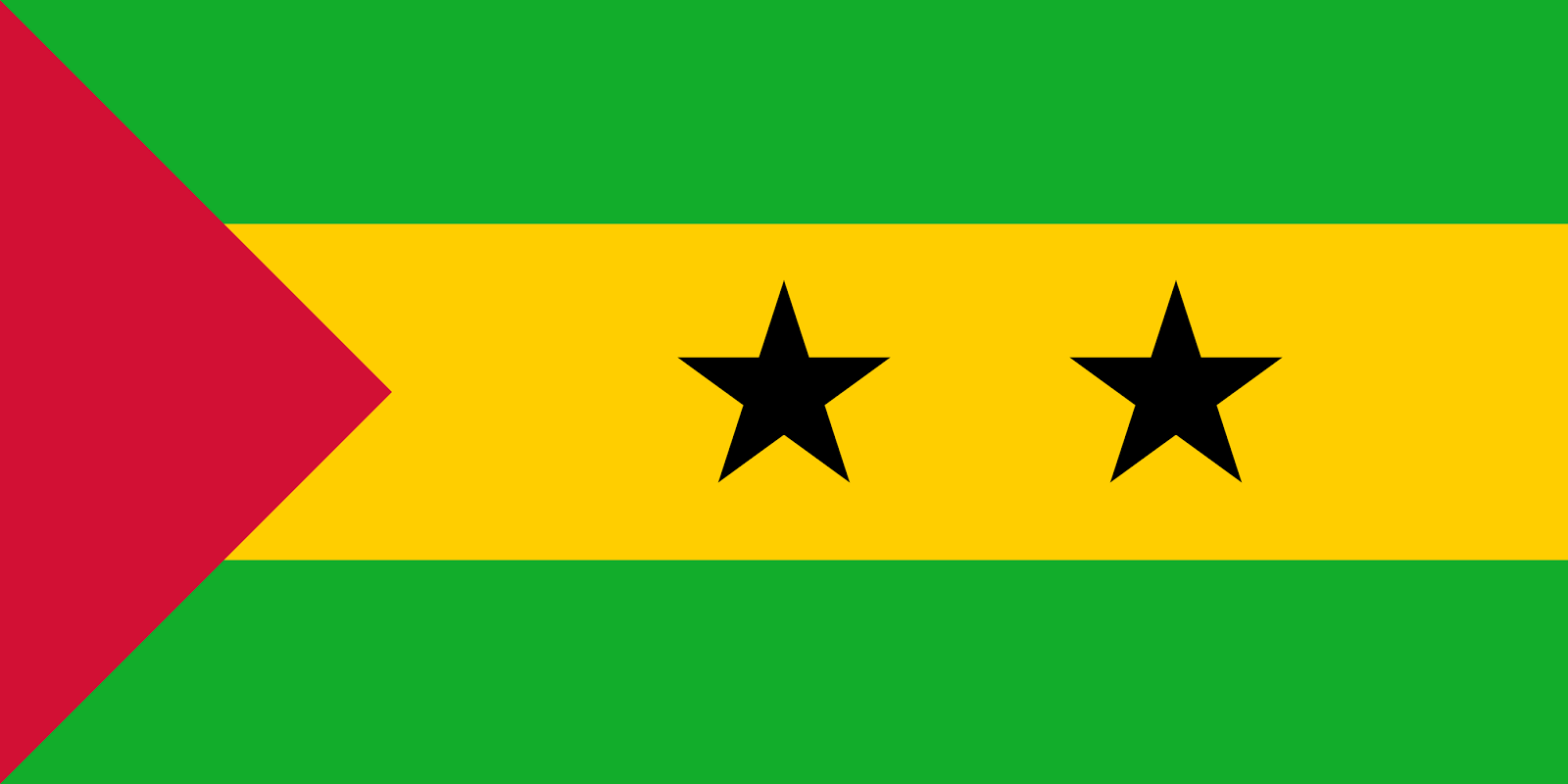
(Sao Tome and Principe flag (1975-Present))
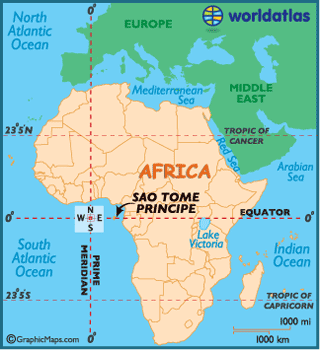
Sao Tome and Principe are a group of 2 islands off the west coast of Africa.
(Map of where Sao Tome and Principe is located)
Its capital is Sao Tome. Sao Tome is also its largest city. The official language is Portuguese. The country is 372 square miles. Sao Tome and Principe is 90% African, 7% European and 3% Asian. 82.1% of Sao Tome and Principe practice Christianity, 8.95% practice Islam and 8.95% are atheist. The total population is 190,428. The climate is tropical. Sao Tome and Principe is a unitary semi presidential republic.
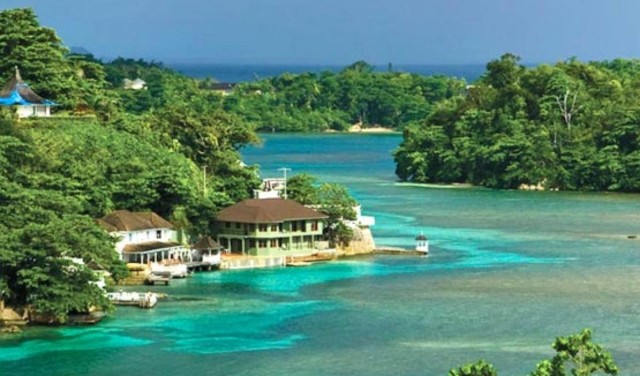
(Sao Tome)
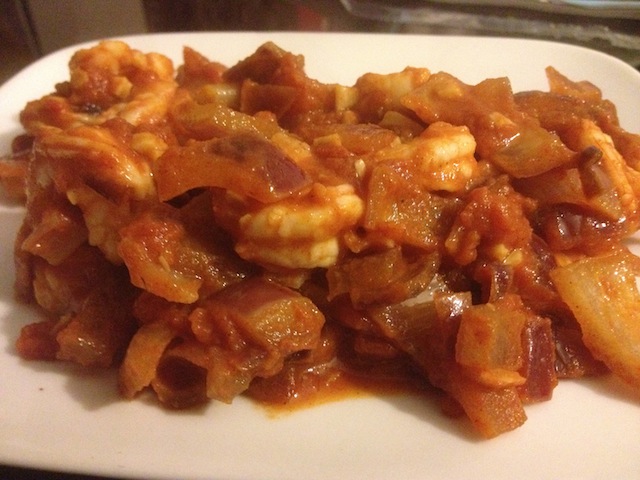
Sao Tome and Principe cuisine consists of fish, seafood, beans, maize and cooked banana.
(Sao Tome and Principe cuisine)
Sao Tome and Principe music consist of ússua and socopé rhythms with the dêxa beat.
(Sao Tomean musicians)
Sao Tome and Principe’s most popular sport is soccer.
(Sao Tome and Principe soccer game)
The islands were 1st uninhabited. In 1470 the Portuguese came to the islands.
(Portuguese forts in Sao Tome)
In the mid 16th century due to the Portuguese import of Africans as slaves Sao Tome and Principe became Africa's foremost exporter of sugar.
(A painting of slavery in Sao Tome and Principe)
The large slave population proved difficult to control, with Portugal unable to invest many resources in the effort. In the mid 17th century the country was primarily a transit point for ships engaged in the slave trade between the West and continental Africa. In 1876 slavery was abolished. Portuguese plantation managers abused their African farm workers and they were still forced to work with no pay. In 1908 Sao Tome had become the world's largest producer of cocoa. In 1953 several hundred African laborers were killed in a clash with their Portuguese rulers. It was called the "Batepá Massacre".
(The portuguese that participated in the “Batepa Massacre”)
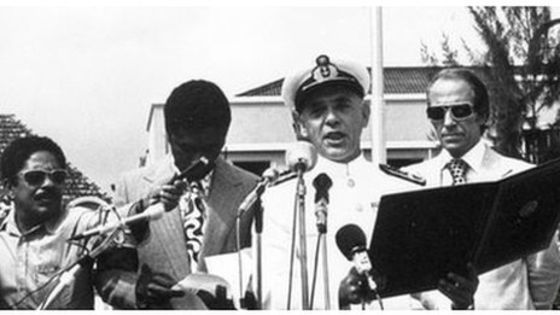
In the late 1950’s a small group of São Toméans had formed the Movement for the Liberation of São Tomé and Príncipe (MLSTP). In 1974 the representatives from Portugal met with the MLSTP in Algiers and worked out an agreement for the transfer of sovereignty.
(The meeting between the MLSTP and reps. From Portugal)
On July 12th, 1975 Sao Tome and Principe gained its independence.
(Sao Tome and Principe’s flag (1975-Present))
Secretary General Manuel Pinto da Costa became the 1st president.
(Manuel Pinto da Costa)
In 1990 Sao Tome became one of the first African countries to undergo democratic reform. In 1996 Miguel Trovoada became president.
(Miguel Trovoada)
In 2001 Fradique de Menezes became president. In 2009 there was an attempted coup d'état to overthrow President Fradique de Menezes.
(Fradique de Menezes)
In 2011 São Tomé and Príncipe was ranked the 174th safest investment destination in the world. Today marks the 42nd anniversary of Sao Tome and Principe’s independence and we would like to say happy independence day Sao Tome and Principe.

Videos of Sao Tome and Principe Independence

Wednesday, July 12, 2017

Happy Independence Day Comoros

“If you steal while you carry your son on your back, you teach him to steal” - Comorian Proverb
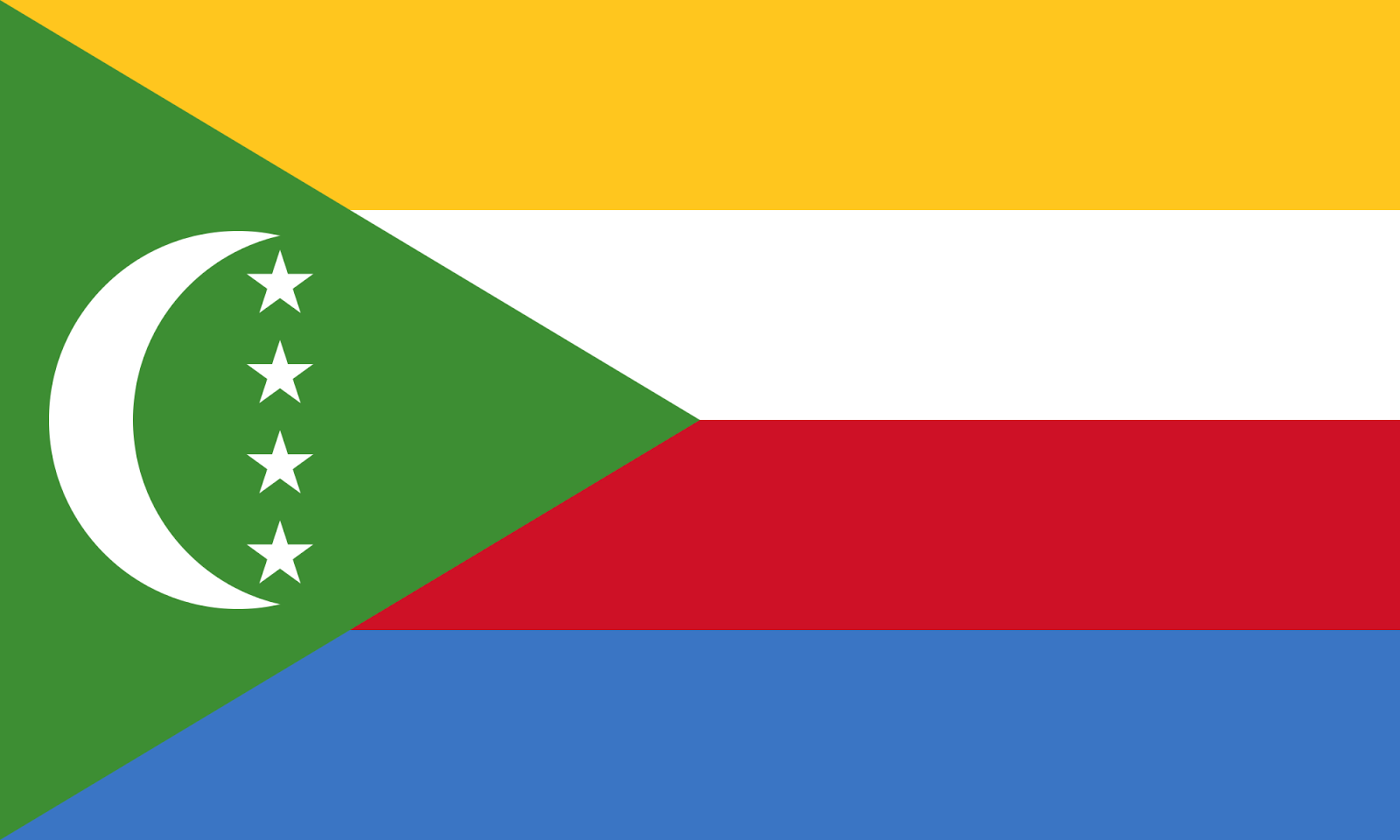
(Comoros flag (1993-Present))
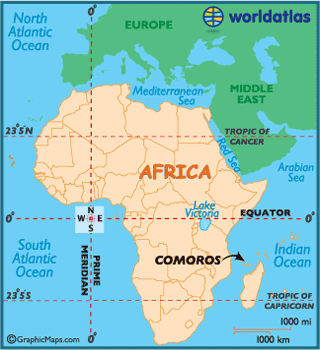
Comoros is a group of 3 islands off the west coast of Africa.
(Map of where Comoros is located)
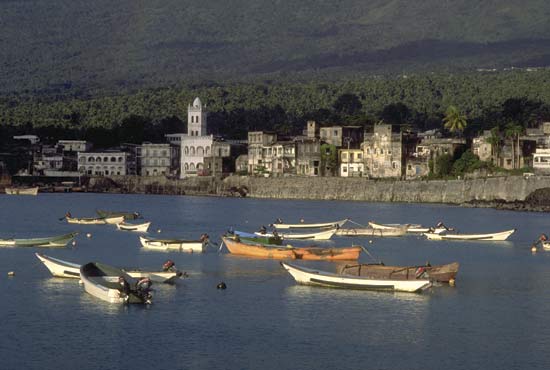
Its capital is Moroni. Moroni is also its largest city. The official languages are Comorian, Arabic and French. The country is 727 square miles. Comoros is 90% African, 4% Asian and 1% European. 98% of Comoros practice Islam and 2% practice Christianity. The total population is 798,000. The climate is tropical. Comoros is a federal presidential republic.
(Moroni, capital of Comoros)
Comoros cuisine consists of fish, stews, rice and meat.
(Comoros cuisine)
The major style of music is twarab.
(Comorian woman performing twarab music)
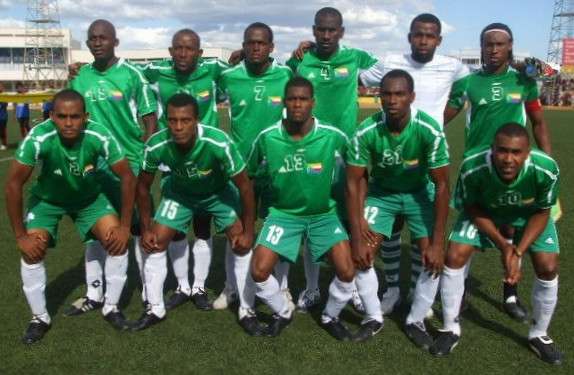
Comoros’ most popular sport is soccer.
(Comoros’ soccer team)
Comoros was 1st inhabited in the 6th century AD. In 632 Islam 1st came to the islands. From the 11th to the 15th centuries, trade with the island of Madagascar and merchants from the Middle East flourished. In 1503 the Portuguese came to the islands. In 1793 Malagasy warriors from Madagascar came to the islands. In 1841 the French colonized the islands. In 1865 40% of the population consisted of slaves.
(A painting of slavery in Comoros)
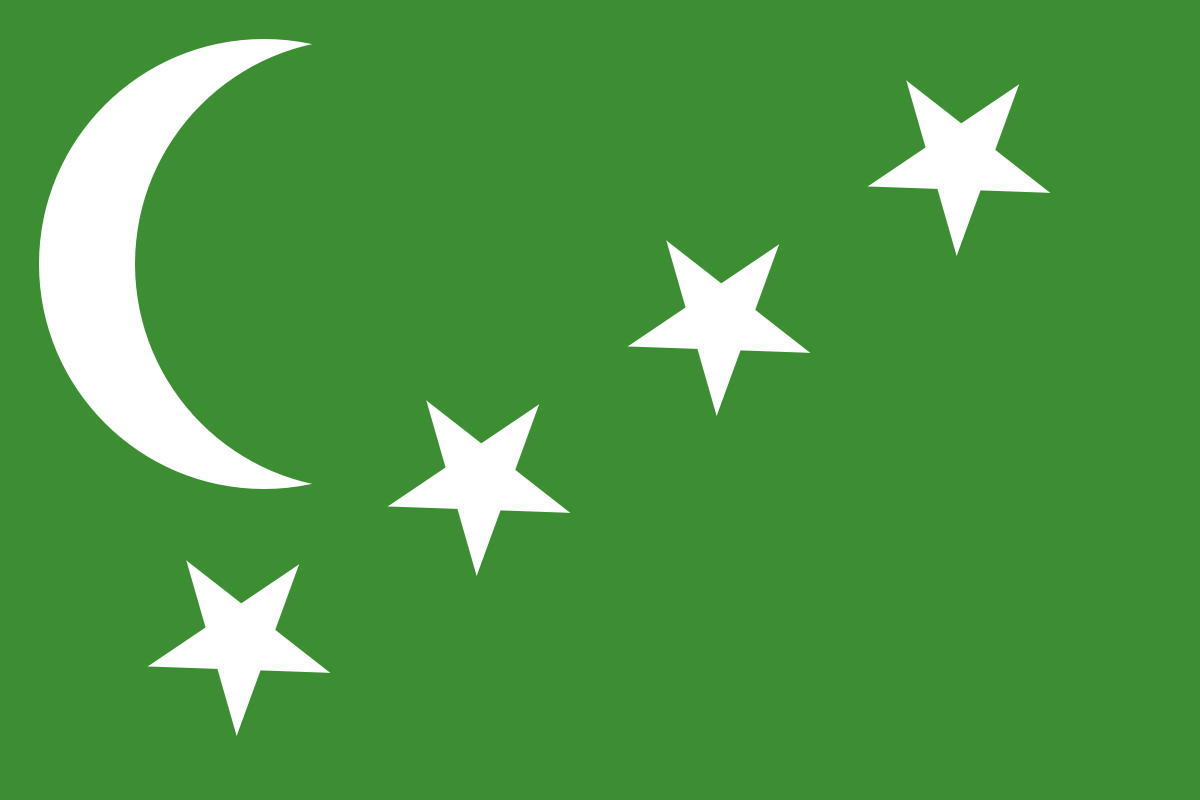
In 1908 the islands were unified under a single administration. In 1912 the colony and the protectorates were abolished and the islands became a province of the colony of Madagascar. In 1973 referendums were held on all four of the islands. Three voted for independence by large margins, while Mayotte voted against, and remains under French administration. On July 6th, 1975 Comoros gained its independence.
(Comoros flag (1975-1976))
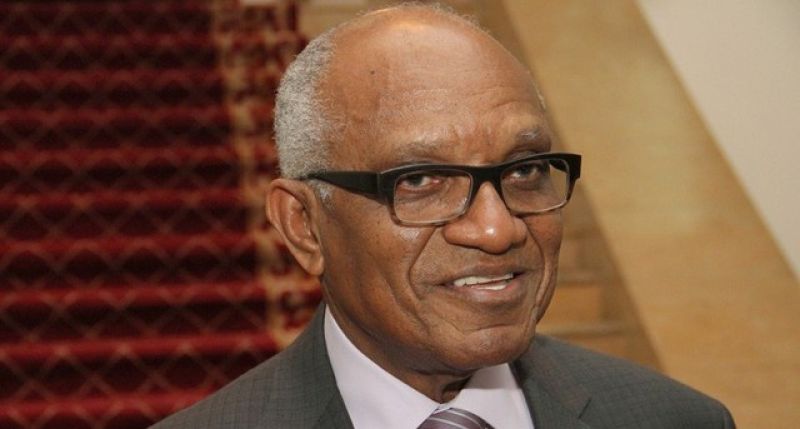
Ahmed Abdallah became the 1st president. Prince Said Mohamed Jaffar removed Abdallah the same year. In 1976 Jaffar was ousted in favor of his Minister of Defense Ali Soilih. In 1978 Bob Denard came to overthrow President Soilih and reinstate Abdallah with the support of the French, Rhodesian and South African governments.
(Ahmed Abdallah)
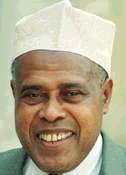
Soilih was then killed. In 1989 Abdallah was shot dead in his office. Said Mohamed Djohar then became president. In 1995 Mohamed Taki Abdoulkarim became president.
(Mohamed Taki Abdoulkarim)
The islands of Anjouan and Mohéli declared their independence from the Comoros in 1997. In 1998 Tadjidine Ben Said Massounde became president. In 1999 Colonel Azali Assoumani, Army Chief of Staff, seized power in a bloodless coup.
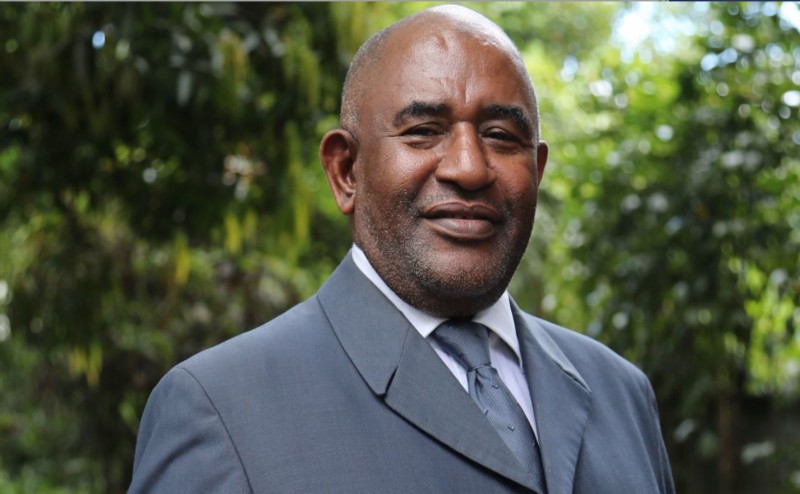
(Azali Assoumani)
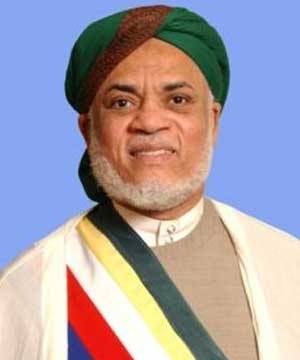
In 2006 Ahmed Abdallah Mohamed Sambi became president. In 2008 hundreds of soldiers from the African Union and the Comoros seized rebel held Anjouan. In 2010 Ikililou Dhoinine became president.
(Ikililou Dhoinine)
Today marks the 42nd anniversary of Comoros’ independence and we would like to say happy independence day Comoros.

Videos of Comoros Independence