Crate Diggers: 1956
Showing posts with label 1956. Show all posts

Saturday, April 8, 2017

Happy Independence Day Morocco

“A book is like a garden in the pocket” - Moroccan Proverb
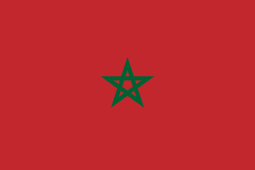
Image result for moroccan flag(Moroccan flag (1915-Present))
Morocco is located in northern Africa.
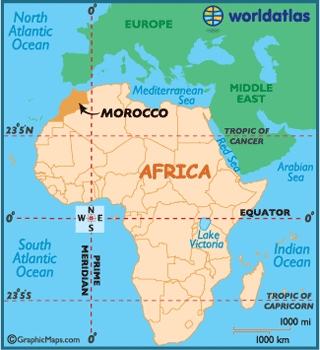
Image result for moroccan msp(Map of where Morocco is located)
Its capital is Rabat. Its largest city in Casablanca. The official language is Arabic. The country is 274,460 square miles. Morocco is 99.1% Asian and 0.8% African. 98.9% of the population practice Islam, 0.9% practice Christianity, and 0.2% practice Judaism. The total population is 33,848,242. The climate is mediterranean. Morocco is a unitary parliamentary constitutional monarchy.
Image result for morocco rabat(Rabat, Morocco’s capital)
Moroccan cuisine consists of Couscous, Pastilla, Tajine, Tanjia and Harira.
Image result for moroccan cuisine(Moroccan cuisine)
The major style of music in Morocco is called chaabi.
Image result for moroccan music(Moroccans playing Chaabi music)
Morocco’s most popular sport is soccer.
Image result for moroccan soccer(Morocco’s soccer team)
Morocco was inhabited in 190,000 BC.
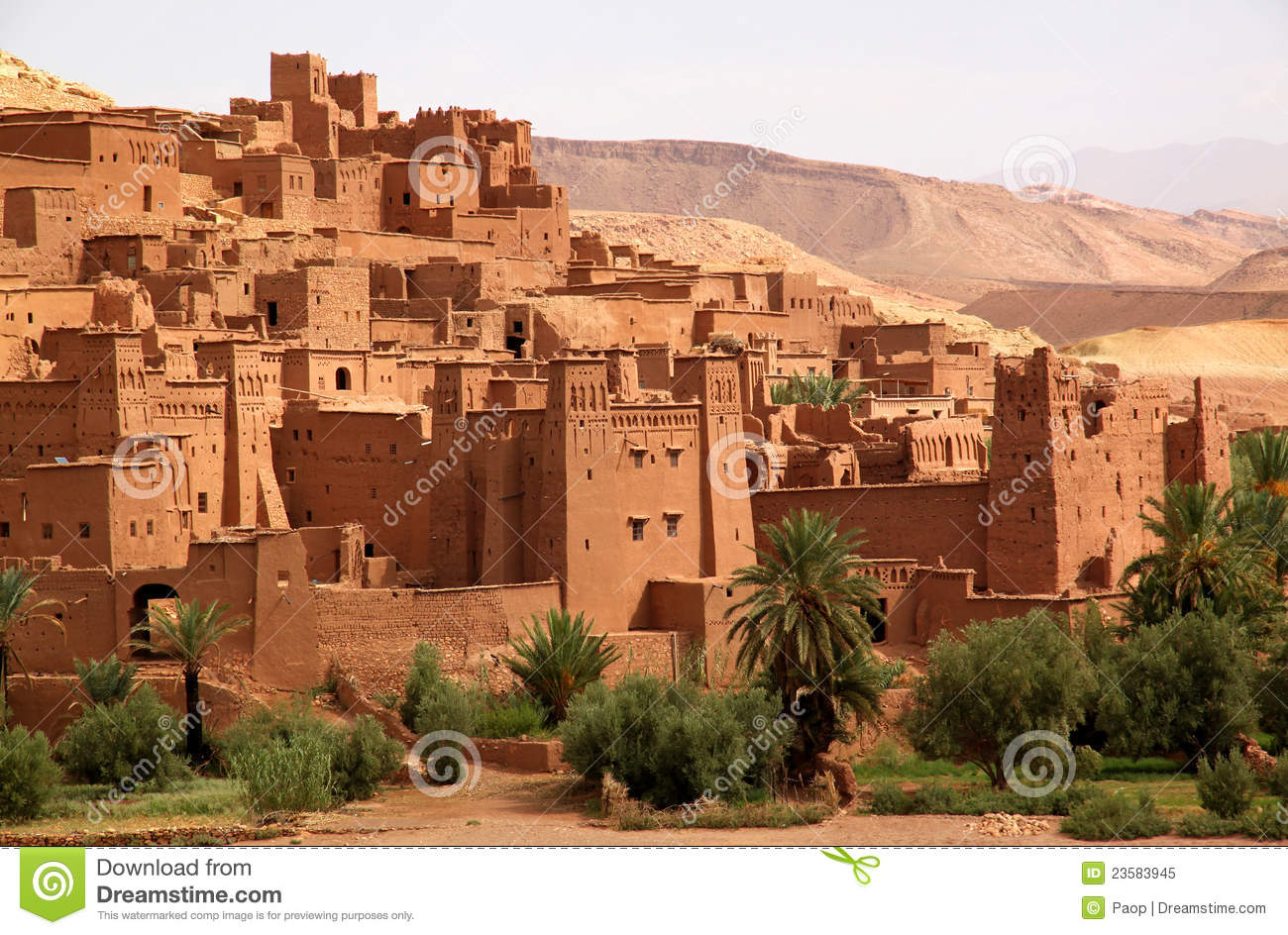
Image result for moroccan ancient(Ancient Moroccan structures)
The Phoenicians settled in the area in the 6th century BC. In 225 BC the Berber Kingdom of Mauretania was formed. In 33 BC the Roman empire took over the area. In 44 AD the area was annexed as a province by the Roman Empire.
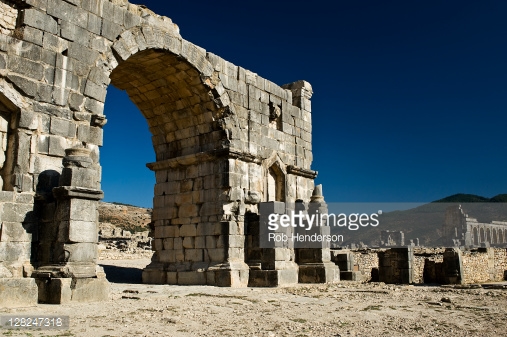
Image result for morocco roman empire(Roman structures in Morocco)
In the 3rd century the Berbers took control of the land. In the 7th century Islam was brought to the region. In 710 the Kingdom of Nekor was founded.
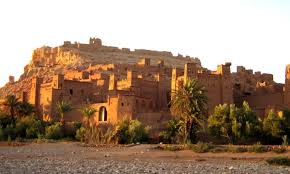
Image result for Kingdom of Nekor(Kingdom of Nekor structures)
In 739 the Berber revolution began. In 788 the Idrisid dynasty was founded. In 927 the Idrissids were ousted from the area. In the 11th century the Almoravid dynasty arose.
Image result for Almoravid dynasty(People of the Almoravid dynasty)
In the 13th century Arabs migrated into the area. Also in the 13th century the Merinids held power in Morocco. In the 15th century the Portuguese controlled the Moroccan coast.
Image result for portuguese in morocco(The Portuguese invading Morocco)
In 1520 there was a famine in Morocco. In 1549 the Saadi dynasty ruled the area. In 1578 the Saadi dynasty repelled a Portuguese invasion. In 1591 they attacked and defeated the Songhay empire. In 1666 the Alaouite dynasty took control. In 1689 they drove off a Spanish invasion. In 1777 Morocco became the 1st nation to recognize the U.S. as an independent nation and protected U.S. merchant ships who would fall under attack by pirates. In 1786 the Moroccan-American Treaty of Friendship was signed.
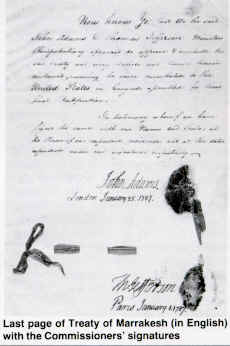
Image result for 1786 morocco(The Moroccan-American Treaty of Friendship)
In 1884 Spain took control of the Moroccan coast. In 1912 Morocco was declared a colony of France.
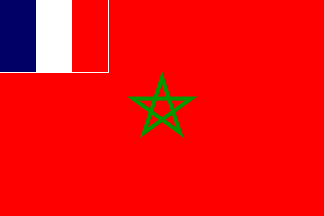
Image result for 1912 morocco flag(Moroccan French flag (1912-1956))
This triggered the Fez riots. Spain continued to control the coasts. Moroccan soldiers fought with the French during World War I. In 1921 the Berbers uprised against the French but they were suppressed.
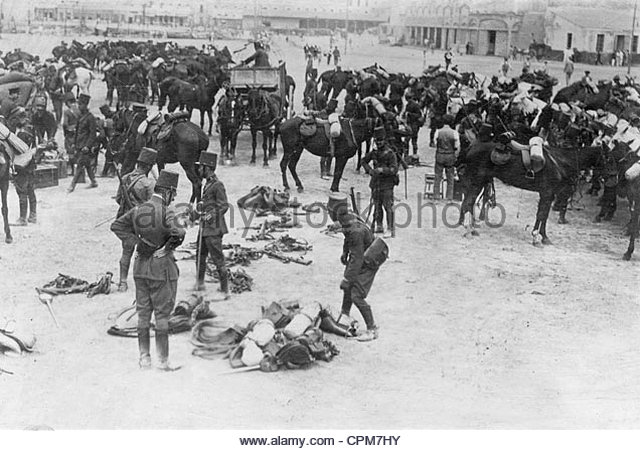
Image result for 1921 berber uprising(Berber uprising)
In 1925 slavery was abolished in Morocco. In 1943 the Istiqlal party was founded to press for independence. On March 2nd, 1956 Morocco gained its independence.
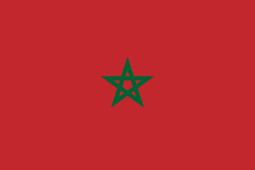
Image result for moroccan flag(Moroccan flag (1956-Present))
In 1957 Sultan Mohammed became king of Morocco. In 1961 Hassan II became king.
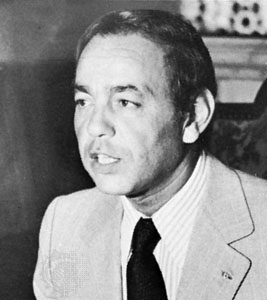
Image result for Hassan II(Hassan II)
In 1963 Morocco held its 1st elections. In 1971 there was a failed attempt to dispose the king. In 1973 a movement was made to make an independent state in the Spanish Sahara. In 1975 Moroccan forces occupied what is now known as Western Sahara.
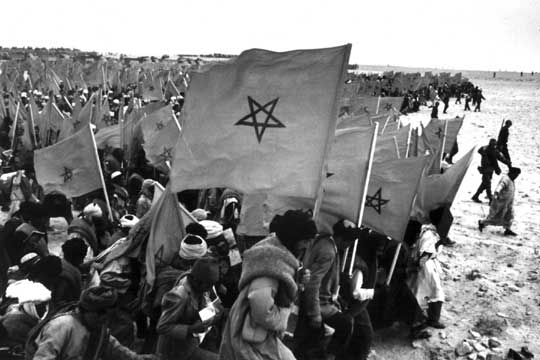
Image result for 1975 occupation of western sahara(Western Saharan occupation by Morocco)
Then began conflict between Morocco and Algeria over the land. In 1984 Morocco left the Organisation of African Unity. In 1988 Morocco restored relations with Algeria. In 1991 a ceasefire between Morocco and Algeria occurred within the Western Sahara.
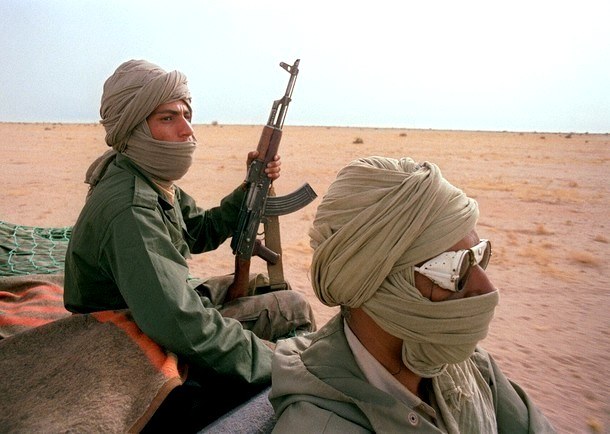
Image result for 1991 ceasefire morocco(Moroccan soldiers during the 1991 ceasefire)
In 1998 Morocco’s first opposition led government came to power. In 1999 Mohammed VI came to power.
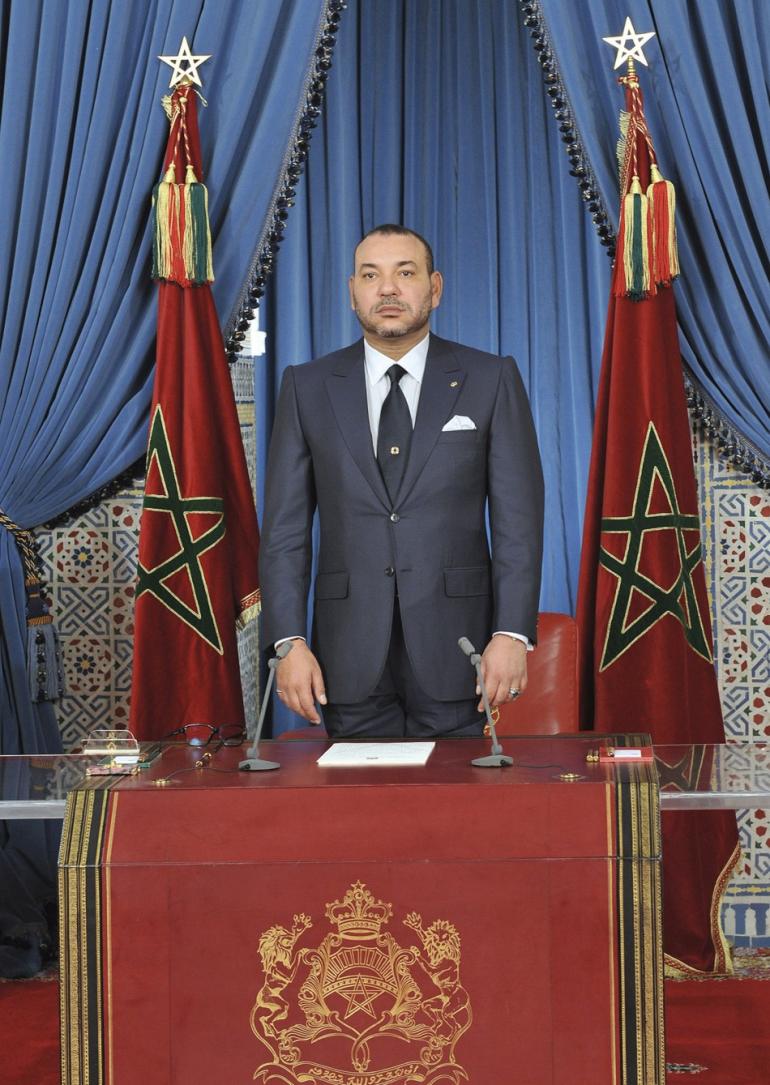
Image result for Mohammed VI(Mohammed VI)
In 2002 he visited Western Sahara. In 2005 Morocco deported hundreds of illegal immigrants.
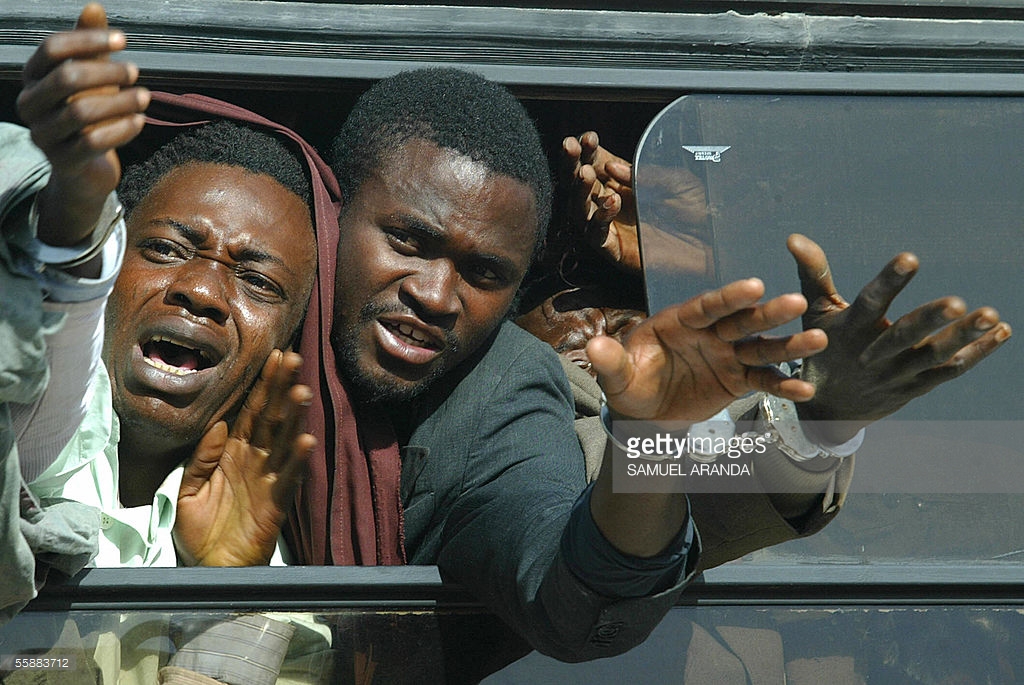
Image result for 2005 moroccan deportations(Deportations in Morocco)
In 2011 there were protests calling for political reform and a new constitution.
Image result for 2011 moroccan protests(2011 Moroccan protests)
Today Marks the 61st anniversary of Morocco’s independence and we would all like to say happy independence day Morocco.

Videos of Morocco Independence


(P.S. sorry for the late post)
Monday, March 20, 2017

Happy Independence Day Tunisia

“He who is covered with other people's clothes is naked” - Tunisian Proverb
(Tunisia flag (1956-Present))
Tunisia is located in North Africa.
(Map of where Tunisia is located)
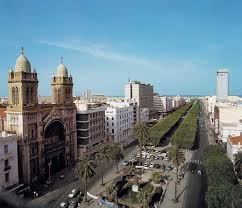
Its capital is Tunis. Tunis is also its largest city. The official language is Arabic. The country is 63,170 square miles. Tunisia is 98% Asian (Arab) and 2% African and European. 98% of Tunisia practice Islam while 2% practice Christianity, Judaism, and other religions. The total population is 10,982,754. The climate is mediterranean in the northern part of the country with mild rainy winters and hot, dry summers and the south of the country is desert. Tunisia is a Unitary semi-presidential republic.
Image result for tunisia tunis(Tunis, Tunisia’s capital)
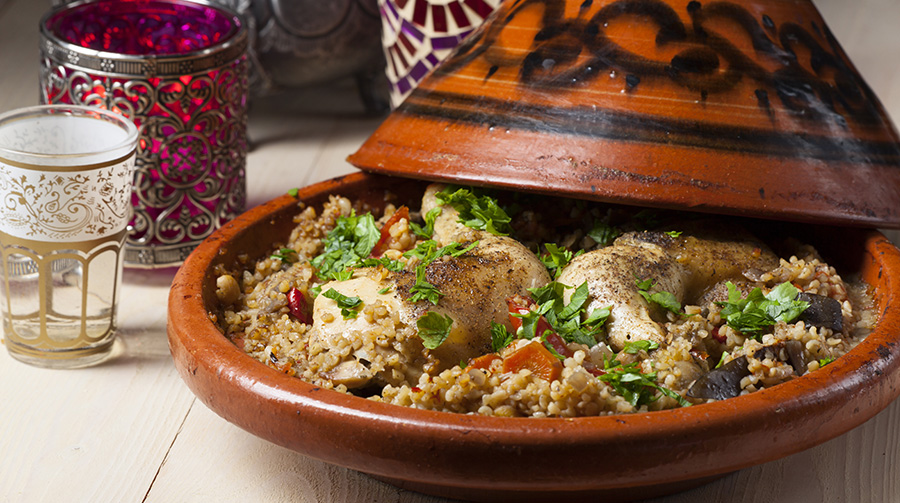
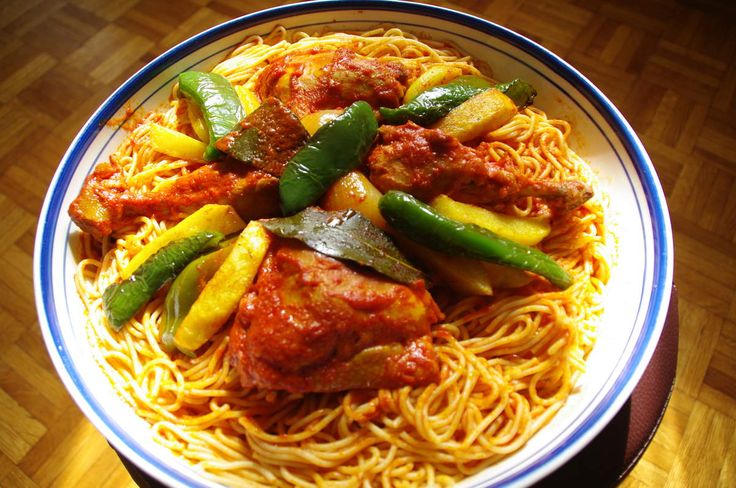
Tunisian cuisine is spicy and consists of lamb, veal, tuna, squid, lemons, oranges, parsley, cilantro, hazelnuts, almonds, garlic and onions.
(Tunisian cuisine)
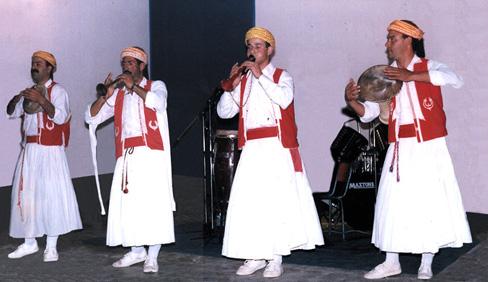
The music of Tunisia is called Rachidia.
(People from Tunisia playing Rachidia music)
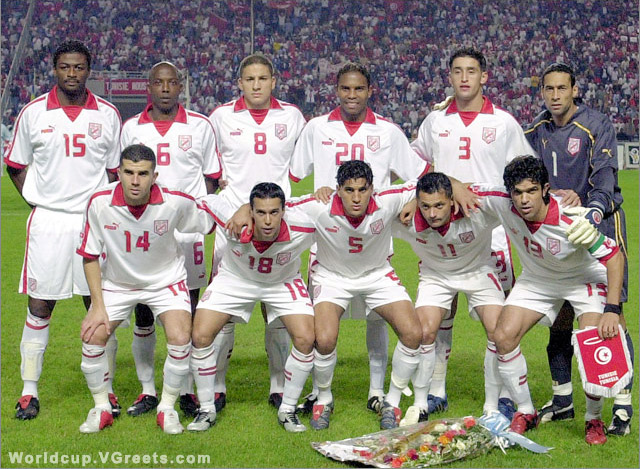
The most popular sport in Tunisia is soccer. Their national soccer team is called The Eagles of Carthage.
(Tunisia’s soccer team)
The land which is Tunisia now was first inhabited around 5000 B.C. by the Berbers.
(A Berber man)
The coast of Tunisia was settled by  Phoenicians in the 12th century B.C. The city of Carthage was founded in the 9th century B.C. by the Phoenicians.
(A painting of the Phoenicians)
In the 5th century the city of Carthage became the dominant civilization in the Western Mediterranean. The army of Carthage led by Hannibal Barca invaded Italy during the 2nd Punic War.
(A painting of Hannibal Barca)
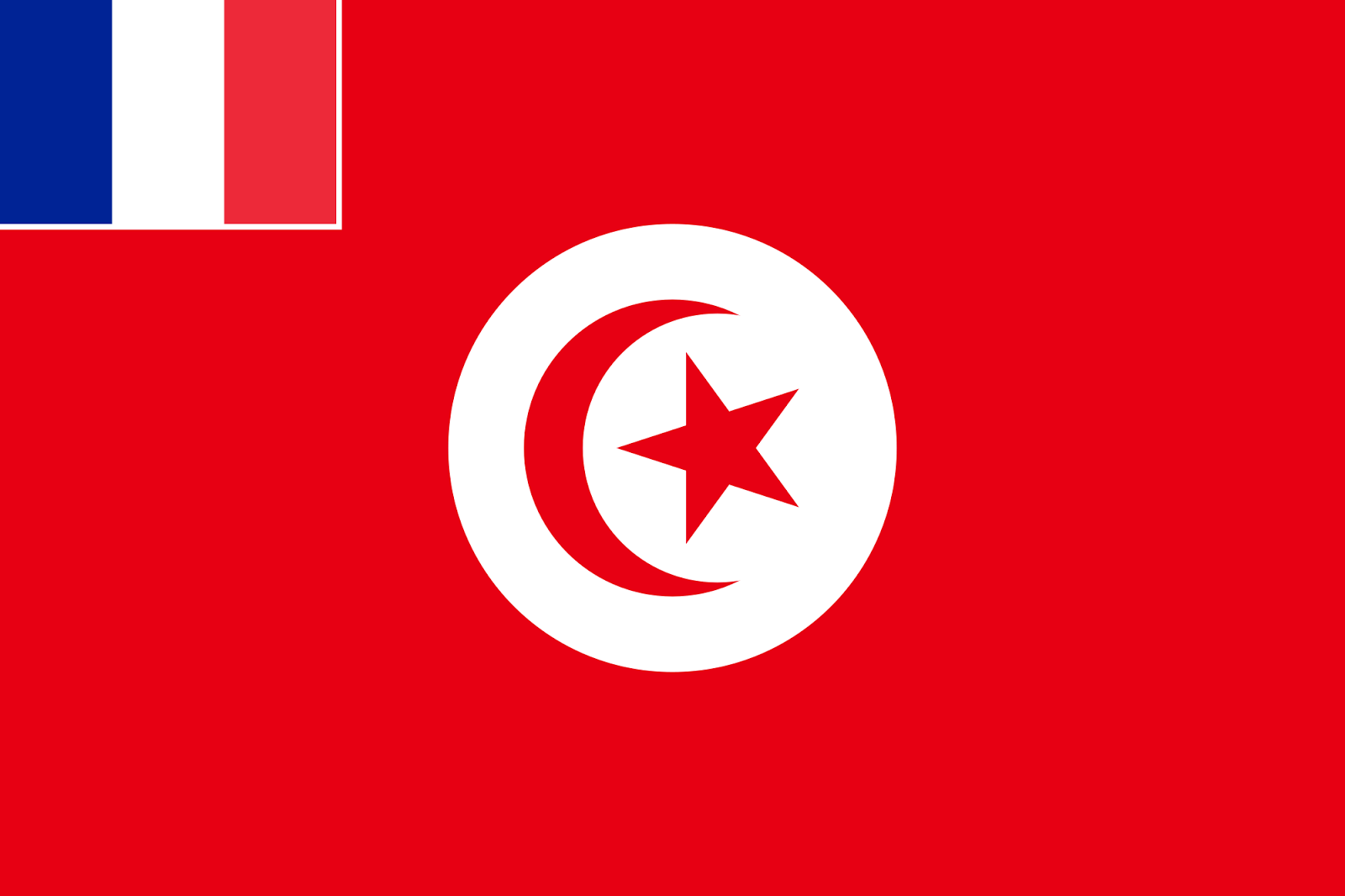
In 149 B.C. Carthage was conquered by the Roman Empire. Under Roman rule Carthage’s economy boosted. In the early 8th century Arabs conquered the land. They founded the 1st Islamic city in North Africa called Kairouan. The Aghlabid Dynasty ruled Tunisia from 800 to 909. There was prosperity in Tunisia under this rule. In 972 the Zirids took control of Tunisia. In the 12th century the Normans of Sicily took control of Tunisia. The Almohads then rules Tunisia in 1160. There was a lot of chaos during their rule of Tunisia. In the late 16th century the coast of Tunisia became a stronghold for pirates. In 1534 the Ottoman Empire took control of Tunisia. In 1869 Tunisia declared itself bankrupt. In 1881 the French took over Tunisia.
(Tunisian flag (1881-1956))
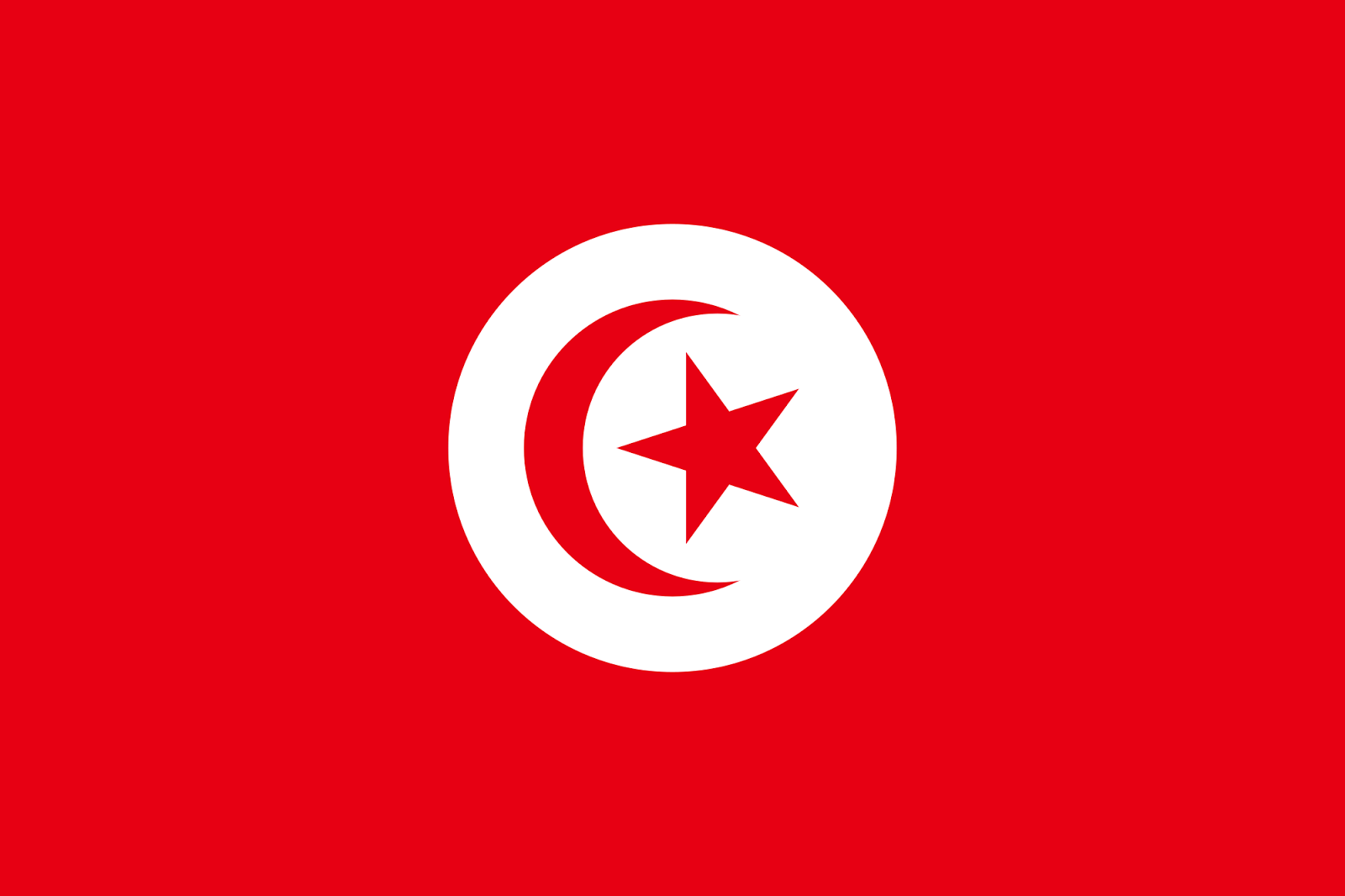
The number of French and Italians grew in Tunisia. During World War II there was multiple battles between the allies and axis forces. On March 20th 1956 Tunisia declared its independence from France.
(Tunisian flag (1956-Present))
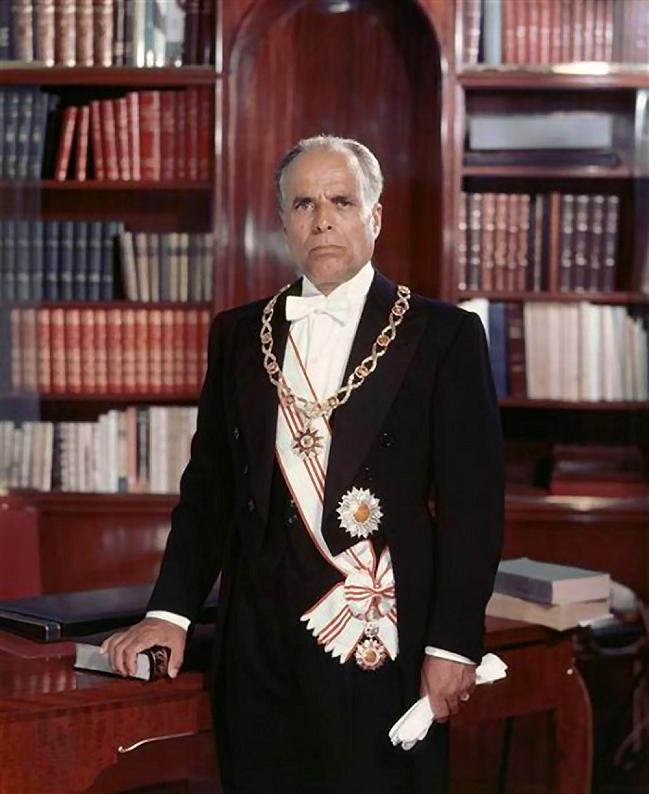
Habib Bourguiba became the 1st Tunisian president.
(Habib Bourguiba)
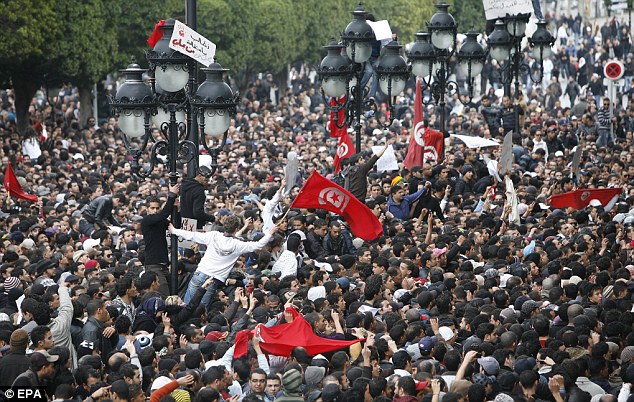
In 1987 Prime Minister Zine El Abidine Ben Ali assumed the presidency due to Bourguiba being unfit to rule. In 2008 in terms of freedom of press Tunisia was declared 143rd out of 173. In 2011 began the Tunisian Revolution. There were mass protests and demonstrations against the government.
(Protests in Tunisia)
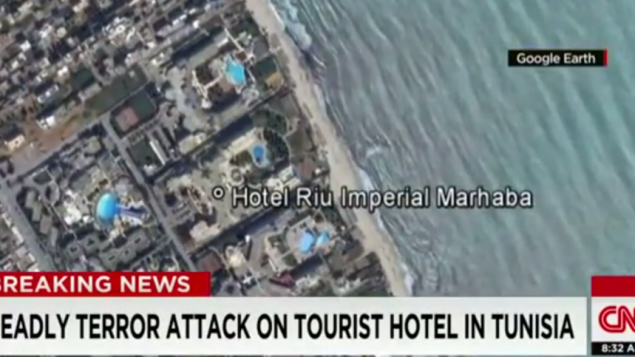
In 2015 Tunisia was hit by 2 terrorist attacks killing 60 people.
(News coverage of the attacks)
Today marks the 61st anniversary of Tunisia’s independence and we would like to say happy independence day Tunisia.

Videos of Tunisia Independence

Sunday, January 8, 2017

Happy Independence Day Sudan

“A big chair does not make a king” - Sudanese proverb
Image result for sudan flag(Flag of Sudan (1970-Present))
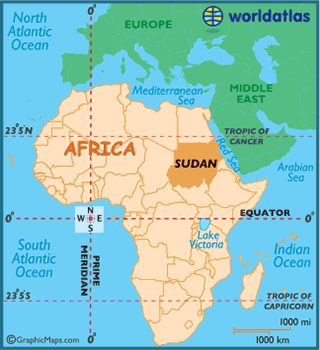
Sudan is located in north Africa.
Image result for sudan map(Map of where Sudan is located)
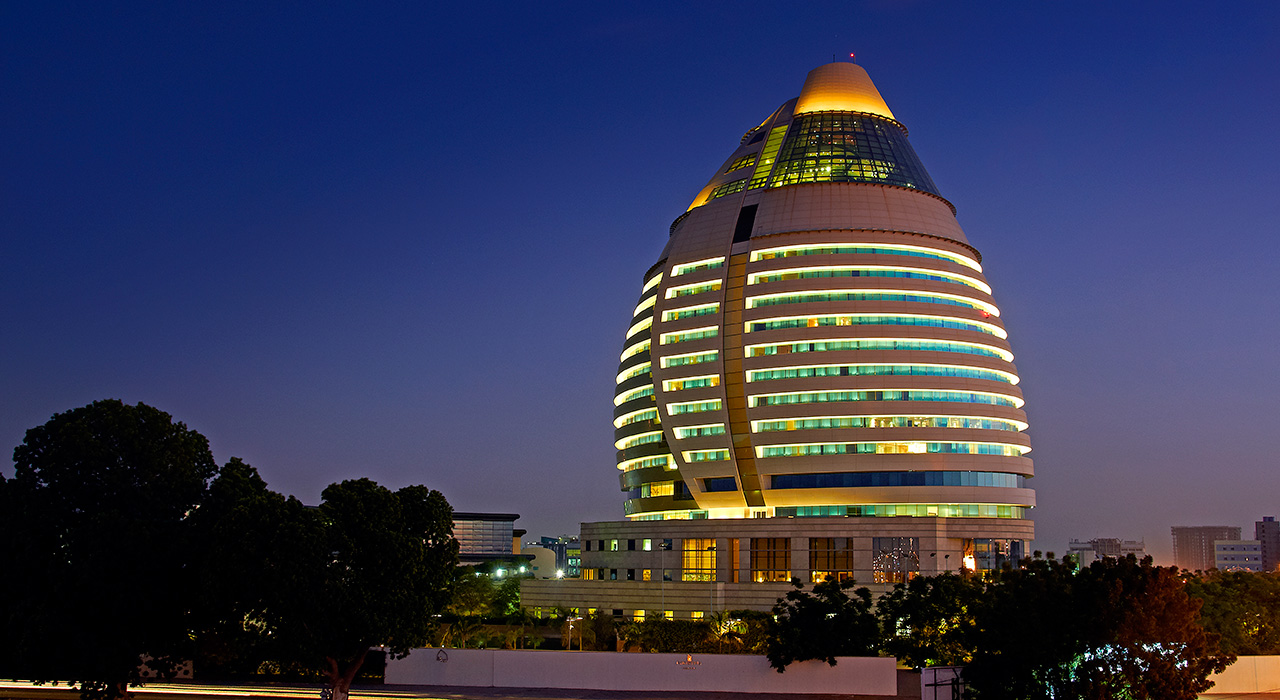
Its capital is Khartoum. Its largest city is Omdurman. The official languages are English and Arabic. The country is 728,215 square miles. Sudan is 70% Asian and 30% African. 97% of Sudan practice Islam, 1.5% practice Christianity, and 1.5% practice traditional African religions. The total population is 40,235,000. The climate is extremely dry. Sudan is a dominant party federal presidential republic.
Image result for Khartoum(Khartoum, capital of Sudan)
Sudanese cuisine consists of stews, bread, porridge and fish.
Image result for sudan cuisine(Sudanese cuisine)
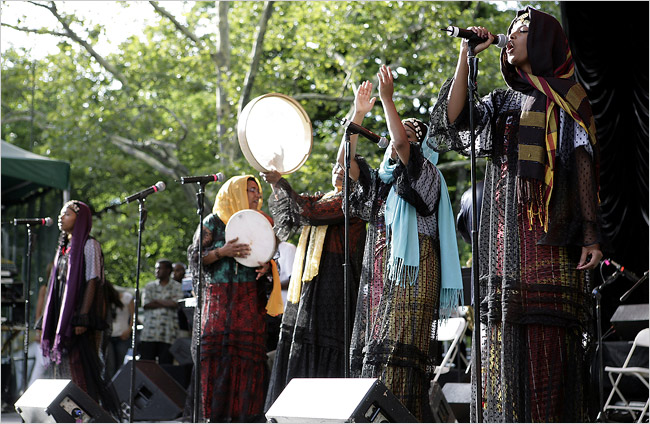
The major style of music is Aldlayib.
Image result for sudan music(Sudanese women performing Aldlayib music)
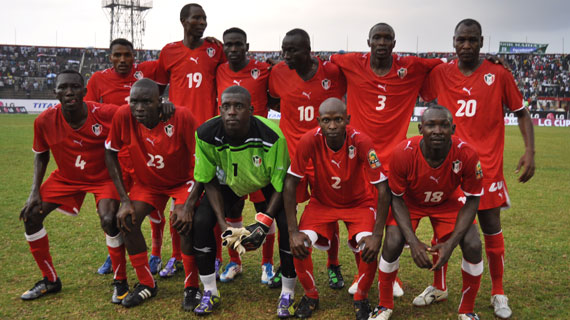
Sudan’s most popular sport is soccer.
Image result for sudan soccer(Sudan’s soccer team)
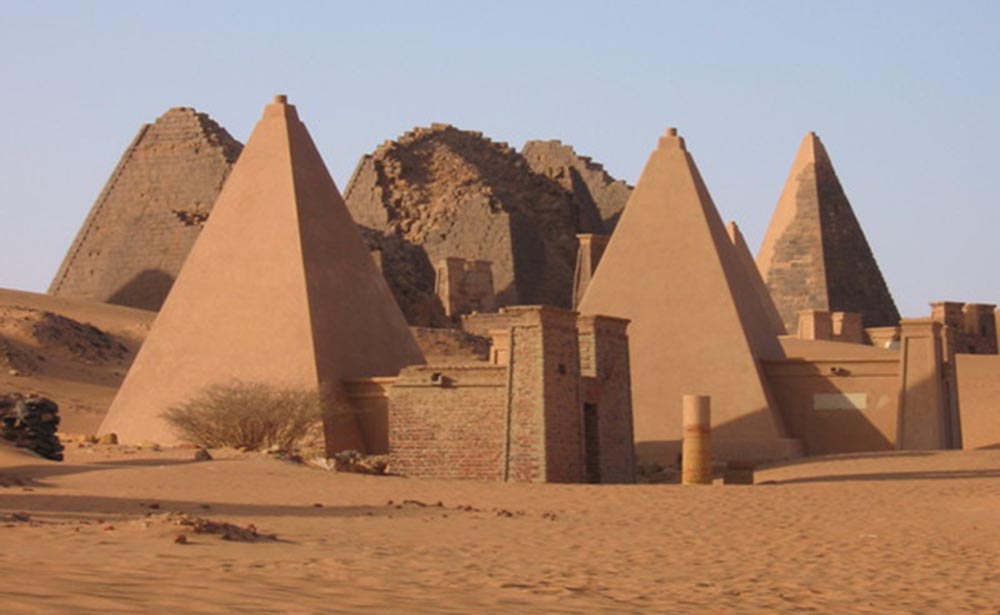
Sudan was 1st settled in the 8th millennium BC.
Image result for ancient sudan(Ancient Sudanese structures)
In 3300 BC the kingdom of Nubia was established. In 1700 BC the kingdom of Kush was formed.
Image result for ancient kush(Ancient Kush structures)
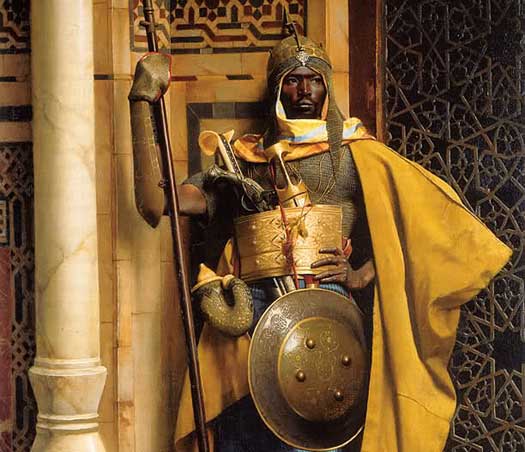
King Kashta of Kush invaded Kemet and became the 25th dynasty pharaoh. Assyrians attacked the Kushites and drove back the boundaries of their kingdom. Kush was the 1st civilization to smelt iron. In 540 AD Christianity started to be taught in the region. In 1093 Islam came to the region and a muslim prince ruled over the region. In the 16th century the Funj Empire came to the area.
Image result for Funj Empire(A painting of a Funj empire soldier)
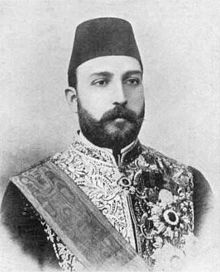
In 1820 Muhammad Ali of Egypt invaded Sudan. In the 1870’s Islamic law was imposed. In 1879 Tewfik Pasha became ruler of the region.
Image result for Tewfik Pasha(Tewfik Pasha)
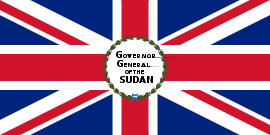
In 1882 the British colonized Sudan. In 1885 Muhammad Ahmad led an attack against the Turco-Egyptian government of the Sudan. In 1887 Sudan invaded Ethiopia. In 1889 Sudan tried to invade Egypt. In 1896 the British led military campaigns against Sudan. In 1924 the British colonized Sudan again.
Image result for sudan flag 1924(Flag of Sudan (1924-1956))
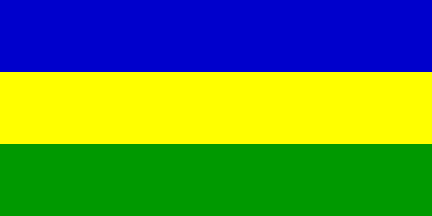
In 1925 the Sudan Defense Force was created. In 1936 Sudan signed the Anglo-Egyptian treaty. In 1942 Sudan helped the British invade Italian colonies in north Africa. On January 1st 1956 Sudan gained its independence.
Image result for sudan flag 1956(Flag of Sudan (1956-1970))
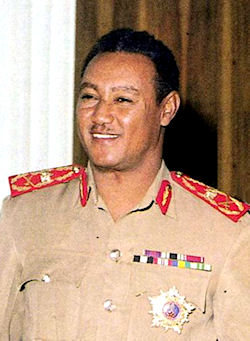
Ismail al-Azhari became prime minister. In 1969 a coup took place and Col. Gaafar Nimeiry became prime minister.
Image result for Col. Gaafar Nimeiry(Col. Gaafar Nimeiry)
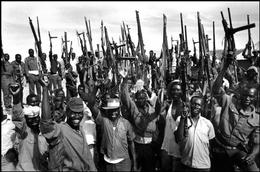
In 1971 the Sudanese communist party started a coup but it was squashed. In 1972 a civil war started between the north and south of the country.
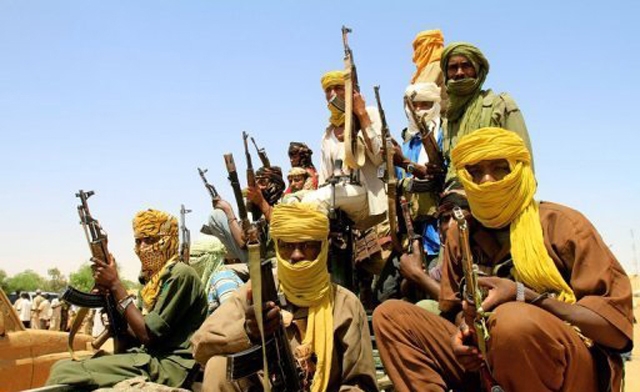
Image result for sudan 1972(Soldiers in the Sudanese civil war)
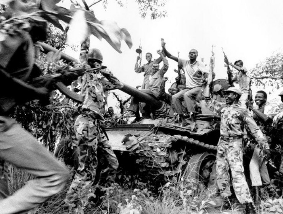
Also in 1972 started economic problems in the country. In 1976 there was another coup attempt. In 1983 the 2nd Sudanese civil war began.
Image result for sudan 1983(Soldiers in the 2nd Sudanese war)
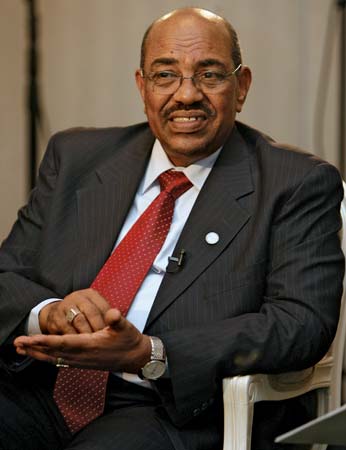
In 1989 another coup was attempted and Omar al-Bashir became leader of the country. In 1993 Bashir declared himself the president of Sudan.
Image result for Omar al-Bashir(Omar al-Bashir)
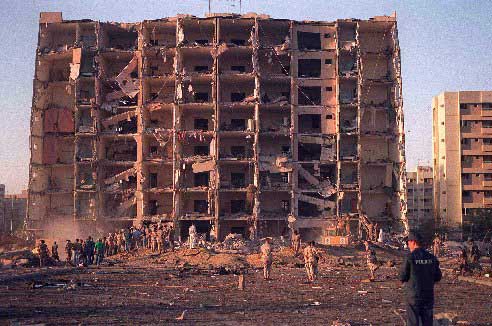
The U.S. declared Sudan a state sponsor of terrorism and started to bomb the country in 1998.
Image result for sudan 1998(Effects of the U.S. bombings)
In 2003 the Sudan Liberation Movement/Army and Justice and Equality Movement took up arms against the government. In 2005 the Sudan government signed the Nairobi Comprehensive Peace Agreement with the Sudan People's Liberation Movement with the objective of ending the 2nd Sudanese Civil War. Also in 2005 Chad declared war on Sudan.
Image result for sudan 2005(Soldiers in the Chad-Sudan war)
In 2007 the Chad-Sudan war ended. Also in 2007 severe floods hit the area. In 2011 the southern half of Sudan seceded from Sudan and became the new country of South Sudan.
Image result for sudan 2011(People celebrating the secession of South Sudan)
Today marks the 61st anniversary of Sudan’s independence and we would all like to say happy independence day Sudan.

Videos of Sudan Independence


(P.S. sorry for the late post)