Crate Diggers: Alabama
Showing posts with label Alabama. Show all posts

Sunday, July 16, 2017

Anniversary of Dr. John Henrik Clarke's Death

“A good teacher, like a good entertainer first must hold his audience's attention, then he can teach his lesson” - John Henrik Clarke
(John Henrik Clarke)
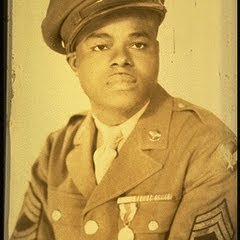
John Henrik Clark was born as John Henry Clarke on January 1st, 1915 in Union Springs, Alabama, USA. His family moved to Columbus, GA. In 1933 he moved to Harlem, NY. He then renamed himself “John Henrik Clarke”. Clarke developed as a writer and lecturer during the Great Depression years. He studied intermittently at New York University, Columbia University, Hunter College, the New School of Social Research and the League for Professional Writers. In 1941 Clarke served as a non commissioned officer in the United States Army Air Forces.
(Clarke in 1941)
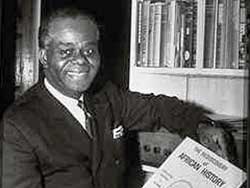
In 1949 Clarke was co founder of the “Harlem Quarterly”. In 1956 Clarke taught at the New School for Social Research. In 1958 he traveled to West Africa and met Kwame Nkrumah. He also lectured at the University of Ghana and elsewhere in Africa, including in Nigeria at the University of Ibadan.Clarke’s writing included six scholarly books and many scholarly articles. In 1968 he founded the African Heritage Studies Association and the Black Caucus of the African Studies Association.
(Clarke in 1968)
In 1969 Clarke became a professor of Black and Puerto Rican Studies at Hunter College of the City University of New York. He also was the Carter G. Woodson Distinguished Visiting Professor of African History at Cornell University’s Africana Studies and Research Center. In 1994 Clarke earned a doctorate from the non accredited Pacific Western University.
(Dr. Clarke in 1996)
On July 12th, 1998 Dr. John Henrik Clarke died of a heart attack in New York City, New York, USA. He was 83 years old. Today is the 19th anniversary of his death. Take time to remember this great educator today.

Books by John Henrik Clarke
  • A New Approach to African History (1967)   
  • The Boy Who Painted Jesus Black (1975)
  • African World Revolution:Africans At The Crossroads (1991)
  • Who Betrayed the African World Revolution?: And Other Speeches(1993)
  • African People in World History (1993)
  • My Life in Search of Africa (1994)

Videos of John Henrik Clarke

Friday, July 14, 2017

Happy Birthday Satchel Paige

“Work like you don't need the money. Love like you've never been hurt. Dance like nobody's watching” - Satchel Paige
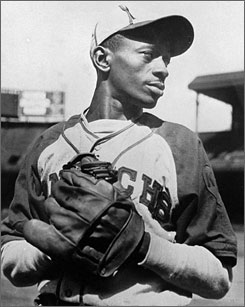
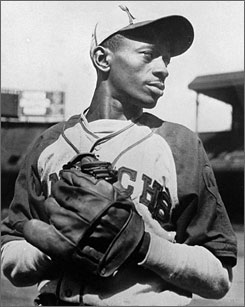
(Satchel Paige)
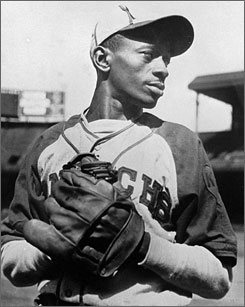
Satchel Paige was born as Leroy Page on July 7th, 1906 in Mobile, Alabama, USA. In the mid 1920’s his parents changed their last name to “Paige”. He got the name “Satchel” from a job toting bags at a train station. At age 10 Paige got interested in baseball. At age 13 he was arrested for shoplifting. he was committed to the Industrial School for Negro Children in Mount Meigs, AL, the state reform school. He was at the school until he was 18. While at the school he focused on his pitching skills. In 1923 he was released from the school. He then played for semi pro teams. In 1926 Paige joined the Chattanooga White Sox of the minor Negro Southern League.
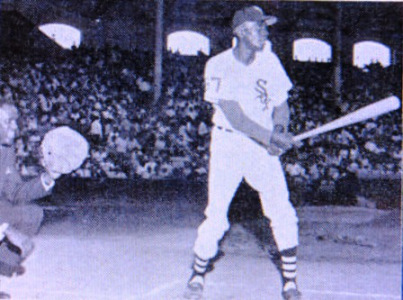
(Paige in 1926)
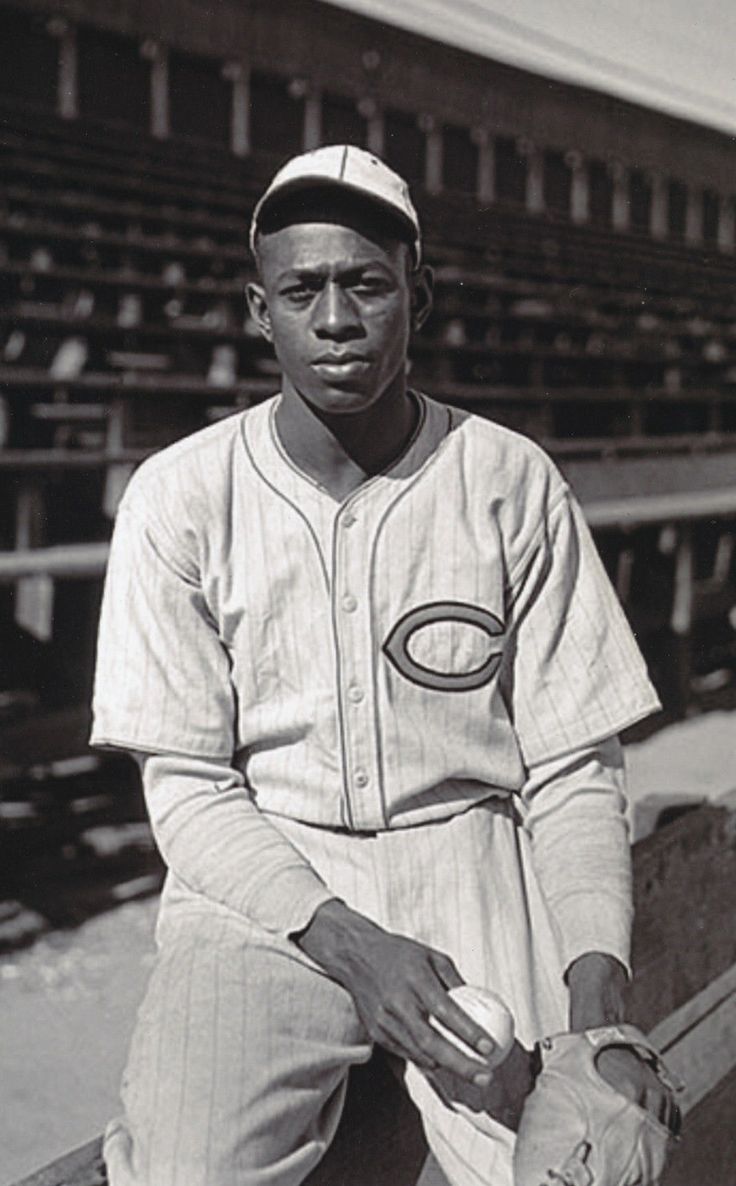
In 1927 Paige's contract was sold to the Birmingham Black Barons of the major Negro National League. In his first big game in late June 1927, against the St. Louis Stars, Paige incited a brawl when his fastball hit the hand of St. Louis catcher Mitchell Murray. Murray then charged the mound and Paige raced for the dugout, but Murray flung his bat and struck Paige above the hip. He finished the 1927 season 7–1 with 69 strikeouts and 26 walks in 89 ⅓ innings. In 1929 Paige went 12–5 and 10–9 while recording 176 strikeouts. Paige then played winter baseball in Cuba. In 1930 he was leased to the Baltimore Black Sox. He was then leased to the Chicago American Giants. In 1931 Paige went to the Cleveland Cubs.
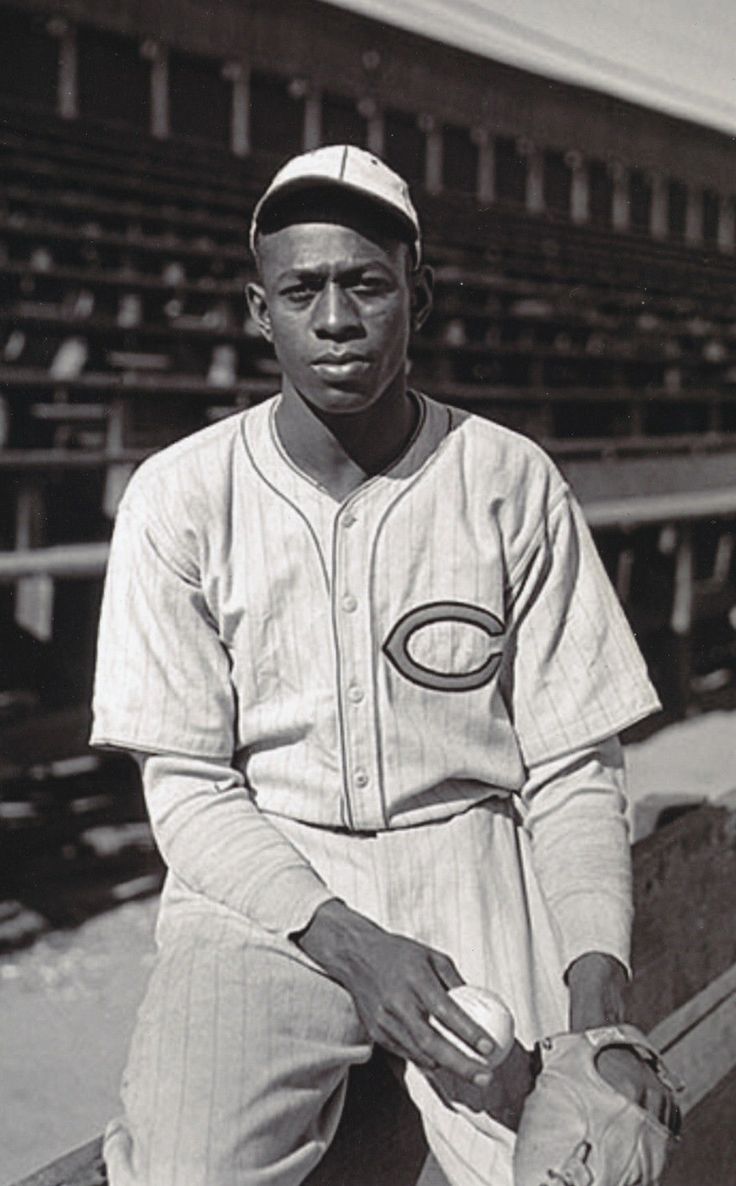
(Paige in 1931)
Paige then moved to the Crawford Colored Giants. He then joined a Negro all star team. He finished that season with a 6–0 record and 70 strikeouts in 58 innings. In 1932 Paige took the mound when the Crawfords opened the season on April 30 in their newly built stadium, Greenlee Field, the first completely black owned stadium in the country. Paige went 10–4, allowing 3.19 runs per game and striking out 92 in 132 ⅔  innings. In 1934 Paige had his best season he went 14–2 in league games while allowing 2.16 runs per game, recording 144 strikeouts, and giving up only 26 walks. Paige received his first East West All Star Game selection in 1934. In 1935 Paige dominated, with a 29–2 record, 321 strikeouts, and only 16 walks. Paige was banned from the NNL for the 1935 season for jumping to the Bismarck team. He was then signed to the Kansas City Monarchs.
(Paige in 1935)
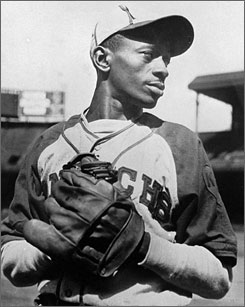
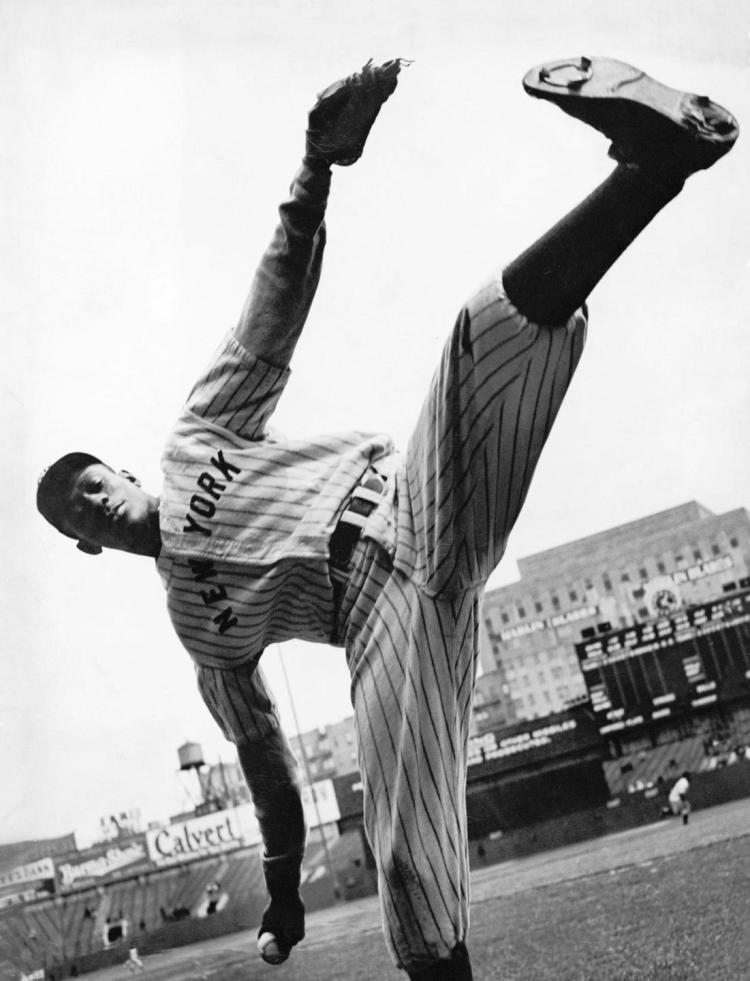
In 1936 Paige returned to Pittsburgh. Paige went 5–0, allowed 3.21 runs per game, and struck out 47 in 47 2/3 innings. In 1937 Paige played in the Dominican Republic. In 1938 he went to play in Mexico. He suffered an arm injury while in Mexico causing him to be out of work. In 1939 he returned to baseball. He then played baseball in Puerto Rico. He ended the season with a 19–3 record, a 1.93 ERA, and 208 strikeouts in 205 innings. In 1940 Paige went to play for the Kansas City Monarchs. In 1941 Paige played for the New York Black Yankees.
(Paige in 1941)
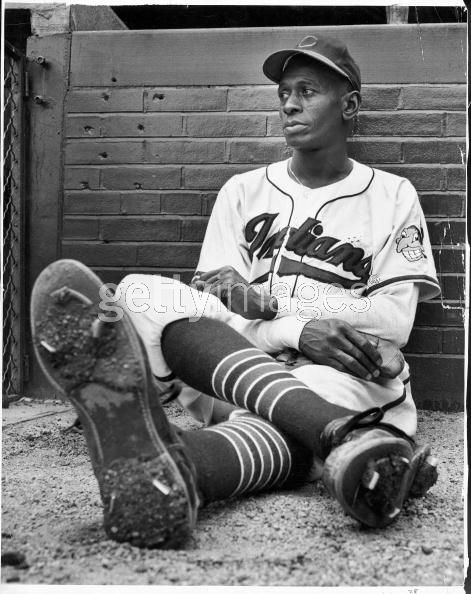
In the 1942 East West All-Star Game Paige allowed three runs on five hits and was charged with the loss in the 5–2 game. Paige was the reason for the Monarchs winning the 1942 Negro World Series. In 1943 Paige was the West's starting pitcher in the East West All Star Game. The West won. In the 1946 Negro World Series the Monarchs faced the Newark Eagles. Paige didn't play for game 7 of the series and the Monarchs lost. In 1948 Paige joined the MLB team, The Cleveland Indians. Paige became the oldest man ever to debut in the major leagues, at the age of 42 years old. Paige ended the 1948 season with a 6–1 record with a 2.48 ERA, 2 shutouts, 43 strikeouts, 22 walks and 61 base hits allowed in 72 2/3 innings.
(Paige in 1948)
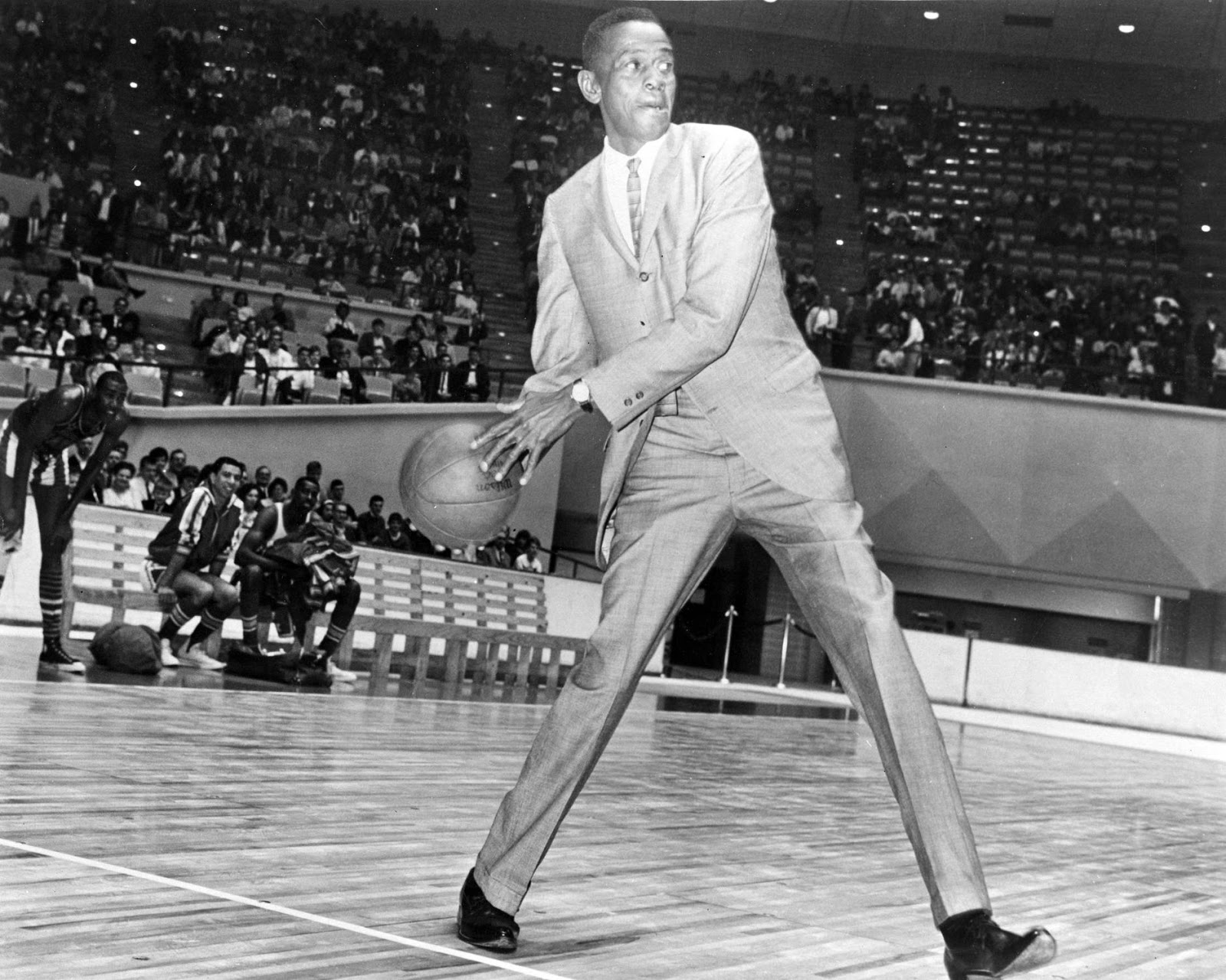
In the 1949 season he ended the season with a 4–7 record and was 1–3 in his starts with a 3.04 ERA. In 1950 he signed with the Philadelphia Stars in the Eastern Division of the NAL. In 1951 Paige signed with the St. Louis Browns. He ended the season with a 3–4 record and a 4.79 ERA. In 1952 Paige finished the year 12–10 with a 3.07 ERA. In 1953 Paige ended the year with a disappointing 3–9 record, but a respectable 3.53 ERA. Paige then joined the basketball team the Harlem Globetrotters. Paige would "pitch" the basketball to Goose Tatum, who would "bat" the ball with his arms, run around the "bases" and slide "home" safely. Paige never actually played on the team, though.
(Paige apart of the Harlem Globetrotters)
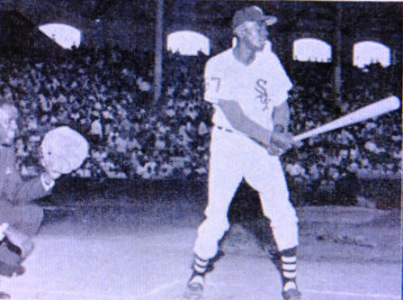
In 1955 Paige signed a contract with the Greensboro Patriots of the Carolina League. Paige finished the season 11–4 with an ERA of 1.86 with 79 strikeouts and only 28 walks. In 1957 Paige had a 10–8 record with 76 strikeouts versus 11 walks and 2.42 ERA. In 1961 Paige signed on with the Triple-A Portland Beavers of the Pacific Coast League. In 1965 Paige signed with the Kansas City Athletics.
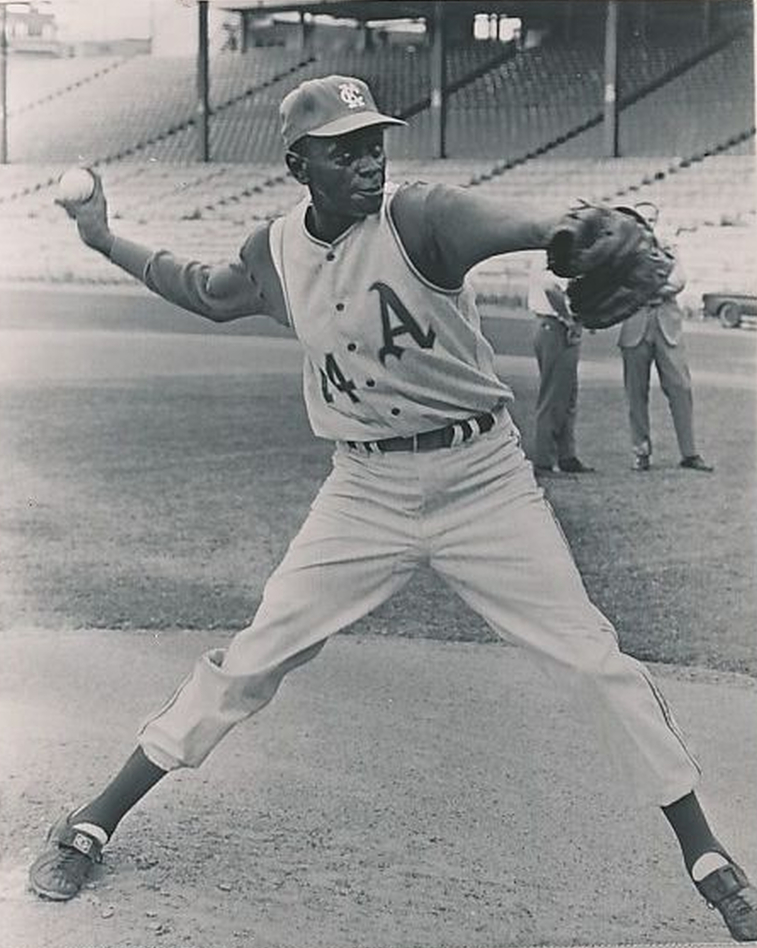
(Paige in 1965)
In 1966 Paige pitched in his last game in organized baseball. In 1968 Paige assumed the position of deputy sheriff in Jackson County, MO. In 1969 he became a pitching coach. In 1971 Paige was the first member of the Negro wing of the Hall of Fame.
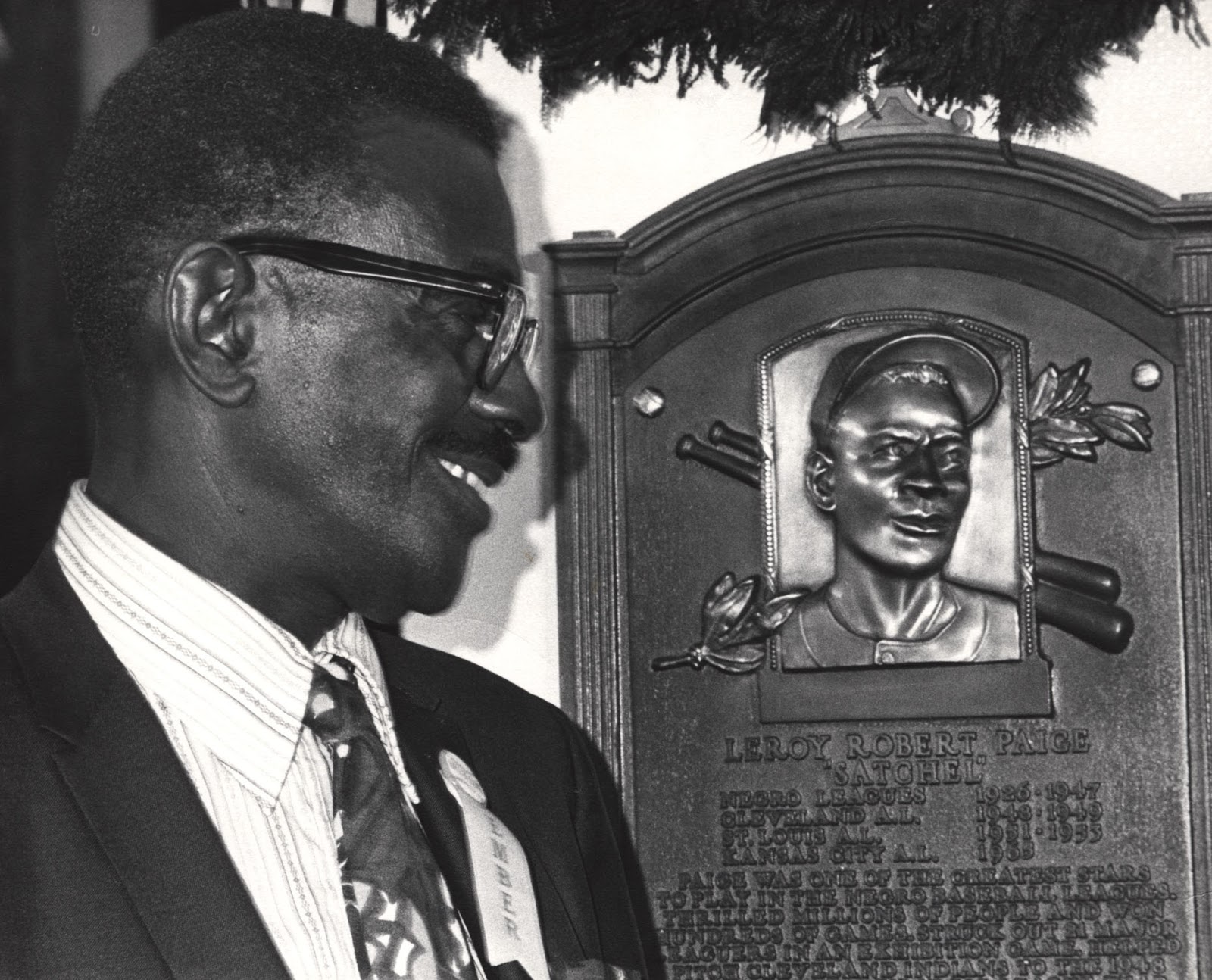
(Paige in 1971)
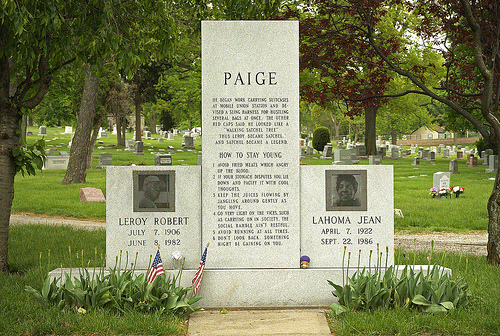
In 1980 Paige was named vice-president of the Triple A Springfield Cardinals. On June 8th, 1982 Satchel Paige died of a heart attack in Kansas City, Missouri, USA. He was 75 years old.
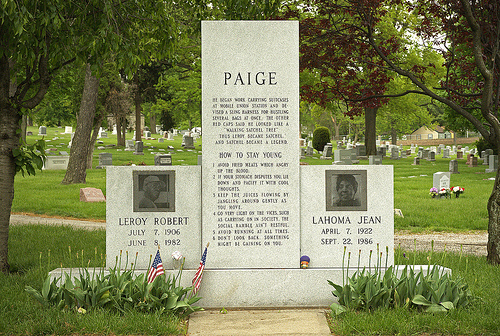
(Paige’s grave)
Today is his 111th birthday and we would all like to say happy birthday and rest in peace Satchel Paige.

Videos of Satchel Paige
Thursday, June 8, 2017

Anniversary of Satchel Paige's Death

“Work like you don't need the money. Love like you've never been hurt. Dance like nobody's watching” - Satchel Paige
(Satchel Paige)
Satchel Paige was born as Leroy Page on July 7th, 1906 in Mobile, Alabama, USA. In the mid 1920’s his parents changed their last name to “Paige”. He got the name “Satchel” from a job toting bags at a train station. At age 10 Paige got interested in baseball. At age 13 he was arrested for shoplifting. he was committed to the Industrial School for Negro Children in Mount Meigs, AL, the state reform school. He was at the school until he was 18. While at the school he focused on his pitching skills. In 1923 he was released from the school. He then played for semi pro teams. In 1926 Paige joined the Chattanooga White Sox of the minor Negro Southern League.
(Paige in 1926)
In 1927 Paige's contract was sold to the Birmingham Black Barons of the major Negro National League. In his first big game in late June 1927, against the St. Louis Stars, Paige incited a brawl when his fastball hit the hand of St. Louis catcher Mitchell Murray. Murray then charged the mound and Paige raced for the dugout, but Murray flung his bat and struck Paige above the hip. He finished the 1927 season 7–1 with 69 strikeouts and 26 walks in 89 ⅓ innings. In 1929 Paige went 12–5 and 10–9 while recording 176 strikeouts. Paige then played winter baseball in Cuba. In 1930 he was leased to the Baltimore Black Sox. He was then leased to the Chicago American Giants. In 1931 Paige went to the Cleveland Cubs.
(Paige in 1931)
Paige then moved to the Crawford Colored Giants. He then joined a Negro all star team. He finished that season with a 6–0 record and 70 strikeouts in 58 innings. In 1932 Paige took the mound when the Crawfords opened the season on April 30 in their newly built stadium, Greenlee Field, the first completely black owned stadium in the country. Paige went 10–4, allowing 3.19 runs per game and striking out 92 in 132 ⅔  innings. In 1934 Paige had his best season he went 14–2 in league games while allowing 2.16 runs per game, recording 144 strikeouts, and giving up only 26 walks. Paige received his first East West All Star Game selection in 1934. In 1935 Paige dominated, with a 29–2 record, 321 strikeouts, and only 16 walks. Paige was banned from the NNL for the 1935 season for jumping to the Bismarck team. He was then signed to the Kansas City Monarchs.
(Paige in 1935)
In 1936 Paige returned to Pittsburgh. Paige went 5–0, allowed 3.21 runs per game, and struck out 47 in 47 2/3 innings. In 1937 Paige played in the Dominican Republic. In 1938 he went to play in Mexico. He suffered an arm injury while in Mexico causing him to be out of work. In 1939 he returned to baseball. He then played baseball in Puerto Rico. He ended the season with a 19–3 record, a 1.93 ERA, and 208 strikeouts in 205 innings. In 1940 Paige went to play for the Kansas City Monarchs. In 1941 Paige played for the New York Black Yankees.
(Paige in 1941)
In the 1942 East West All-Star Game Paige allowed three runs on five hits and was charged with the loss in the 5–2 game. Paige was the reason for the Monarchs winning the 1942 Negro World Series. In 1943 Paige was the West's starting pitcher in the East West All Star Game. The West won. In the 1946 Negro World Series the Monarchs faced the Newark Eagles. Paige didn't play for game 7 of the series and the Monarchs lost. In 1948 Paige joined the MLB team, The Cleveland Indians. Paige became the oldest man ever to debut in the major leagues, at the age of 42 years old. Paige ended the 1948 season with a 6–1 record with a 2.48 ERA, 2 shutouts, 43 strikeouts, 22 walks and 61 base hits allowed in 72 2/3 innings.
(Paige in 1948)
In the 1949 season he ended the season with a 4–7 record and was 1–3 in his starts with a 3.04 ERA. In 1950 he signed with the Philadelphia Stars in the Eastern Division of the NAL. In 1951 Paige signed with the St. Louis Browns. He ended the season with a 3–4 record and a 4.79 ERA. In 1952 Paige finished the year 12–10 with a 3.07 ERA. In 1953 Paige ended the year with a disappointing 3–9 record, but a respectable 3.53 ERA. Paige then joined the basketball team the Harlem Globetrotters. Paige would "pitch" the basketball to Goose Tatum, who would "bat" the ball with his arms, run around the "bases" and slide "home" safely. Paige never actually played on the team, though.
(Paige apart of the Harlem Globetrotters)
In 1955 Paige signed a contract with the Greensboro Patriots of the Carolina League. Paige finished the season 11–4 with an ERA of 1.86 with 79 strikeouts and only 28 walks. In 1957 Paige had a 10–8 record with 76 strikeouts versus 11 walks and 2.42 ERA. In 1961 Paige signed on with the Triple-A Portland Beavers of the Pacific Coast League. In 1965 Paige signed with the Kansas City Athletics.
(Paige in 1965)
In 1966 Paige pitched in his last game in organized baseball. In 1968 Paige assumed the position of deputy sheriff in Jackson County, MO. In 1969 he became a pitching coach. In 1971 Paige was the first member of the Negro wing of the Hall of Fame.
(Paige in 1971)
In 1980 Paige was named vice-president of the Triple A Springfield Cardinals. On June 8th, 1982 Satchel Paige died of a heart attack in Kansas City, Missouri, USA. He was 75 years old.
(Paige’s grave)
Today is the 35th anniversary of his death. Take time to remember this great athlete today.

Videos of Satchel Paige

Saturday, May 13, 2017

Happy Birthday Joe Louis

“Every man's got to figure to get beat sometime” - Joe Louis
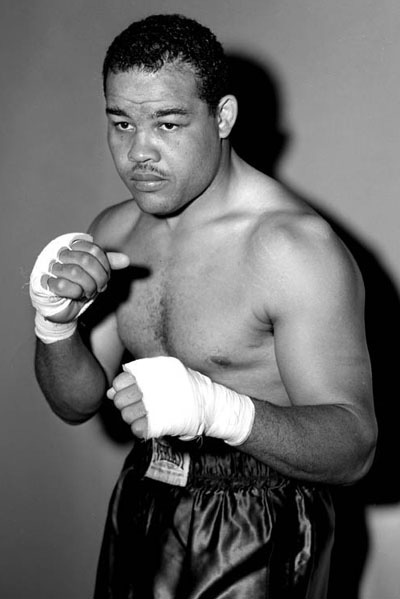
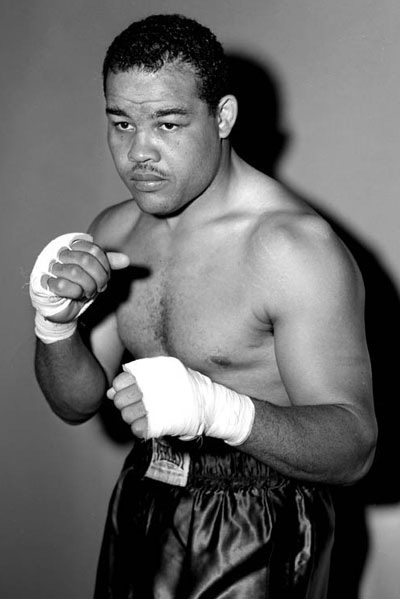
(Joe Louis)
Joe Louis was born as Joseph Barrow on May 13th, 1914 in LaFayette, Alabama, USA. As a child Louis had a speech impediment. When Barrow was 2 years old his father was put into a mental institution. In 1926 Barrow and his family moved to Detroit, MI due to the Ku Klux Klan threatening the family. In 1932 Barrow made his amateur debut.
(Louis in the early 1930’s)
After making his debut he became known as “Joe Louis”. Louis compiled numerous amateur victories, eventually winning the club championship of his Brewster Street recreation centre. In 1933 Louis won the Detroit area Golden Gloves Novice Division championship against Joe Biskey for the light heavyweight classification. He later lost in the Chicago Golden Gloves Tournament of Champions. In 1934 Louis won the Golden Gloves' Open Division and the Chicago Tournament of Champions. In April of 1934 Louis won the United States Amateur Champion National AAU tournament in St. Louis, MO. By the end of Louis’ ameteur career he was 50-4 with 43 knockouts.
(A poster of Louis)
In 1934 Louis started his professional career, he earned $59 for knocking out his opponent in the 1st round. Bookmaker John Roxborough represented Louis. Louis' initial professional fights were all located in the Chicago area. In 1935 Louis married Marva Trotter.
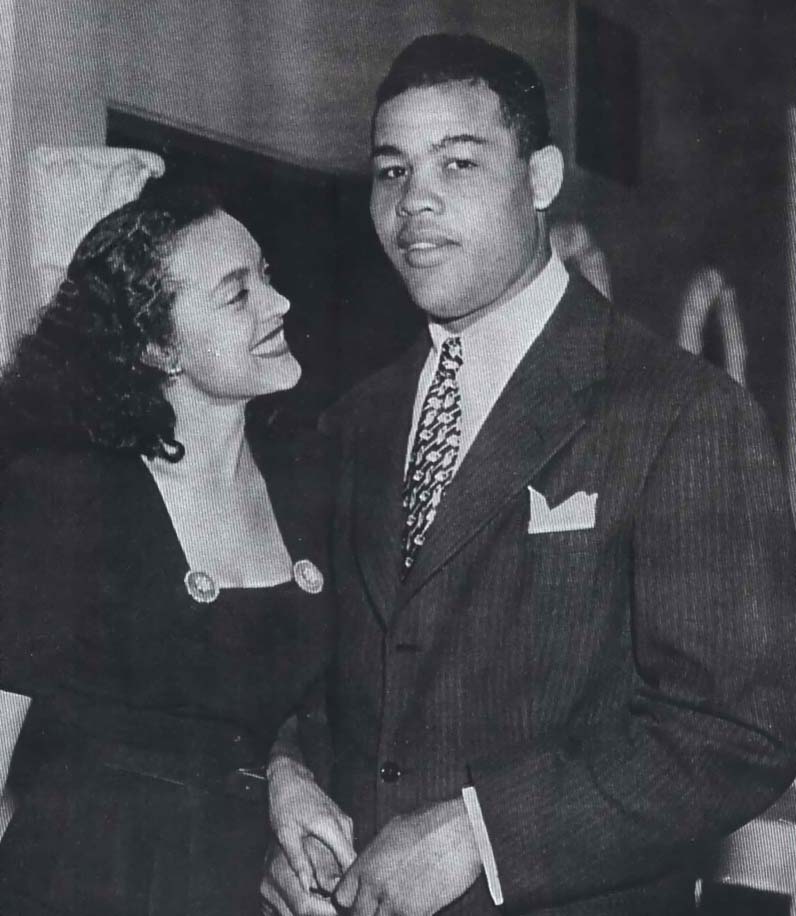
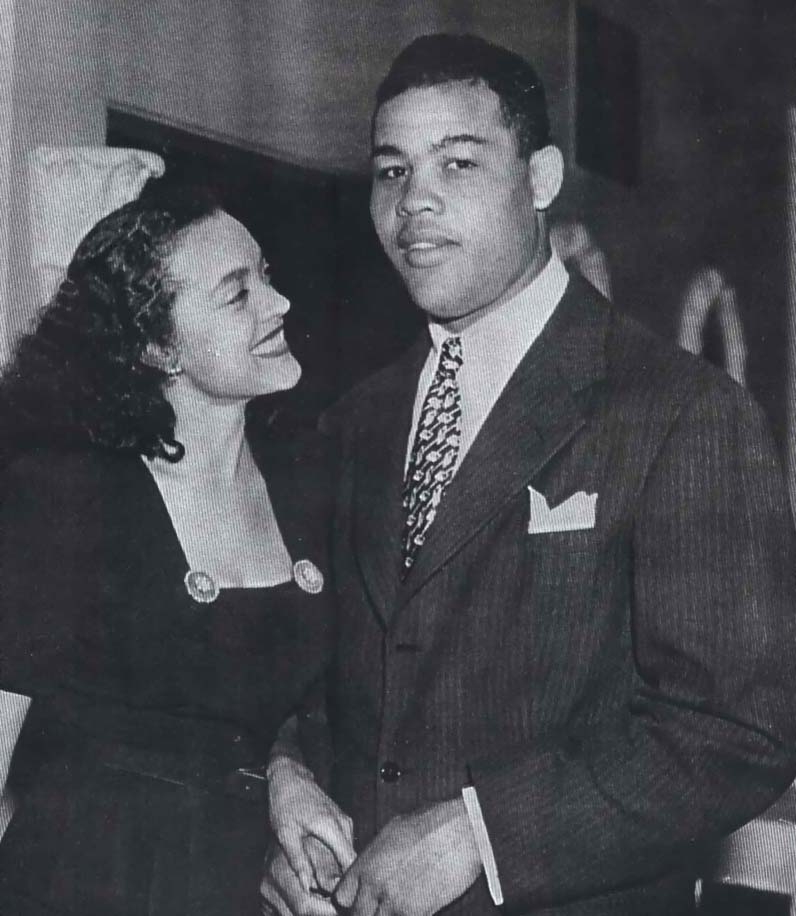
(Louis (Right) and his wife, Marva Trotter (Left))
There were few heavyweight black contenders at this time. Louis and his handlers emphasized his modesty and sportsmanship to make him more popular with White audiences. Louis signed an onerous long-term contract that collectively dedicated half of Louis' future income to the pair of Roxborough and his lawyer Julian Black. Black and Roxborough continued to carefully shape Louis' media image. In 1935 Louis fought 13 times. On June 25th of 1935 Louis' victory over Carnera, who symbolized Benito Mussolini's regime, was seen as a victory for the international community, particularly among African Americans, who were sympathetic to Ethiopia.
(Louis (Right) with Primo Carnera (Left))
Louis was then nicknamed by White press as the “Brown Bomber”. In September of 1935 Louis dominated heavyweight champion Max Baer knocking him out in 4th round. Louis won athlete of the year in 1935. In 1936 Max Schmeling handed Louis his first professional loss by knocking him out in Round 12 at Yankee Stadium. On June 22nd, 1937 Louis defeated James Braddock in round eight, knocking him out cold with a strong right hand that bust James' teeth through his gum shield and lip and paralyzed him to the ground for a few minutes.
(Louis (Left) and James Braddock (Right))
Louis became the heavyweight champion. On June 22nd, 1938 Louis and Schmeling met for a fight again at Yankee Stadium before a crowd of 70,043 people. Louis beat Schmeling after 3 knockdowns.
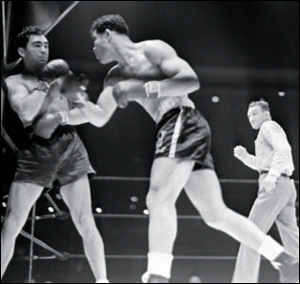
(Louis (Right) fighting Max Schmeling (Left))
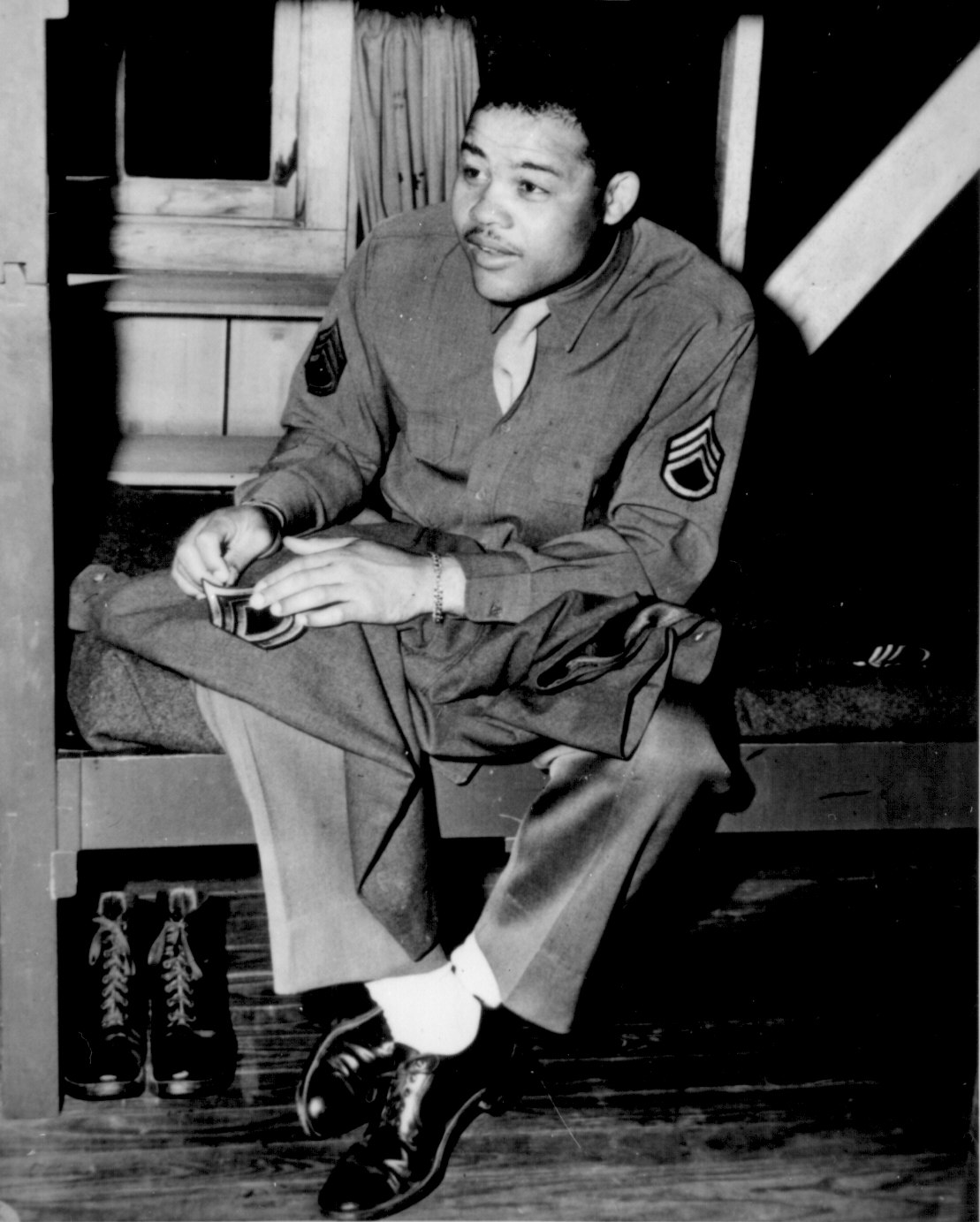
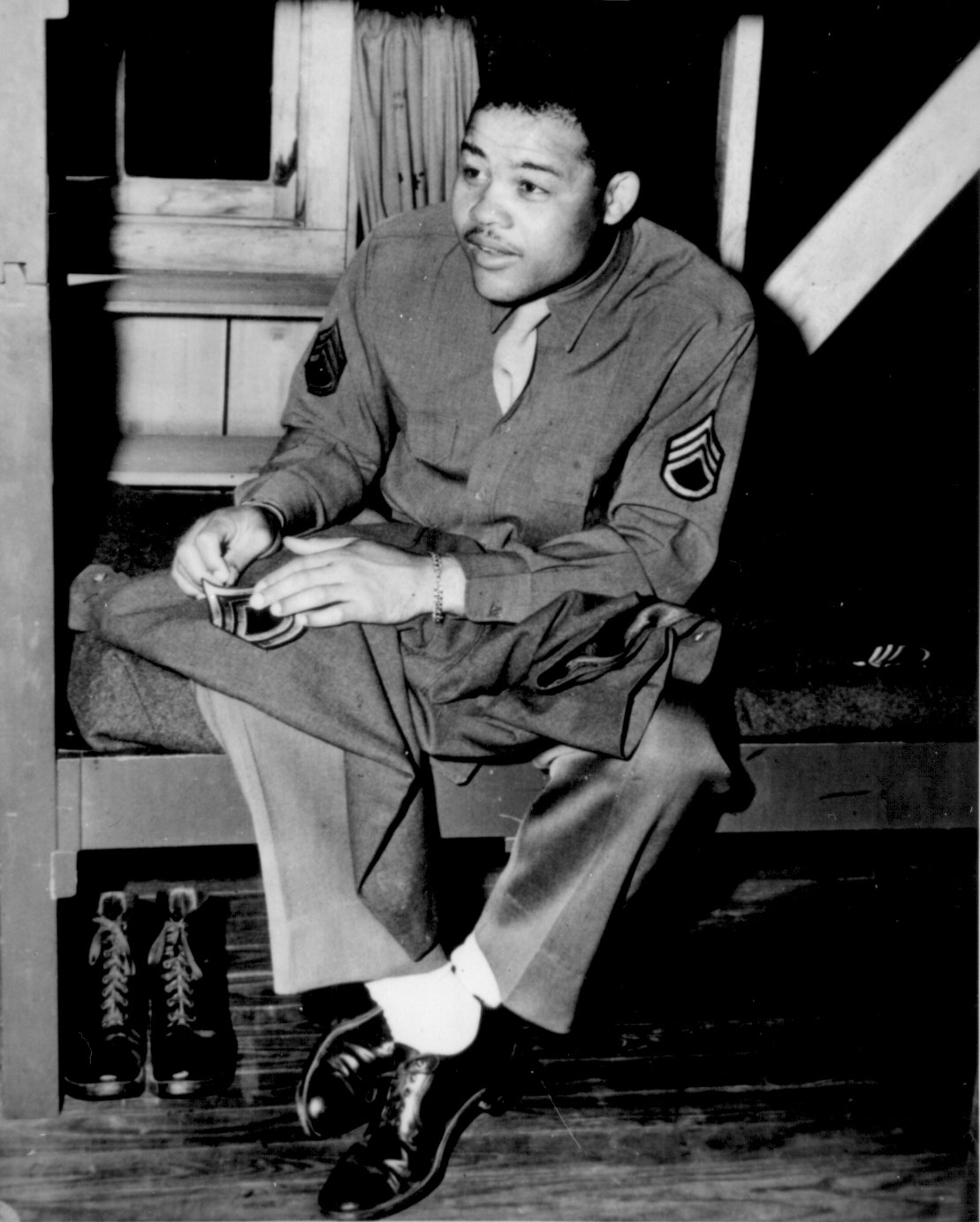
From January of 1939 to May of 1941 Louis defended the heavyweight title 13 times. In 1942 Louis fought a charity bout for the Navy Relief Society which generated $47,000 for the fund. Louis then volunteered to be in the Army. Louis was assigned to a segregated cavalry unit based in Fort Riley, KS.
(Louis in the Army)
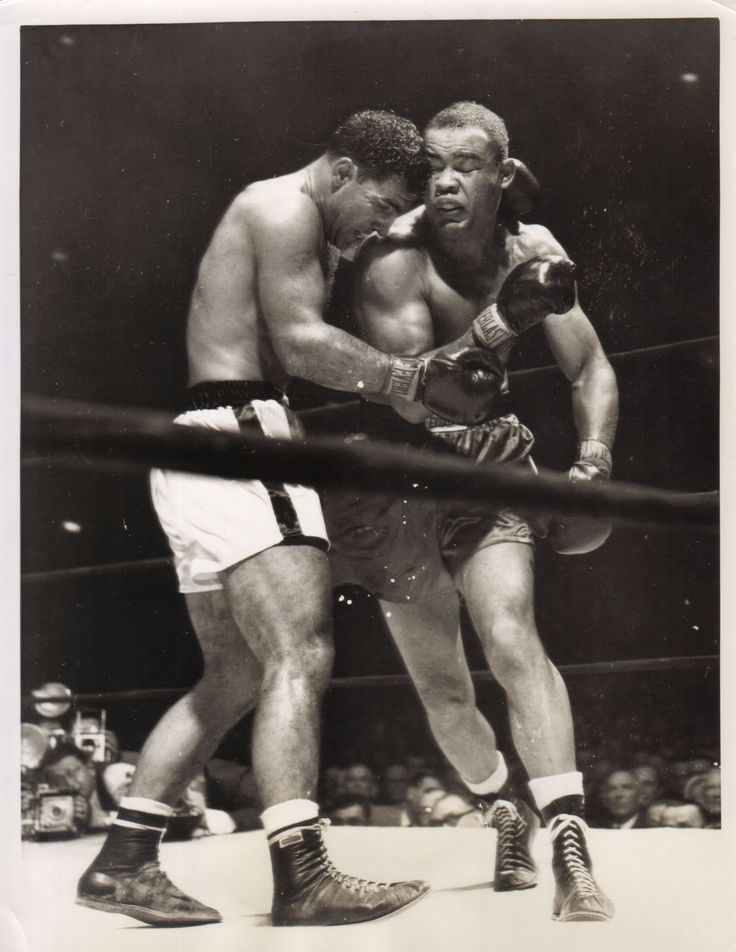
The Army placed Louis in its Special Services Division rather than deploying him into combat. Louis was the focus of a media recruitment campaign encouraging African American men to enlist in the Armed Services. In 1945 Louis was promoted to the rank of technical sergeant. Louis was also awarded the Legion of Merit. In October of 1945 he was released from the military. When Louis left the service he was $100,000 in debt. His return match in 1946 was the most profitable of his career. In 1949 Louis retired from boxing. In 1950 Louis owed $500,000 to the IRS. Louis had to continue boxing. In 1951 Louis fought and lost to Rocky Marciano.
(Louis (Right) fighting Rocky Marciano (Left))
Louis then retired for good from boxing. In 1953 a movie about Louis’ life was released. In 1956 Louis became a professional wrestler but later became a wrestling referee. Many of his former boxing opponents helped Louis with his tax troubles. In 1969 Louis collapsed due to cocaine use.


(Louis in 1969)
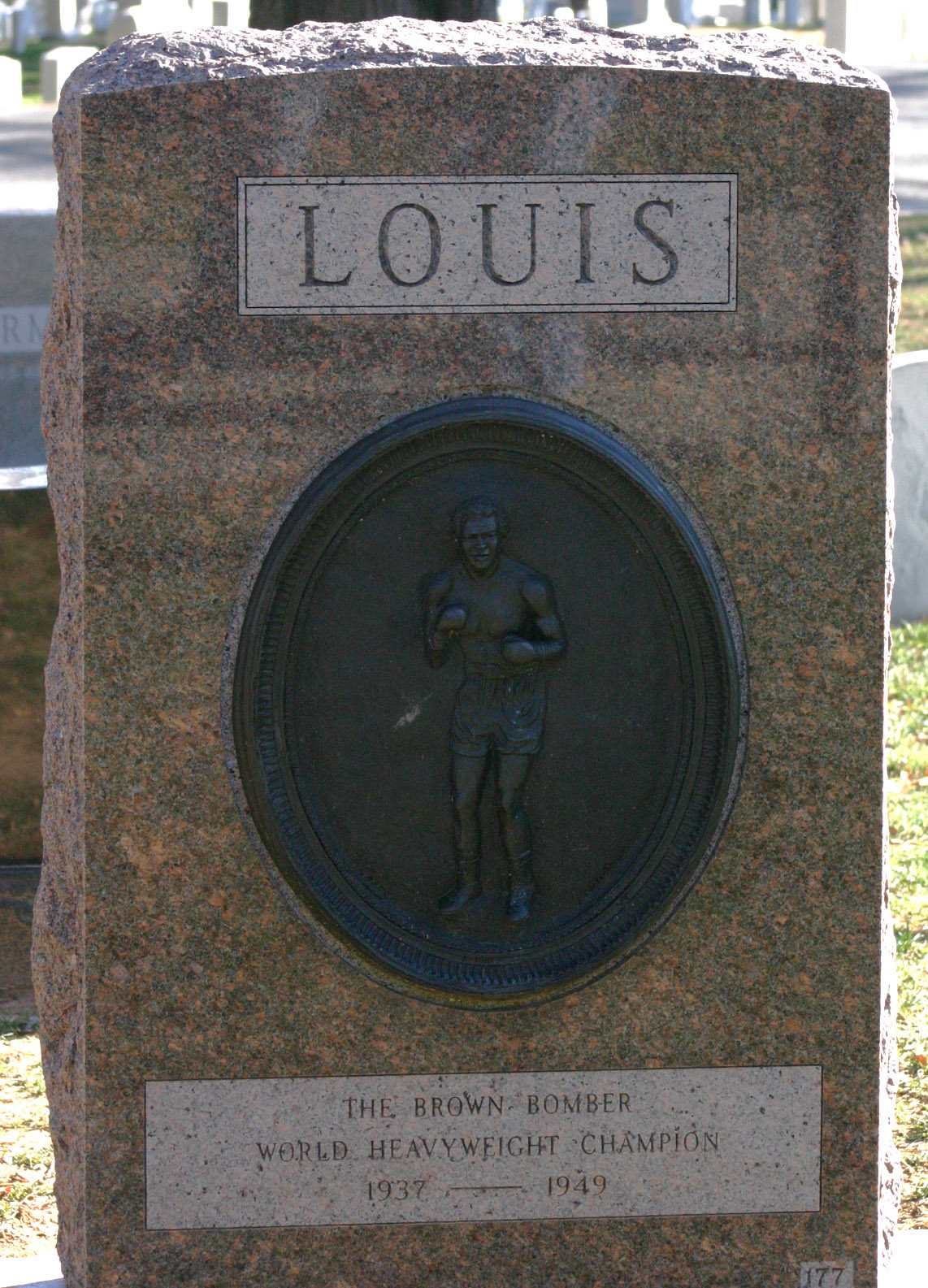
On April 12th, 1981 Joe Louis died of cardiac arrest in Paradise, Nevada, USA. He was 66 years old.
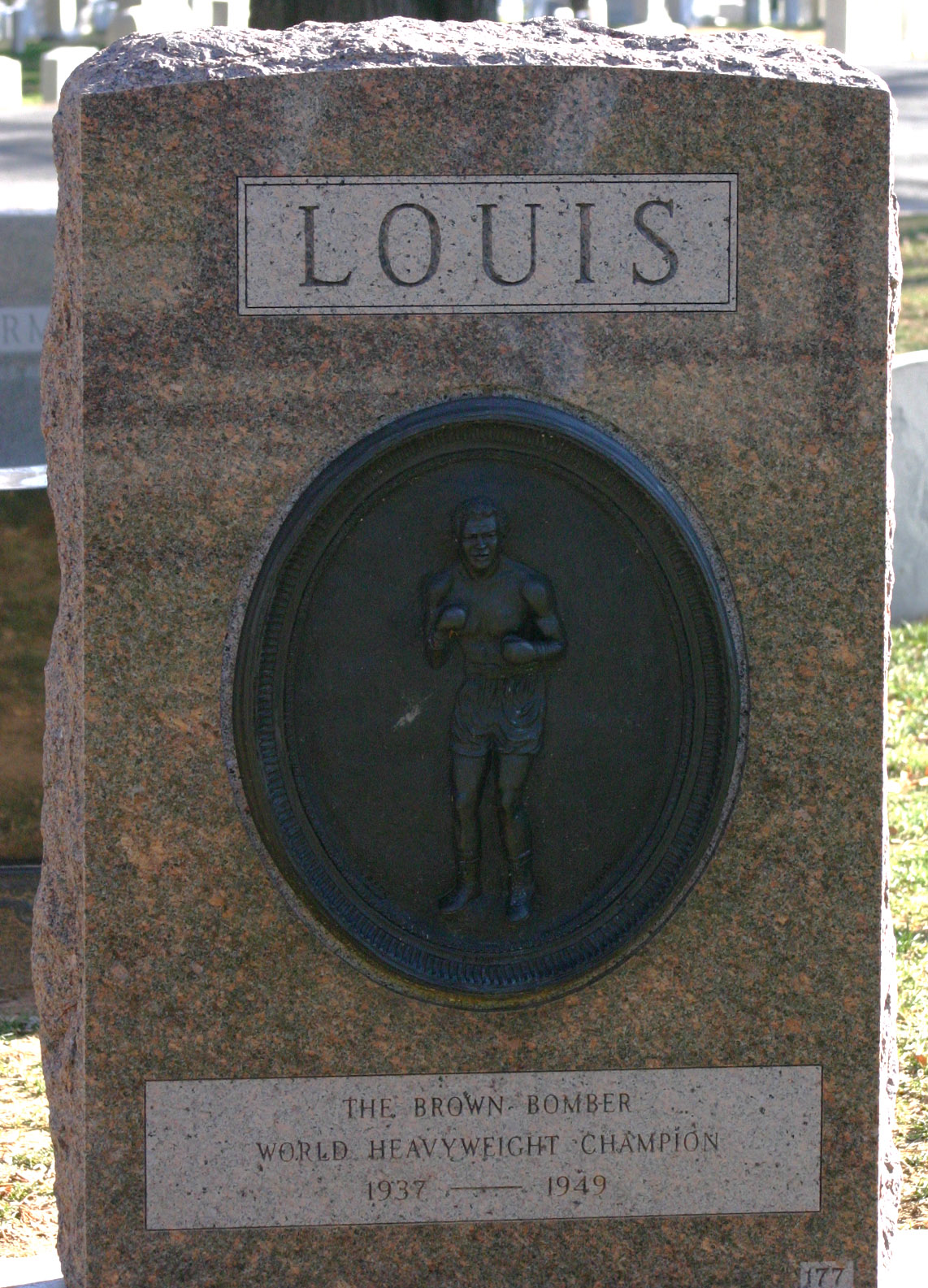
(Louis’ gravestone)
Today is his 103rd birthday and we would all like to say happy birthday and rest in peace Joe Louis.  

Videos of Joe Louis

Wednesday, April 12, 2017

Anniversary of Joe Louis' Death

“Every man's got to figure to get beat sometime” - Joe Louis
(Joe Louis)
Joe Louis was born as Joseph Barrow on May 13th, 1914 in LaFayette, Alabama, USA. As a child Louis had a speech impediment. When Barrow was 2 years old his father was put into a mental institution. In 1926 Barrow and his family moved to Detroit, MI due to the Ku Klux Klan threatening the family. In 1932 Barrow made his amateur debut.
(Louis in the early 1930’s)
After making his debut he became known as “Joe Louis”. Louis compiled numerous amateur victories, eventually winning the club championship of his Brewster Street recreation centre. In 1933 Louis won the Detroit area Golden Gloves Novice Division championship against Joe Biskey for the light heavyweight classification. He later lost in the Chicago Golden Gloves Tournament of Champions. In 1934 Louis won the Golden Gloves' Open Division and the Chicago Tournament of Champions. In April of 1934 Louis won the United States Amateur Champion National AAU tournament in St. Louis, MO. By the end of Louis’ ameteur career he was 50-4 with 43 knockouts.
(A poster of Louis)
In 1934 Louis started his professional career, he earned $59 for knocking out his opponent in the 1st round. Bookmaker John Roxborough represented Louis. Louis' initial professional fights were all located in the Chicago area. In 1935 Louis married Marva Trotter.
(Louis (Right) and his wife, Marva Trotter (Left))
There were few heavyweight black contenders at this time. Louis and his handlers emphasized his modesty and sportsmanship to make him more popular with White audiences. Louis signed an onerous long-term contract that collectively dedicated half of Louis' future income to the pair of Roxborough and his lawyer Julian Black. Black and Roxborough continued to carefully shape Louis' media image. In 1935 Louis fought 13 times. On June 25th of 1935 Louis' victory over Carnera, who symbolized Benito Mussolini's regime, was seen as a victory for the international community, particularly among African Americans, who were sympathetic to Ethiopia.
(Louis (Right) with Primo Carnera (Left))
Louis was then nicknamed by White press as the “Brown Bomber”. In September of 1935 Louis dominated heavyweight champion Max Baer knocking him out in 4th round. Louis won athlete of the year in 1935. In 1936 Max Schmeling handed Louis his first professional loss by knocking him out in Round 12 at Yankee Stadium. On June 22nd, 1937 Louis defeated James Braddock in round eight, knocking him out cold with a strong right hand that bust James' teeth through his gum shield and lip and paralyzed him to the ground for a few minutes.
(Louis (Left) and James Braddock (Right))
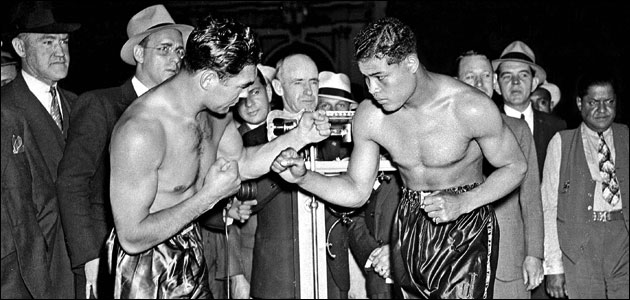
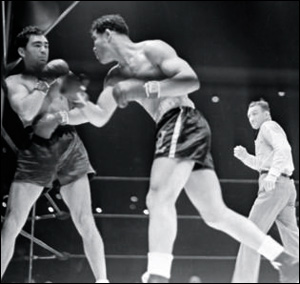
Louis became the heavyweight champion. On June 22nd, 1938 Louis and Schmeling met for a fight again at Yankee Stadium before a crowd of 70,043 people. Louis beat Schmeling after 3 knockdowns.
(Louis (Right) fighting Max Schmeling (Left))
From January of 1939 to May of 1941 Louis defended the heavyweight title 13 times. In 1942 Louis fought a charity bout for the Navy Relief Society which generated $47,000 for the fund. Louis then volunteered to be in the Army. Louis was assigned to a segregated cavalry unit based in Fort Riley, KS.
(Louis in the Army)
The Army placed Louis in its Special Services Division rather than deploying him into combat. Louis was the focus of a media recruitment campaign encouraging African American men to enlist in the Armed Services. In 1945 Louis was promoted to the rank of technical sergeant. Louis was also awarded the Legion of Merit. In October of 1945 he was released from the military. When Louis left the service he was $100,000 in debt. His return match in 1946 was the most profitable of his career. In 1949 Louis retired from boxing. In 1950 Louis owed $500,000 to the IRS. Louis had to continue boxing. In 1951 Louis fought and lost to Rocky Marciano.
(Louis (Right) fighting Rocky Marciano (Left))
Louis then retired for good from boxing. In 1953 a movie about Louis’ life was released. In 1956 Louis became a professional wrestler but later became a wrestling referee. Many of his former boxing opponents helped Louis with his tax troubles. In 1969 Louis collapsed due to cocaine use.


(Louis in 1969)
On April 12th, 1981 Joe Louis died of cardiac arrest in Paradise, Nevada, USA. He was 66 years old.
(Louis’ gravestone)
Today is the 36th anniversary of his death. Take time to remember this great boxer today.

Videos of Joe Louis