Crate Diggers: Death
Showing posts with label Death. Show all posts

Tuesday, August 29, 2017

Anniversary of Emperor Haile Selassie's Death

“Outside the kingdom of the Lord there is no nation which is greater than any other. God and history will remember your judgment” - Emperor Haile Selassie
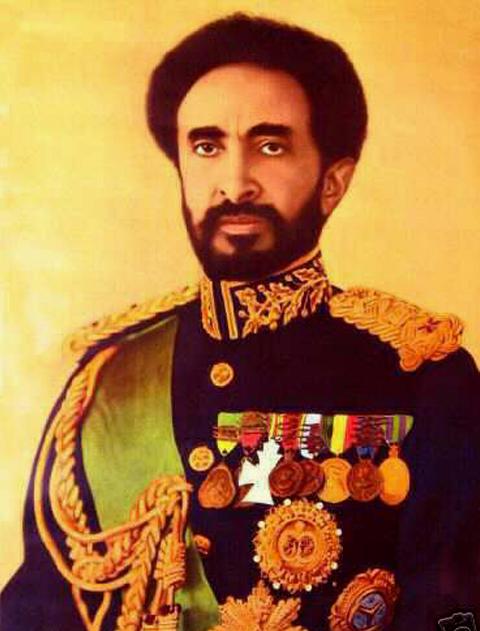
(Emperor Haile Selassie)
Emperor Haile Selassie was born as Tafari Makonnen Woldemikael on July 23rd, 1892 in Ejersa Goro, Ethiopia. In 1906 his father died. In 1907 he was appointed governor over part of the province of Sidamo.
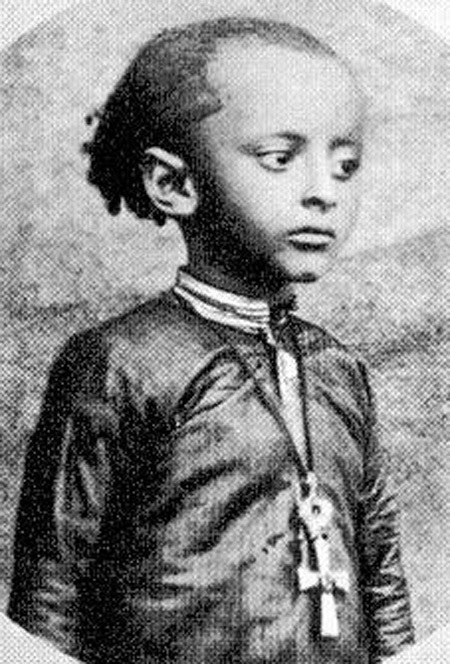
(Woldemikael as a child)
In 1916 he was appointed to the position of Balemulu Silt'an Enderase. In 1918 Woldemikael came down with the flu during a flu epidemic but survived. In 1924 he was given the title Ras. Also in 1924 Tafari toured Europe and the Middle East. During this time To guard against economic imperialism, Tafari required that all enterprises in Ethiopia have at least partial local ownership. Throughout his travels he and his entourage were greeted with enthusiasm and fascination. His entourage also included a pride of lions which some were given as gifts to world leaders.
(Woldemikael in 1924)
In 1928 he was promoted to the title of Negus. Also in 1928 Woldemikael was challenged when Dejazmatch Balcha Safo went to Addis Ababa with a sizeable armed force. Woldemikael then bought off Safo’s army and arranged to have him displaced. In 1930 he changed his name to “Haile Selassie”.
(Selassie in 1930)
Also in 1930 he was promoted to the title of emperor. Selassie then defeated a force that tried to take over Addis Ababa. In 1931 he introduced Ethiopia's 1st written constitution. In 1934 Italy tried to invade Ethiopia. In 1935 Selassie set up a headquarters so he could help lead the defense of his country from the Italians. The Italians would employ chemical weapons extensively throughout the conflict, even targeting Red Cross field hospitals in violation of the Geneva Conventions.
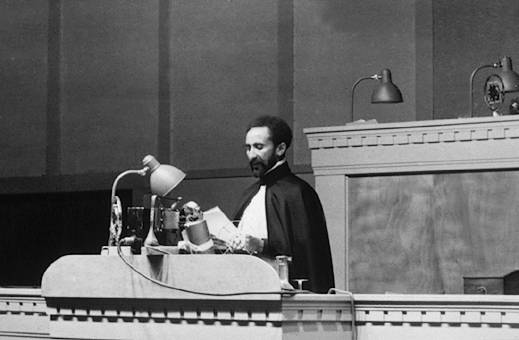
(Selassie in 1935)
In 1936 he launched a counteroffensive against the Italians. His army was defeated and retreated in disarray. Selassie and his family had to be exiled Jerusalem. Italy then declared Ethiopia an Italian provence. Selassie’s speech to the League of Nations about Italy’s war crimes made the emperor an icon for anti fascists around the world. The League agreed to only partial and ineffective sanctions on Italy. Selassie spent his exile in England. In 1937 Selassie was involved in a traffic accident, leaving him with a fractured knee.
(Selassie in 1937)
In 1941 with the help of South African and British troops, Selassie returned to Ethiopia to take it from Italian control. Selassie then took back control of the country. In 1942 Selassie abolished the legal basis of slavery throughout the empire.
(Selassie in 1942)
In 1947 he sent aid to the British government when Britain was affected by heavy flooding. In 1951 he reduced the flat tax of Ethiopia. In 1954 the emperor spoke of Ethiopian participation in the Korean War as a redemption of the principles of collective security. In 1955 Selassie introduced a revised constitution.
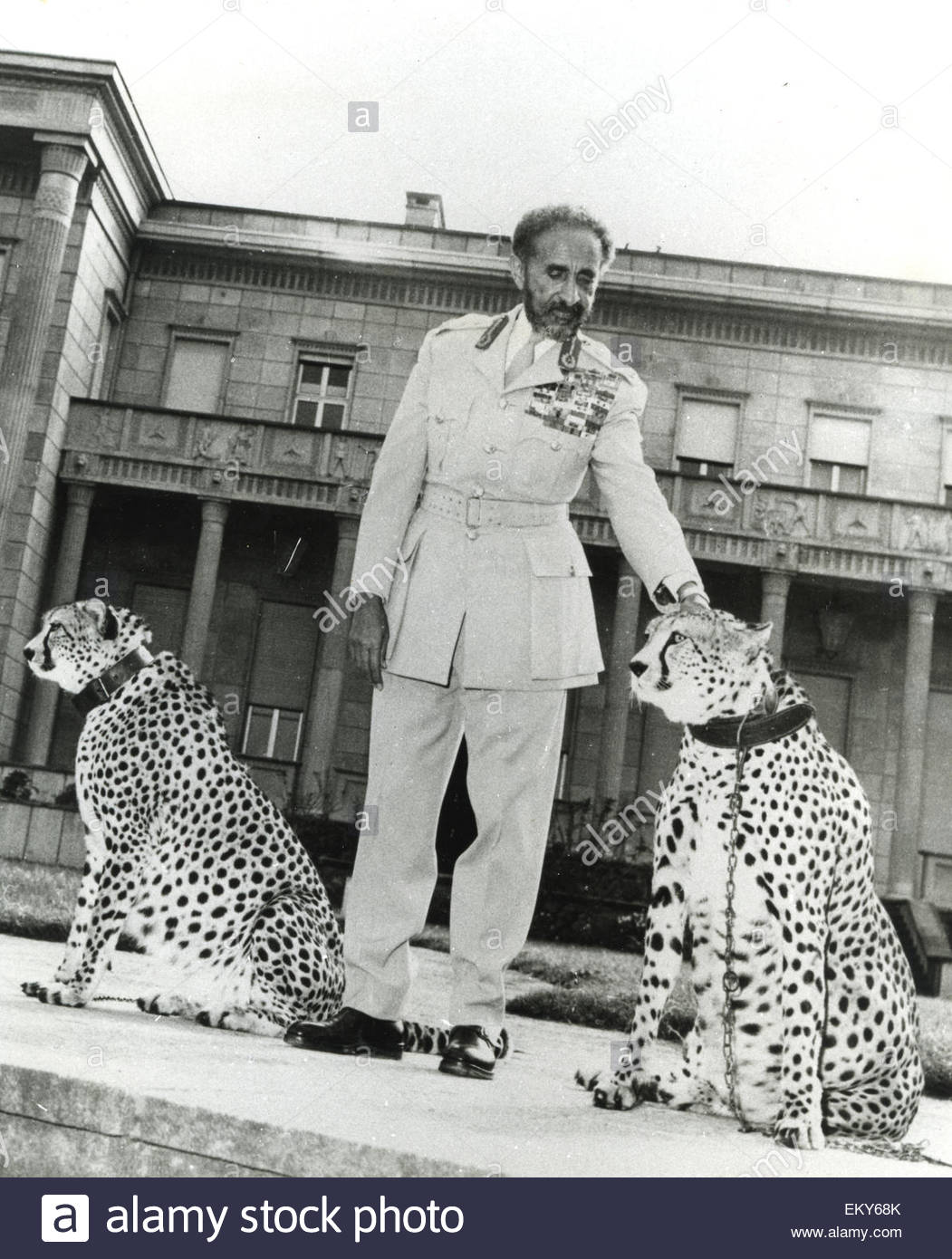
(Selassie in 1955)
In 1960 Selassie contributed Ethiopian troops to the United Nations Operation in the Congo peacekeeping force during the Congo crisis. Also in 1960 there was an unsuccessful coup to try to dispose Selassie. The coup spurred Selassie to accelerate reform. In 1962 Selassie declared Eritrea the fourteenth province of Ethiopia. Eritrea then started a war for their independence.
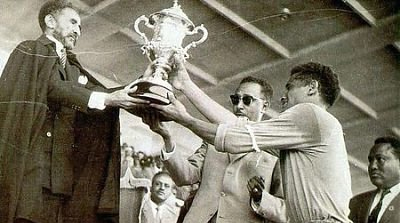
(Selassie in 1962)
In 1963 Selassie presided over the formation of the Organisation of African Unity (OAU). Selassie was elected as the OAU's first official chairperson. Also in 1963 Selassie attended President Kennedy’s funeral. In 1964 Selassie would initiate the concept of the United States of Africa, a proposition later taken up by Muammar Gaddafi.
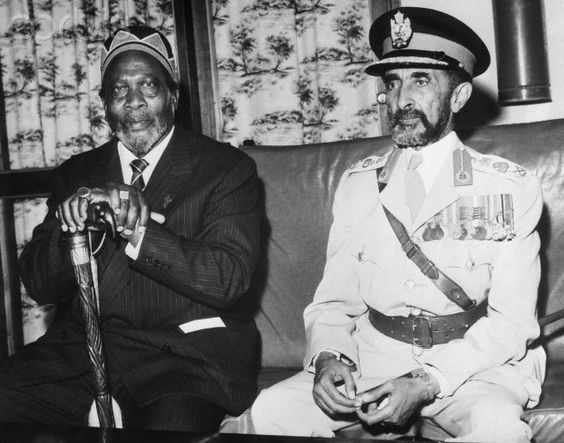
(Selassie (Right) with Jomo Kenyatta (Left))
In 1966 Selassie attempted to create a modern, progressive tax that included registration of land, which would significantly weaken the nobility. This law led to a revolt in Gojjam. In 1967 he visited Montreal, Canada to open the Ethiopian Pavilion at the Expo '67 World's Fair. In 1970 he visited Italy.
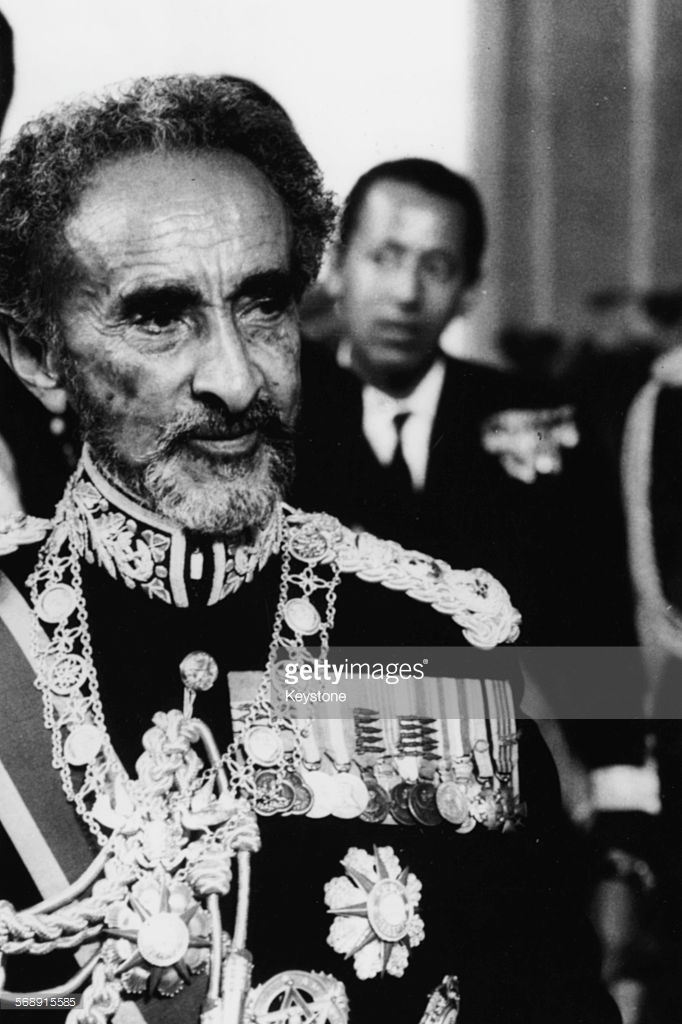
(Selassie in 1970)
In 1971 he visited China and met Chairman Mao. In 1972 famine killed 40,000 Ethiopians. Reports show that Selassie was unaware of the extent of the famine. In 1973 there was an oil crisis in Ethiopia. In 1974 4 days of serious riots in Addis Ababa against a sudden economic inflation left five dead. Selassie was then deposed from power and imprisoned.
(Selassie in 1974)
On August 27th, 1975 Emperor Haile Selassie died of respiratory failure in Addis Ababa, Ethiopia. He was 83 years old.
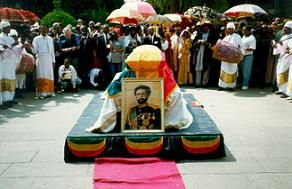
(Selassie’s funeral)
Today is the 42nd anniversary of his death. Take time to remember this great emperor today.

Videos of Emperor Haile Selassie
https://www.youtube.com/watch?v=oyX2kXeFUlo  “Stock Footage - 1936 NEWS: EMPEROR HAILE SELASSIE OF ETHIOPIA ADDRESSES LEAGUE OF NATIONS”

Anniversary of W.E.B. DuBois' Death

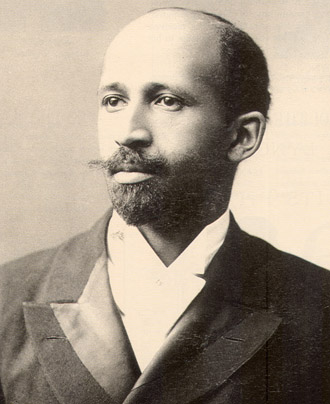
“To be a poor man is hard, but to be a poor race in a land of dollars is the very bottom of hardships” - W.E.B. Du Bois
(W.E.B. Du Bois)

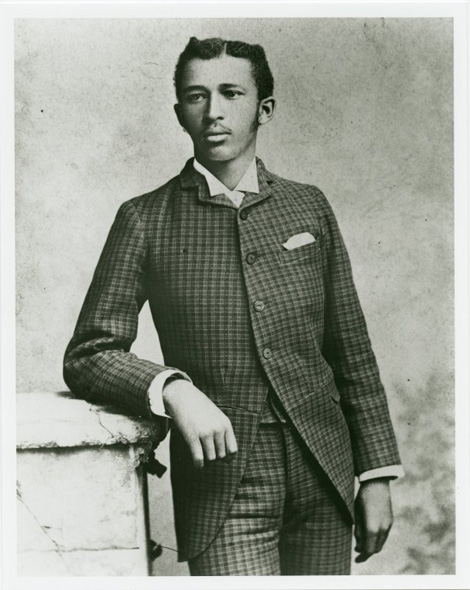
W.E.B. Du Bois, was born as William Edward Burghardt Du Bois on February 23rd 1868 in Great Barrington, Massachusetts, USA. Du Bois attended Fisk University in Nashville, TN from 1885 to 1888.

(Du Bois as a young man)
From 1888 to 1890 he attended Harvard University.
(Du Bois (1st to the right bottom row) while in Harvard)
In 1892 Du Bois received a fellowship to attend the University of Berlin. In 1895 he became the 1st African American to receive a Ph.D. from Harvard. In 1896 he performed sociological field research in Philadelphia's African American neighborhoods, which formed the foundation for his landmark study, The Philadelphia Negro (1899). In 1897 Du Bois expanded upon his thesis that African Americans should embrace their African heritage while contributing to American society. Also during this year he took a professorship in history and economics at Atlanta University in Georgia. Du Bois received grants from the U.S. government to prepare reports about the African American workforce and culture. In 1900 Du Bois attended the First Pan-African Conference held in London, England.
(Du Bois in 1900)
During the early 1900’s Du Bois opposed many ideas of a fellow leader in the Black community, Booker T. Washington. In 1901, Du Bois wrote a review critical of Washington's book Up from Slavery (1901). In 1903 Du Bois wrote a collection of 14 essays and published them as a book called The Souls of Black Folk. The book's effect on African Americans was comparable to that of Uncle Tom's Cabin (1852). In 1905 Du Bois and several other civil rights activists met in Canada near Niagara Falls. They wrote a declaration of principles opposing the Atlanta Compromise, and incorporated as the Niagara Movement in 1906.
(Du Bois (Middle row, 2nd from the right) at the Niagara Movement)
After multiple violent events against Blacks in 1906 Du Bois urged blacks to withdraw their support from the Republican Party, because Republicans Roosevelt and William Howard Taft did not sufficiently support blacks. In 1909 he wrote a biography of abolitionist John Brown. Also in 1909 Du Bois was the first African American invited by the American Historical Association (AHA) to present a paper at their annual conference. In 1910, at the second National Negro Conference, the attendees created the National Association for the Advancement of Colored People (NAACP).
(The NAACP)
Du Bois suggested using the word colored to involve other colored races to help with the organization. NAACP leaders offered Du Bois the position of Director of Publicity and Research and he accepted. In 1911 he attended the First Universal Races Congress in London, England. In 1915 Du Bois wrote that the scramble for Africa was at the root of World War I. Du Bois led to fight against the release of the movie The Birth of a Nation (1915) because of its racist portrayal of blacks as brutish and lustful. Du Bois traveled to Europe in 1919 to attend the first Pan-African Congress and to interview African American soldiers for a planned book on their experiences in World War I. After returning from Europe, Du Bois was more determined than ever to gain equal rights for African Americans. In 1920, Du Bois published Darkwater: Voices From Within the Veil. Between 1922 and 1924 Du Bois wrote in the NAACP’s magazine, The Crisis, about how Marcus Garvey was the “most dangerous enemy of the Negro race in America and the world”. A rivalry emerged in 1931 between the NAACP and the Communist Party, when the Communists responded quickly and effectively to support the Scottsboro Boys, which were 9 African American youth arrested in 1931 in Alabama for the rape of 2 white women. Du Bois and the NAACP felt that the case would not be beneficial to their cause. In 1934 Du Bois resigned from the NAACP. Du Bois took a trip around the world in 1936, which included visits to Nazi Germany, China and Japan. In 1941 Du Bois opposed the U.S. intervention in World War II, particularly in the Pacific, because he believed that China and Japan were emerging from the clutches of white imperialists. In 1942 the FBI began to compile a file on Du Bois. In 1943 Du Bois was fired from his position at Atlanta University which caused outrage by other scholars. Turning down job offers from Fisk and Howard, Du Bois re joined the NAACP as director of the Department of Special Research.
(Du Bois in 1943)
In 1945, Du Bois attended the final, Pan-African Congress, in Manchester, England. There Du Bois met Kwame Nkrumah, the future 1st president of Ghana who would later invite Du Bois to Africa. During the 1950s, the U.S. government's anti communist McCarthyism campaign targeted Du Bois because of his socialist leanings. In 1950 Du Bois ran for US Senator from New York on the American Labor Party ticket. In 1953 when Joseph Stalin died Du Bois wrote a eulogy of him. In 1958 Du Bois visited China.
(Mao Tse Tung (Left) and Du Bois (Right))
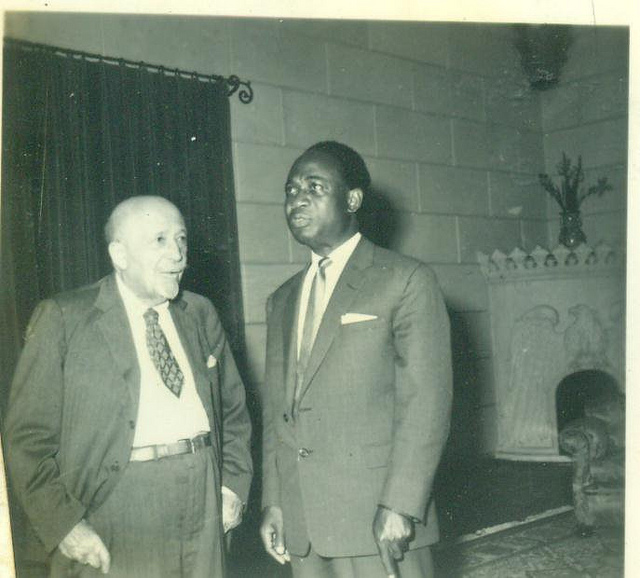
In 1963 Du Bois visited Ghana and met with Kwame Nkrumah.
(Du Bois (Left) and Kwame Nkrumah (Right))
On August 27th 1963 Du Bois died in Accra, Ghana. He was 95 years old.
(Du Bois’ funeral in Ghana)
Today is the 54th anniversary of his death. Take time to remember this great leader today.

Books by W.E.B. Du Bois
  • The Study of the Negro Problem (1898)
  • The Philadelphia Negro (1899)
  • The Negro in Business (1899)
  • The Souls of Black Folk (1903)
  • The Talented Tenth (1903)
  • Voice of the Negro II (1905)
  • John Brown: A Biography (1909)
  • Efforts for Social Betterment Among Negro Americans (1909)
  • Atlanta University’s Studies of the Negro Problem (1910)
  • The Negro (1915)
  • The Gift of Black Folk (1924)
  • Africa, Its Geography, People and Products (1930)
  • Africa: Its Place in Modern History (1930)
  • Black Reconstruction in America (1935)
  • What the Negro Has Done for the United States and Texas (1936)
  • Black Folk, Then and Now (1939)
  • Color and Democracy: Colonies and Peace (1945)
  • The Encyclopedia of the Negro (1946)
  • The World and Africa (1946)
  • The World and Africa, an Inquiry into the Part Which Africa Has Played in World History (1947)
  • Peace is Dangerous (1951)
  • I Take My Stand for Peace (1951)
  • In Battle for Peace (1952)
  • Africa in Battle Against Colonialism, Racialism, Imperialism (1960)

Wednesday, August 23, 2017

Anniversary of Huey P. Newton's Death

“You can jail a Revolutionary, but you can't jail the Revolution” - Huey P. Newton
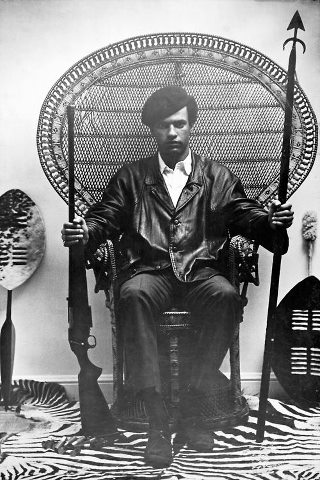
(Huey P. Newton)
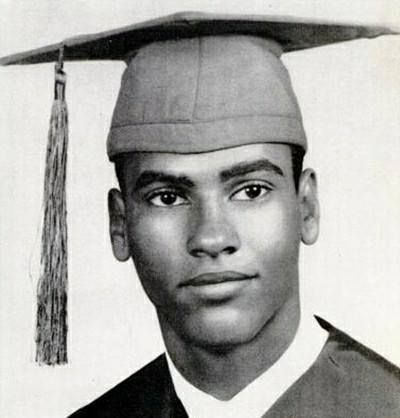
Dr. Huey Percy Newton was born February 17, 1942 in Monroe, Louisiana, USA. In 1945 Newton’s family moved out to Oakland, CA.
(Newton’s high school photo)
He attended Merritt College, San Francisco Law School, and the University of California Santa Cruz where he earned a bachelor's degree and later a Ph.D in social philosophy. In 1964 Newton was convicted of assault with a deadly weapon and served 6 months in jail. While attending Merritt College Newton became involved in the politics of the Bay Area. He joined the Afro-American Association and became a member of the fraternity Phi Beta Sigma. He played a role in getting the first African-American History course in Merritt College.  He read the works of Karl Marx, Vladimir Lenin, Frantz Fanon, Malcolm X, Mao Zedong, Durkheim, and Che Guevara during his time at Merritt College. Newton and friend Bobby Seale founded the Black Panther Party for Self Defense in October of 1966.
(Bobby Seale (Left) and Newton (Right) standing in front of the Black Panther Party HQ)
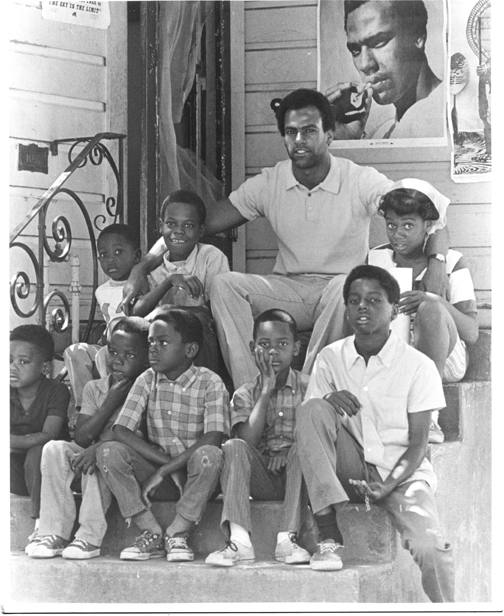
Bobby Seale became chairman of the organization and Newton became the minister of defense. Many of the Black Panther’s beliefs were influenced by Malcolm X. The party’s goals were included in their 10 point program. They promoted self defense and for Blacks to defend themselves from police brutality and other racially motivated attacks against them. Newton sought to educate those around him about the legality of self-defense while recruiting new members to the party. The Panthers did numerous things for the Bay Area community including founding the Oakland Community School, which provided high-level education to 150 children from impoverished urban neighborhoods. Other Panther programs included the Free Breakfast for Children Program and others that offered dances for teenagers and training in martial arts.
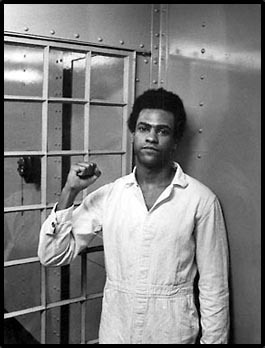
(Newton pictured with the local youth of Oakland, CA) On October 28th 1967 Newton and a friend were pulled over by Oakland Police officers. While trying to arrest Newton and his friend shots were fired and Newton and 2 police officers were wounded. 1 of the officers died from the bullet wounds. No guns were found on Newton or the officer that died. Newton was then arrested and charged for the death of the officer. Newton was convicted of voluntary manslaughter in September of 1968. He was sentenced to 2 to 15 years.
(Newton in jail after being convicted of voluntary manslaughter)
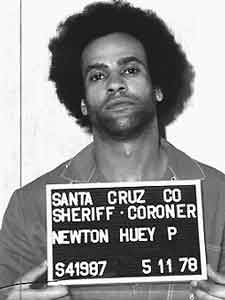
In May of 1970 the conviction was reversed and a new trial was ordered. The charges were dismissed after 2 new trials ending in hung juries. Newton received an invitation to visit the People’s Republic of China in 1970 and visited in 1971. He was greeted by thousands of people that were in support of the Black Panther Party.In 1974 he earned a bachelor’s degree from the University of California Santa Cruz. On August 6th 1974 Newton shot an 18 year old woman after she made him mad after a casual exchange. Newton and his girlfriend fled to Cuba and lived there until 1977.
(Newton’s mugshot)
Newton was acquitted in September of 1978. Newton earned a Ph.D. in social philosophy at the University of California Santa Cruz in 1980.
(Newton at his graduation following earning his Ph.D.)
On August 22nd, 1989 Newton was fatally shot by a Black Guerrilla Family member in Oakland, CA. He was 47 years old.
Image result for huey newton funeral(Newton’s Funeral)
Today is the 28th anniversary of his death. Take time to remember this great revolutionary today.

Movies Involving Huey P. Newton
  • Panther (1995)
  • A Huey P. Newton Story (2001)
  • The Black Panthers: Vanguard of the Revolution (2015)

Books Involving Huey P. Newton
  • To Die For the People (1972) By Huey P. Newton
  • Revolutionary Suicide (1973) By Huey P. Newton
  • War Against the Panthers (1980) By Huey P. Newton

Videos including Huey P. Newton

Anniversary of George Jackson's Death

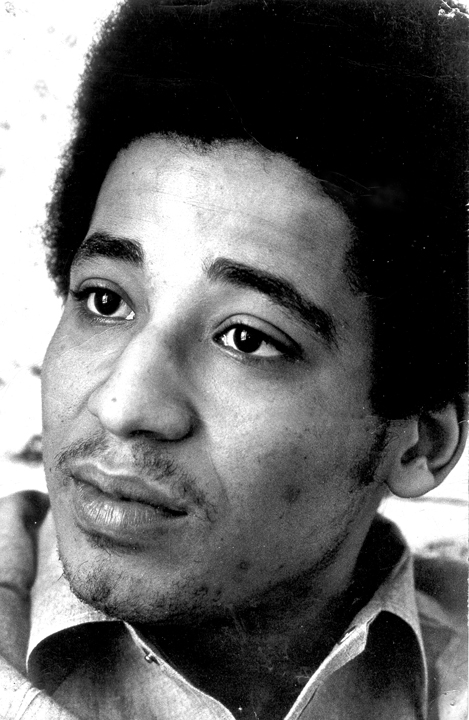
“Patience has its limits. Take it too far, and it's cowardice” - George Jackson
Image result for george jackson(George Jackson)
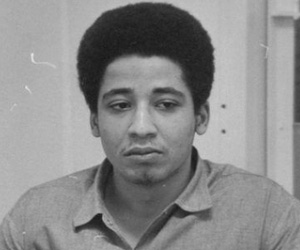
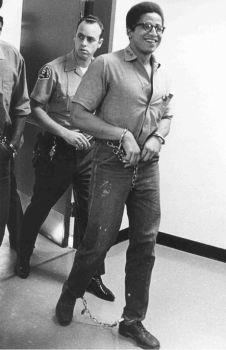
George Jackson was born on September 23rd, 1941 in Chicago, Illinois, USA. As an adolescent he spent time in the California Youth Authority Corrections facility. In 1961 he was convicted of armed robbery and sentenced to 1 year to life in prison. While in prison he became involved in revolutionary activity. In 1966 he started to learn about Marxist and Maoist ideology.
Image result for george jackson 1966(Jackson in 1966)
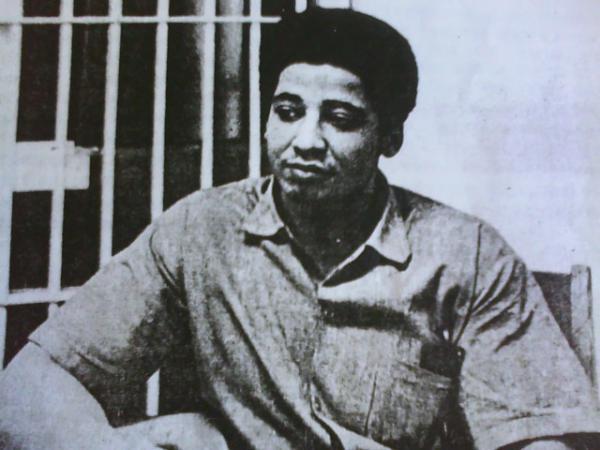
Also in 1966 he and W.L. Nolen founded the “Black Guerilla Family”. He also joined the Black Panther Party after meeting Huey P. Newton in prison. In 1970 Jackson was convicted of murdering a corrections officer.
Image result for george jackson 1970(Jackson in 1970)
While being tried in the courtroom Jackson’s younger brother burst into a Marin County courtroom with an automatic weapon, freed prisoners James McClain, William A. Christmas and Ruchell Magee, and took Judge Harold Haley, Deputy District Attorney Gary Thomas, and three jurors hostage to demand the release of his brother among others. In 1971 Jackson met with an attorney on a civil lawsuit Jackson had filed against the California Department of Corrections. After the meeting while being escorted back to his cell a C.O. notices something in his hair and realizes it's a wig and then out of his wig Jackson pulls out a pistol and ordered the C.O. to open the other cells. Other inmates took the guards and 2 inmates hostage.
Image result for george jackson 1971(Jackson in 1971)
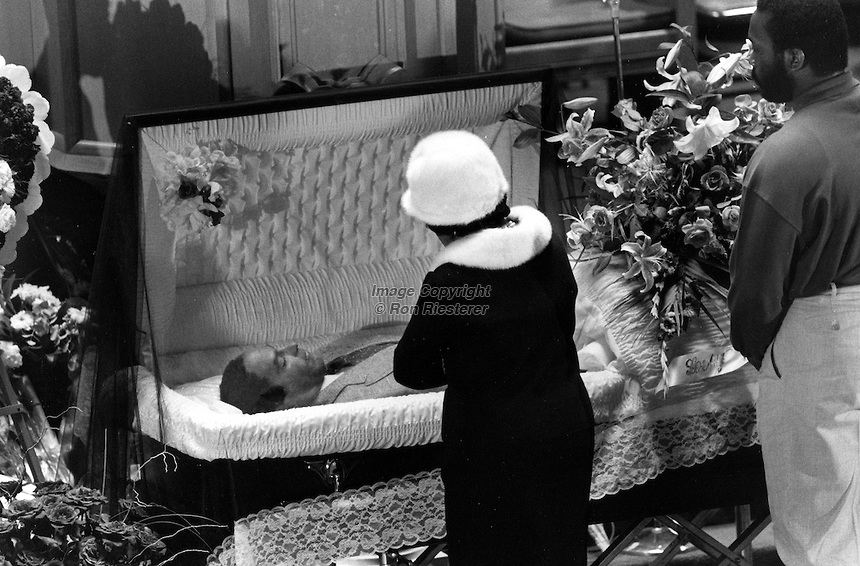
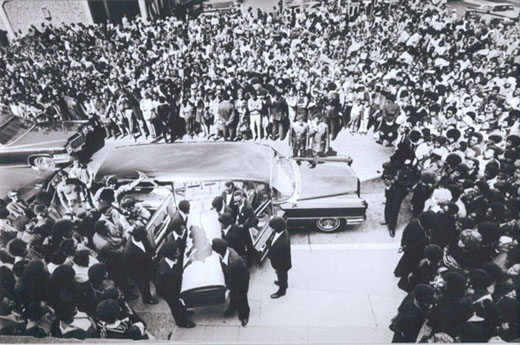
On August 21st, 1971 while trying to escape the prison George Jackson was shot and killed by guards. He was 29 years old.
Image result for george jackson funeral(Jackson’s Funeral)
Today is the 46th anniversary of his death. Take time to remember this great revolutionary today.

Books by George Jackson
  • Soledad Brother: The Prison Letters of George Jackson (1994)
  • Blood in My Eye (1996)

Videos of George Jackson