“Education is the most powerful weapon which you can use to change the world” - Nelson Mandela
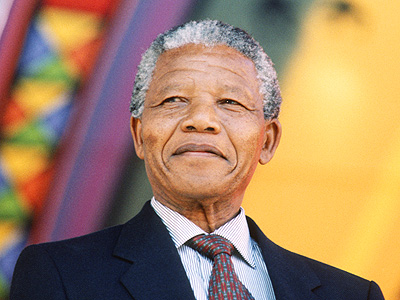 (Nelson Mandela)
Nelson Mandela was born as Rolihlahla Mandela on July 18th, 1918 in Mvezo, Cape Province, South Africa. When he was 7 years old he was sent to a local Methodist school. He was given the name “Nelson” by his teacher. Mandela’s father died when Mandela was 9 years old. At 16 years old Mandela and several other boys travelled to Tyhalarha to undergo the circumcision ritual that symbolically marked their transition from boys to men. In 1934 Mandela began his secondary education at Clarkebury Methodist High School. In 1937 he moved to Healdtown, the Methodist college in Fort Beaufort.
 (Mandela in 1937)
Mandela then began work on a Bachelor of Arts degree at the University of Fort Hare. In 1940 Mandela went to Mqhekezweni and found that a marriage had been arranged for him. In 1941 Mandela moved to Johannesburg with his girlfriend Justice. Mandela found work as a night watchman at Crown Mines. While visiting communist meetings Mandela was impressed that Europeans, Africans, Indians and Coloureds were mixing as equals. He did not join the communist party due to his religious beliefs. Continuing his higher education, Mandela signed up to a University of South Africa correspondence course, working on his bachelor's degree at night. After passing his BA exams in 1943 Mandela returned to Johannesburg to follow a political path as a lawyer.
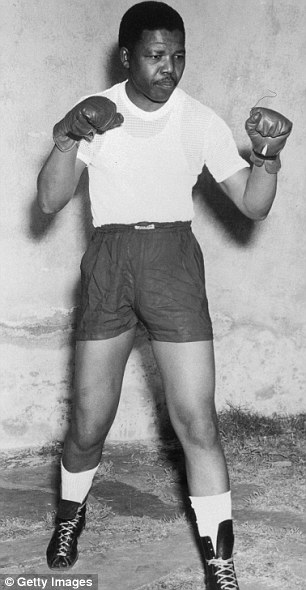 (Mandela in 1943)
Also in 1943 Mandela began studying law at the University of the Witwatersrand, where he was the only black African student in the faculty. He also marched in support of a successful bus boycott to reverse fare rises in 1943. He joined the ANC the same year. In 1944 Mandela became apart of the African National Congress Youth League’s (ANCYL) executive committee. Also in 1944 Mandela married Evelyn Mase.
 (Mandela (Left) and Evelyn Mase (Right))
In 1947 Mandela was elected to the executive committee of the ANC's Transvaal Province branch. In 1948 Mandela and his cadres began advocating direct action against apartheid, such as boycotts and strikes. In 1949 due to failing his final year at his college 3 times he was denied a degree. In 1950 Mandela was elected national president of the ANCYL.
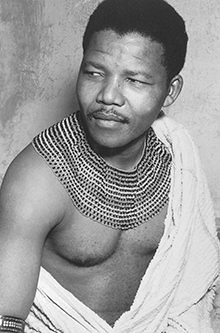 (Mandela in 1950)
In 1952 Mandela began work at the H.M. Basner law firm. Also in 1952 the ANC began preparation for a joint Defiance Campaign against apartheid with Indian and communist groups, founding a National Voluntary Board to recruit volunteers. After addressing a crowd of 10,000 initiating the campaign protests Mandela was arrested. The events of the campaign resulted in Mandela establishing himself as one of the best known Black political figures in South Africa. The ANC then grew to 100,000 members. The government responded with mass arrests and instituted martial law. Mandela was then elected as the ANC’s president.
 (Mandela in 1952)
Mandela was then arrested under the Suppression of Communism Act and stood trial as 1 of the 21 accused. Mandela was found guilty of "statutory communism”. Mandela was given a 6 month ban from attending meetings or talking to more than 1 individual at a time. In 1953 Mandela opened a law firm. It was the only African run law firm in the country.
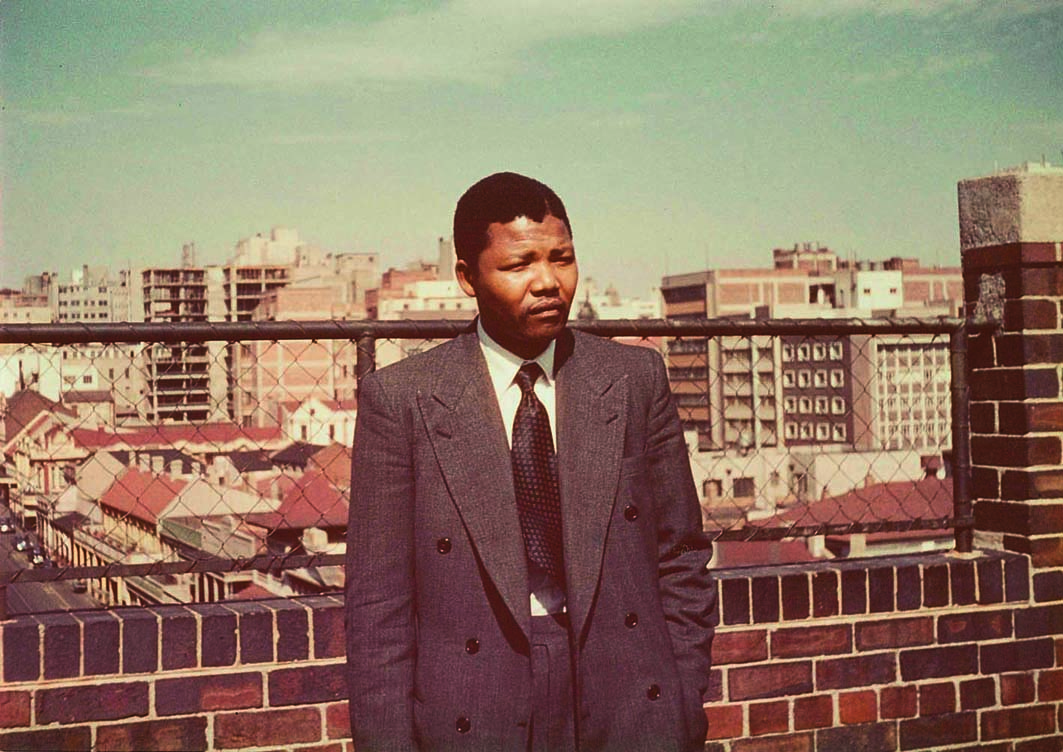 (Mandela in 1953)
In 1955 after taking part in the unsuccessful protest to prevent the forced relocation of all Black people from the Sophiatown suburb of Johannesburg, Mandela concluded that violent action would prove necessary to end apartheid and white minority rule. In 1956 his wife left him. Also in 1956 Mandela was arrested alongside most of the ANC national executive, accused of "high treason" against the state. In 1958 Mandela married Winnie Madikizela.
 (Mandela (Left) and Winnie Madikizela (Right))
In 1960 the ANC and PAC took part in an anti pass campaign in which Africans burned the passes that they were legally obliged to carry. The group of protesters were fired upon by police causing 69 protestors to be killed. It was called the Sharpeville massacre.
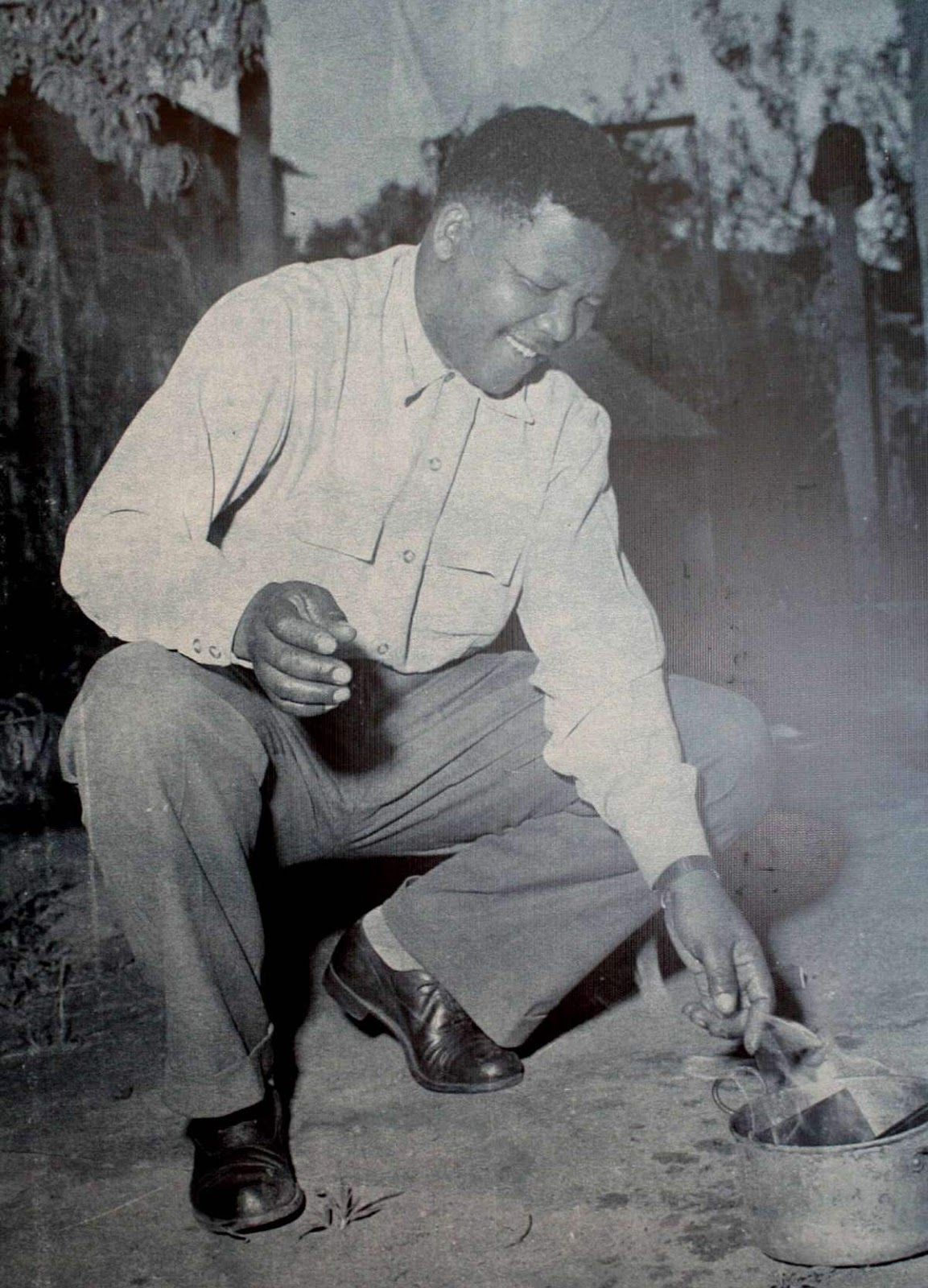 (Mandela in 1960)
The government declared martial law and banning the ANC and PAC. They arrested Mandela and other activists, imprisoning them for five months without charge in the unsanitary conditions. In 1961 Mandela was found not guilty of the “high treason” charges. Also in 1961 Mandela planned a stay at home strike. A warrant for his arrest was put out by the police. Also in 1961 Mandela became chairman of Spear of the Nation (MK).
 (Mandela in 1961)
MK planned to carry out acts of sabotage that would exert maximum pressure on the government with minimum casualties. MK publicly announced its existence with 57 bombings on Dingane's Day. In 1962 the ANC decided to send Mandela as a delegate to the Pan African Freedom Movement for East, Central and Southern Africa which was held in Ethiopia. Mandela met with Emperor Haile Selassie I, and gave his speech after Selassie's at the conference. Mandela then traveled to Cairo, Egypt, admiring the political reforms of President Gamal Abdel Nasser. He then went to Tunis, Tunisia, where President Habib Bourguiba gave him £5,000 for weaponry. He proceeded to Morocco, Mali, Guinea, Sierra Leone, Liberia, and Senegal, receiving funds from Liberian President William Tubman and Guinean President Ahmed Sékou Touré. He also traveled to England where he met anti apartheid activists, reporters, and prominent politicians. Mandela then went back to Ethiopia where he went through 2 months of guerrilla warfare training.
 (Mandela in 1962)
Mandela then returned to South Africa. He was arrested along with fellow activist Cecil Williams. The US’s CIA helped the South African government find Mandela. Mandela was charged with inciting workers' strikes and leaving the country without permission. He was found guilty of the charges. He was sentenced to 5 years imprisonment. In 1963 Mandela and his comrades were charged with 4 counts of sabotage and conspiracy to violently overthrow the government. The trial gained international attention. There were global calls for the release of the accused from the United Nations and World Peace Council. In 1964 Mandela and his 2 comrades were found guilty of the charges and was sentenced to life in prison.
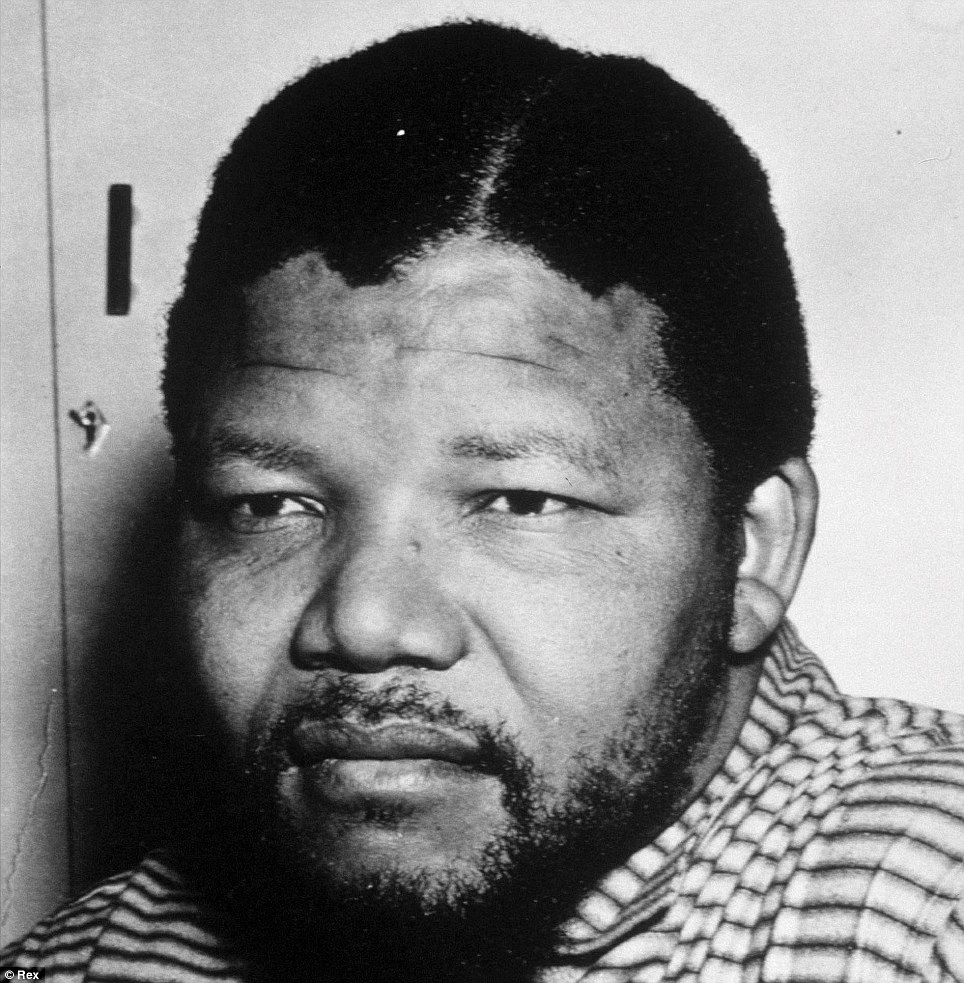 (Mandela in 1964)
Mandela was imprisoned in a damp concrete cell measuring 8 feet by 7 feet, with a straw mat on which to sleep. He was verbally and physically harassed by the White guards and warden. The guards would line up Mandela and his comrades on the ground and urinate on their faces. During the day he had to break rocks into gravel. In 1965 he was reassigned to work in a lime quarry. Mandela was initially forbidden to wear sunglasses and the glare from the lime permanently damaged his eyesight. At night he worked on his LLB degree.
 (Mandela in prison)
He was locked in solitary confinement on several occasions for possessing smuggled news clippings. He was permitted 1 visit and 1 letter every 6 months, although all mail was heavily censored. Mandela was elected by the other prisoners to represent them. Mandela attended Christian services while in prison and studied Islam. He also studied Afrikaans, hoping to build a mutual respect with the warders and convert them to his cause. In 1967 prison conditions improved. Black prisoners were given trousers rather than shorts, games were permitted, and the standard of their food was raised. In 1968 his mother died and he was forbidden from attending the funeral. His son died the same year in a car accident and Mandela was again forbidden from attending the funeral. His wife was rarely able to visit, being regularly imprisoned for political activity. In 1975 Mandela had become a Class A prisoner, allowing greater numbers of visits and letters. He corresponded with anti apartheid activists like Mangosuthu Buthelezi and Desmond Tutu. In 1979 he was awarded an honorary doctorate in Lesotho and the Jawaharlal Nehru Award for International Understanding in India. In 1980 the slogan "Free Mandela!" was developed by journalist Percy Qoboza, sparking an international campaign that led the UN Security Council to call for his release. The South African government who was backed by the US and UK refused to release Mandela. In 1982 he was transferred to another prison. He was then permitted 52 letters a year. He was then appointed patron of the multiracial United Democratic Front (UDF). In 1985 Mandela underwent surgery on an enlarged prostate gland. In 1988 Mandela was moved to another prison. He was housed in the relative comfort of a warder's house with a personal cook, and used the time to complete his LLB degree. He was permitted many visitors and organised secret communications with exiled ANC leader Oliver Tambo.
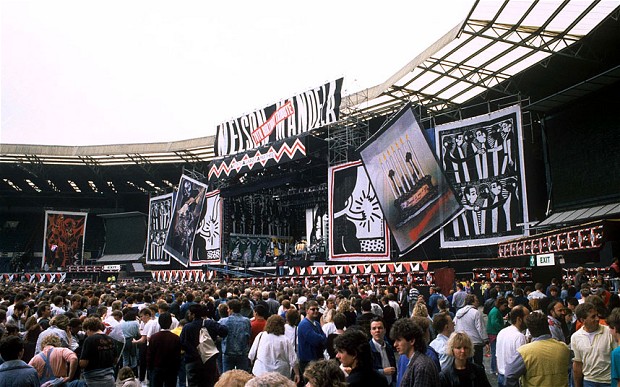 (A concert in support of Mandela’s release)
In 1989 F.W. de Klerk met with Mandela. In 1990 Mandela was released from prison.
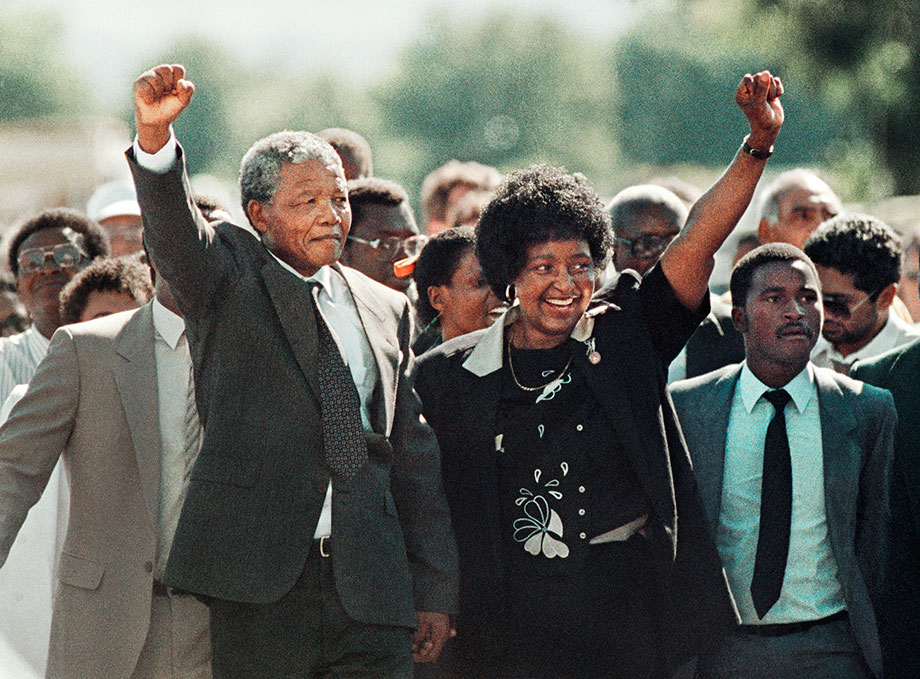 (Mandela (Left) and Winnie Mandela (Right))
Mandela proceeded on an African tour, meeting supporters and politicians in Zambia, Zimbabwe, Namibia, Libya and Algeria. Also he appeared at the Nelson Mandela: An International Tribute for a Free South Africa concert at Wembley Stadium. He was also met by Pope John Paul II in Vatican City.
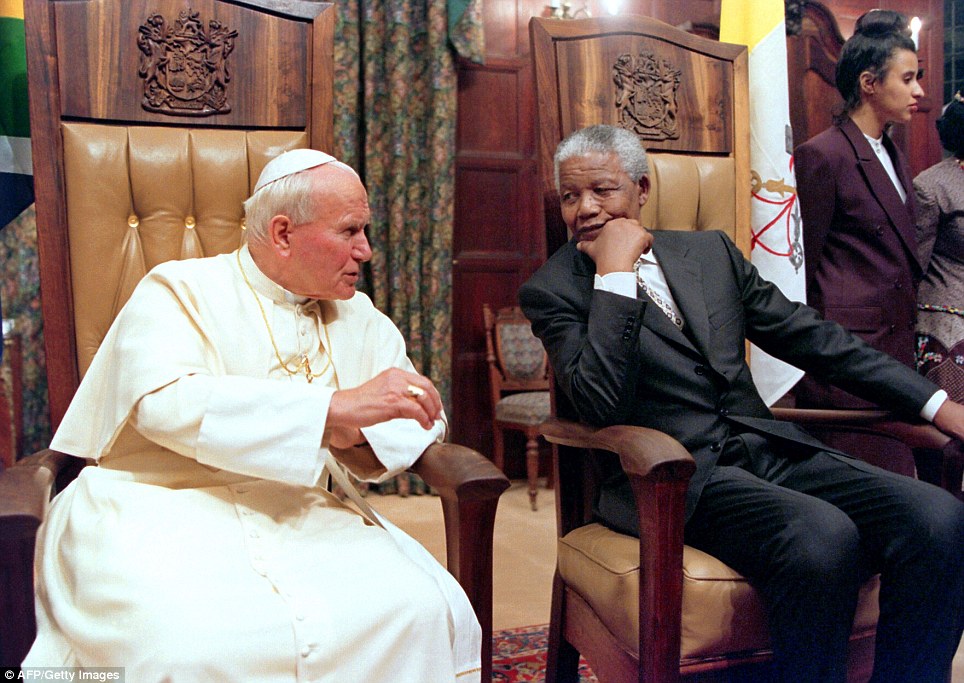 (Mandela (Right) and Pope John Paul II)
In the US he met president George H.W. Bush. In Cuba he met Fidel Castro.
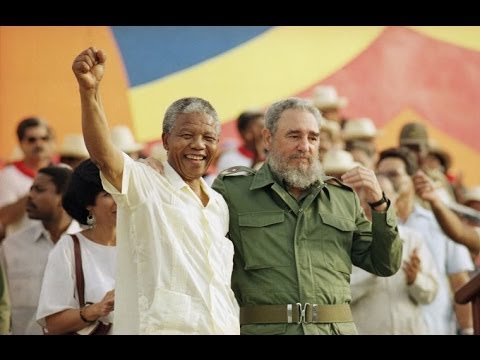 (Mandela (Left) and Fidel Castro (Right))
He then led a multiracial ANC delegation into preliminary negotiations with a government delegation of 11 Afrikaner men. He spent much time trying to unify and build the ANC, appearing at a Johannesburg conference attended by 1600 delegates. Mandela was given an office in the ANC headquarters. In 1992 he divorced his wife. In 1993 Mandela and de Klerk visited the US, independently meeting President Bill Clinton and each receiving the Liberty Medal.
 (Mandela (Right) and Bill Clinton (Left))
They were then awarded a Nobel peace prize. In 1994 Mandela became a candidate for presidency of South Africa. Mandela won the election by 63%.
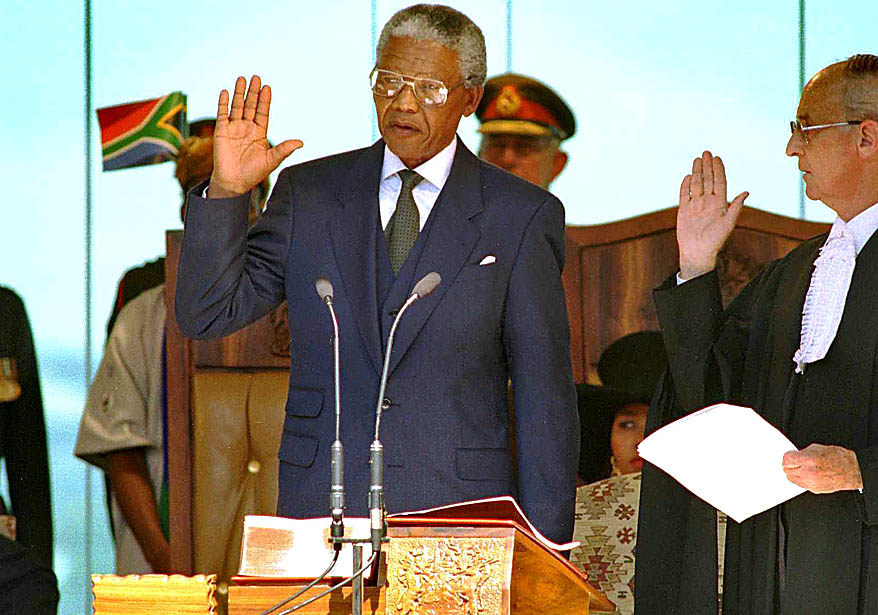 (Mandela in 1994)
Mandela headed a Government of National Unity dominated by the ANC. Celebrities such as Michael Jackson, Whoopi Goldberg, and the Spice Girls met with Mandela.
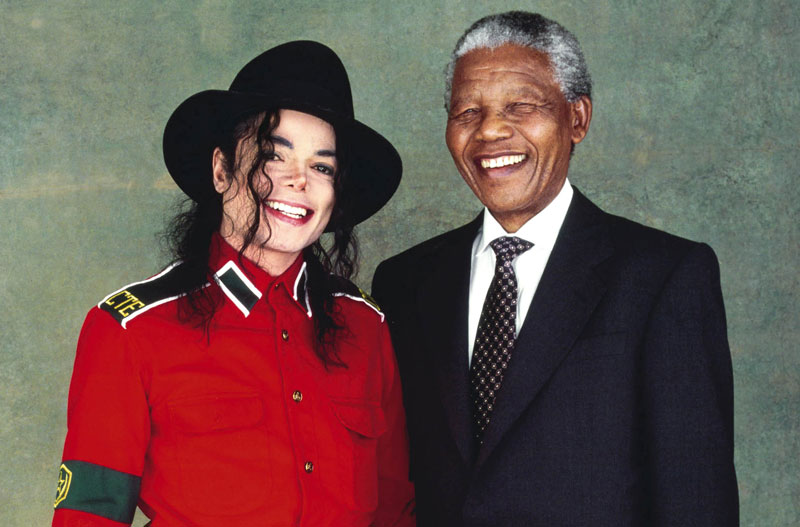 (Mandela (Right) and Michael Jackson (Left))
Also in 1994 he published his book Long Walk to Freedom. Also in 1994 Mandela introduced free healthcare for children under six and pregnant women. In 1995 Mandela personally met with senior figures of the apartheid regime emphasising personal forgiveness and reconciliation. Mandela oversaw the formation of a Truth and Reconciliation Commission to investigate crimes committed under apartheid by both the government and the ANC, appointing Desmond Tutu as its chair.
 (Mandela (Right) and Desmond Tutu (Left))
In 1997 Mandela stepped down as ANC President. In 1998 Mandela was appointed Secretary General of the Non Aligned Movement. Mandela visited Muammar Gaddafi the same year.
 (Mandela (Left) and Muammar Gaddafi (Right))
Also in 1998 Mandela got married. In 1999 welfare spending increased 33%. Also in 1999 3 million people were connected to telephone lines, 1.5 million children were brought into the education system, 500 clinics were upgraded or constructed, 2 million people were connected to the electricity grid, water access was extended to 3 million people, and 750,000 houses were constructed, housing nearly 3 million people. Mandela retired the same year. He then founded the Nelson Mandela Foundation.
 (Mandela in 1999)
Mandela opposed the 1999 NATO intervention in Kosovo and called it an attempt by the world's powerful nations to police the entire world. In 2001 Mandela was treated for prostate cancer. In 2003 he spoke out against the plans for the US and UK to launch a war in Iraq. He attacked the US more generally asserting that it had committed more "unspeakable atrocities" across the world than any other nation.
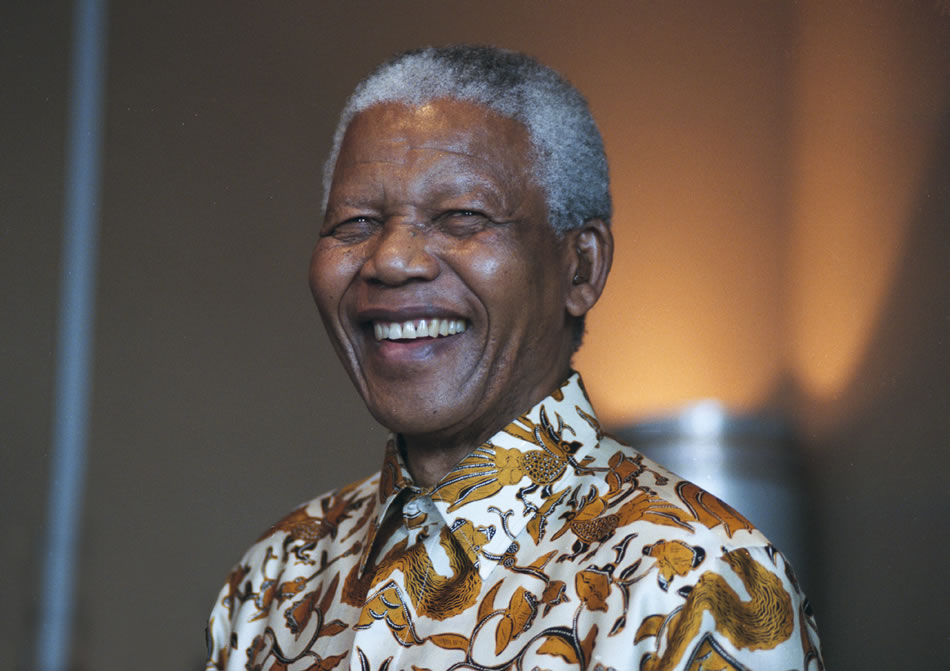 (Mandela in 2003)
In 2005 he founded the Nelson Mandela Legacy Trust. He spoke with U.S. Senator Hillary Clinton, President George W. Bush and U.S. Senator Barack Obama.
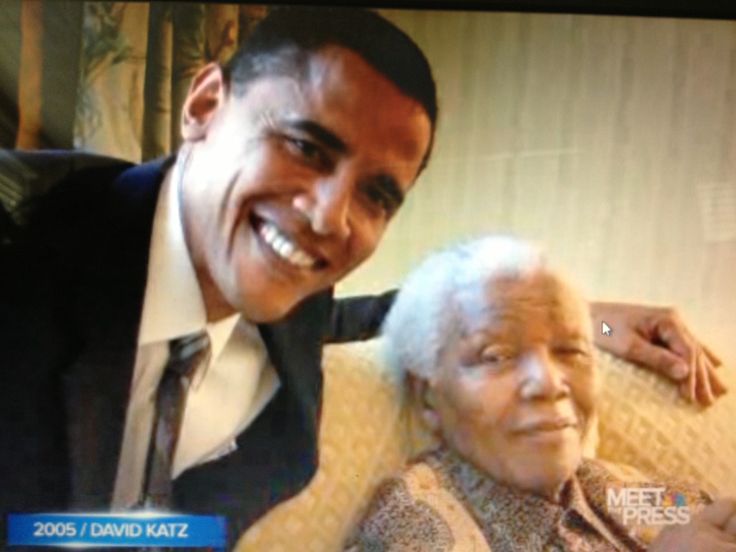 (Mandela (Right) and Barack Obama (Left))
In 2007 Mandela spoke out against Zimbabwean president Robert Mugabe. In 2011 Mandela was briefly hospitalized with a respiratory infection. In 2013 he was hospitalized again.
 (Mandela in 2013)
On December 5th, 2013 Nelson Mandela died of a respiratory infection in Johannesburg, South Africa. He was 95 years old.
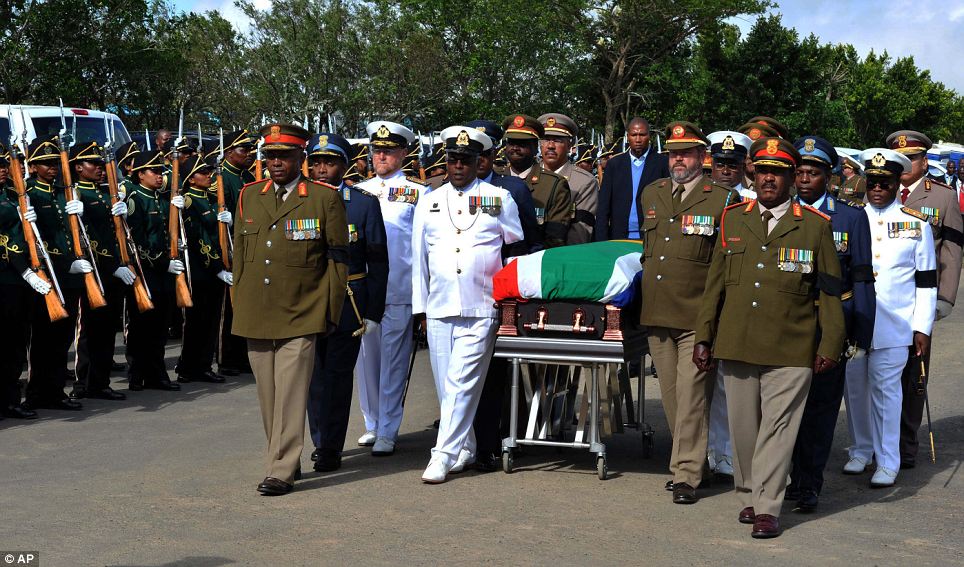 (Mandela’s funeral)
Today is his 99th birthday and we would all like to say happy birthday and rest in peace Nelson Mandela.
Videos of Nelson Mandela
Books by Nelson Mandela
Long Walk to Freedom (1994)
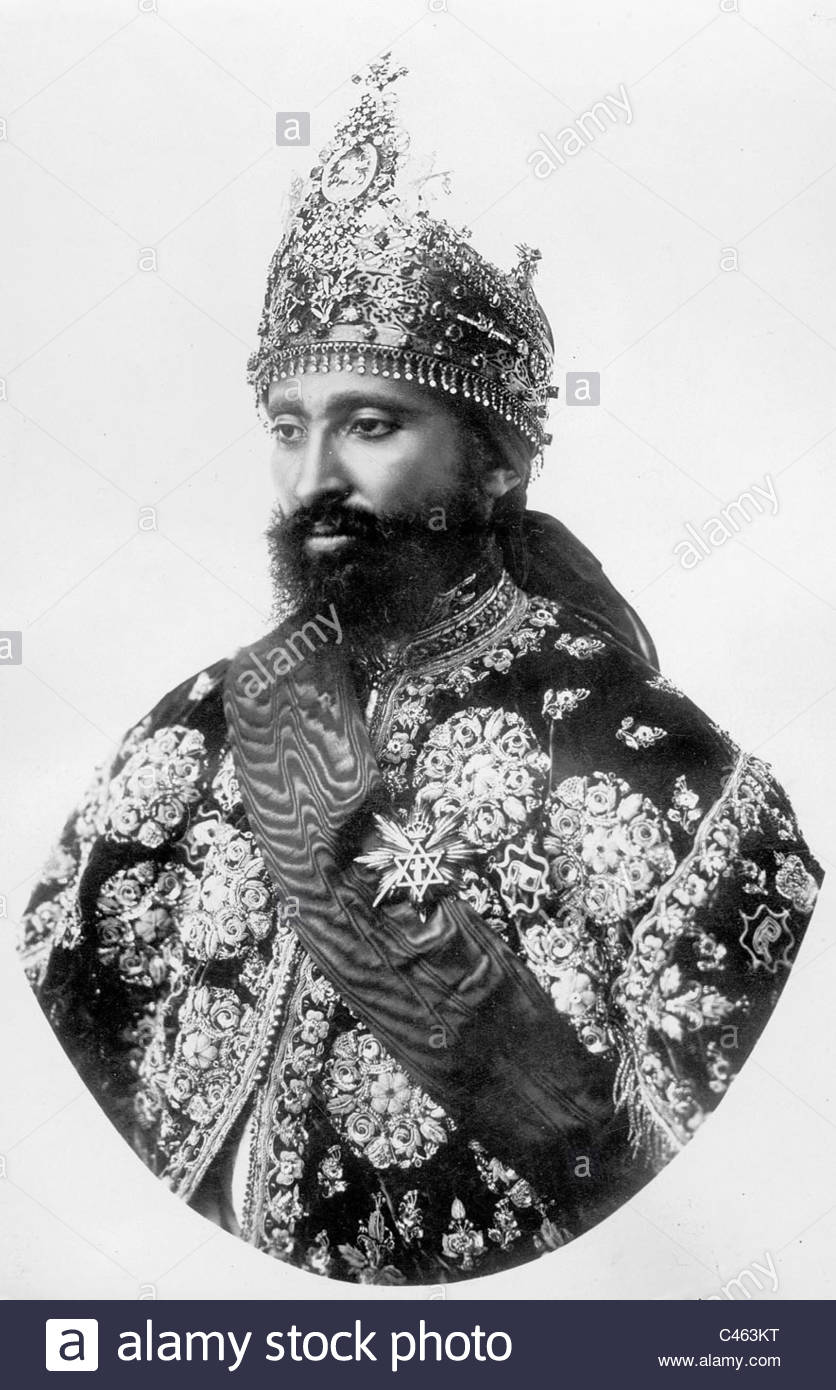
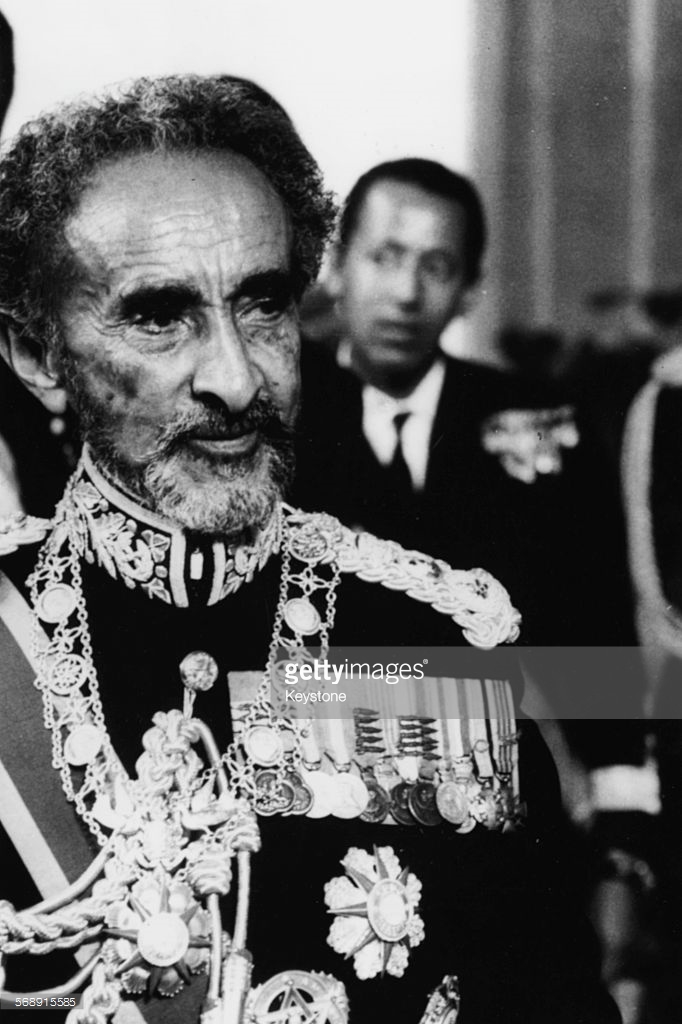
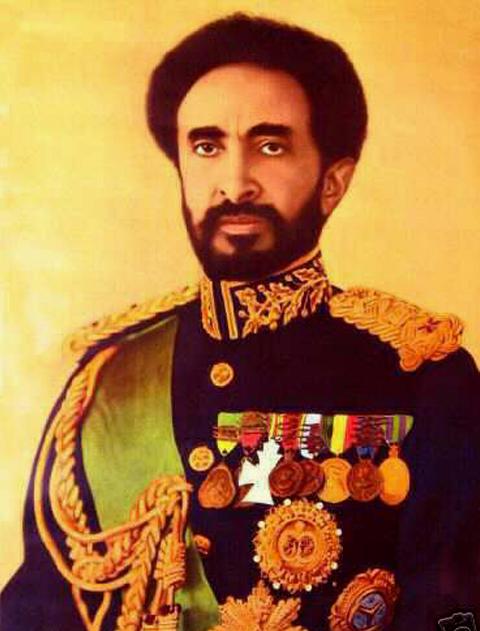 (Emperor Haile Selassie)
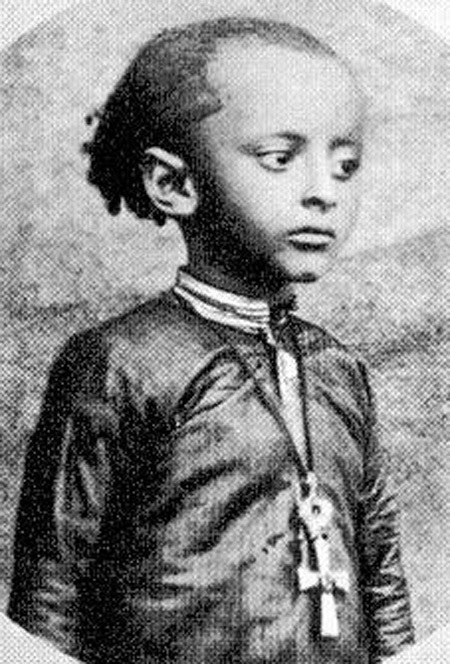 (Woldemikael as a child)
 (Woldemikael in 1924)
 (Selassie in 1930)
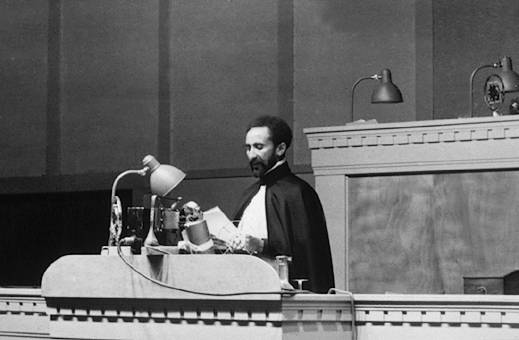 (Selassie in 1935)
 (Selassie in 1937)
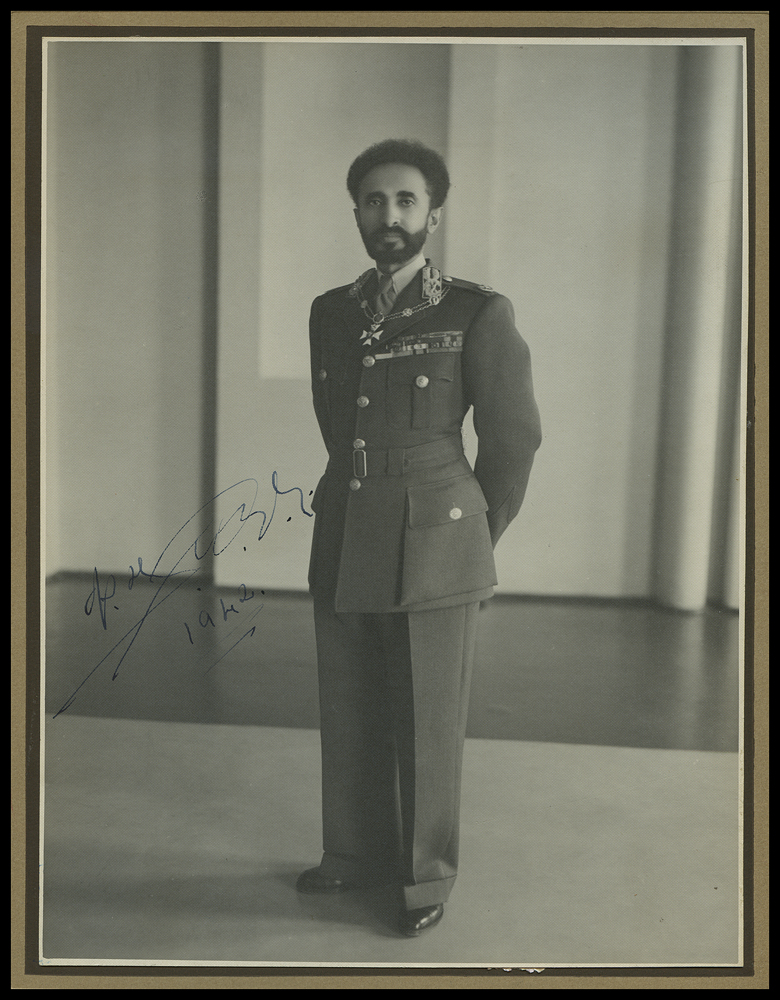
 (Selassie in 1942)
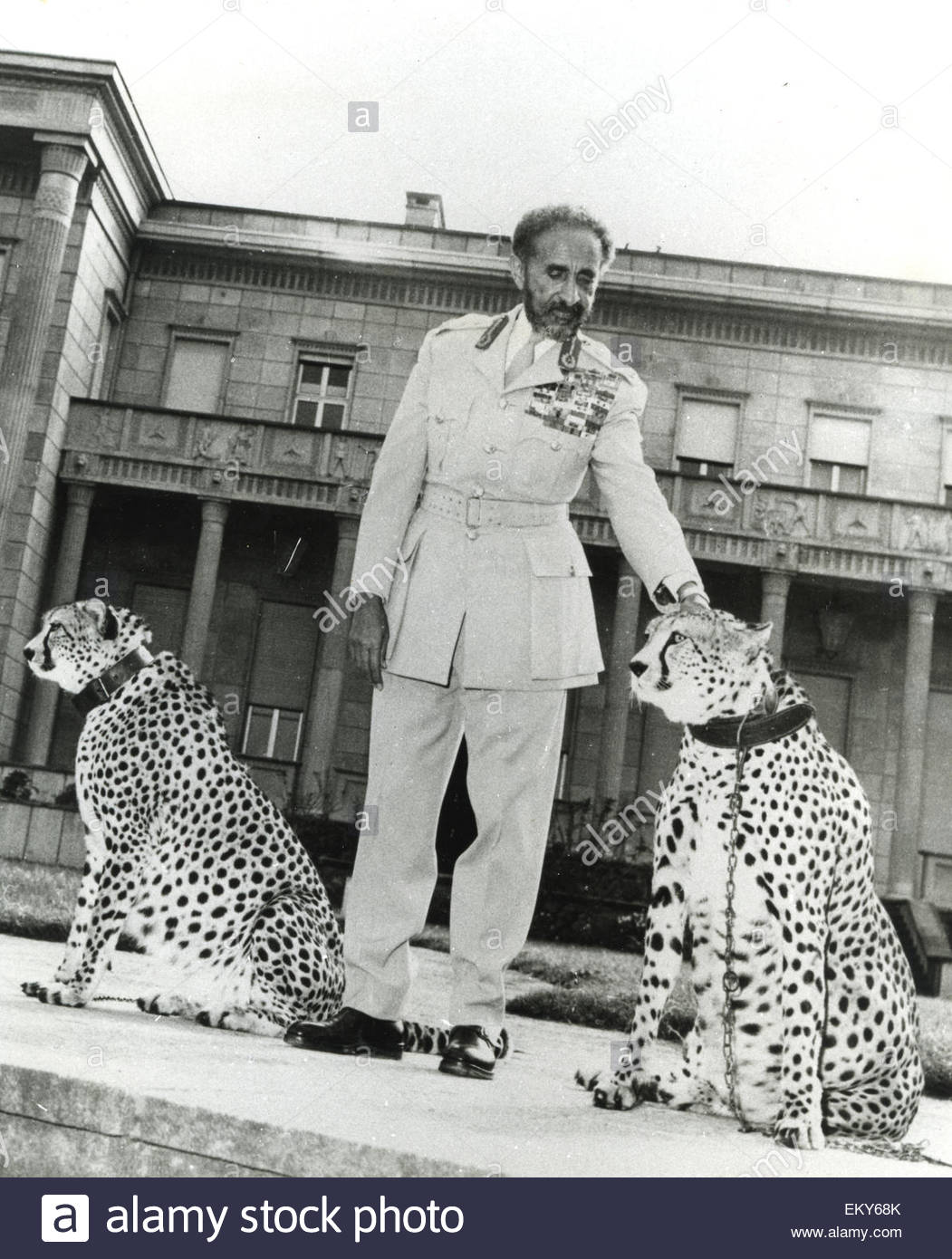 (Selassie in 1955)
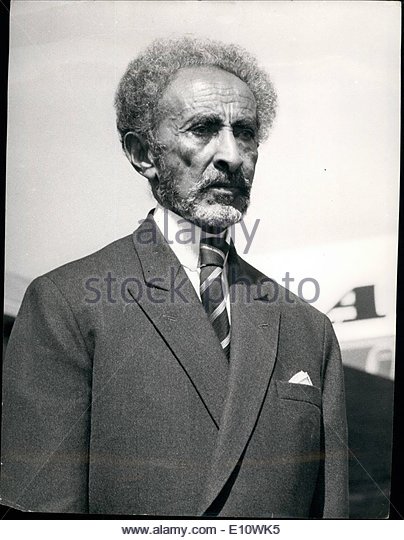
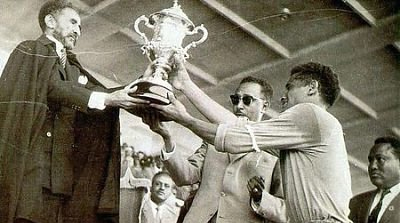 (Selassie in 1962)
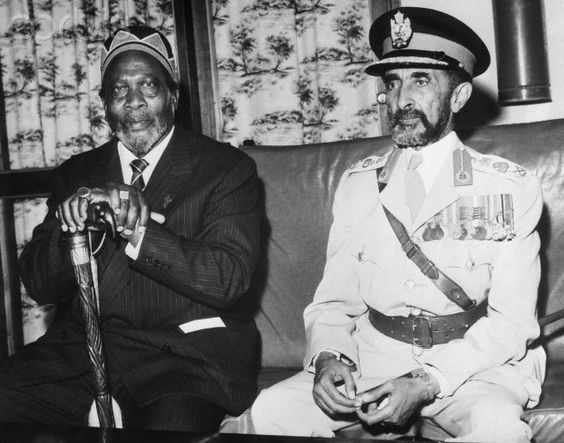 (Selassie (Right) with Jomo Kenyatta (Left))
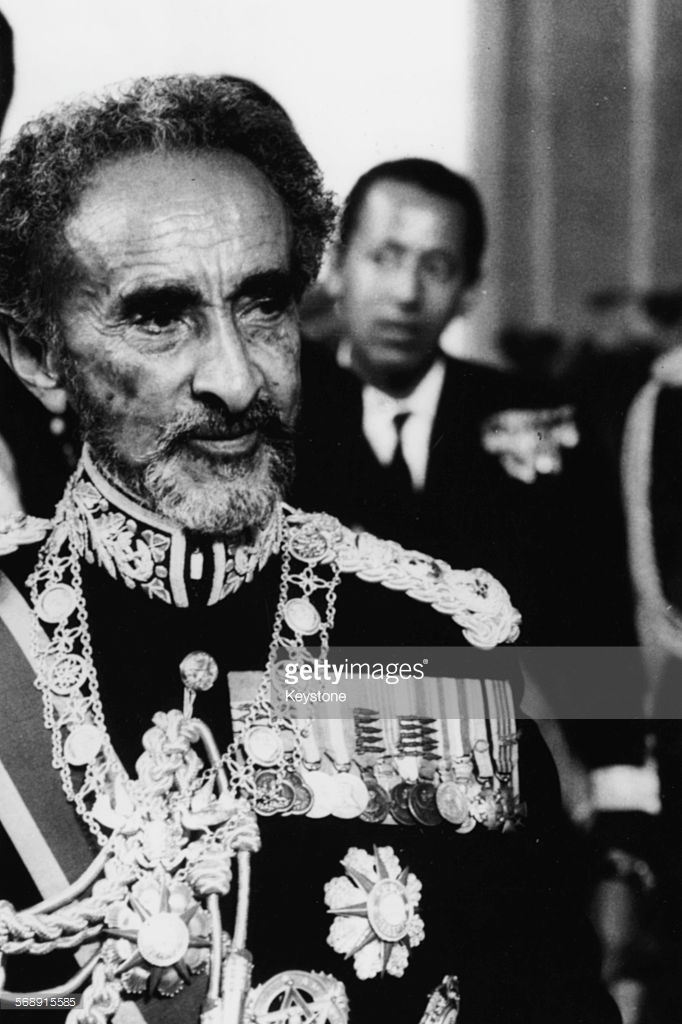 (Selassie in 1970)
 (Selassie in 1974)
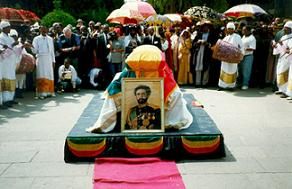
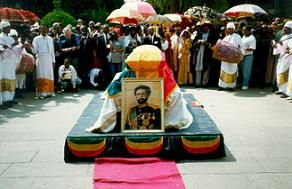 (Selassie’s funeral)