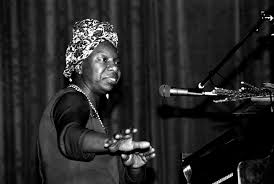
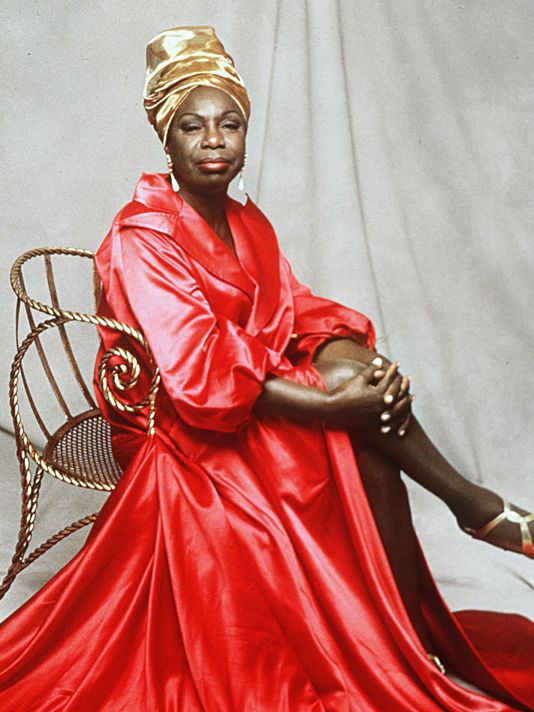
Crate Diggers: France
Showing posts with label France. Show all posts

Saturday, May 20, 2017

Happy Birthday Toussaint Louverture

“I was born a slave, but nature gave me a soul of a free man” - Toussaint Louverture
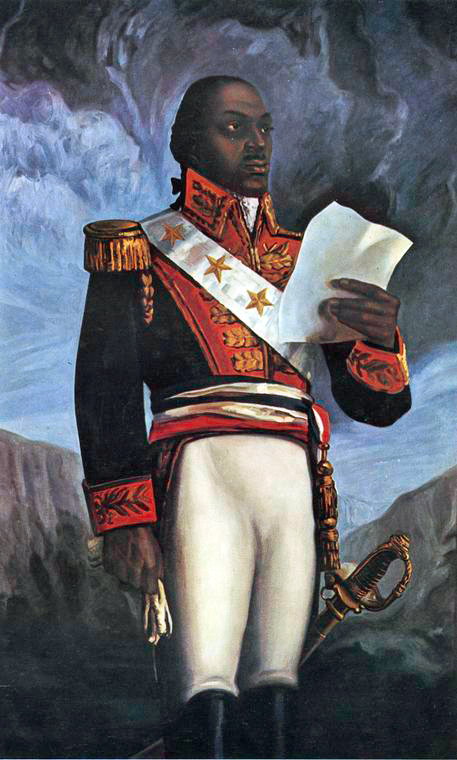
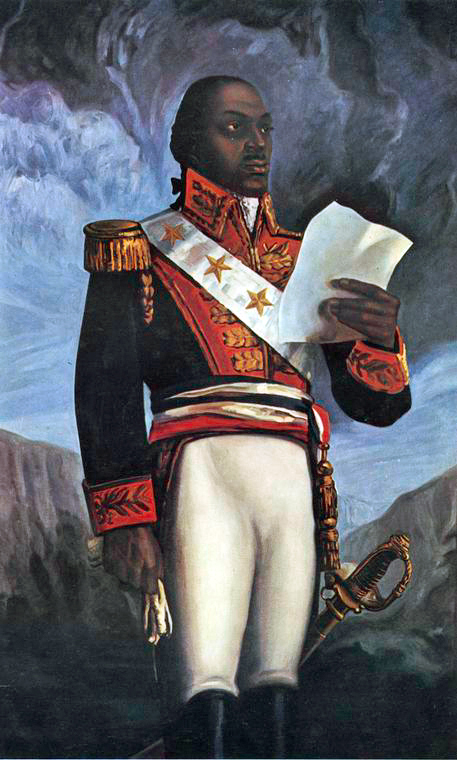
(Toussaint Louverture)
Toussaint Louverture was born on May 20th, 1743 in  Haut de Cap, Haiti. He was born into slavery. He was also well educated. In 1776 Louverture was freed from his slave masters. As a free man, Louverture began to accumulate wealth and property. In 1782 Louverture married  Suzanne Simone Baptiste Louverture. In 1792 Louverture became the leader of the Haitian revolution. He gained a reputation for running an orderly camp, trained his men in guerrilla tactics and "the European style of war", and began to attract soldiers who would play an important role throughout the revolution. In 1793 was the first time he publicly used the moniker "Louverture". On February 4th, 1794, the French revolutionary government proclaimed the abolition of slavery in Haiti. In May 1794, when the decision of the French government became known in Saint Domingue, Louverture switched allegiance from the Spanish to the French and rallied his troops to Lavaux.
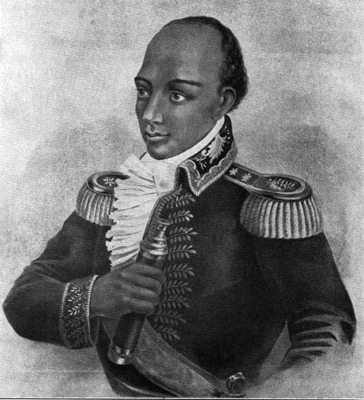
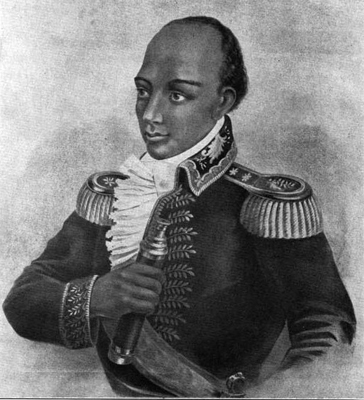
(A drawing of Louverture)
In the first weeks, he eradicated all Spanish supporters from the Cordon de l'Ouest, which he had held on their behalf. Louverture faced attack from multiple sides. His former colleagues in the black rebellion were now fighting against him for the Spanish. By now his officers included men who were important throughout the revolution: his brother Paul, his nephew Moïse, Jean-Jacques Dessalines and Henri Christophe. In 1795 the Treaty of Basel stopped the fighting between the French and Spanish on the island of Hispaniola. The black leaders, Jean-François and Biassou, continued to fight against Louverture until November of 1795. Throughout 1795 and 1796, Louverture was concerned with reestablishing agriculture and keeping the peace in areas under his control. On March 20th, 1796, he succeeded in capturing the French Governor Lavaux, and appointed himself Governor.
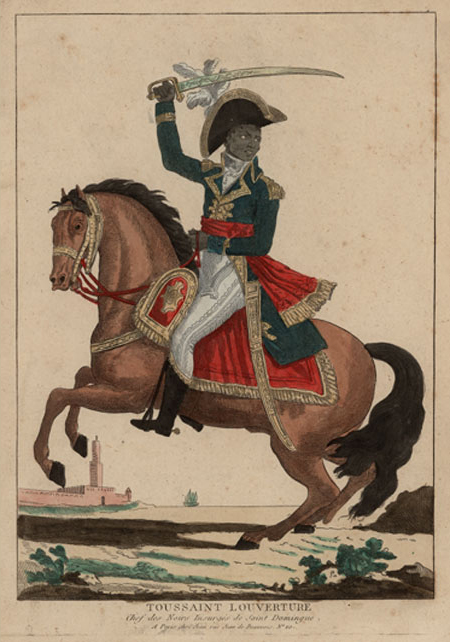
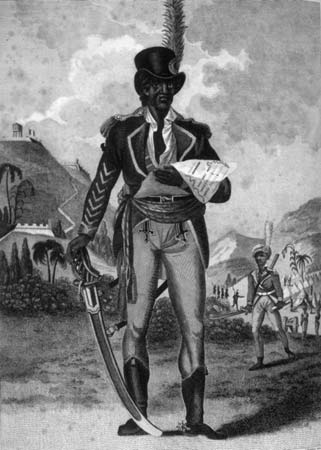
(A drawing of Louverture in battle)
Louverture wanted White planters to return to Haiti because he believed they were bearers of useful skills and knowledge. On April 30th, 1798, Louverture signed a treaty with the British general, Thomas Maitland, exchanging the withdrawal of British troops from western Saint Domingue. In 1799 a civil war between Louverture and Andre Rigaud began and ended in 1800 with Louverture winning the war.  In January of 1801, Louverture and Hyacinthe Moïse invaded the Spanish territory, taking possession from the Governor, Don Garcia. Toussaint brought it under French law which abolished slavery, and embarked on a program of modernization. Louverture promulgated the Constitution on July 7th, 1801, officially establishing his authority over the entire island of Hispaniola.
(A drawing of Louverture with the Constitution)
After sending a copy of the new constitution to France, Napoleon sent 20,000 troops to the island to restore French control and slavery. Louverture prepared for the invasion. After several months of fighting the French felt their position was weak. Louverture was arrested by the French and on on 25 August, Toussaint Louverture was sent to the jail in Fort-de-Joux in the Doubs, France. On April 7th, 1803 Louverture died of exhaustion, malnutrition, apoplexy, pneumonia and possibly tuberculosis while in prison in France. He was 59 years old.
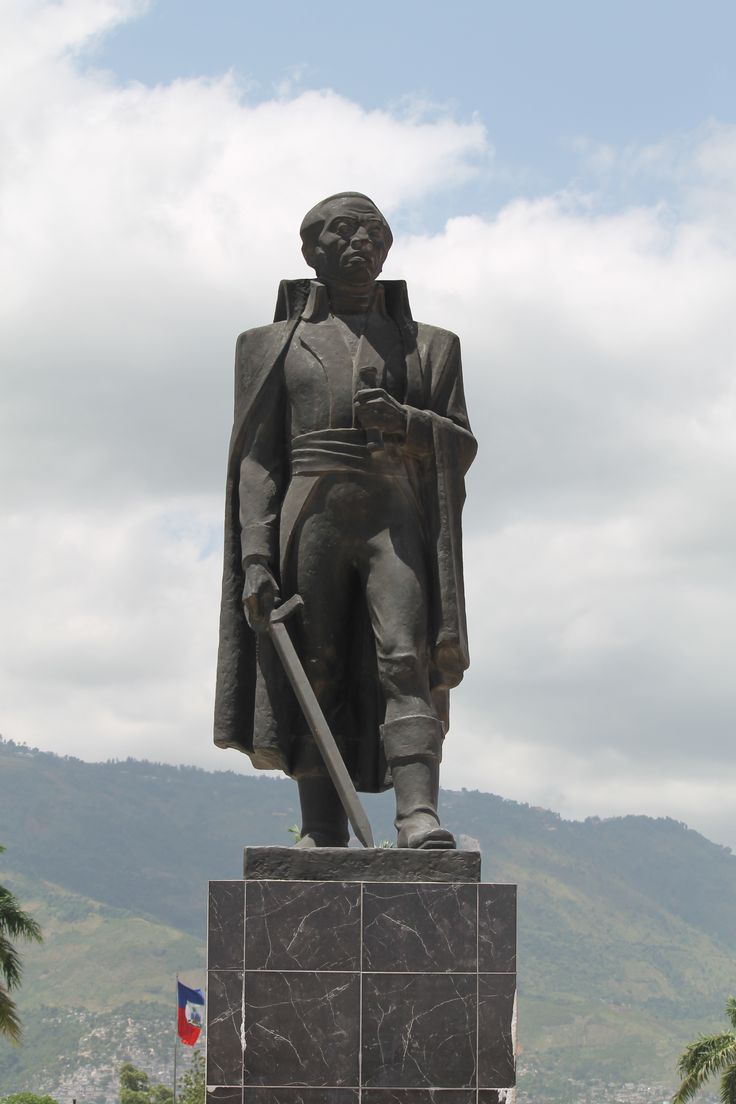
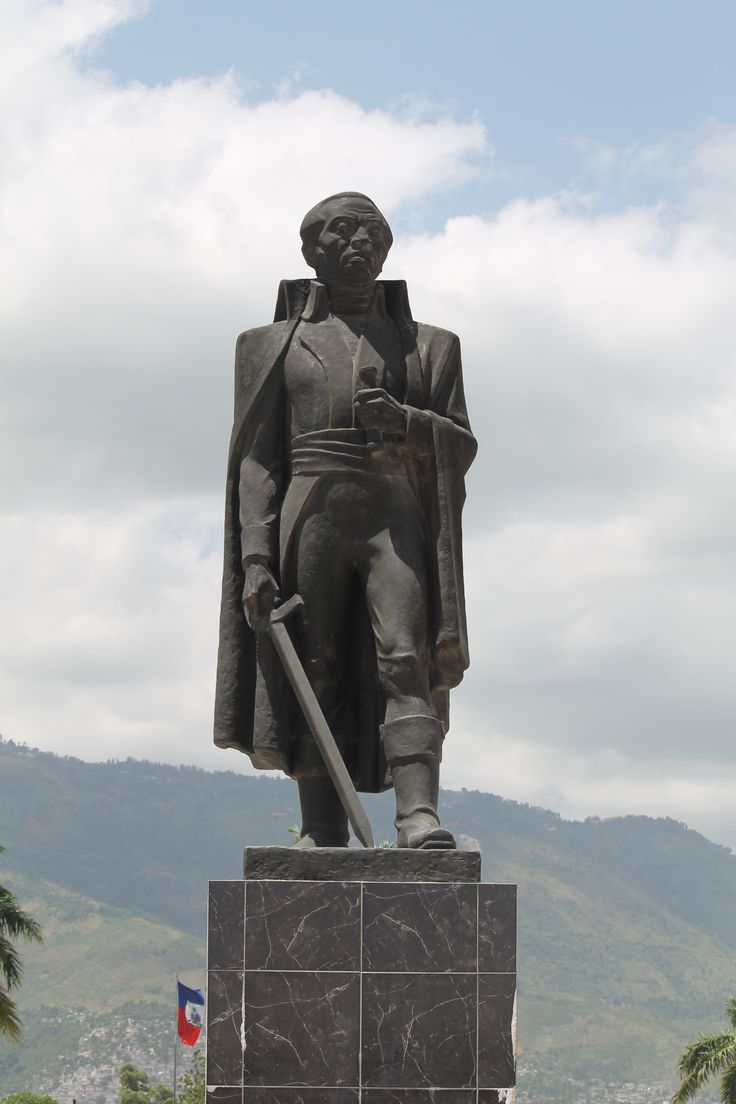
(A statue of Louverture)

Today is his 274th birthday and we would all like to say happy birthday and rest in peace Toussaint Louverture.

Saturday, April 22, 2017

Anniversary of Nina Simone's Death

“There's no excuse for the young people not knowing who the heroes and heroines are or were” - Nina Simone
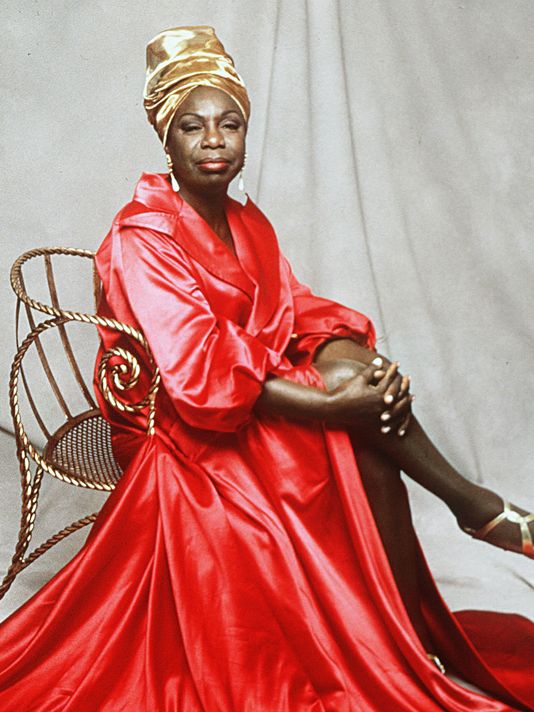
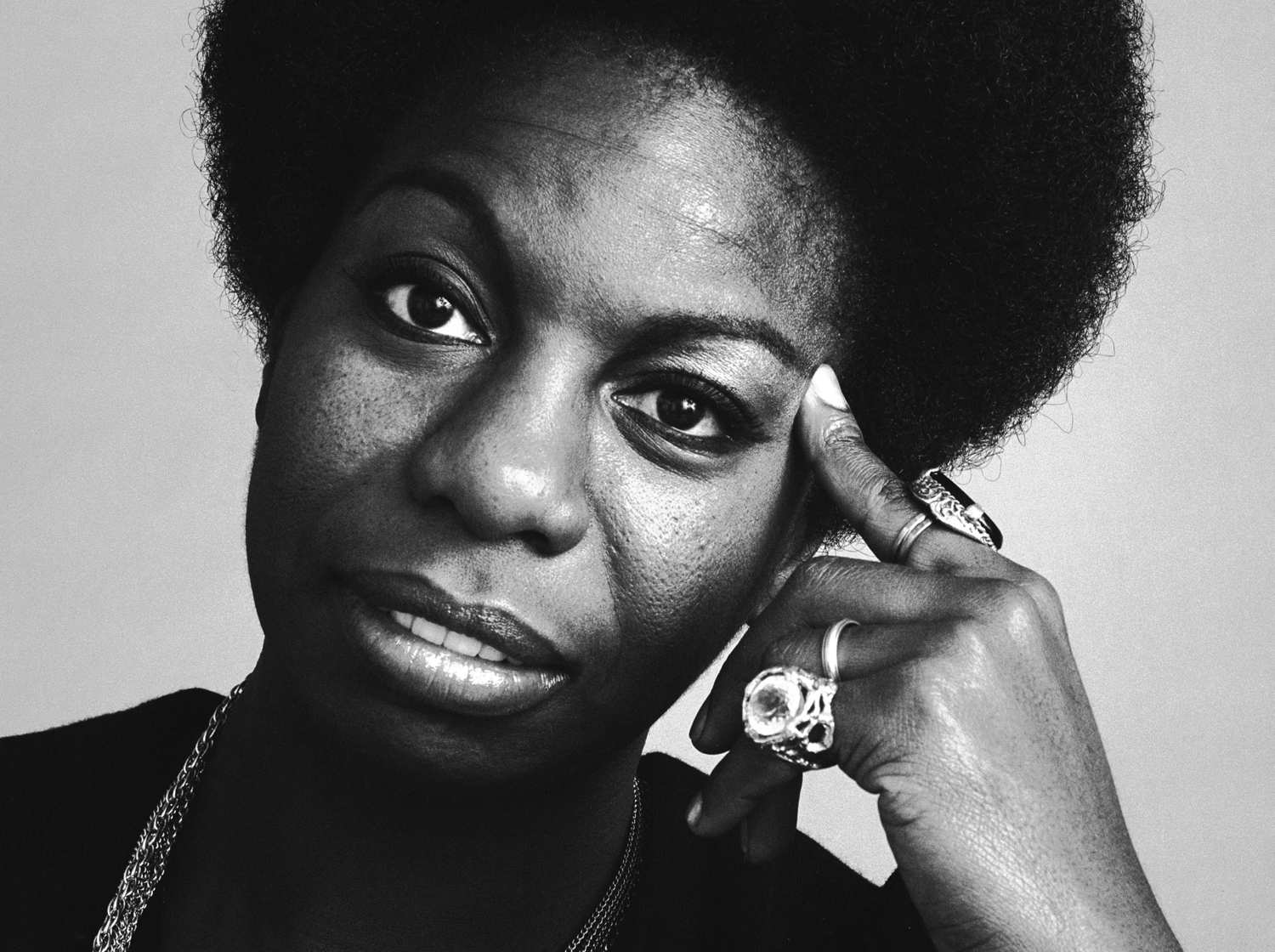
(Nina Simone)
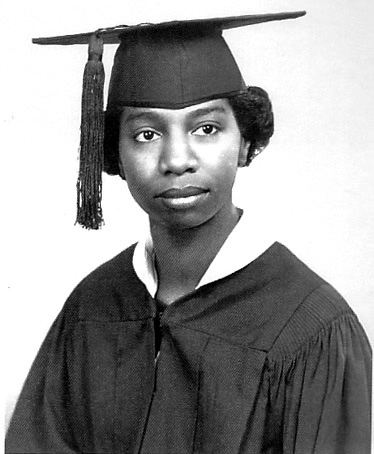
Nina Simone born as Eunice Kathleen Waymon in Tyron, North Carolina, USA on February 21st, 1933. At 3 years old she began to play the piano. After high school she moved to New York City, NY and enrolled in Juilliard School of Music.
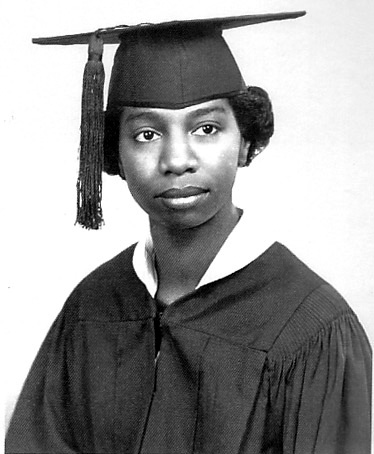
(Nina Simone’s graduation picture)
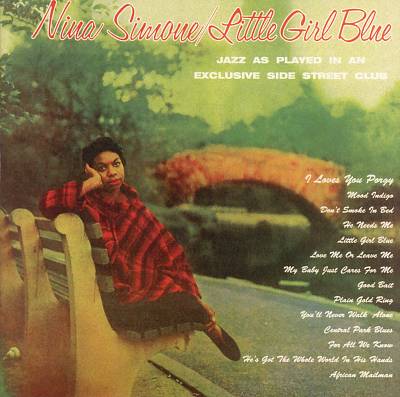
To pay for her classes she performed at the Midtown Bar & Grill on Pacific Avenue in Atlantic City, NJ. In 1954 she adopted the name Nina Simone, “Nina” being a nickname a boyfriend gave her and “Simone” from the French actress Simone Signoret. Simone mixed the sounds of Jazz, Blues and Classical music while playing. In 1958 she was married but she quickly regretted the marriage. In 1958 she released her 1st album “Little Girl Blue”.
(Nina Simone on her 1st album “Little Girl Blue” (1958))
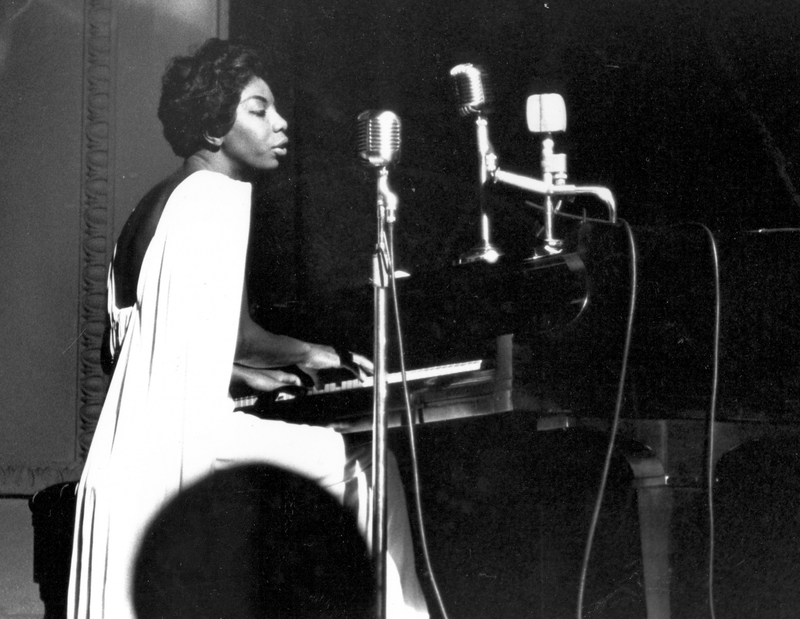
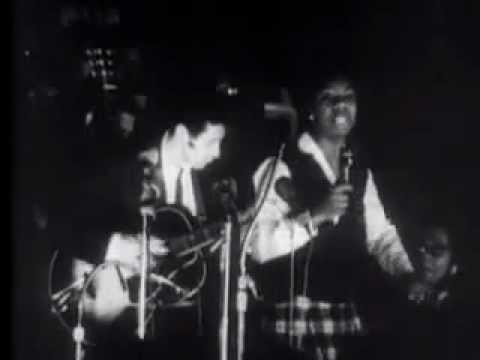
In 1959 Simone signed with Colpix records. She released her live album “Nina Simone at Town Hall” in 1959. In 1961 Simone remarried and her husband later became her manager. In 1964 she signed with Philips records. Her debut album for her new record label “Nina Simone in Concert” was released in 1964 and on this album she addressed the racial inequality in the United States with the song "Mississippi Goddam", her response to the murder of Medgar Evers and the bombing of a church in Birmingham, AL that killed four pre-teen black girls and partially blinded a fifth girl.
(Simone performing in 1964)
This song was boycotted in several southern states. Another song on the album “Old Jim Crow” addressed the Jim Crow laws of the US that segregated colored people from using facilities designated for White people. Simone performed and spoke at many civil rights meetings, such as at the Selma to Montgomery marches.
(Simone performing at the Selma to Montgomery march)
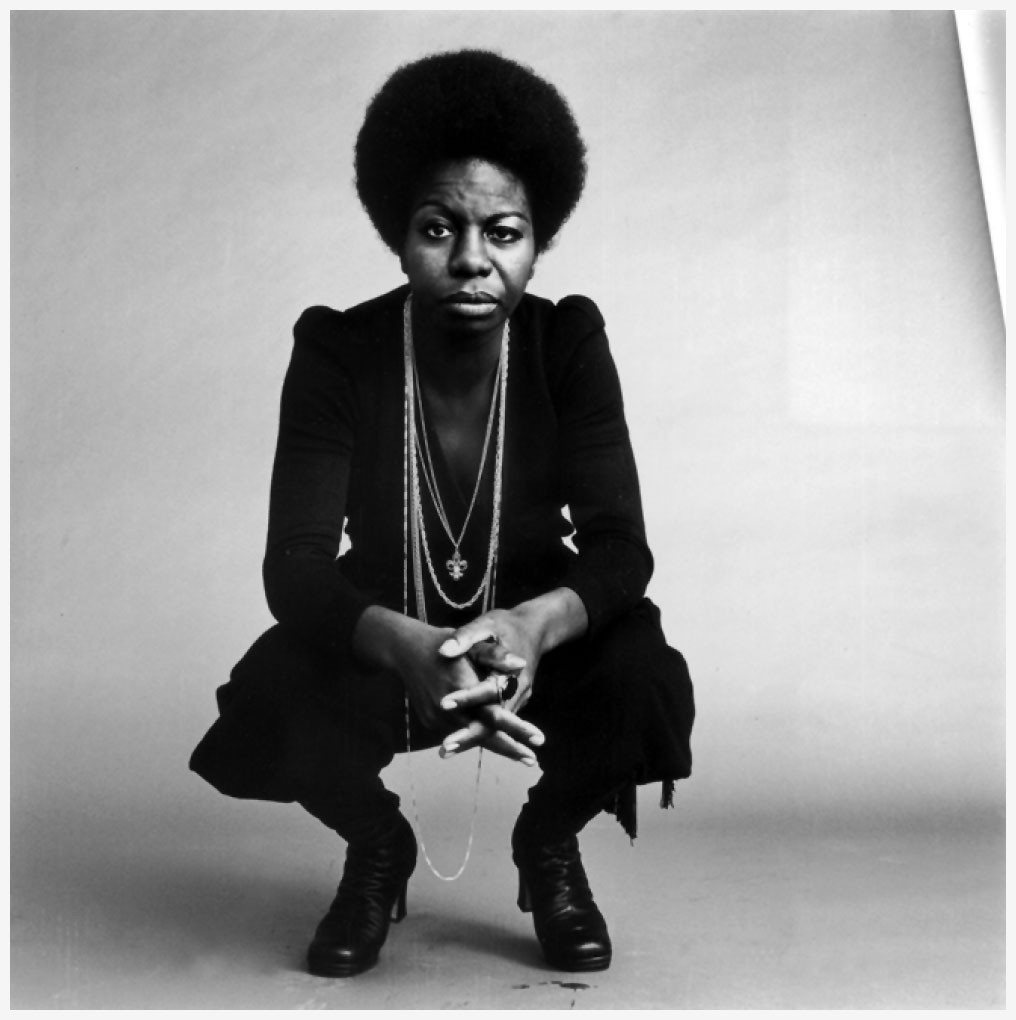
Simone advocated violent revolution and self defense during the civil rights period. She hoped that African Americans could, by armed combat, form a separate state. In 1967 she again changed record labels, now signing for RCA Victor. She sang "Backlash Blues", written by her friend Langston Hughes on her first RCA album called “Nina Simone Sings the Blues” (1967). With Weldon Irvine, Simone turned the late Lorraine Hansberry's unfinished play To Be Young, Gifted and Black into a civil rights song in 1969.
(Simone in 1969)
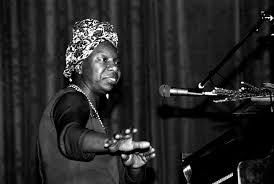
In 1970 Simone had been issued a warrant for her arrest for unpaid taxes. She left to Barbados to evade prosecution. She performed regularly in London, England during the 1980’s.
(Simone performing in 1982)
Simone then moved to Liberia and later to Switzerland and The Netherlands. In 1992 she settled in Carry-le-Rouet, Bouches-du-Rhône, France. Also in 1992 she published her autobiography called I Put a Spell on You. In 1993 she released her last album “A Single Woman”.
(Simone in 1993)
In the late 1990’s Simone was diagnosed with breast cancer. On April 21st, 2003 Simone died in her sleep. She was 70 years old. Today is the 14th anniversary of her death. Take time to remember this great musical artist today.

Albums by Nina Simone
  • “Little Girl Blues” (1958)
  • “Nina Simone and Her Friends” (1959)
  • “The Amazing Nina Simone” (1959)
  • “Nina Simone at Town Hall” (1959)
  • “Nina Simone at Newport” (1960)
  • “Forbidden Fruit” (1960)
  • “Nina at the Village Gate” (1962)
  • “Nina Simone Sings Ellington” (1962)
  • “Nina Simone at Carnegie Hall” (1963)
  • “Folksy Nina” (1964)
  • “Nina Simone in Concert” (1964)
  • “Broadway-Blues-Ballads” (1964)
  • “I Put a Spell on You” (1965)
  • “Sincerely Nina” (1965)
  • “Pastel Blues” (1965)
  • “Nina Simone with Strings” (1966)
  • “Let it All Out” (1966)
  • “Wild is the Wind” (1966)
  • “High Priestess of Soul” (1967)
  • “Nina Simone Sings the Blues” (1967)
  • “Silk & Soul” (1967)
  • “‘Nuff Said!” (1968)
  • “Nina Simone and Piano” (1969)
  • “To Love Somebody” (1969)
  • “A Very Rare Evening” (1969)
  • “Gifted & Black” (1970)
  • “Black Gold” (1970)
  • “Here Comes the Sun” (1971)
  • “Emergency Ward” (1972)
  • “Sings Billie Holiday-Lady Sings the Blues” (1972)
  • “Live at Berkeley” (1973)
  • “Gospel According to Nina Simone” (1973)
  • “It is Finished” (1974)
  • “Baltimore” (1978)
  • “The Rising Sun Collection” (1980)
  • “Fodder on My Wings” (1982)
  • “Backlash” (1984)
  • “Nina’s Back” (1985)
  • “Live & Kickin” (1985)
  • “Let It Be Me” (1987)
  • “Live at Ronnie Scott’s” (1987)
  • “ A Single Woman” (1993)
Books by Nina Simone
  • I Put a Spell on You (1992)
Videos of Nina Simone


(Sorry for the late post)

Saturday, April 8, 2017

Anniversary of Toussaint Louverture's Death

“I was born a slave, but nature gave me a soul of a free man” - Toussaint Louverture
(Toussaint Louverture)
Toussaint Louverture was born on May 20th, 1743 in Haut de Cap, Haiti. He was born into slavery. He was also well educated. In 1776 Louverture was freed from his slave masters. As a free man, Louverture began to accumulate wealth and property. In 1782 Louverture married  Suzanne Simone Baptiste Louverture. In 1792 Louverture became the leader of the Haitian revolution. He gained a reputation for running an orderly camp, trained his men in guerrilla tactics and "the European style of war", and began to attract soldiers who would play an important role throughout the revolution. In 1793 was the first time he publicly used the moniker "Louverture". On February 4th, 1794, the French revolutionary government proclaimed the abolition of slavery in Haiti. In May 1794, when the decision of the French government became known in Saint Domingue, Louverture switched allegiance from the Spanish to the French and rallied his troops to Lavaux.
(A drawing of Louverture)
In the first weeks, he eradicated all Spanish supporters from the Cordon de l'Ouest, which he had held on their behalf. Louverture faced attack from multiple sides. His former colleagues in the black rebellion were now fighting against him for the Spanish. By now his officers included men who were important throughout the revolution: his brother Paul, his nephew Moïse, Jean-Jacques Dessalines and Henri Christophe. In 1795 the Treaty of Basel stopped the fighting between the French and Spanish on the island of Hispaniola. The black leaders, Jean-François and Biassou, continued to fight against Louverture until November of 1795. Throughout 1795 and 1796, Louverture was concerned with reestablishing agriculture and keeping the peace in areas under his control. On March 20th, 1796, he succeeded in capturing the French Governor Lavaux, and appointed himself Governor.
(A drawing of Louverture in battle)
Louverture wanted White planters to return to Haiti because he believed they were bearers of useful skills and knowledge. On April 30th, 1798, Louverture signed a treaty with the British general, Thomas Maitland, exchanging the withdrawal of British troops from western Saint Domingue. In 1799 a civil war between Louverture and Andre Rigaud began and ended in 1800 with Louverture winning the war.  In January of 1801, Louverture and Hyacinthe Moïse invaded the Spanish territory, taking possession from the Governor, Don Garcia. Toussaint brought it under French law which abolished slavery, and embarked on a program of modernization. Louverture promulgated the Constitution on July 7th, 1801, officially establishing his authority over the entire island of Hispaniola.
(A drawing of Louverture with the Constitution)
After sending a copy of the new constitution to France, Napoleon sent 20,000 troops to the island to restore French control and slavery. Louverture prepared for the invasion. After several months of fighting the French felt their position was weak. Louverture was arrested by the French and on on 25 August, Toussaint Louverture was sent to the jail in Fort-de-Joux in the Doubs, France. On April 7th, 1803 Louverture died of exhaustion, malnutrition, apoplexy, pneumonia and possibly tuberculosis while in prison in France. He was 59 years old.
(A statue of Louverture)
Today is the 214th anniversary of his death. Take time to remember this great revolutionary today.


(P.S. sorry for the late post)

Tuesday, February 21, 2017

Happy Birthday Nina Simone

“There's no excuse for the young people not knowing who the heroes and heroines are or were” - Nina Simone
(Nina Simone)
Nina Simone born as Eunice Kathleen Waymon in Tyron, North Carolina, USA on February 21st, 1933. At 3 years old she began to play the piano. After high school she moved to New York City, NY and enrolled in Juilliard School of Music.
(Simone as a teenager)
To pay for her classes she performed at the Midtown Bar & Grill on Pacific Avenue in Atlantic City, NJ. In 1954 she adopted the name Nina Simone, “Nina” being a nickname a boyfriend gave her and “Simone” from the French actress Simone Signoret. Simone mixed the sounds of Jazz, Blues and Classical music while playing. In 1958 she was married but she quickly regretted the marriage. In 1958 she released her 1st album “Little Girl Blue”.
(Simone in 1958)
In 1959 Simone signed with Colpix records. She released her live album “Nina Simone at Town Hall” in 1959. In 1961 Simone remarried and her husband later became her manager. In 1964 she signed with Philips records. Her debut album for her new record label “Nina Simone in Concert” was released in 1964 and on this album she addressed the racial inequality in the United States with the song "Mississippi Goddam", her response to the murder of Medgar Evers and the bombing of a church in Birmingham, AL that killed four pre-teen black girls and partially blinded a fifth girl.
(Simone in 1964)
This song was boycotted in several southern states. Another song on the album “Old Jim Crow” addressed the Jim Crow laws of the US that segregated colored people from using facilities designated for White people. Simone performed and spoke at many civil rights meetings, such as at the Selma to Montgomery marches.
(Simone in 1965)
Simone advocated violent revolution and self defense during the civil rights period. She hoped that African Americans could, by armed combat, form a separate state. In 1967 she again changed record labels, now signing for RCA Victor. She sang "Backlash Blues", written by her friend Langston Hughes on her first RCA album called “Nina Simone Sings the Blues” (1967). With Weldon Irvine, Simone turned the late Lorraine Hansberry's unfinished play To Be Young, Gifted and Black into a civil rights song in 1969.
(Simone in 1969)
In 1970 Simone had been issued a warrant for her arrest for unpaid taxes. She left to Barbados to evade prosecution. She performed regularly in London, England during the 1980’s.
(Simone in 1982)
Simone then moved to Liberia and later to Switzerland and The Netherlands. In 1992 she settled in Carry-le-Rouet, Bouches-du-Rhône, France. Also in 1992 she published her autobiography called I Put a Spell on You. In 1993 she released her last album “A Single Woman”.
(Simone in 1993)
In the late 1990’s Simone was diagnosed with breast cancer. On April 21st, 2003 Simone died in her sleep. She was 70 years old. Today she would’ve been 84 years old and we would all like to say happy birthday and rest in peace Nina Simone.  

Albums by Nina Simone
  • “Little Girl Blues” (1958)
  • “Nina Simone and Her Friends” (1959)
  • “The Amazing Nina Simone” (1959)
  • “Nina Simone at Town Hall” (1959)
  • “Nina Simone at Newport” (1960)
  • “Forbidden Fruit” (1960)
  • “Nina at the Village Gate” (1962)
  • “Nina Simone Sings Ellington” (1962)
  • “Nina Simone at Carnegie Hall” (1963)
  • “Folksy Nina” (1964)
  • “Nina Simone in Concert” (1964)
  • “Broadway-Blues-Ballads” (1964)
  • “I Put a Spell on You” (1965)
  • “Sincerely Nina” (1965)
  • “Pastel Blues” (1965)
  • “Nina Simone with Strings” (1966)
  • “Let it All Out” (1966)
  • “Wild is the Wind” (1966)
  • “High Priestess of Soul” (1967)
  • “Nina Simone Sings the Blues” (1967)
  • “Silk & Soul” (1967)
  • “‘Nuff Said!” (1968)
  • “Nina Simone and Piano” (1969)
  • “To Love Somebody” (1969)
  • “A Very Rare Evening” (1969)
  • “Gifted & Black” (1970)
  • “Black Gold” (1970)
  • “Here Comes the Sun” (1971)
  • “Emergency Ward” (1972)
  • “Sings Billie Holiday-Lady Sings the Blues” (1972)
  • “Live at Berkeley” (1973)
  • “Gospel According to Nina Simone” (1973)
  • “It is Finished” (1974)
  • “Baltimore” (1978)
  • “The Rising Sun Collection” (1980)
  • “Fodder on My Wings” (1982)
  • “Backlash” (1984)
  • “Nina’s Back” (1985)
  • “Live & Kickin” (1985)
  • “Let It Be Me” (1987)
  • “Live at Ronnie Scott’s” (1987)
  • “ A Single Woman” (1993)
Books by Nina Simone
  • I Put a Spell on You (1992)
Videos of Nina Simone