Crate Diggers: Dr. Carter G. Woodson
Showing posts with label Dr. Carter G. Woodson. Show all posts

Monday, May 22, 2017

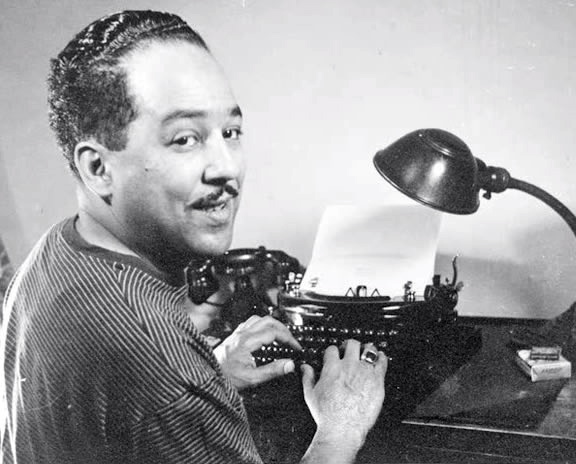
Anniversary of Langston Hughes' Death

“I swear to the Lord, I still can't see, why Democracy means, everybody but me- Langston Hughes
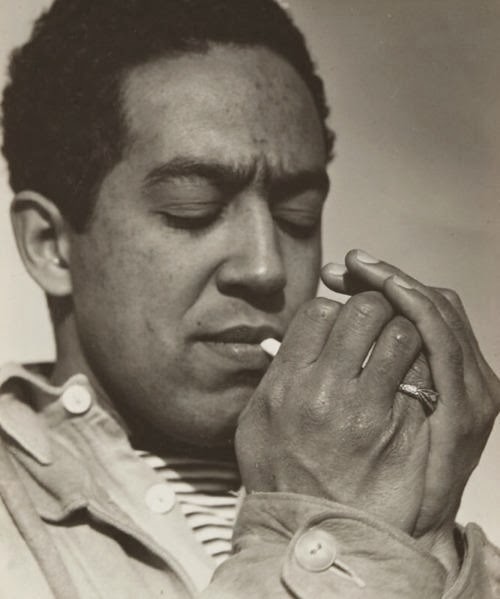
(Langston Hughes)
Langston Hughes was born as James Hughes on February 1st, 1902 in Joplin, Missouri, USA. Hughes’ parents separated when he was a child. Hughes then lived with his grandmother in Lawrence, KY. Hughes read a lot while living with his grandmother. After his grandmother died Hughes went to live with his mother in Lincoln, IL. While in elementary school Hughes was elected the class poet. They then moved to Cleveland, OH when he was a teenager. While in high school he was involved with the school newspaper and wrote short stories and plays. He wrote his 1st piece of Jazz poetry while in high school. Hughes graduated high school in 1920. He then moved to Mexico to live with his father. In 1921 Hughes attended Columbia University.
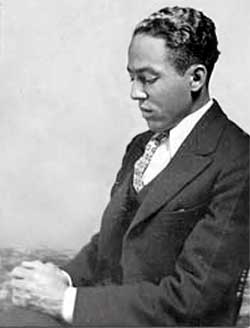
(Hughes as a young man)
Also in 1921 he published his 1st poem. In 1922 he left due to racial prejudice. In 1923 Hughes worked on a ship that traveled to Europe and Africa. He then stayed in Paris, France for a short while. He then lived in England and joined the black expatriate community. In 1924 he moved to Washington D.C. to live with his mother. In 1925 he became personal assistant to Carter G. Woodson. Hughes then started to have his poetry published. In 1926 Hughes attended Lincoln University. Hughes was classmates with Thurgood Marshall. Also in 1926 Hughes published  "The Negro Artist and the Racial Mountain".
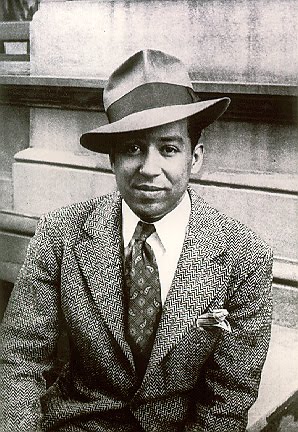
(Hughes in 1926)
Hughes helped to inspire the Négritude movement in France. In 1929 Hughes earned his BA at Lincoln University. Hughes then went to live in Harlem, NY. In 1930 Hughes published his 1st novel. In 1931 Hughes helped form the "New York Suitcase Theater". In 1932 he was part of a board to produce a Soviet film on "Negro Life". He also traveled to the USSR, China and Japan.
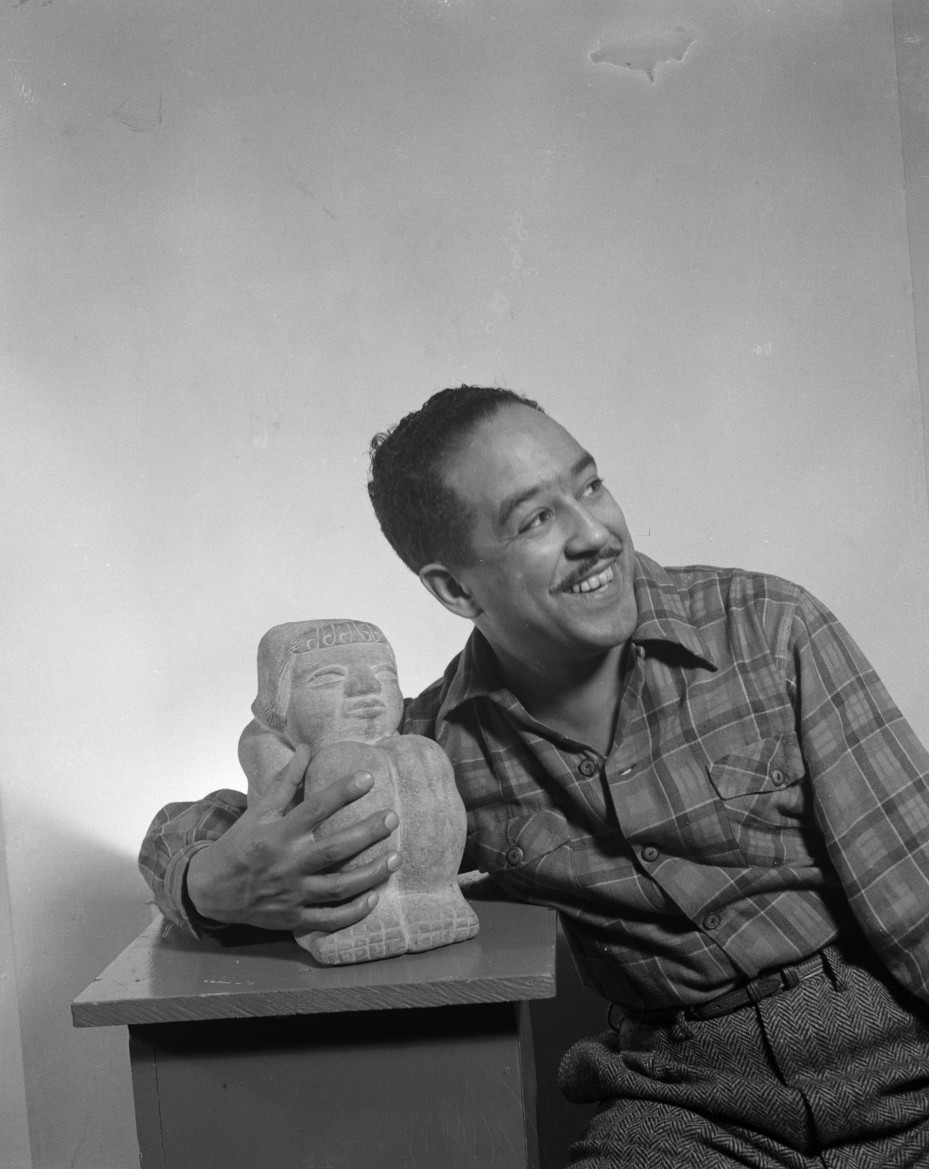
(Hughes in 1933)
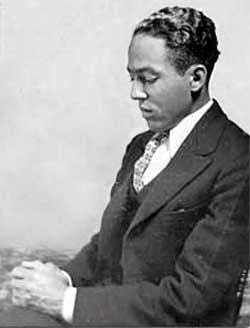
In 1934 Hughes released his 1st collection of poetry. In 1935 Hughes received a Guggenheim Fellowship.
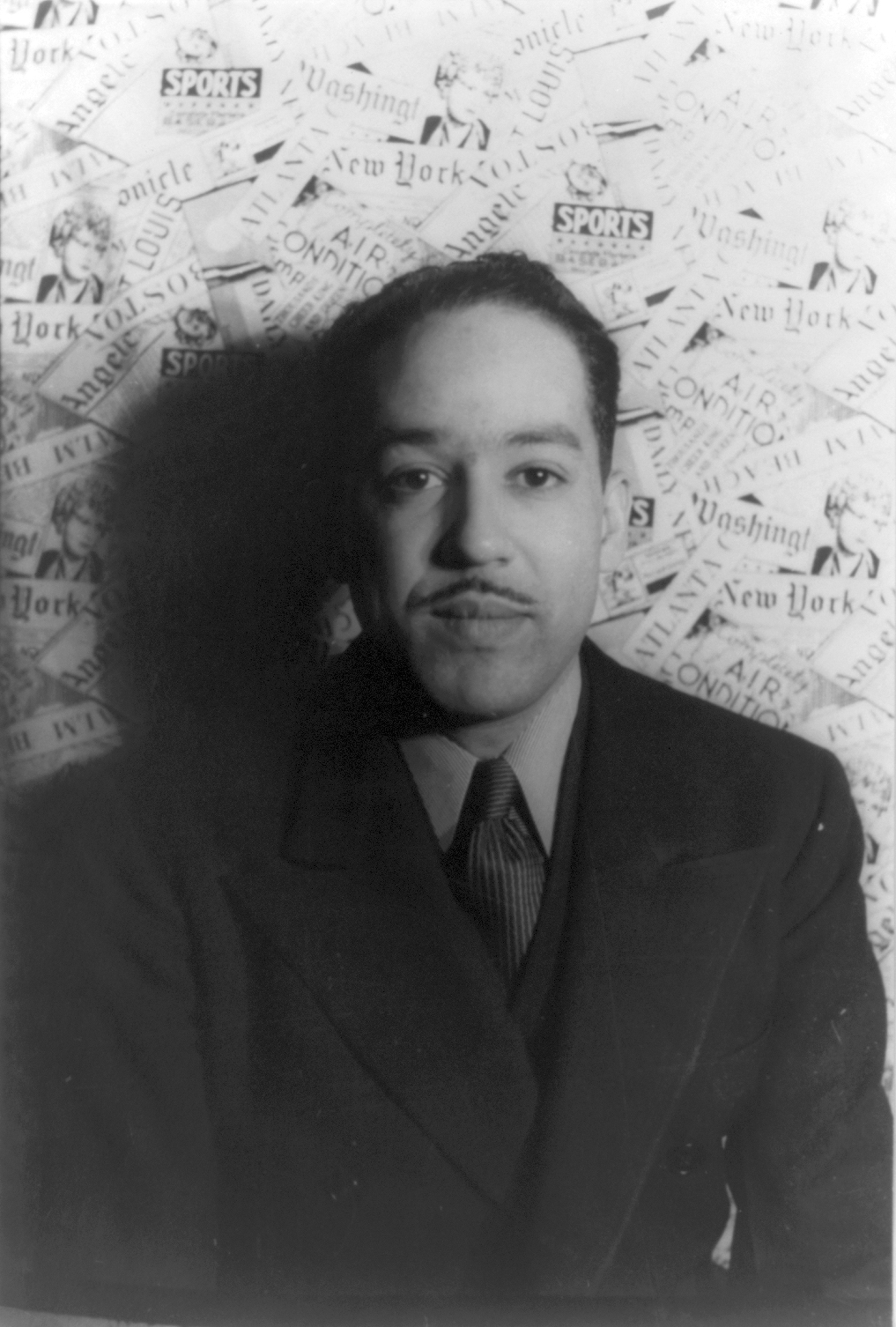
(Hughes in 1936)
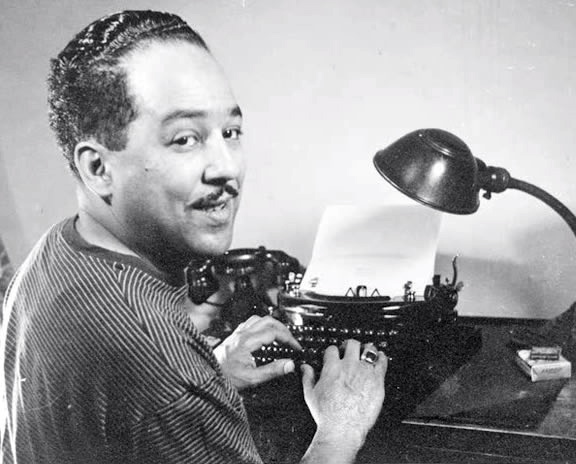
In 1937 he traveled to Spain. In 1940 Hughes joined the American Peace Mobilization. In 1941 Hughes founded The Skyloft Players. In 1943 Hughes began publishing stories about a character he called Jesse B. Semple, often referred to and spelled "Simple", the everyday black man in Harlem who offered musings on topical issues of the day.
(Hughes in 1943)
In 1947 Hughes taught at Atlanta University. In 1949 he spent three months at the University of Chicago Laboratory Schools as a visiting lecturer. In 1953, he was called before the Senate Permanent Subcommittee on Investigations led by Senator Joseph McCarthy due speculations of being a communist.
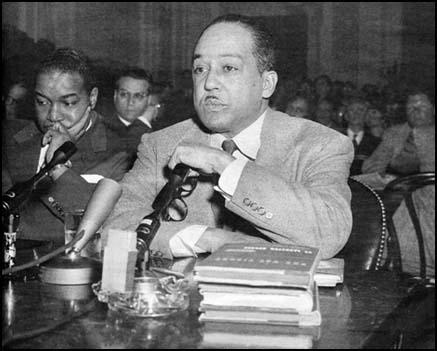
(Hughes in 1953)
On May 22nd, 1967 Langston Hughes died of complications after abdominal surgery related to prostate cancer in New York City, New York, USA. He was 65 years old.
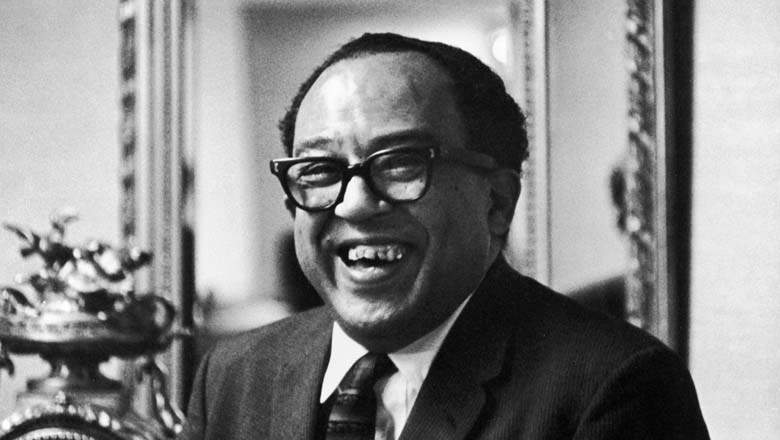
(Hughes in 1967)
Today is the 50th anniversary of his death. Take time to remember this great writer and poet today.  

Works of Literature by Langston Hughes
-Poetry
  • The Negro Mother and Other Dramatic Recitations (1931)
  • Dear Lovely Death (1931)
  • The Dream Keeper and Other Poems (1932)
  • Scottsboro Limited: Four Poems and a Play (1932)
  • Shakespeare in Harlem (1942)
  • Freedom's Plow (1943)
  • Fields of Wonder (1947)
  • One-Way Ticket (1949)
  • Selected Poems of Langston Hughes (1958)
  • Ask Your Mama: 12 Moods for Jazz (1961)
  • The Panther and the Lash: Poems of Our Times (1967)
  • The Collected Poems of Langston Hughes (1994)
-Novels
  • Not Without Laughter (1930)
  • The Ways of White Folks (1934)
  • Simple Speaks His Mind (1950)
  • Laughing to Keep from Crying (1952)
  • Simple Takes a Wife (1953)
  • Sweet Flypaper of Life (1955)
  • Simple Stakes a Claim (1957)
  • Tambourines to Glory (1958)
  • The Best of Simple (1961)
  • Simple's Uncle Sam (1965)
  • Something in Common and Other Stories (1963)
  • Short Stories of Langston Hughes (1996)
-Plays
  • Mule Bone (1931)
  • Mulatto (1935)
  • Troubled Island (1936)
  • Little Ham (1936)
  • Emperor of Haiti (1936)
  • Don't You Want to be Free? (1938)
  • Street Scene (1947)
  • Tambourines to Glory (1956)
  • Simply Heavenly (1957)
  • Black Nativity (1961)
  • Five Plays by Langston Hughes (1963)
  • Jerico-Jim Crow (1964)
-Non Fiction Books
  • The Big Sea (1940)
  • Famous American Negroes (1954)
  • Famous Negro Music Makers (1955)
  • I Wonder as I Wander (1956)
  • A Pictorial History of the Negro in America (1956)
  • Famous Negro Heroes of America (1958)
  • Fight for Freedom: The Story of the NAACP (1962)

Monday, April 3, 2017

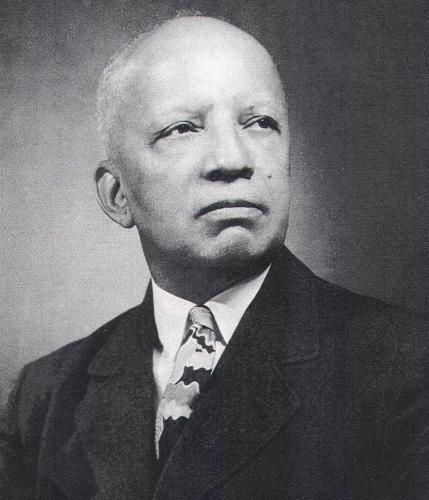
Anniversary of Carter G. Woodson's Death

“Those who have no record of what their forebears have accomplished lose the inspiration which comes from the teaching of biography and history” - Carter G. Woodson
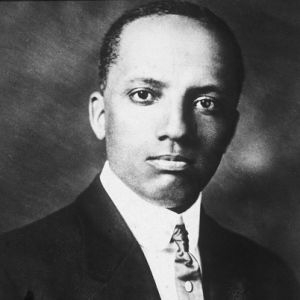
(Carter G. Woodson)
Carter G. Woodson was born on December 19th, 1875 in Buckingham County, Virginia, USA. His family moved to West Virginia when Woodson was a child. At age 17 Woodson went to earn a living as a coal miner. At age 20 Woodson went back to high school and earned a diploma in less than 2 years.
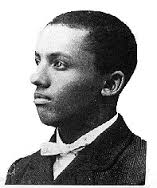
(Woodson as a young man)
From 1897 to 1900 Woodson taught in Fayette County. In 1903 he earned a Bachelor degree in Literature from Berea College in Kentucky. From 1903 to 1907 Woodson was a school supervisor in the Philippines. In 1908 he was awarded an A.B. and A.M. from the University of Chicago. He was a member of the first black professional fraternity Sigma Pi Phi and a member of Omega Psi Phi. In 1912 he completed his PhD at Harvard University where he was the second African American to do so. He then became a professor at Howard University. In 1915 Woodson published The Education of the Negro Prior to 1861.
(Woodson in 1915)
Woodson became affiliated with the Washington, D.C. branch of the NAACP, and its chairman Archibald Grimké. In 1924, he published the first survey of free black slaveowners in the United States. In 1926 Woodson promoted the first Negro History Week in Washington, D.C., designated for the second week in February, to coincide with marking the birthdays of Abraham Lincoln and Frederick Douglass. In 1933 Woodson wrote the book The Mis-Education of the Negro. Woodson has corresponded with W. E. B. Du Bois, John E. Bruce, Arturo Alfonso Schomburg, Hubert H. Harrison, and T. Thomas Fortune among others from the 1920’s to the 1940’s.
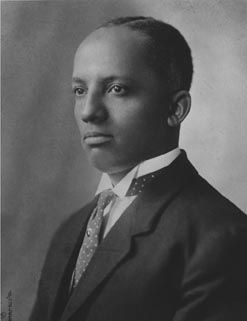
(Woodson in the 1940’s)
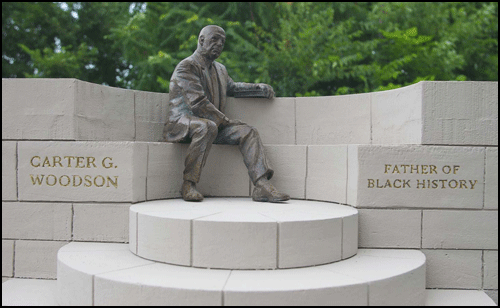
On April 3rd, 1950 Woodson died of a heart attack in Washington D.C. He was 74 years old.
(A statue of Woodson)
Today is the 67th anniversary of his death. Take time to remember this great educator today.

Books by Carter G. Woodson
  • A Century of Negro Migration (1918)
  • The Education of the Negro Prior to 1861 (1919)
  • The History of the Negro Church (1921)
  • The Negro in Our History (1922)
  • Free Negro Owners of Slaves in the United States in 1830, Together With Absentee Ownership of Slaves in the United States in 1830(1924)
  • Free Negro Heads of Families in the United States in 1830, Together With a Brief Treatment of the Free Negro (1925)
  • Negro Orators and Their Orations (1925)
  • The Mind of the Negro as Reflected in Letters Written During the Crisis, 1800–1860 (1927)
  • Negro Makers of History (1928)
  • African Myths, Together With Proverbs (1928)
  • The Rural Negro (1930)
  • The Negro Wage Earner (1930)
  • The Mis-Education of the Negro (1933)
  • The Negro Professional Man and the Community, With Special Emphasis on the Physician and the Lawyer (1934)
  • The Story of the Negro Retold (1935)
  • The African Background Outlined: Or, Handbook for the Study of the Negro (1936)
  • African Heroes and Heroines (1939)
  • The Works of Francis J. Grimké (1942)
Carter G. Woodson's Appeal: The Lost Manuscript Edition (2008)

Wednesday, February 1, 2017

Happy Birthday Langston Hughes

“I swear to the Lord, I still can't see, why Democracy means, everybody but me- Langston Hughes
(Langston Hughes)
Langston Hughes was born as James Hughes on February 1st, 1902 in Joplin, Missouri, USA. Hughes’ parents separated when he was a child. Hughes then lived with his grandmother in Lawrence, KY. Hughes read a lot while living with his grandmother. After his grandmother died Hughes went to live with his mother in Lincoln, IL. While in elementary school Hughes was elected the class poet. They then moved to Cleveland, OH when he was a teenager. While in high school he was involved with the school newspaper and wrote short stories and plays. He wrote his 1st piece of Jazz poetry while in high school. Hughes graduated high school in 1920. He then moved to Mexico to live with his father. In 1921 Hughes attended Columbia University.
(Hughes as a young man)
Also in 1921 he published his 1st poem. In 1922 he left due to racial prejudice. In 1923 Hughes worked on a ship that traveled to Europe and Africa. He then stayed in Paris, France for a short while. He then lived in England and joined the black expatriate community. In 1924 he moved to Washington D.C. to live with his mother. In 1925 he became personal assistant to Carter G. Woodson. Hughes then started to have his poetry published. In 1926 Hughes attended Lincoln University. Hughes was classmates with Thurgood Marshall. Also in 1926 Hughes published  "The Negro Artist and the Racial Mountain".
(Hughes in 1926)
Hughes helped to inspire the Négritude movement in France. In 1929 Hughes earned his BA at Lincoln University. Hughes then went to live in Harlem, NY. In 1930 Hughes published his 1st novel. In 1931 Hughes helped form the "New York Suitcase Theater". In 1932 he was part of a board to produce a Soviet film on "Negro Life". He also traveled to the USSR, China and Japan.
(Hughes in 1933)
In 1934 Hughes released his 1st collection of poetry. In 1935 Hughes received a Guggenheim Fellowship.
(Hughes in 1936)
In 1937 he traveled to Spain. In 1940 Hughes joined the American Peace Mobilization. In 1941 Hughes founded The Skyloft Players. In 1943 Hughes began publishing stories about a character he called Jesse B. Semple, often referred to and spelled "Simple", the everyday black man in Harlem who offered musings on topical issues of the day.
(Hughes in 1943)
In 1947 Hughes taught at Atlanta University. In 1949 he spent three months at the University of Chicago Laboratory Schools as a visiting lecturer. In 1953, he was called before the Senate Permanent Subcommittee on Investigations led by Senator Joseph McCarthy due speculations of being a communist.
(Hughes in 1953)
On May 22nd, 1967 Langston Hughes died of complications after abdominal surgery related to prostate cancer in New York City, New York, USA. He was 65 years old.
(Hughes in 1967)
Today is his 115th birthday and we would all like to say happy birthday and rest in peace Langston Hughes.


Works of Literature by Langston Hughes
-Poetry
  • The Negro Mother and Other Dramatic Recitations (1931)
  • Dear Lovely Death (1931)
  • The Dream Keeper and Other Poems (1932)
  • Scottsboro Limited: Four Poems and a Play (1932)
  • Shakespeare in Harlem (1942)
  • Freedom's Plow (1943)
  • Fields of Wonder (1947)
  • One-Way Ticket (1949)
  • Selected Poems of Langston Hughes (1958)
  • Ask Your Mama: 12 Moods for Jazz (1961)
  • The Panther and the Lash: Poems of Our Times (1967)
  • The Collected Poems of Langston Hughes (1994)
-Novels
  • Not Without Laughter (1930)
  • The Ways of White Folks (1934)
  • Simple Speaks His Mind (1950)
  • Laughing to Keep from Crying (1952)
  • Simple Takes a Wife (1953)
  • Sweet Flypaper of Life (1955)
  • Simple Stakes a Claim (1957)
  • Tambourines to Glory (1958)
  • The Best of Simple (1961)
  • Simple's Uncle Sam (1965)
  • Something in Common and Other Stories (1963)
  • Short Stories of Langston Hughes (1996)
-Plays
  • Mule Bone (1931)
  • Mulatto (1935)
  • Troubled Island (1936)
  • Little Ham (1936)
  • Emperor of Haiti (1936)
  • Don't You Want to be Free? (1938)
  • Street Scene (1947)
  • Tambourines to Glory (1956)
  • Simply Heavenly (1957)
  • Black Nativity (1961)
  • Five Plays by Langston Hughes (1963)
  • Jerico-Jim Crow (1964)
-Non Fiction Books

  • The Big Sea (1940)
  • Famous American Negroes (1954)
  • Famous Negro Music Makers (1955)
  • I Wonder as I Wander (1956)
  • A Pictorial History of the Negro in America (1956)
  • Famous Negro Heroes of America (1958)
  • Fight for Freedom: The Story of the NAACP (1962)