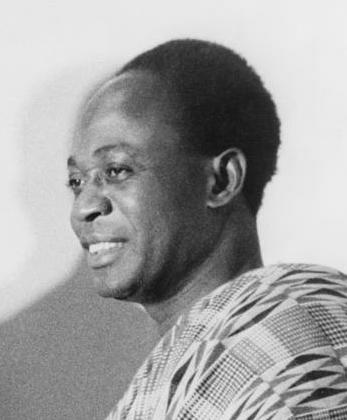
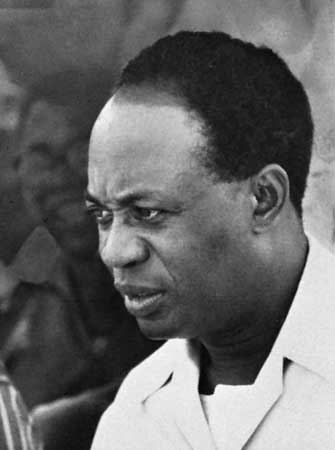
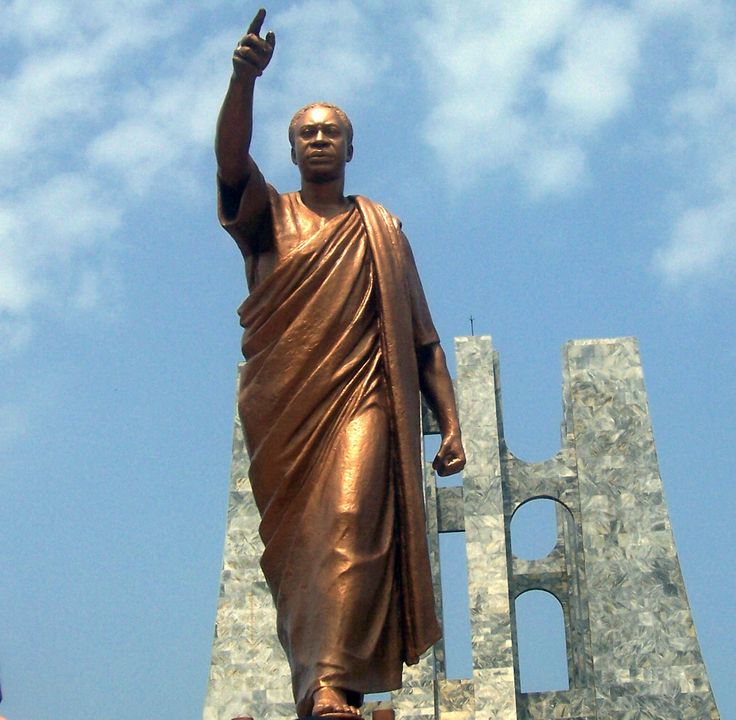
Crate Diggers: W.E.B. DuBois
Showing posts with label W.E.B. DuBois. Show all posts

Tuesday, August 29, 2017

Anniversary of W.E.B. DuBois' Death

“To be a poor man is hard, but to be a poor race in a land of dollars is the very bottom of hardships” - W.E.B. Du Bois
(W.E.B. Du Bois)

W.E.B. Du Bois, was born as William Edward Burghardt Du Bois on February 23rd 1868 in Great Barrington, Massachusetts, USA. Du Bois attended Fisk University in Nashville, TN from 1885 to 1888.
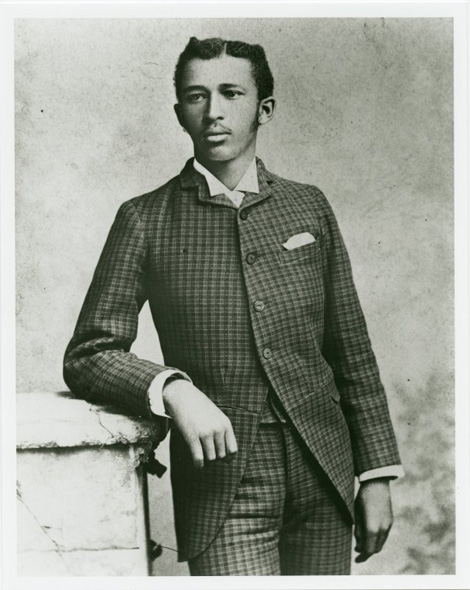
(Du Bois as a young man)
From 1888 to 1890 he attended Harvard University.
(Du Bois (1st to the right bottom row) while in Harvard)
In 1892 Du Bois received a fellowship to attend the University of Berlin. In 1895 he became the 1st African American to receive a Ph.D. from Harvard. In 1896 he performed sociological field research in Philadelphia's African American neighborhoods, which formed the foundation for his landmark study, The Philadelphia Negro (1899). In 1897 Du Bois expanded upon his thesis that African Americans should embrace their African heritage while contributing to American society. Also during this year he took a professorship in history and economics at Atlanta University in Georgia. Du Bois received grants from the U.S. government to prepare reports about the African American workforce and culture. In 1900 Du Bois attended the First Pan-African Conference held in London, England.
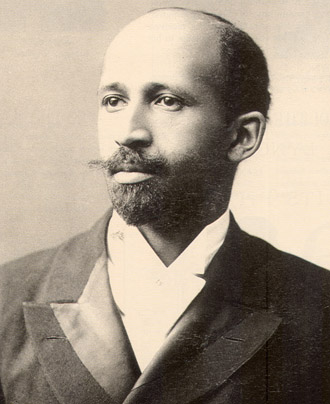
(Du Bois in 1900)
During the early 1900’s Du Bois opposed many ideas of a fellow leader in the Black community, Booker T. Washington. In 1901, Du Bois wrote a review critical of Washington's book Up from Slavery (1901). In 1903 Du Bois wrote a collection of 14 essays and published them as a book called The Souls of Black Folk. The book's effect on African Americans was comparable to that of Uncle Tom's Cabin (1852). In 1905 Du Bois and several other civil rights activists met in Canada near Niagara Falls. They wrote a declaration of principles opposing the Atlanta Compromise, and incorporated as the Niagara Movement in 1906.
(Du Bois (Middle row, 2nd from the right) at the Niagara Movement)
After multiple violent events against Blacks in 1906 Du Bois urged blacks to withdraw their support from the Republican Party, because Republicans Roosevelt and William Howard Taft did not sufficiently support blacks. In 1909 he wrote a biography of abolitionist John Brown. Also in 1909 Du Bois was the first African American invited by the American Historical Association (AHA) to present a paper at their annual conference. In 1910, at the second National Negro Conference, the attendees created the National Association for the Advancement of Colored People (NAACP).
(The NAACP)
Du Bois suggested using the word colored to involve other colored races to help with the organization. NAACP leaders offered Du Bois the position of Director of Publicity and Research and he accepted. In 1911 he attended the First Universal Races Congress in London, England. In 1915 Du Bois wrote that the scramble for Africa was at the root of World War I. Du Bois led to fight against the release of the movie The Birth of a Nation (1915) because of its racist portrayal of blacks as brutish and lustful. Du Bois traveled to Europe in 1919 to attend the first Pan-African Congress and to interview African American soldiers for a planned book on their experiences in World War I. After returning from Europe, Du Bois was more determined than ever to gain equal rights for African Americans. In 1920, Du Bois published Darkwater: Voices From Within the Veil. Between 1922 and 1924 Du Bois wrote in the NAACP’s magazine, The Crisis, about how Marcus Garvey was the “most dangerous enemy of the Negro race in America and the world”. A rivalry emerged in 1931 between the NAACP and the Communist Party, when the Communists responded quickly and effectively to support the Scottsboro Boys, which were 9 African American youth arrested in 1931 in Alabama for the rape of 2 white women. Du Bois and the NAACP felt that the case would not be beneficial to their cause. In 1934 Du Bois resigned from the NAACP. Du Bois took a trip around the world in 1936, which included visits to Nazi Germany, China and Japan. In 1941 Du Bois opposed the U.S. intervention in World War II, particularly in the Pacific, because he believed that China and Japan were emerging from the clutches of white imperialists. In 1942 the FBI began to compile a file on Du Bois. In 1943 Du Bois was fired from his position at Atlanta University which caused outrage by other scholars. Turning down job offers from Fisk and Howard, Du Bois re joined the NAACP as director of the Department of Special Research.
(Du Bois in 1943)
In 1945, Du Bois attended the final, Pan-African Congress, in Manchester, England. There Du Bois met Kwame Nkrumah, the future 1st president of Ghana who would later invite Du Bois to Africa. During the 1950s, the U.S. government's anti communist McCarthyism campaign targeted Du Bois because of his socialist leanings. In 1950 Du Bois ran for US Senator from New York on the American Labor Party ticket. In 1953 when Joseph Stalin died Du Bois wrote a eulogy of him. In 1958 Du Bois visited China.
(Mao Tse Tung (Left) and Du Bois (Right))
In 1963 Du Bois visited Ghana and met with Kwame Nkrumah.
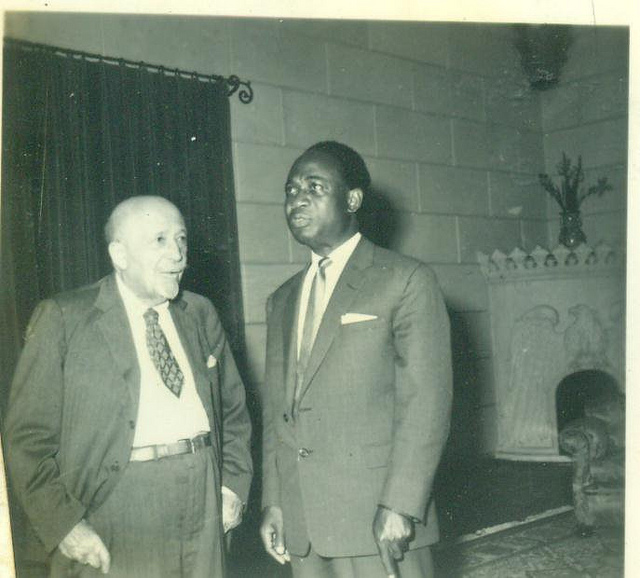
(Du Bois (Left) and Kwame Nkrumah (Right))
On August 27th 1963 Du Bois died in Accra, Ghana. He was 95 years old.
(Du Bois’ funeral in Ghana)
Today is the 54th anniversary of his death. Take time to remember this great leader today.

Books by W.E.B. Du Bois
  • The Study of the Negro Problem (1898)
  • The Philadelphia Negro (1899)
  • The Negro in Business (1899)
  • The Souls of Black Folk (1903)
  • The Talented Tenth (1903)
  • Voice of the Negro II (1905)
  • John Brown: A Biography (1909)
  • Efforts for Social Betterment Among Negro Americans (1909)
  • Atlanta University’s Studies of the Negro Problem (1910)
  • The Negro (1915)
  • The Gift of Black Folk (1924)
  • Africa, Its Geography, People and Products (1930)
  • Africa: Its Place in Modern History (1930)
  • Black Reconstruction in America (1935)
  • What the Negro Has Done for the United States and Texas (1936)
  • Black Folk, Then and Now (1939)
  • Color and Democracy: Colonies and Peace (1945)
  • The Encyclopedia of the Negro (1946)
  • The World and Africa (1946)
  • The World and Africa, an Inquiry into the Part Which Africa Has Played in World History (1947)
  • Peace is Dangerous (1951)
  • I Take My Stand for Peace (1951)
  • In Battle for Peace (1952)
  • Africa in Battle Against Colonialism, Racialism, Imperialism (1960)

Wednesday, August 23, 2017

Happy Birthday Marcus Garvey

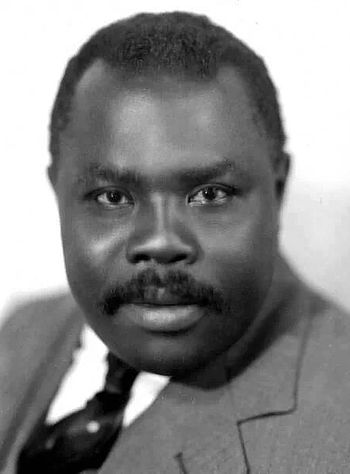
“A people without the knowledge of their past history, origin and culture is like a tree without roots” - Marcus Garvey
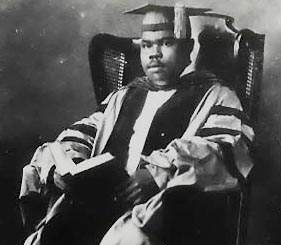
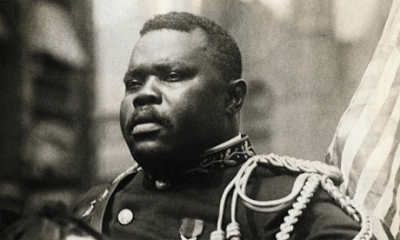
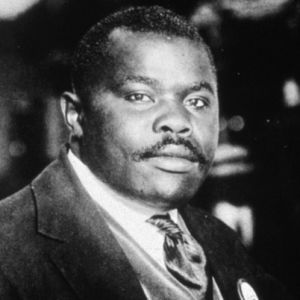
(Marcus Garvey)
Marcus Garvey was born on August 17th, 1887 in St. Ann’s Bay, Jamaica. In 1907 he took part in an unsuccessful printer's strike and the experience kindled in him a passion for political activism. In 1910 Garvey left Jamaica and began traveling throughout the Central American region. He lived in Costa Rica for several months and worked as a timekeeper on a banana plantation. In 1911 he began work as editor for a daily newspaper. He then moved to Panama. In 1912 he returned to Jamaica. Garvey combined the economic nationalist ideas of Booker T. Washington and Pan Africanists with the political possibilities and urban style of men and women living outside of plantation and colonial societies. He then moved to London, England. While in London he attended Birkbeck College, taking classes in law and philosophy.
(Garvey in 1912)
He also worked for the “African Times and Orient Review”, published by Dusé Mohamed Ali. In 1914 Garvey went back to Jamaica where he organized the Universal Negro Improvement Association (UNIA). In 1916 Garvey visited Tuskegee institute. On May 9th 1916, he held his first public lecture in New York City. In 1917 Garvey and thirteen others formed the first UNIA division outside Jamaica. They began advancing ideas to promote social, political, and economic freedom for black people.
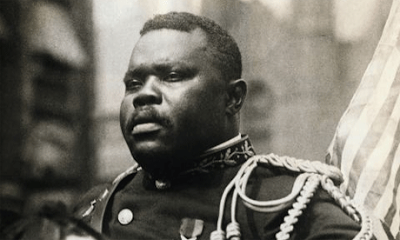
(Garvey in 1917)
In 1918 Garvey began publishing the “Negro World” newspaper in New York. In 1919 the UNIA had 2 million members. Also in 1919 the UNIA set up its first business, incorporating the Black Star Line of Delaware, with Garvey as President. During the first year, the Black Star Line's stock sales brought in $600,000. After the establishment of the Black Star Liner Garvey received criticism from W.E.B. DuBois. This caused a big rivalry between Garvey’ UNIA and Dubois’ NAACP. Also in 1919 a man attempted to kill Garvey and Garvey was wounded from 4 gun shots.
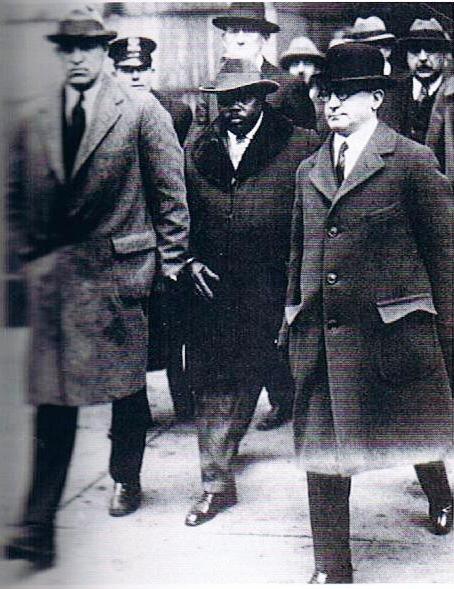
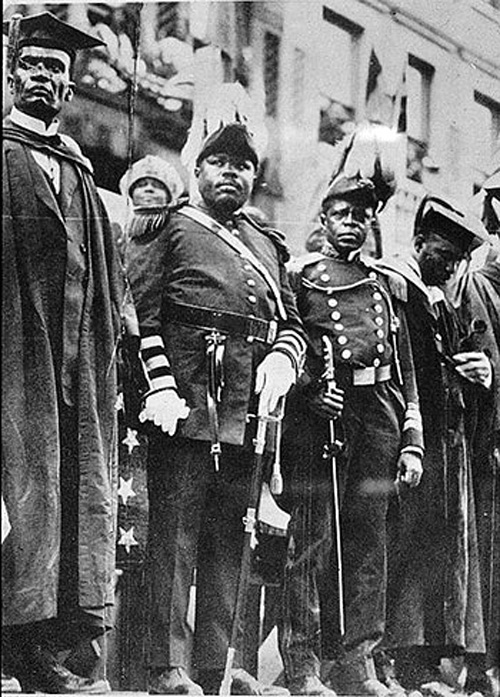
(Garvey in 1919)
In 1920 the UNIA had 4 million members. Also in 1920 Garvey launched the Liberia program intended to build colleges, industrial plants, and railroads as part of an industrial base from which to operate. Also in 1920 Garvey created the red, black and, green Pan African flag. In 1921 the UNIA held an international convention at New York City's Madison Square Garden. Garvey attracted more than 50,000 people to the event and in his cause. Also in 1921 the BOI (now FBI) set up Garvey and charged him for mail fraud. In 1922 Garvey went to Atlanta for a conference with KKK imperial giant Edward Young Clarke, seeking to advance his organization in the South. In 1923 Garvey was sentenced 5 years in prison for mail fraud.
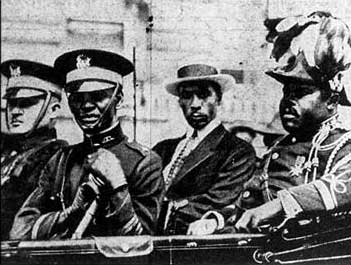
(Garvey in 1923)
He began serving his sentence in 1925. In 1927 Garvey was released. He was then deported back to Jamaica. In 1928 Garvey travelled to Geneva to present the Petition of the Negro Race. This petition outlined the worldwide abuse of Africans to the League of Nations.
(Garvey in 1928)
In 1929 he founded the People's Political Party. Also in 1929 Garvey was elected councilor for the Allman Town Division of the Kingston and St. Andrew Corporation (KSAC). In 1931 Garvey launched the Edelweiss Amusement Company. He set the company up to help artists earn their livelihood from their craft. In 1935 Garvey left Jamaica for London.
(Garvey in 1935)
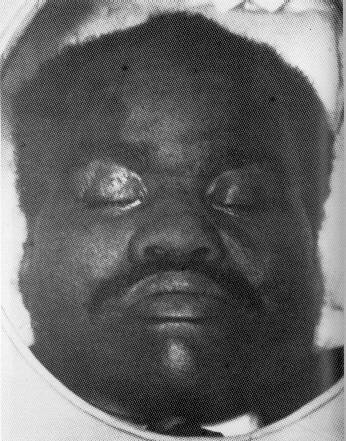
In 1938 he set up the School of African Philosophy in Toronto to train UNIA leaders. On June 10th, 1940 Marcus Garvey died of 2 strokes in London, England. He was 52 years old.
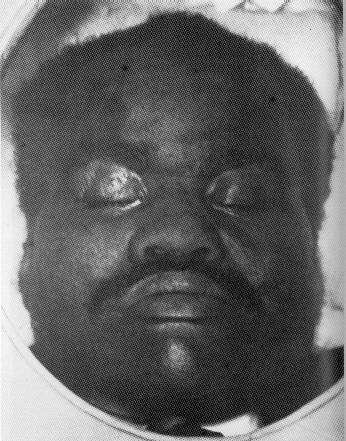
(Garvey’s funeral)
Today is his 130th birthday and we would all like to say happy birthday and rest in peace Marcus Garvey.

Speeches by Marcus Garvey

Tuesday, June 13, 2017

Anniversary of Marcus Garvey's Death

“A people without the knowledge of their past history, origin and culture is like a tree without roots” - Marcus Garvey
(Marcus Garvey)
Marcus Garvey was born on August 17th, 1887 in St. Ann’s Bay, Jamaica. In 1907 he took part in an unsuccessful printer's strike and the experience kindled in him a passion for political activism. In 1910 Garvey left Jamaica and began traveling throughout the Central American region. He lived in Costa Rica for several months and worked as a timekeeper on a banana plantation. In 1911 he began work as editor for a daily newspaper. He then moved to Panama. In 1912 he returned to Jamaica. Garvey combined the economic nationalist ideas of Booker T. Washington and Pan Africanists with the political possibilities and urban style of men and women living outside of plantation and colonial societies. He then moved to London, England. While in London he attended Birkbeck College, taking classes in law and philosophy.
(Garvey in 1912)
He also worked for the “African Times and Orient Review”, published by Dusé Mohamed Ali. In 1914 Garvey went back to Jamaica where he organized the Universal Negro Improvement Association (UNIA). In 1916 Garvey visited Tuskegee institute. On May 9th 1916, he held his first public lecture in New York City. In 1917 Garvey and thirteen others formed the first UNIA division outside Jamaica. They began advancing ideas to promote social, political, and economic freedom for black people.
(Garvey in 1917)
In 1918 Garvey began publishing the “Negro World” newspaper in New York. In 1919 the UNIA had 2 million members. Also in 1919 the UNIA set up its first business, incorporating the Black Star Line of Delaware, with Garvey as President. During the first year, the Black Star Line's stock sales brought in $600,000. After the establishment of the Black Star Liner Garvey received criticism from W.E.B. DuBois. This caused a big rivalry between Garvey’ UNIA and Dubois’ NAACP. Also in 1919 a man attempted to kill Garvey and Garvey was wounded from 4 gun shots.
(Garvey in 1919)
In 1920 the UNIA had 4 million members. Also in 1920 Garvey launched the Liberia program intended to build colleges, industrial plants, and railroads as part of an industrial base from which to operate. Also in 1920 Garvey created the red, black and, green Pan African flag. In 1921 the UNIA held an international convention at New York City's Madison Square Garden. Garvey attracted more than 50,000 people to the event and in his cause. Also in 1921 the BOI (now FBI) set up Garvey and charged him for mail fraud. In 1922 Garvey went to Atlanta for a conference with KKK imperial giant Edward Young Clarke, seeking to advance his organization in the South. In 1923 Garvey was sentenced 5 years in prison for mail fraud.
(Garvey in 1923)
He began serving his sentence in 1925. In 1927 Garvey was released. He was then deported back to Jamaica. In 1928 Garvey travelled to Geneva to present the Petition of the Negro Race. This petition outlined the worldwide abuse of Africans to the League of Nations.
(Garvey in 1928)
In 1929 he founded the People's Political Party. Also in 1929 Garvey was elected councilor for the Allman Town Division of the Kingston and St. Andrew Corporation (KSAC). In 1931 Garvey launched the Edelweiss Amusement Company. He set the company up to help artists earn their livelihood from their craft. In 1935 Garvey left Jamaica for London.
(Garvey in 1935)
In 1938 he set up the School of African Philosophy in Toronto to train UNIA leaders. On June 10th, 1940 Marcus Garvey died of 2 strokes in London, England. He was 52 years old.
(Garvey’s funeral)
Today is the 77th anniversary of his death. Take time to remember this great entrepreneur and leader today.
Speeches by Marcus Garvey


P.S. sorry for the late post

Friday, May 26, 2017

Anniversary of Madam C.J. Walker's Death

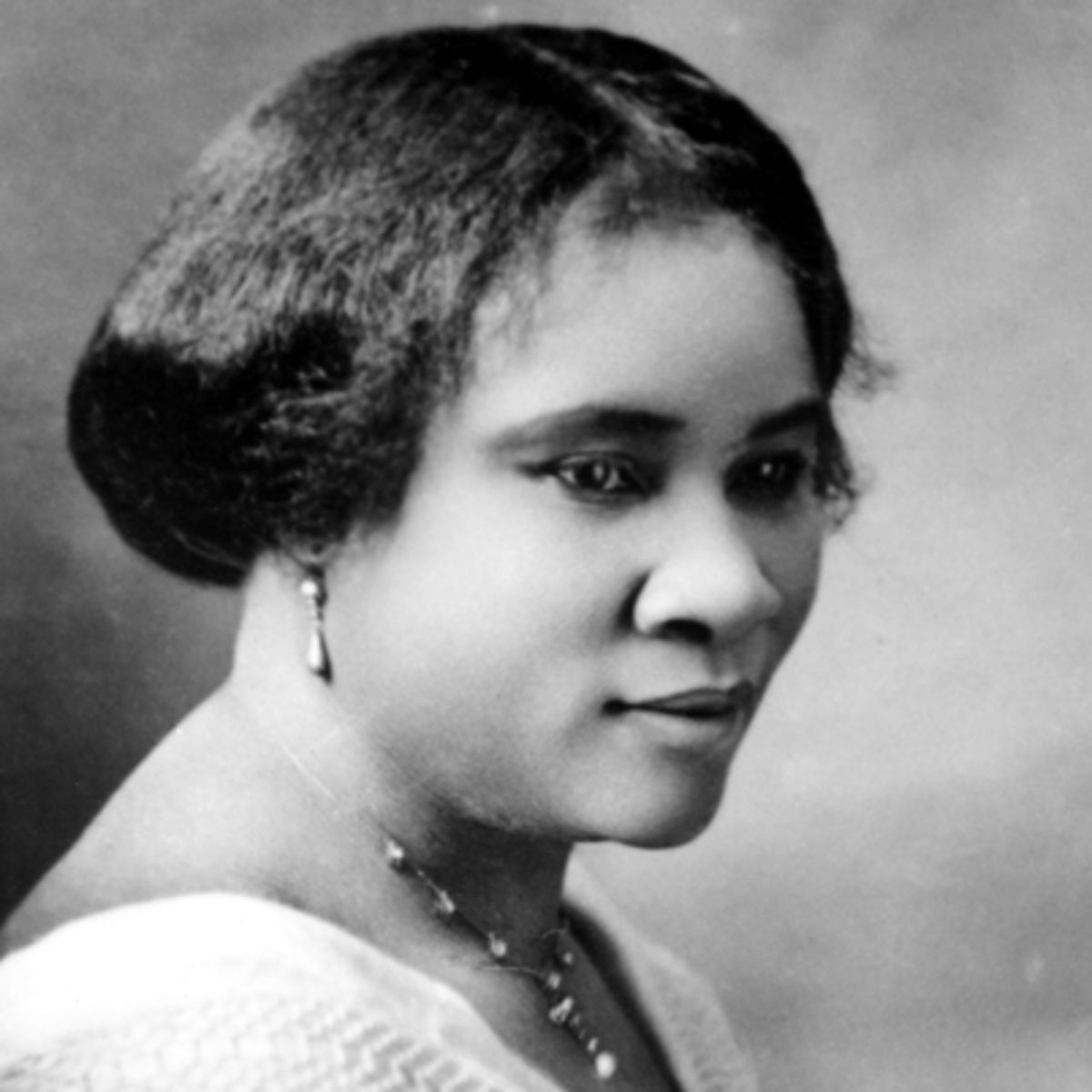
“I am a woman who came from the cotton fields of the South. From there I was promoted to the washtub. From there I was promoted to the cook kitchen. And from there I promoted myself into the business of manufacturing hair goods and preparations. I have built my own factory on my own ground” - Madam C.J. Walker
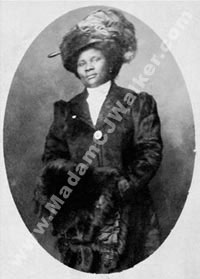
(Madam C.J. Walker)
Madam C.J. Walker was born as Sarah Breedlove in Delta, Louisiana, USA on December 23rd, 1867. In 1872 her mother died. In 1874 her father died. At 10 years old she moved to Vicksburg, MI and worked as a domestic. She lived with her older sister and brother in law. In 1882 Breedlove married Moses Mcwilliams. In 1887 Mcwilliams died. In 1888 she moved to St. Louis, MO. She sang at the St. Paul African Methodist Episcopal Church and started to yearn for an educated life as she watched the community of women at her church. She learned about hair care from her brothers who were barbers. In 1894 she remarried. In 1903 she left her husband. In 1904 she became a commission agent selling products for Annie Turnbo Malone. In 1905 she moved to Denver, CO. In 1906 she married again and she became known as Madam C.J. Walker. She then marketed herself as an independent hairdresser and retailer of cosmetic creams.
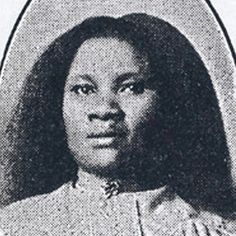
(Walker in 1906)
She sold her products door to door, teaching other black women how to groom and style their hair. In 1908 she moved to Pittsburgh, PA.
(Walker in 1908)
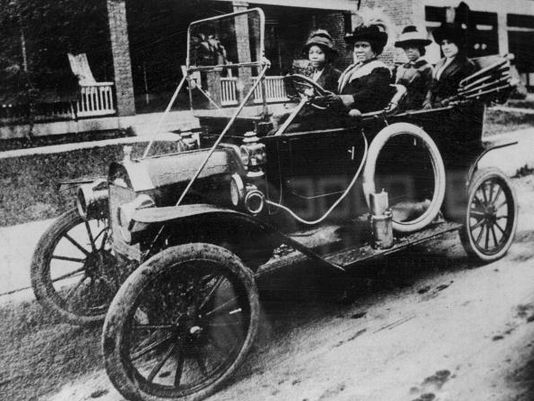
She opened a beauty parlor there. In 1910 she established the headquarters for the Madame C. J. Walker Manufacturing Company in Indianapolis, IN. In 1913 she opened another parlor in Harlem, NY. Walker later built a factory, hair salon, and beauty school to train her sales agents, and added a laboratory to help with research. In 1916 she moved to Harlem, NY. She delivered lectures on political, economic, and social issues at conventions sponsored by powerful black institutions.
(Walker (Driving) in 1916)
Her friends and associates included Booker T. Washington, Mary McLeod Bethune, and W. E. B. Du Bois, among others. By 1917 the company claimed to have trained nearly 20,000 women. Also Walker began organizing her sales agents into state and local clubs.
(Walker in 1917)
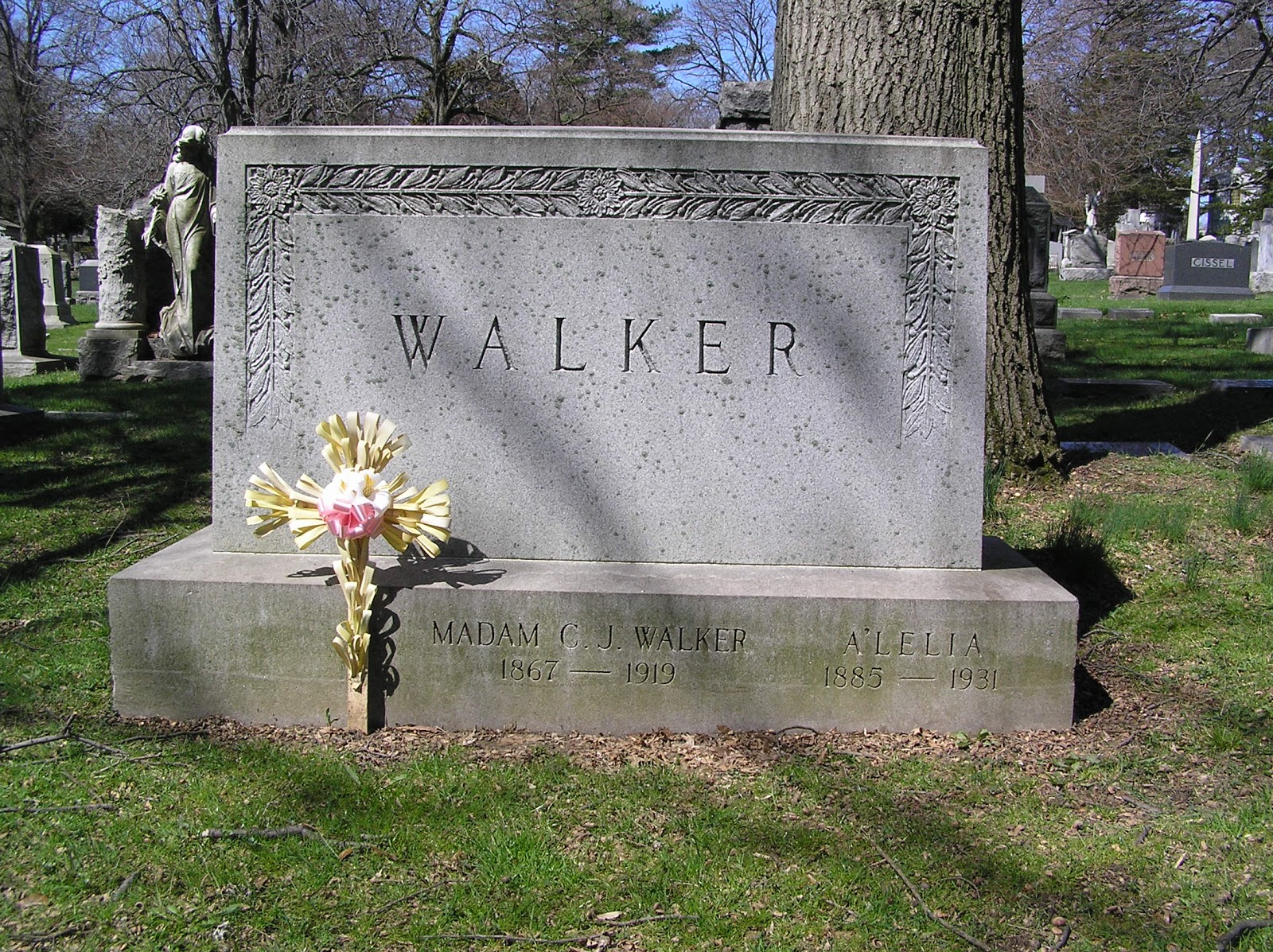
Also in 1917 the first annual conference of the National Beauty Culturists and Benevolent Association of Madam C. J. Walker Agents convened in Philadelphia, PA with 200 attendees. Walker also joined the executive committee of New York chapter of the National Association for the Advancement of Colored People (NAACP). In 1918 the National Association of Colored Women's Clubs (NACWC) honored Walker for making the largest individual contribution to help preserve Frederick Douglass’ Anacostia house. In 1919 Walker pledged $5,000 to the NAACP's anti lynching fund. On May 25th, 1919 Madam C.J. Walker died from kidney failure and complications of hypertension in Irvington, New York, USA. She was 51 years old.
(Walker’s grave)
Today is the 98th anniversary of her death. Take time to remember this great businesswoman today.  


Thursday, April 27, 2017

Anniversary of Kwame Nkrumah's Death

“Freedom is not something that one people can bestow on another as a gift. Thy claim it as their own and none can keep it from them” - Kwame Nkrumah
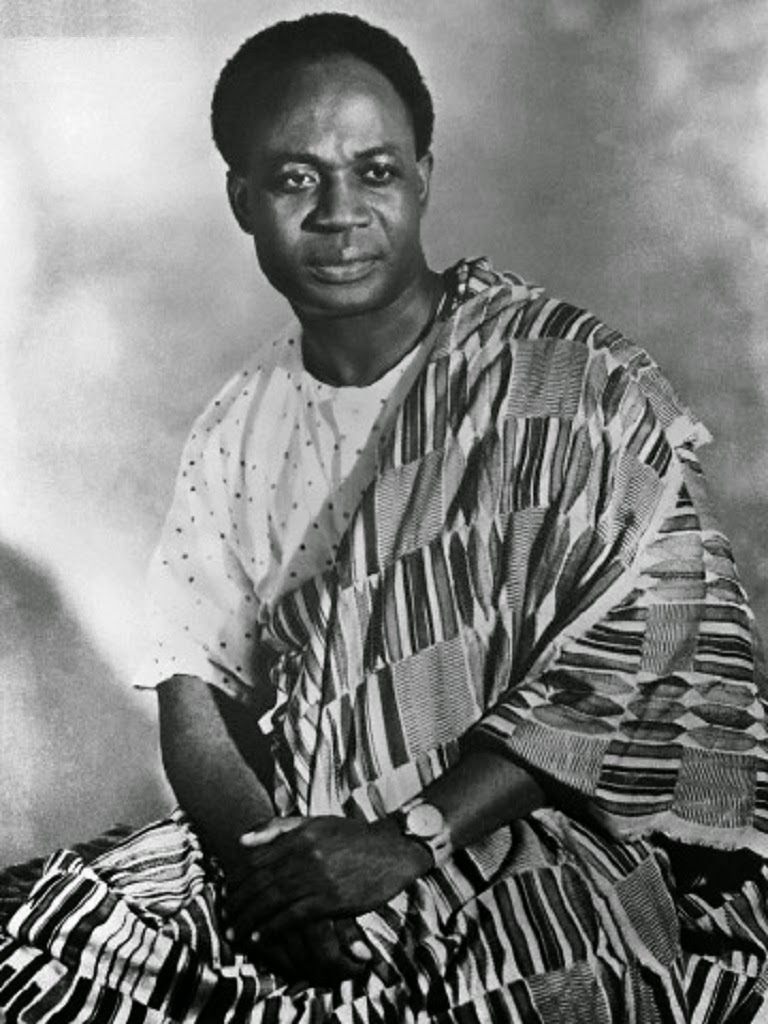
(Kwame Nkrumah)
Kwame Nkrumah was born on September 18, 1909 in Nkroful, Gold Coast (Ghana). Nkrumah was raised by his mother and extended family. Nkrumah went to a Catholic mission school for elementary school and finished the 10 year program in 8 years. In 1925 he became a teacher at the school. The headmaster of the school taught Nkrumah of the teachings and works of Marcus Garvey and W.E.B. DuBois. After graduating from Achimota in 1930 Nkrumah was given a teaching post at the Catholic primary school in Elmina, and after 1 year there, was made headmaster of the school at Axim. In 1933, he was appointed as a teacher at the Catholic seminary at Amissa. Nkrumah went to the US in 1935.
(Nkrumah (Top Right) in 1935)
Nkrumah then enrolled into Lincoln College in Pennsylvania. To pay for his college he worked in menial jobs. In 1939 Nkrumah received his BA in economics and sociology. He was then appointed as an assistant lecturer in philosophy, and he began to receive invitations to be a guest preacher in Presbyterian churches in both Philadelphia and New York City. Also in 1939 Nkrumah enrolled both at Lincoln's seminary and at the Ivy League University of Pennsylvania in Philadelphia. In 1942 he gained a Bachelor of Theology degree from Lincoln. In 1943 Nkrumah earned a Master of Arts degree in philosophy and a Master of Science in education from the University of Pennsylvania. Nkrumah spent his summers in Harlem. Nkrumah organized a group of expatriate African students in Pennsylvania and built it into the African Students Association of America and Canada, and became its president. Also in 1943 Nkrumah met Trinidadian Marxist C. L. R. James, Russian expatriate Raya Dunayevskaya, and Chinese American Grace Lee Boggs. In 1944 Nkrumah played a major role in the Pan African conference held in New York City. In 1945 the FBI started surveillance on Nkrumah. Nkrumah then moved to London, England the same year and enrolled at the London School of Economics as a PhD candidate in anthropology. He withdrew after one term and in 1946 enrolled at University College. Nkrumah was the principal organizer of the Fifth Pan-African Congress in Manchester. The congress agreed to pursue a federal United States of Africa, with interlocking regional organizations, governing through separate states of limited sovereignty. They planned to pursue a new African culture without tribalism, democratic within a socialist or communist system, synthesizing traditional aspects with modern thinking, and for this to be achieved by nonviolent means if possible. W.E.B. DuBois, Hastings Banda, and Jomo Kenyatta attended the congress.
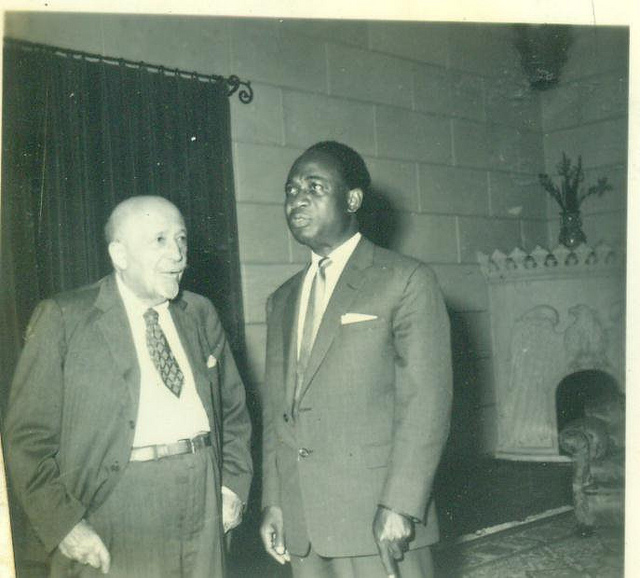
(W.E.B. DuBois (Left) with Nkrumah)
The congress sought to establish ongoing African activism in Great Britain in conjunction with the West African National Secretariat (WANS) to work towards the decolonization of Africa. Nkrumah became the secretary of WANS. Both the U.S. State Department and MI5 watched Nkrumah and the WANS, focusing on their links with Communism. In 1947 Nkrumah ran the United Gold Coast Convention. Nkrumah quickly submitted plans for branches of the UGCC to be established colony wide, and for strikes if necessary to gain political ends. In 1948 Nkrumah organized a march for Ex Servicemen to march to the governor to address their grievances.The march was fired upon by the British which prompted the 1948 Accra riots. In 1948 Nkrumah was arrested in Accra, Ghana for planning to create a Union of African Socialist Republic and for inciting the Accra riots, 5 other leaders of the UGCC were arrested. After they were released Nkrumah using his own funds, began the Ghana National College. Nkrumah became the honorary treasurer. Nkrumah then founded the Accra evening news. In 1949 he announced the formation of the Convention People's Party (CPP). CPP operatives drove red white and green vans across the country, playing music and rallying public support for the party and especially for Nkrumah. In 1950  Nkrumah demanded a constituent assembly to write a constitution and since the governor wouldn't commit to it Nkrumah called for Positive Action, with the unions beginning a general strike. The strike quickly led to violence, and Nkrumah and other CPP leaders were arrested. Nkrumah was sentenced to a total of three years in prison. Nkrumah did not serve the 3 year sentence.
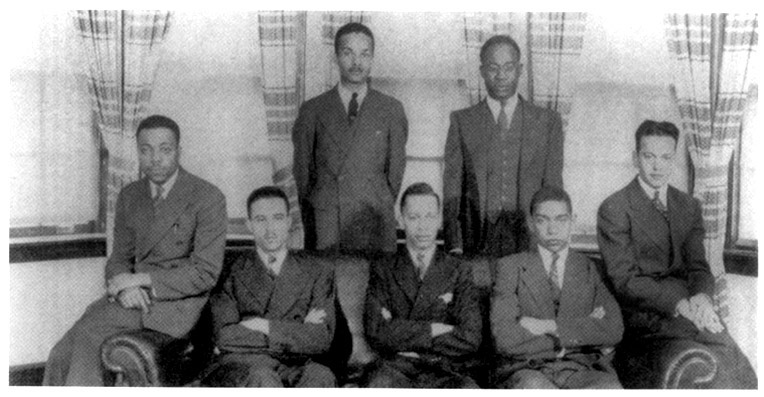
(Nkrumah (Middle Left) in the US)
In the February 1951 legislative election, the first general election to be held under universal franchise in colonial Africa, the CPP was elected in a landslide. Nkrumah was elected for his Accra constituency. Nkrumah faced multiple challenges as he assumed office. The colony was in good financial shape, with reserves from years of cocoa profit held in London, and Nkrumah was able to spend freely. In 1951 Nkrumah earned an honorary degree from Lincoln College. In 1952, the governor withdrew from the cabinet, leaving Nkrumah as his prime minister. In 1953 Nkrumah announced that though Africans would be given preference, the country would be relying on expatriate European civil servants for several years. In June of 1953 the new constitutional proposals were accepted both by the assembly and by the British. In 1956 an assembly voted for independence under the name of Nkrumah. In 1957 the British prime minister, Harold Macmillan, announced that Ghana would be a full member of the Commonwealth of Nations. On March 6th, 1957 Ghana became independent. Nkrumah spoke at the first session of the Ghana Parliament that Independence Day.
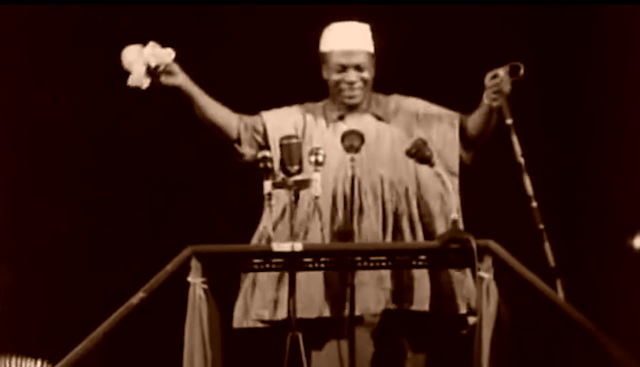
(Nkrumah on Ghana’s independence day)
Nkrumah was hailed as the “Osagyefo” which means "redeemer". Ghanaian independence became one of the most internationally reported news events in modern African history. Nkrumah designed the new national flag of Ghana.  Nkrumah opened Black Star Square near Osu Castle in the coastal district of Osu, Accra. This square would be used for national symbolism and mass patriotic rallies. Under Nkrumah's leadership, Ghana adopted some socialist policies and practices.  Nkrumah created a welfare system, started various community programs, and established schools. Nkrumah's response to riots within the country was to repress local movements by the Avoidance of Discrimination Act, which banned regional or tribally based political parties. Another strike at tribalism fell in Ashanti, where Nkrumah and the CPP got most local chiefs who were not party supporters de stooled. These repressive actions concerned the opposition parties, who came together to form the United Party under Kofi Abrefa Busia. In 1958 an opposition MP was arrested on charges of trying to obtain arms abroad for a planned infiltration of the Ghana Army. Nkrumah was convinced there had been an assassination plot against him, and his response was to have the parliament pass the Preventive Detention Act, allowing for incarceration for up to five years without charge or trial, with only Nkrumah empowered to release prisoners early.  Nkrumah intended to bypass the British trained judiciary, which he saw as opposing his plans when they subjected them to constitutional scrutiny. In 1959 Nkrumah used his majority in the parliament to push through the Constitutional Amendment Act, which abolished the assemblies and allowed the parliament to amend the constitution with a simple majority. In 1960 Nkrumah announced plans for a new constitution which would make Ghana a republic, headed by a president with broad executive and legislative powers.
(Nkrumah in 1960)
Nkrumah was then elected the president of Ghana. Nkrumah also sought to eliminate "tribalism", a source of loyalties held more deeply than those to the nation state. Nkrumah succeeded in reducing the political importance of the local chieftaincy. In 1960 Nkrumah negotiated the creation of a Union of African States, a political alliance between Ghana, Guinea, and Mali. In 1961 Nkrumah laid the first stones in the foundation of the Kwame Nkrumah Ideological Institute created to train Ghanaian civil servants as well as promote Pan Africanism. Also in 1961 Nkrumah visited the USSR and China.
(Nkrumah (Left) with Mao Zedong)
Nkrumah initiated the Ghana Nuclear Reactor Project in 1961 also. In 1962 Nkrumah opened the Institute of African Studies. Nkrumah was instrumental in the creation of the Organisation of African Unity in Addis Ababa in 1963. Nkrumah opposed entry of African states into the Common Market of the European Economic Community. Nkrumah also became a symbol for black liberation in the United States.
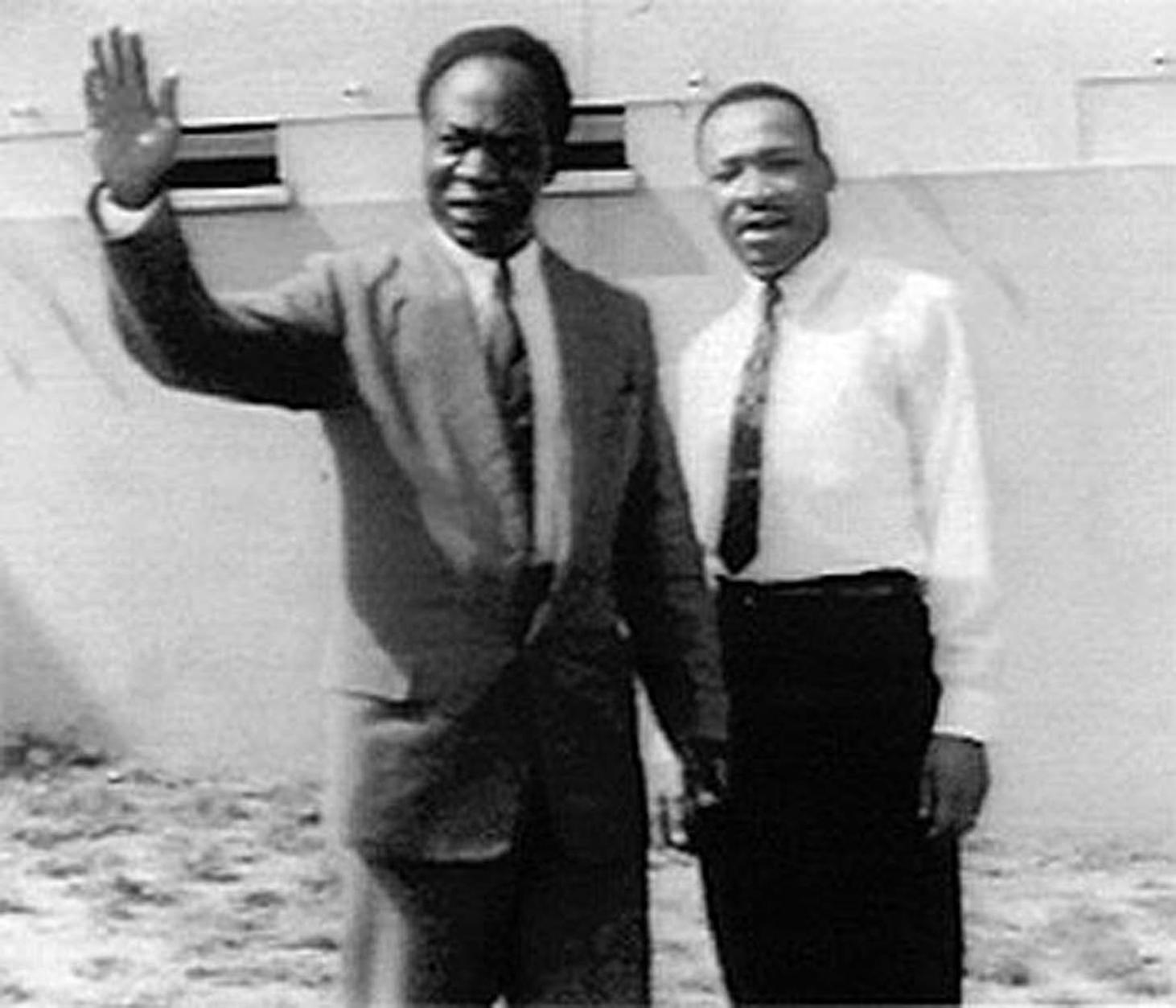
(Nkrumah (Left) and Dr. Martin Luther King Jr. (Right))
Also in 1963 Nkrumah was awarded the Lenin Peace Prize by the USSR. In 1964 he proposed a constitutional amendment which would make the CPP the only legal party and himself president for life of both nation and party. The amendment passed with 99.91% of the vote. The amendment transformed Nkrumah's presidency into a de facto legal dictatorship. Also in 1964 Nkrumah brought forth the Seven Year Development Plan for National Reconstruction and Development, which identified education as a key source of development and called for the expansion of secondary technical schools. In 1966 the country was $1 Billion in debt. Also in 1966 while Nkrumah was visiting Asia his government was overthrown in a military coup.
(Nkrumah in 1966)
President Nkrumah alluded to possible US complicity in the coup. Following the coup, Ghana also realigned itself internationally, cutting its close ties to Guinea and accepting a new friendship with Western countries. Ghana lost a good deal of its stature in the eyes of African nationalists. Nkrumah never returned to Ghana, but he continued to push for his vision of African unity. He was exiled to Conakry, Guinea. He became honorary co president of Guinea. Nkrumah then moved to Romania due to his failing health.
(Nkrumah in 1972)
On April 27th, 1972 Kwame Nkrumah died of prostate cancer in Bucharest, Romania. He was 62 years old.
(Statue of Nkrumah)
Today is the 45th anniversary of his death. Take time to remember this great leader today.   

Books by Kwame Nkrumah
  • Negro History: European Government in Africa (1938)
  • Ghana: The Autobiography of Kwame Nkrumah (1957)
  • Africa Must Unite (1963)
  • African Personality (1963)
  • Neo-Colonialism: the Last Stage of Imperialism (1965)
  • Axioms of Kwame Nkrumah (1967)
  • African Socialism Revisited (1967)
  • Voice From Conakry (1967)
  • Dark Days in Ghana (1968)
  • Handbook of Revolutionary Warfare (1968)
  • Consciencism: Philosophy and Ideology for Decolonisation (1970)
  • Class Struggle in Africa (1970)
  • The Struggle Continues (1973)
  • I Speak of Freedom (1973)
  • Revolutionary Path (1973)  

Videos of Kwame Nkrumah