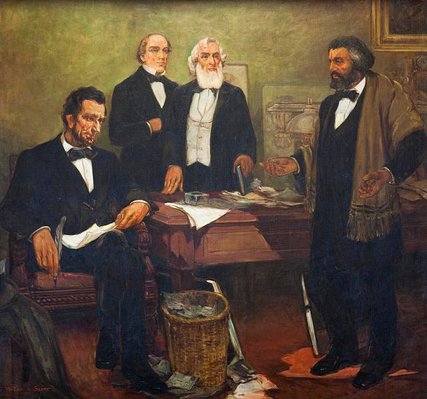
Crate Diggers: Slavery
Showing posts with label Slavery. Show all posts

Sunday, March 12, 2017

Anniversary of Harriet Tubman's Death

“I freed a thousand slaves I could have freed a thousand more if only they knew they were slaves” - Harriet Tubman
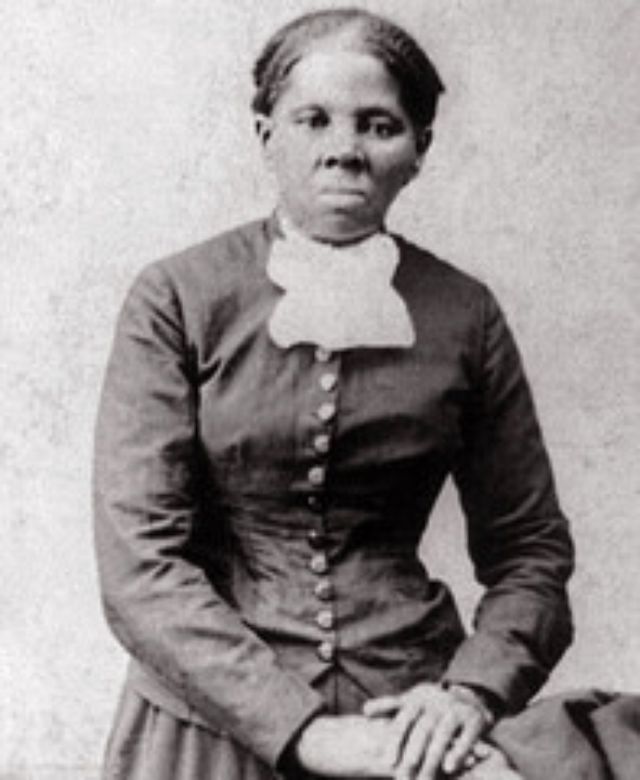
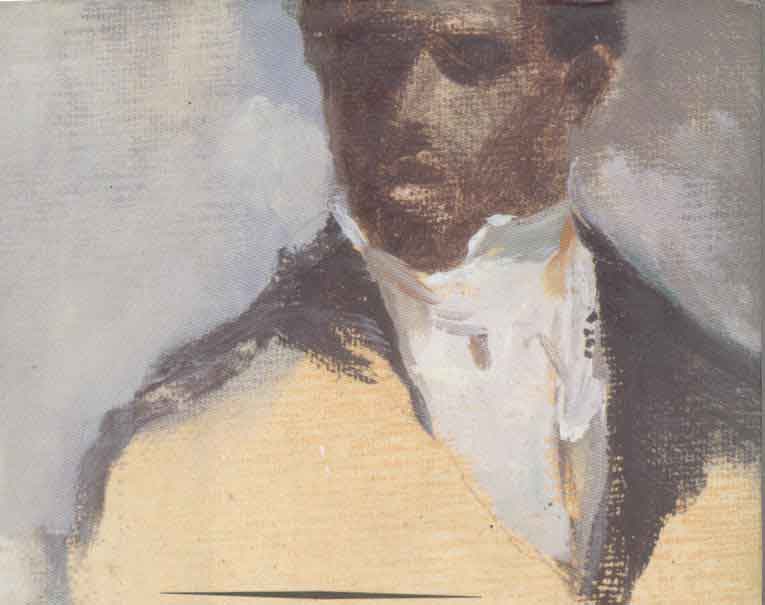
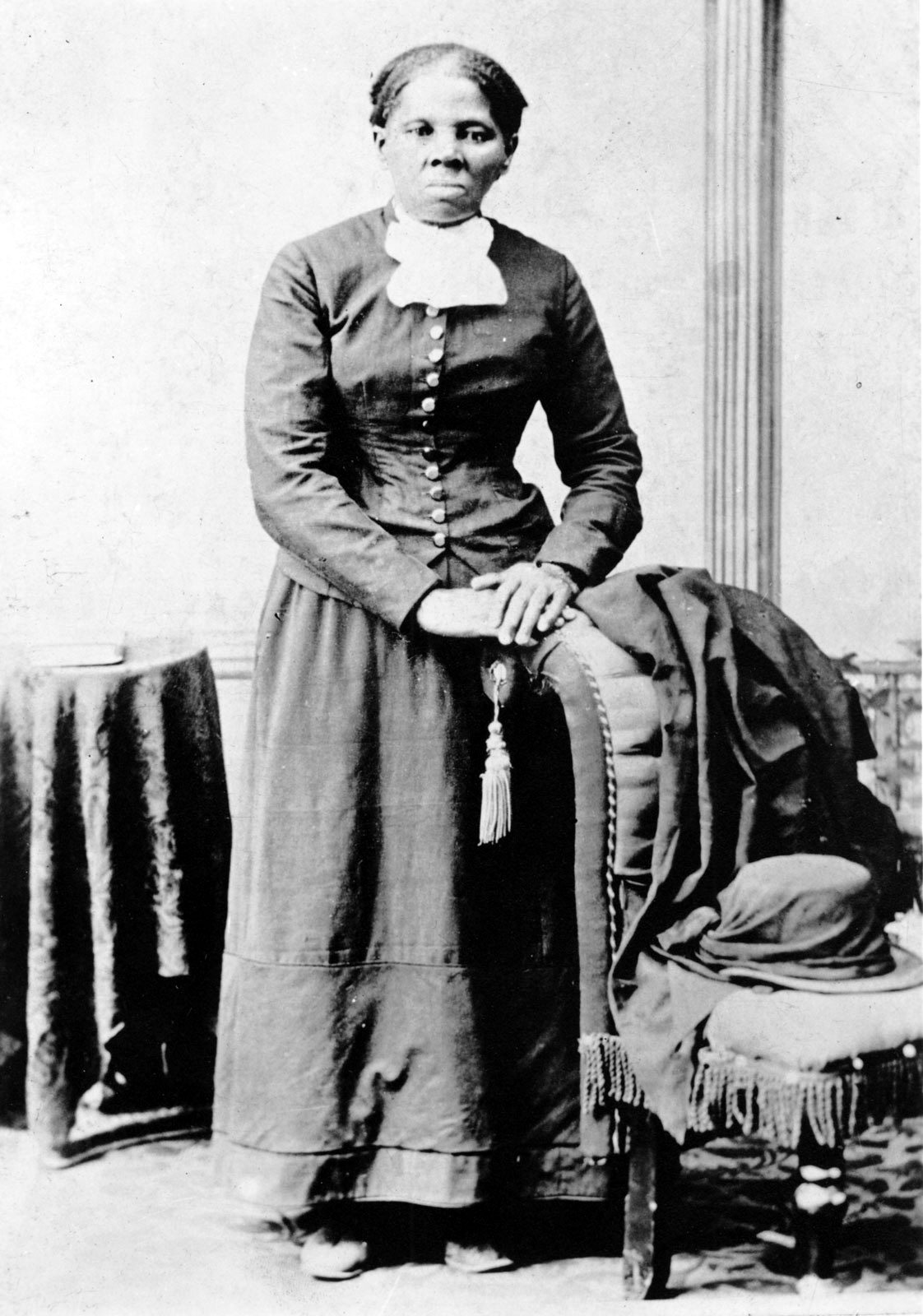
(Harriet Tubman)
Harriet Tubman was born as Araminta Ross on an unknown date in 1822 in Dorchester County, Maryland, USA. She was born into slavery. There is a discrepancy as to what exact year she was born. Ross took care of her younger siblings because her mother worked in the slave master’s house and didn't have too much time for the children. During childhood she would find ways to resist by wearing layers of clothing as protection against beatings and fighting back. As she grew older she was assigned to working in the field. One day Ross was sent to go get supplies from a store. At the store she saw a dispute between a slave and a slaveowner. The slave tried to run out of the store away from his master and his master threw a 2 pound weight at him but he struck Ross on accident. The injury caused disabling epileptic seizures, headaches, powerful visions, and dream experiences, which occurred throughout her life. Around 1844 Ross married a free Black man named John Tubman. Soon after the marriage she changed her name to Harriet Tubman, Harriet being her mother’s name. In 1849 Tubman’s master died and there was an increased likelihood that she was going to be sold and her family broken up. On September 17th, 1849 Tubman and her 2 brothers escaped. Her brothers had second thoughts about escaping so then they all returned back. Tubman escaped again this time alone. Tubman used the Underground Railroad to help her get North. She traveled through Delaware then through Pennsylvania. While in Philadelphia, PA she worked jobs to save up money.
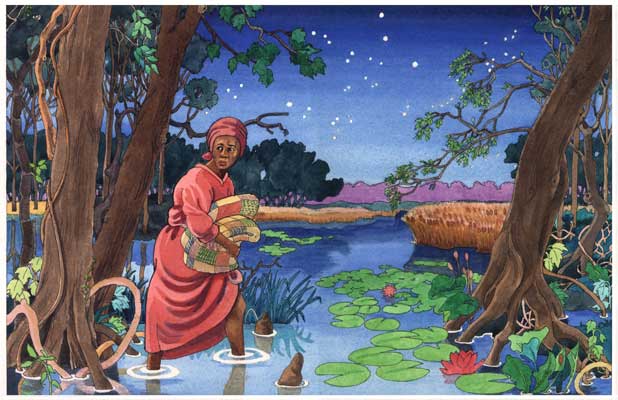
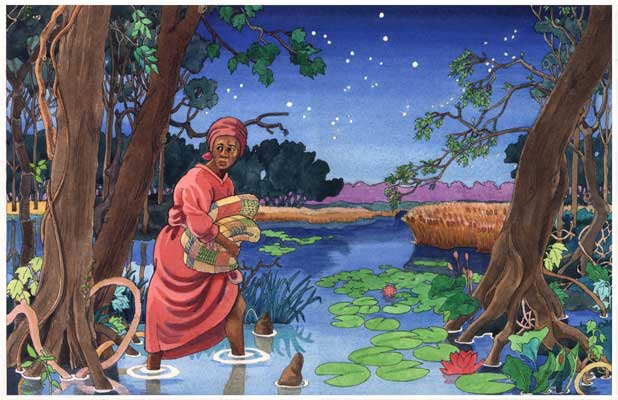
(A painting of Tubman)
In December of 1850 Tubman went to Baltimore, MD to help in the assistance of her niece and her kids escape. In the spring of 1851 she returned to help more families escape including one of her brothers. She was given the name “Moses” by abolitionist William Lloyd Garrison due to the connection of Moses from the Bible leading the Hebrews from slavery and Tubman leading African-Americans from slavery. She had a lot of help freeing slaves throughout Maryland. In the Fall of 1851 she returned to her place of birth to find her husband John Tubman. She found out that her husband had remarried and instead she found a group of slaves that she helped escape to Pennsylvania. In December of 1851 Tubman guided a group of 11 slaves into Canada due to the US’s Fugitive Slave Act of 1850. On the way to Canada they stopped at the home of abolitionist Frederick Douglass. Over 11 years Tubman freed 70 slaves from Maryland in 13 expeditions. She mostly worked in the Winter months due to the fact the nights were longer. She risked being seen by her former masters many times while going back to Maryland. She also had visions of herself speaking with God and she stated that God would protect her during her expeditions. Tubman carried firearms with her aswell for protection from slave catchers and to use if any slave she was helping was going to sell her out and get her caught.
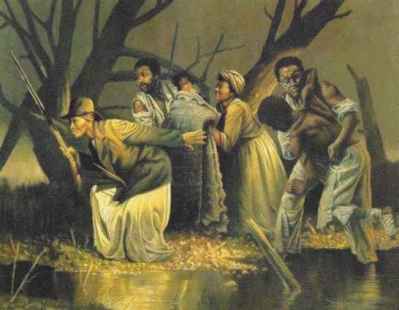
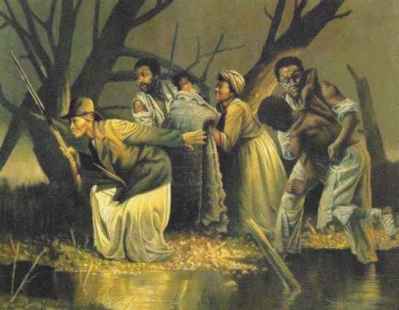
(A painting of Tubman (Left))
A lot of slaveholders thought a Northern White abolitionist were enticing slaves to run away or that John Brown was aiding in the escape of slaves. There has been an estimation of between $12,000 and $40,000 for Tubman’s capture. Tubman was never captured and none of the slaves she helped escaped were ever captured. Abolitionist John Brown worked with Tubman to recruit supporters for an attack on slave owners. Tubman was supposed to be with John Brown on his Raid on Harper’s Ferry in 1859 but she wasn't able to be contacted. In 1859 Tubman returned to the US and lived in Auburn, New York. In November of 1860 Tubman conducted her last rescue mission and brought a group of slaves to New York. During the Civil War, Tubman brought together a group of former slaves for a regiment of black soldiers.
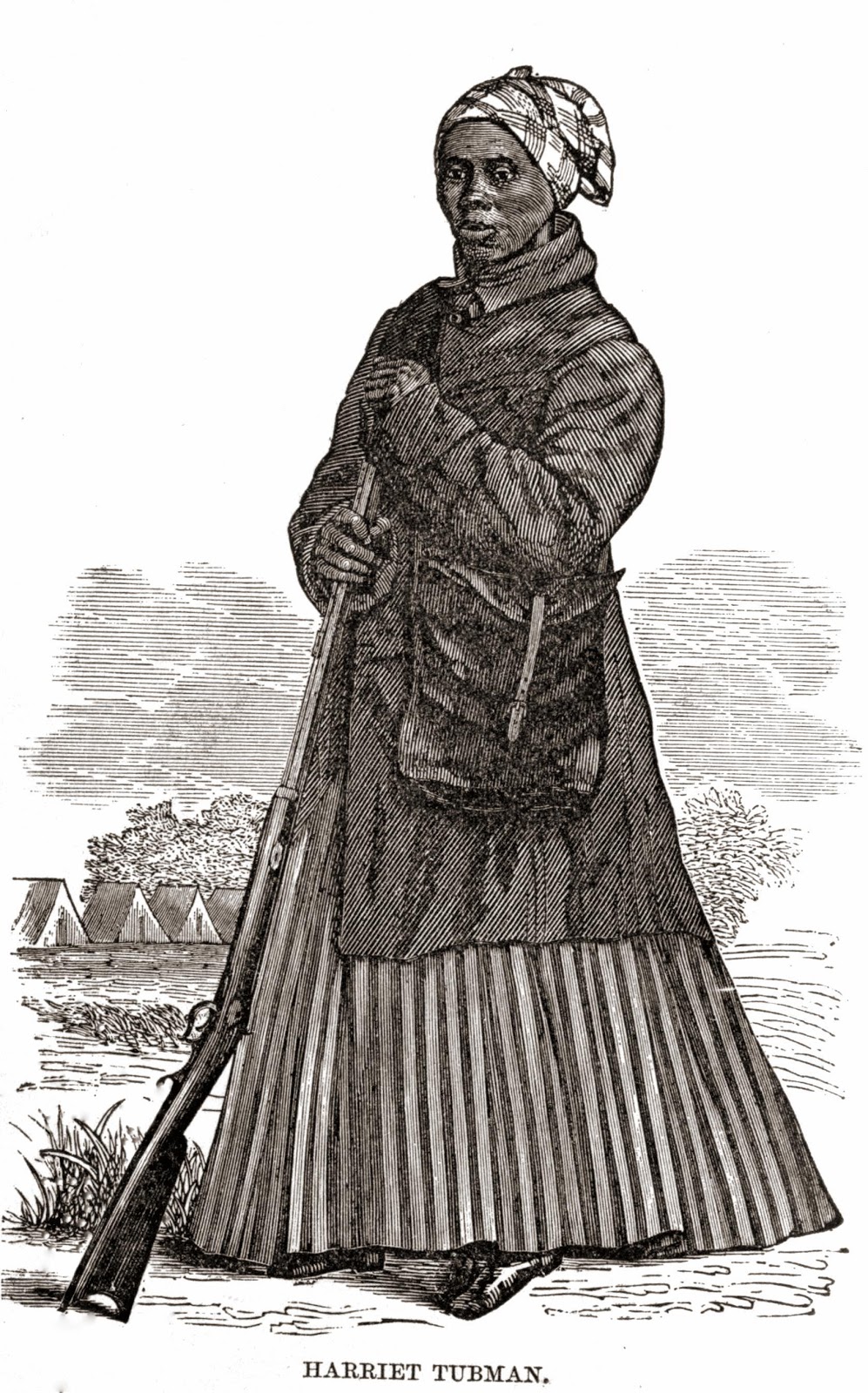
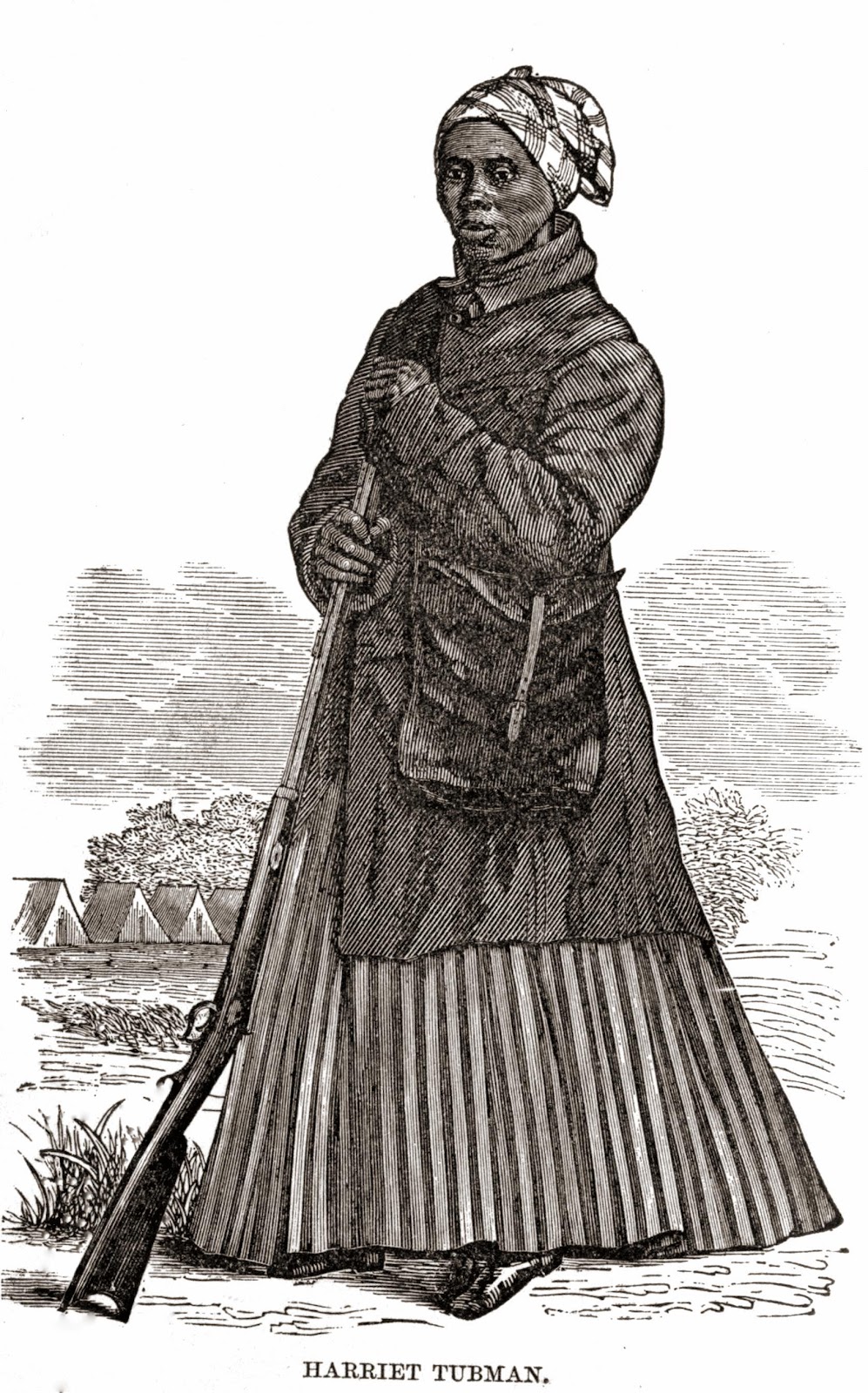
(A drawing of Tubman)
Tubman served as a nurse during the Civil War in Port Royal, SC. In 1863 she began to lead scouts through South Carolina. Tubman became the 1st woman to lead an armed assault in the Civil War. This assault involved freeing slaves from several plantations. More than 750 slaves were rescued. After the confederacy surrendered in 1865 Tubman returned to her home in New York. On her way back she was forced into the smoking car of the train she was riding and she suffered a broken arm from it while the White passengers wanted her thrown off the train. She never received any salary for her work during the Civil War. On March 18th, 1869 she was married to  a Civil War veteran named Nelson Davis. Also in 1869 a biography was written about her.
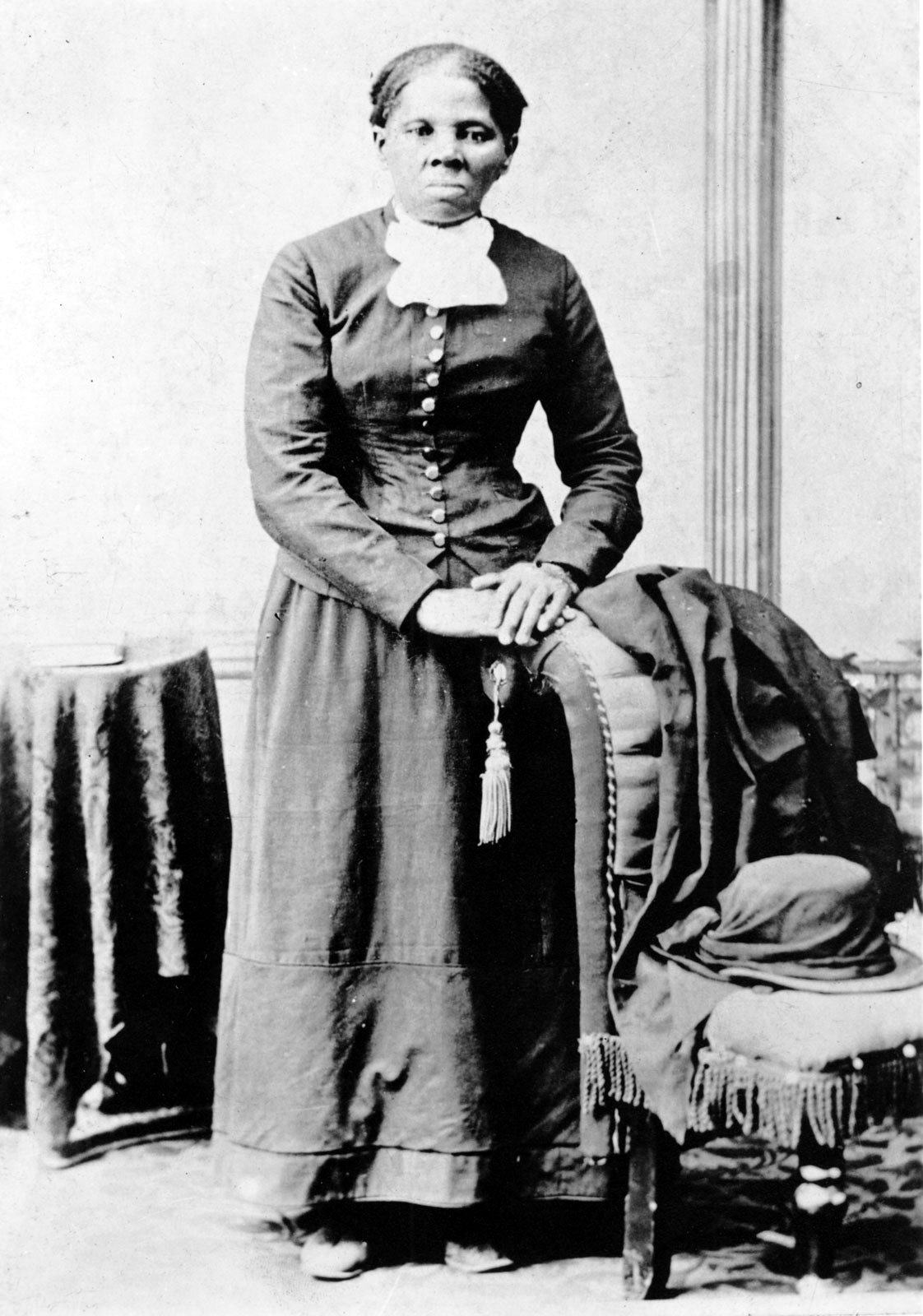
(Tubman in 1870)
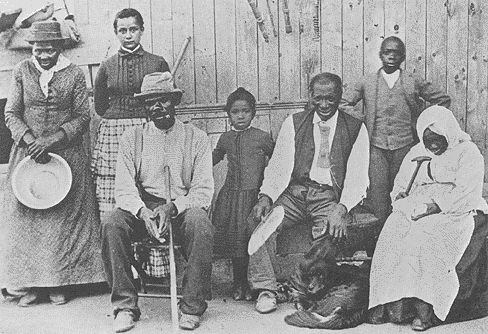
In 1873 Tubman was involved in a gold swindle. In 1886 another biography about her was written. In 1896 Tubman became a speaker for the National Federation of Afro-American Women. In 1899 she finally received pension for her service in the Union Army.In the late 1890’s Tubman underwent brain surgery to help with her constant seizures, headaches, and suffering from her childhood head trauma. She didn't use anesthesia, preferring to bite down on a bullet like soldiers did in the Civil War while having limbs amputated.  In 1900 she became involved with the African Methodist Episcopal Zion Church. In 1908 a parcel of real estate that Tubman donated to her church became the Harriet Tubman Home for the Aged.
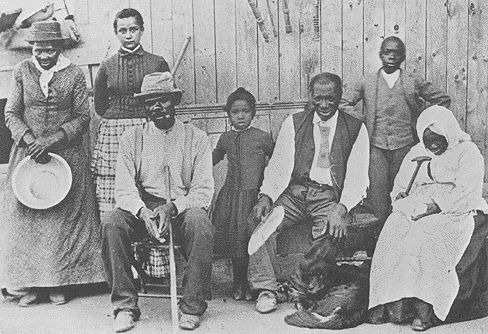
(Tubman (Left) with her family)
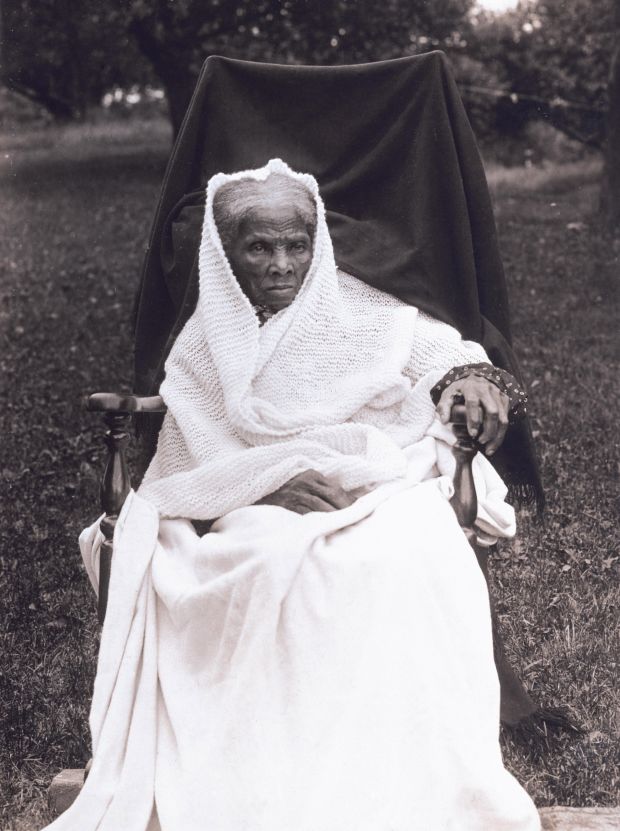
In 1911 she was admitted into the rest home. On March 10th, 1913 Harriet Tubman died of pneumonia in Auburn, New York. She was about 91 years old.
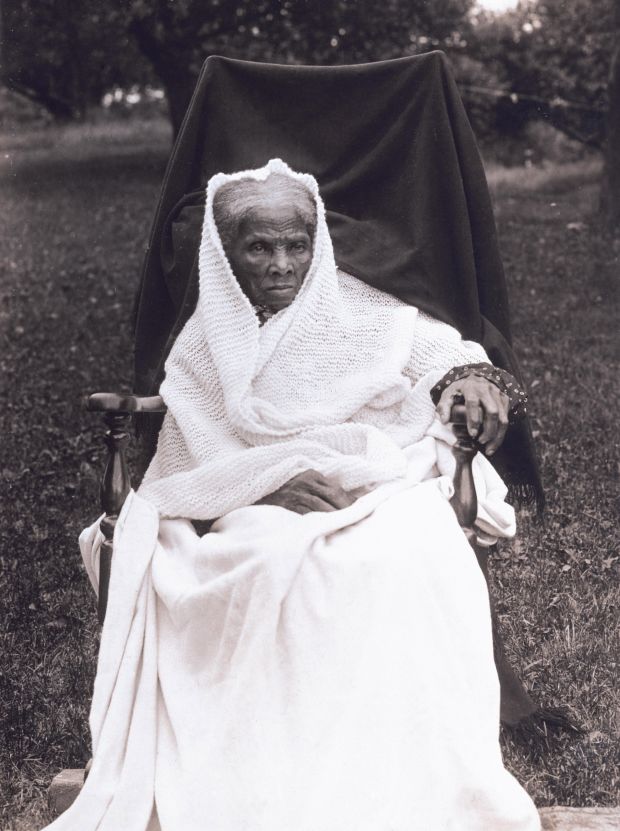
(Tubman in 1911)
Today is the 104th anniversary of her death. Take time to remember this great abolitionist today.

Books relating to Harriet Tubman
  • Scenes in the Life of Harriet Tubman (1869) by Sarah H. Bradford
  • Harriet Tubman: The Moses of Her People (1886) by Sarah H. Bradford
  • Harriet Tubman (2004) by Catherine Clinton


(P.S. sorry for the late post)

Monday, February 20, 2017

Anniversary of Frederick Douglass' Death

“It is easier to build strong children than to repair broken men” - Frederick Douglass
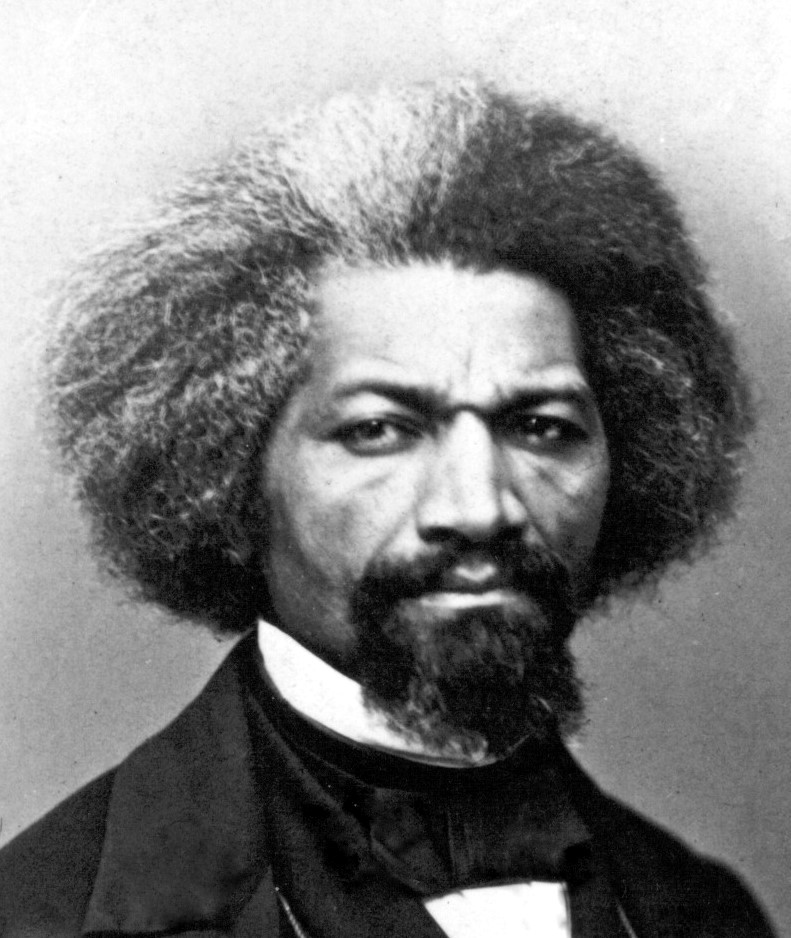
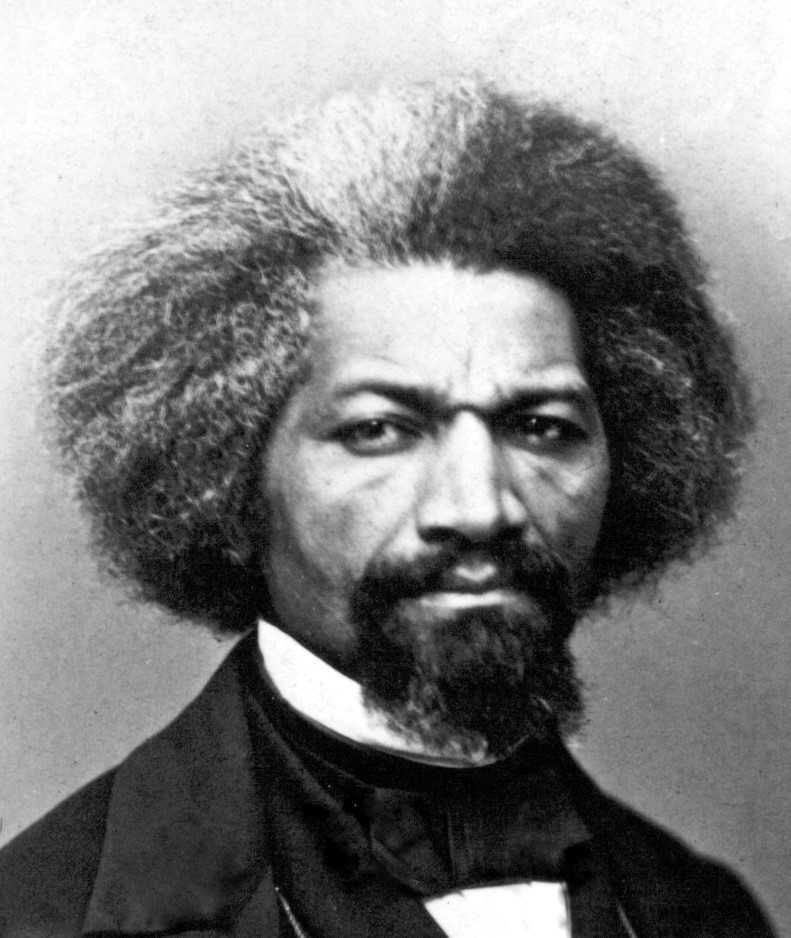
(Frederick Douglass)
Frederick Douglass was born as Frederick Augustus Washington Bailey in February of 1818 in Talbot County, Maryland, USA. He was born into slavery and the exact date of his birth is unknown. His father was a white man that he never met and his mother was a slave that his father raped. He was separated from his mother at a young age. He lived with his mother’s mother until the age of 7 where he was separated from her. His mother died when he was 10 years old. After one of his slave masters died he was moved to his deceased master’s brother in Baltimore,MD. When he was 12 his master’s wife started to teach him the alphabet.
(Douglass as a child)
His master disapproved of his wife teaching Douglass the alphabet as this may lead to him eventually wanting freedom. In private Douglass taught himself to read by reading newspapers, pamphlets and other forms of media. When his master hired him out to another slave master he taught those slaves to read the Bible at a sunday school which he taught classes at. More than 40 slaves would attend the class. These classes went on for 6 months unnoticed until 1 sunday a group of slave masters busted in to disperse the class. His 1st slave master took Douglass back and sent him to another slavemaster with the reputation of a “Slave Breaker”. Douglass was beat regularly and he was nearly broke mentally. At 16 years old Douglass finally fought back and beat his slave master in a fight and he was never whipped or beat again. In 1836 Douglass tried to escape but was unsuccessful. In 1837 Douglass met and fell in love with a free Black woman in Baltimore who was 5 years older than him named Anna Murray.
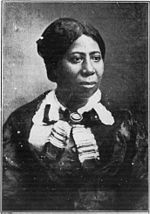
(Douglass’ wife, Anna Murray)
Moreover, on September 3rd, 1838 Douglass successfully escaped by a train that was traveling North. He traveled through the slave state of Delaware disguised as a sailor with fake documents saying he was a free man. He then got into the free state of Pennsylvania. From Pennsylvania he moved up to New York City, NY and stayed with a well known abolitionist. After settling in New York City he sent for his girlfriend Anna Murray. They married on September 15th, 1838. They adopted the name Johnson as their last name. They then moved to New Bedford, MA. They then changed their last name again to Douglass. Douglass became a licensed preacher in 1839. In 1840 he delivered a speech in Elmira, NY which was a station for the underground railroad. Douglass became a regular at abolitionist meetings in New Bedford, MA. Douglass drew inspiration from abolitionist William Lloyd Garrison. In 1841 Douglass heard Garrison speak at a meeting of the Bristol Anti-Slavery Society. At another meeting Douglass was unexpectedly invited to speak of his story of escaping slavery. Douglass was encouraged to become an anti-slavery lecturer. At 23 years old he spoke at an anti-slavery convention in Nantucket, MA. In 1843 Douglass joined other speakers on a 6 month tour through the Eastern and Midwestern parts of the US. At a lecture in Pendleton, Indiana an angry mob of slavery supporters chased and beat Douglass. He was rescued by a Quaker family.

Furthermore, Douglass suffered a broken hand that never healed properly. In 1845 Douglass published his book Narrative of the Life Frederick Douglass, An American Slave. Within three years, it had been reprinted nine times, with 11,000 copies circulating in the United States. It was also translated into French and Dutch and published in Europe.In 1845 Douglass went to tour Europe. on the 16th of August 1845 he arrived in Liverpool, England. He then traveled to Ireland. Douglass spent 2 years in Ireland and England. During his trip Douglass became legally free. Douglass returned to the US in Spring of 1847.
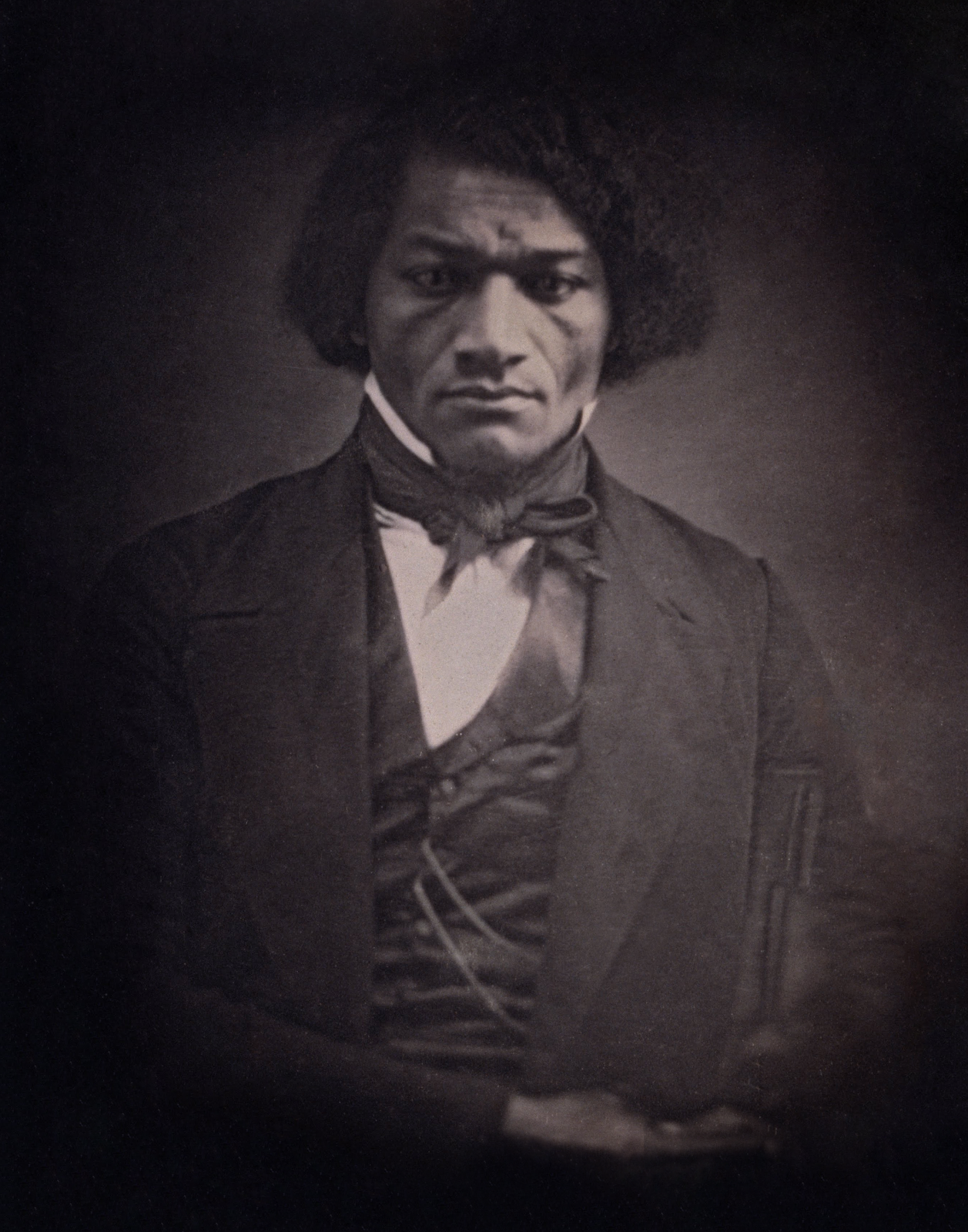
(Douglass in 1847)
Douglass published the first abolitionist paper called The North Star in Rochester,NY. In September of 1848 Douglass wrote a letter to his former slave master berating him for his conduct, and enquiring after members of his family still held by him. In 1848, Douglass was the only African American to attend the Seneca Falls Convention, the first women's rights convention, in upstate New York. Douglass stood and spoke eloquently in favor of women’s suffrage; he said that he could not accept the right to vote as a black man if women could not also claim that right. In 1851 Douglass merged The North Star with Gerrit Smith's Liberty Party Paper to form Frederick Douglass' Paper, which was published until 1860. On July 5, 1852, Douglass delivered an address to the ladies of the Rochester Anti-Slavery Sewing Society. This speech became known as “What to the slave is the 4th of July?".
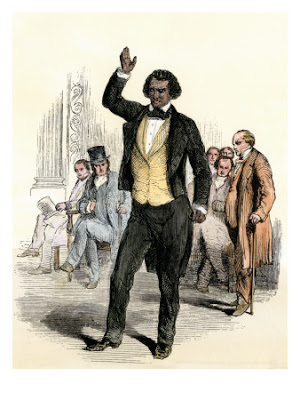
(A drawing of Douglass)
Douglass met with abolitionist John Brown two months before Brown lead his raid on the federal armory in Harpers Ferry. Douglass disapproved of Brown's plan to start an armed slave rebellion in the South. After the raid, Douglass fled for a time to Canada, fearing guilt by association as well as arrest as a co-conspirator.
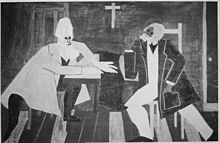
(A drawing of John Brown (Left) and Douglass (Right))
In 1855 he published his 2nd book My Bondage and My Freedom.
(Douglass in 1856)
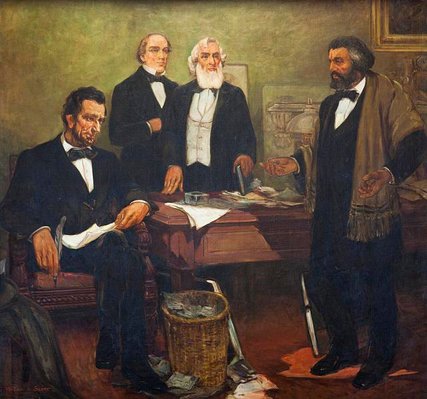
Douglass conferred with President Abraham Lincoln in 1863 on the treatment of black soldiers, and with President Andrew Johnson on the subject of black suffrage. During the U.S. Presidential Election of 1864, Douglass supported John C. Frémont. Douglass was disappointed that President Lincoln did not publicly endorse suffrage for blacks. Douglass believed that since African-American men were fighting for the Union in the American Civil War, they deserved the right to vote. Douglass helped the Union by serving as a recruiter for the 54th Massachusetts Infantry Regiment. In 1870, Douglass started his last newspaper, the New National Era, attempting to hold the US to its commitment to equality. In 1872, Douglass became the first African American nominated for Vice President of the United States, as Victoria Woodhull's running mate on the Equal Rights Party ticket. He was also presidential elector at large for the State of New York, and took that state's votes to Washington, D.C. His home in Rochester, NY was burned down by a suspected arsonist. Douglass then moved to Washington D.C.
(Douglass in the 1870’s)
In 1881 he published his 3rd book Life and Times of Frederick Douglass. In this book he said that Abraham Lincoln was the best US president.
(A painting of Douglass (Far Right) with U.S. President Abraham Lincoln (Far Left))
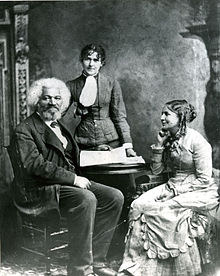
In 1877 Douglass met with is former slavemaster and reconciled. In 1882 his wife Anna Douglass died. In 1884 he remarried to  Helen Pitts, a white feminist from Honeoye, New York. He received criticism for marrying a white woman which he replied by saying that his first marriage had been to someone the color of his mother, and his second to someone the color of his father.
(Douglass (Left) with his sister in law (Middle) and his 2nd wife Helen Pitts (Right))
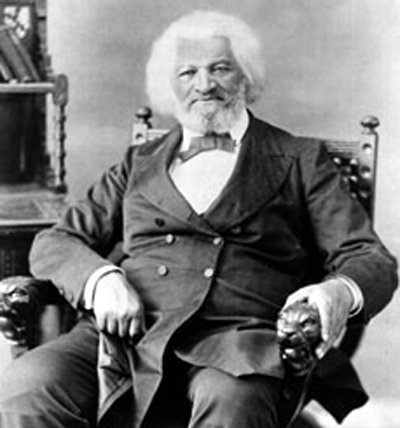
At the 1888 Republican National Convention, Douglass became the first African American to receive a vote for President of the United States in a major party's roll call vote. The Republic of Haiti appointed Douglass minister-resident and consul-general in 1889 and the position lasted for little over a year. In 1892, Douglass became Haiti's commissioner to the Chicago World's Columbian Exposition. Also in 1892, Douglass constructed rental housing for blacks, now known as Douglass Place, in the Fells Point area of Baltimore, MD. On February 20th, 1895 Frederick Douglass died of a heart attack and/or stroke. He was about 77 years old.
(Douglass in 1895)
Today is the 122nd anniversary of his death. Take time to remember this great abolitionist today.

Books by Frederick Douglass
  • A Narrative of the Life of Frederick Douglass, an American Slave(1845)
  • My Bondage and My Freedom (1855)
  • Life and Times of Frederick Douglass (1881)

Thursday, December 15, 2016

Anniversary of Nat Turner's Death

“Having soon discovered to be great, I must appear so, and therefore studiously avoided mixing in society, and wrapped myself in mystery, devoting my time to fasting and prayer” - Nat Turner
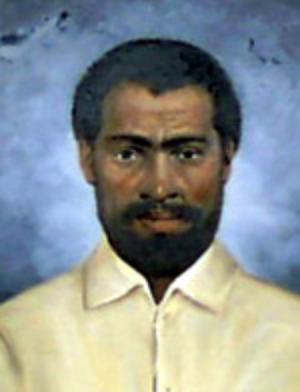
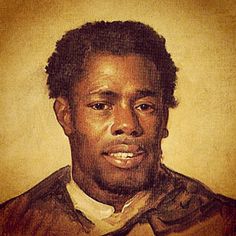
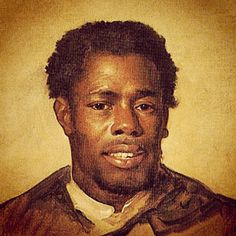
Image result for nat turner(Nat Turner)
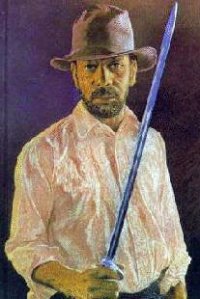
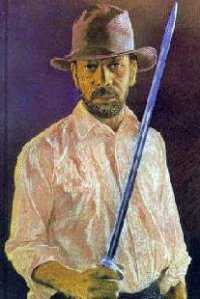
Nat Turner was born on October 2nd, 1800 in Southampton County, Virginia, USA. He was born into slavery. In 1810 his master died and he was given to his master’s brother. At a young age he learned to read and write. He was also very religious. At 22 years old Turner had a vision from God that he should run away from his master. He returned to his owner a month later.
Image result for nat turner(A drawing of Turner)
Turner would conduct church services for the other slaves on the plantation. They called him “The Prophet”. In 1828 he had a vision that he had a great purpose from God. In February of 1831 there was a solar eclipse which Turner interpreted as a Black man’s hand blocking out the sun. He planned the slave revolt to happen on July 4th but postponed it due to him being sick. In August of 1831 Turner began his revolt.
Image result for nat turner(A drawing of Turner)
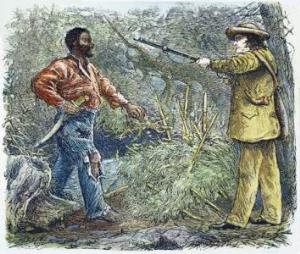
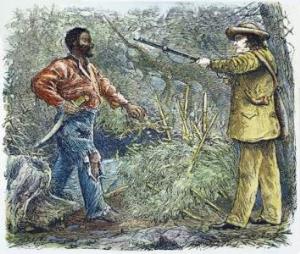
Turner and his fellow slaves went from house to house freeing the slaves and killing their masters. There was 70 Black people involved in the revolt. They were able to kill 60 Whites before the revolt was suppressed after 2 days. Turner escaped into the woods and wasn’t found until October.
Image result for nat turner(A drawing of Turner’s capture)
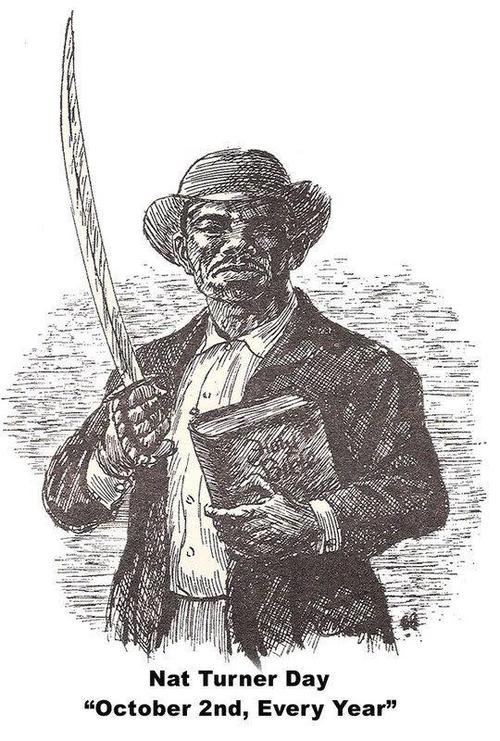
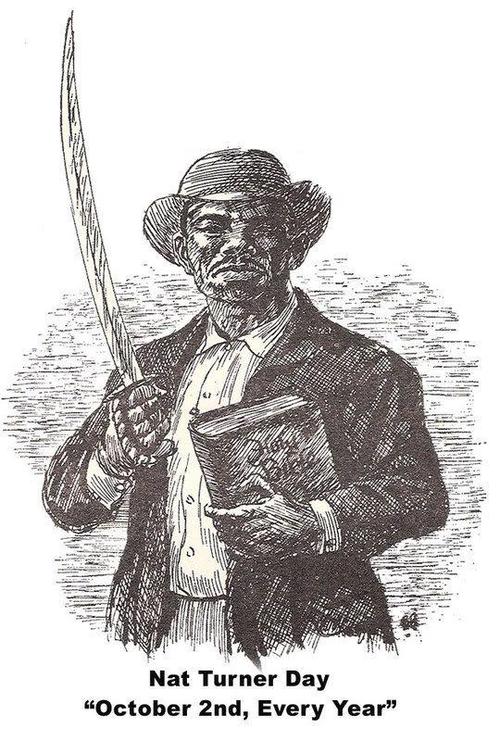
He was sentenced to death for conspiring to rebel and making an insurrection. On November 11th, 1831 Nat Turner was executed by hanging in Jerusalem, Virginia, USA. He was 31 years old.
Image result for nat turner(A drawing of Turner)
Today is the 185th anniversary of his death. Take time to remember this great revolutionary today.

Videos involving Nat Turner


Sunday, October 2, 2016

Happy Birthday Nat Turner

“Having soon discovered to be great, I must appear so, and therefore studiously avoided mixing in society, and wrapped myself in mystery, devoting my time to fasting and prayer” - Nat Turner
Image result for nat turner(Nat Turner)
Nat Turner was born on October 2nd, 1800 in Southampton County, Virginia, USA. He was born into slavery. In 1810 his master died and he was given to his master’s brother. At a young age he learned to read and write. He was also very religious. At 22 years old Turner had a vision from God that he should run away from his master. He returned to his owner a month later.
Image result for nat turner(A drawing of Turner)
Turner would conduct church services for the other slaves on the plantation. They called him “The Prophet”. In 1828 he had a vision that he had a great purpose from God. In February of 1831 there was a solar eclipse which Turner interpreted as a Black man’s hand blocking out the sun. He planned the slave revolt to happen on July 4th but postponed it due to him being sick. In August of 1831 Turner began his revolt.
Image result for nat turner(A drawing of Turner)
Turner and his fellow slaves went from house to house freeing the slaves and killing their masters. There was 70 Black people involved in the revolt. They were able to kill 60 Whites before the revolt was suppressed after 2 days. Turner escaped into the woods and wasn’t found until October.
Image result for nat turner(A drawing of Turner’s capture)
He was sentenced to death for conspiring to rebel and making an insurrection. On November 11th, 1831 Nat Turner was executed by hanging in Jerusalem, Virginia, USA. He was 31 years old.
Image result for nat turner(A drawing of Turner)
Today is his 216th birthday and we would all like to say happy birthday and rest in peace Nat Turner.  

Videos involving Nat Turner

Tuesday, July 5, 2016

Anniversary of Denmark Vesey's Death

“We are free, but the white people here won't let us be so; and the only way is to raise up and fight the whites” - Denmark Vesey
Image result for denmark vesey (Denmark Vesey)
Denmark Vesey was born on an unknown date in 1767 in Charleston, South Carolina, USA. He was born into slavery. He was a skilled carpenter and could read. When he was 32 he won a lottery and purchased his freedom. Vesey became active in the Second Presbyterian Church. In 1818 he was among the founders of an independent AME Church in the city. In 1822 Vesey plotted a slave revolt. He planned to kill slaveholders in Charleston, liberate the slaves, and sail to the black republic of Haiti for refuge. Before the revolt could start city officials arrested Vesey and others involved. Vesey and five slaves were among the first group of men rapidly judged guilty by the secret proceedings of a city appointed Court and condemned to death. On July 2nd, 1822 Denmark Vesey was executed in Charleston, South Carolina, USA. He was about 55 years old.
(A statue of Denmark Vesey)
Today is the 194th anniversary of his death. Take time to remember this great revolutionary today.   


(P.S. sorry for the late post)
Thursday, March 10, 2016

Anniversary of Harriet Tubman's Death

“I freed a thousand slaves I could have freed a thousand more if only they knew they were slaves” - Harriet Tubman
(Harriet Tubman)
Harriet Tubman was born as Araminta Ross on an unknown date in 1822 in Dorchester County, Maryland, USA. She was born into slavery. There is a discrepancy as to what exact year she was born. Ross took care of her younger siblings because her mother worked in the slave master’s house and didn't have too much time for the children. During childhood she would find ways to resist by wearing layers of clothing as protection against beatings and fighting back. As she grew older she was assigned to working in the field. One day Ross was sent to go get supplies from a store. At the store she saw a dispute between a slave and a slaveowner. The slave tried to run out of the store away from his master and his master threw a 2 pound weight at him but he struck Ross on accident. The injury caused disabling epileptic seizures, headaches, powerful visions, and dream experiences, which occurred throughout her life. Around 1844 Ross married a free Black man named John Tubman. Soon after the marriage she changed her name to Harriet Tubman, Harriet being her mother’s name. In 1849 Tubman’s master died and there was an increased likelihood that she was going to be sold and her family broken up. On September 17th, 1849 Tubman and her 2 brothers escaped. Her brothers had second thoughts about escaping so then they all returned back. Tubman escaped again this time alone. Tubman used the Underground Railroad to help her get North. She traveled through Delaware then through Pennsylvania. While in Philadelphia, PA she worked jobs to save up money.
(A painting of Harriet Tubman escaping slavery)
In December of 1850 Tubman went to Baltimore, MD to help in the assistance of her niece and her kids escape. In the spring of 1851 she returned to help more families escape including one of her brothers. She was given the name “Moses” by abolitionist William Lloyd Garrison due to the connection of Moses from the Bible leading the Hebrews from slavery and Tubman leading African-Americans from slavery. She had a lot of help freeing slaves throughout Maryland. In the Fall of 1851 she returned to her place of birth to find her husband John Tubman. She found out that her husband had remarried and instead she found a group of slaves that she helped escape to Pennsylvania. In December of 1851 Tubman guided a group of 11 slaves into Canada due to the US’s Fugitive Slave Act of 1850. On the way to Canada they stopped at the home of abolitionist Frederick Douglass. Over 11 years Tubman freed 70 slaves from Maryland in 13 expeditions. She mostly worked in the Winter months due to the fact the nights were longer. She risked being seen by her former masters many times while going back to Maryland. She also had visions of herself speaking with God and she stated that God would protect her during her expeditions. Tubman carried firearms with her aswell for protection from slave catchers and to use if any slave she was helping was going to sell her out and get her caught.
(A painting of Tubman (Left) helping to free slaves)
A lot of slaveholders thought a Northern White abolitionist were enticing slaves to run away or that John Brown was aiding in the escape of slaves. There has been an estimation of between $12,000 and $40,000 for Tubman’s capture. Tubman was never captured and none of the slaves she helped escaped were ever captured. Abolitionist John Brown worked with Tubman to recruit supporters for an attack on slave owners. Tubman was supposed to be with John Brown on his Raid on Harper’s Ferry in 1859 but she wasn't able to be contacted. In 1859 Tubman returned to the US and lived in Auburn, New York. In November of 1860 Tubman conducted her last rescue mission and brought a group of slaves to New York. During the Civil War, Tubman brought together a group of former slaves for a regiment of black soldiers.
(A drawing of Tubman during the Civil War)
Tubman served as a nurse during the Civil War in Port Royal, SC. In 1863 she began to lead scouts through South Carolina. Tubman became the 1st woman to lead an armed assault in the Civil War. This assault involved freeing slaves from several plantations. More than 750 slaves were rescued. After the confederacy surrendered in 1865 Tubman returned to her home in New York. On her way back she was forced into the smoking car of the train she was riding and she suffered a broken arm from it while the White passengers wanted her thrown off the train. She never received any salary for her work during the Civil War. On March 18th, 1869 she was married to  a Civil War veteran named Nelson Davis. Also in 1869 a biography was written about her.
(Tubman in 1870)
In 1873 Tubman was involved in a gold swindle. In 1886 another biography about her was written. In 1896 Tubman became a speaker for the National Federation of Afro-American Women. In 1899 she finally received pension for her service in the Union Army.In the late 1890’s Tubman underwent brain surgery to help with her constant seizures, headaches, and suffering from her childhood head trauma. She didn't use anesthesia, preferring to bite down on a bullet like soldiers did in the Civil War while having limbs amputated.  In 1900 she became involved with the African Methodist Episcopal Zion Church. In 1908 a parcel of real estate that Tubman donated to her church became the Harriet Tubman Home for the Aged.
(Tubman (Left) with her family)
In 1911 she was admitted into the rest home. On March 10th, 1913 Harriet Tubman died of pneumonia in Auburn, New York. She was about 91 years old.
(Tubman in her early 90’s)
Today is the 103rd anniversary of her death. Take time to remember this great abolitionist today.


Books relating to Harriet Tubman
  • Scenes in the Life of Harriet Tubman (1869) by Sarah H. Bradford
  • Harriet Tubman: The Moses of Her People (1886) by Sarah H. Bradford
Harriet Tubman (2004) by Catherine Clinton       

Saturday, February 20, 2016

Anniversary of Frederick Douglass' Death


“It is easier to build strong children than to repair broken men” - Frederick Douglass

(Frederick Douglass)

Frederick Douglass was born as Frederick Augustus Washington Bailey in February of 1818 in Talbot County, Maryland, USA. He was born into slavery and the exact date of his birth is unknown. His father was a white man that he never met and his mother was a slave that his father raped. He was separated from his mother at a young age. He lived with his mother’s mother until the age of 7 where he was separated from her. His mother died when he was 10 years old. After one of his slave masters died he was moved to his deceased master’s brother in Baltimore,MD. When he was 12 his master’s wife started to teach him the alphabet.
(Douglass as a child)
His master disapproved of his wife teaching Douglass the alphabet as this may lead to him eventually wanting freedom. In private Douglass taught himself to read by reading newspapers, pamphlets and other forms of media. When his master hired him out to another slave master he taught those slaves to read the Bible at a sunday school which he taught classes at. More than 40 slaves would attend the class. These classes went on for 6 months unnoticed until 1 sunday a group of slave masters busted in to disperse the class. His 1st slave master took Douglass back and sent him to another slavemaster with the reputation of a “Slave Breaker”. Douglass was beat regularly and he was nearly broke mentally. At 16 years old Douglass finally fought back and beat his slave master in a fight and he was never whipped or beat again. In 1836 Douglass tried to escape but was unsuccessful. In 1837 Douglass met and fell in love with a free Black woman in Baltimore who was 5 years older than him named Anna Murray.
(Anna Murray, wife of Frederick Douglass, at about 44 years old)
Moreover, on September 3rd, 1838 Douglass successfully escaped by a train that was traveling North. He traveled through the slave state of Delaware disguised as a sailor with fake documents saying he was a free man. He then got into the free state of Pennsylvania. From Pennsylvania he moved up to New York City, NY and stayed with a well known abolitionist. After settling in New York City he sent for his girlfriend Anna Murray. They married on September 15th, 1838. They adopted the name Johnson as their last name. They then moved to New Bedford, MA. They then changed their last name again to Douglass. Douglass became a licensed preacher in 1839. In 1840 he delivered a speech in Elmira, NY which was a station for the underground railroad. Douglass became a regular at abolitionist meetings in New Bedford, MA. Douglass drew inspiration from abolitionist William Lloyd Garrison. In 1841 Douglass heard Garrison speak at a meeting of the Bristol Anti-Slavery Society. At another meeting Douglass was unexpectedly invited to speak of his story of escaping slavery. Douglass was encouraged to become an anti-slavery lecturer. At 23 years old he spoke at an anti-slavery convention in Nantucket, MA. In 1843 Douglass joined other speakers on a 6 month tour through the Eastern and Midwestern parts of the US. At a lecture in Pendleton, Indiana an angry mob of slavery supporters chased and beat Douglass. He was rescued by a Quaker family.

Furthermore, Douglass suffered a broken hand that never healed properly. In 1845 Douglass published his book Narrative of the Life Frederick Douglass, An American Slave. Within three years, it had been reprinted nine times, with 11,000 copies circulating in the United States. It was also translated into French and Dutch and published in Europe.In 1845 Douglass went to tour Europe. on the 16th of August 1845 he arrived in Liverpool, England. He then traveled to Ireland. Douglass spent 2 years in Ireland and England. During his trip Douglass became legally free. Douglass returned to the US in Spring of 1847.
(Frederick Douglass in 1847)
Douglass published the first abolitionist paper called The North Star in Rochester,NY. In September of 1848 Douglass wrote a letter to his former slave master berating him for his conduct, and enquiring after members of his family still held by him. In 1848, Douglass was the only African American to attend the Seneca Falls Convention, the first women's rights convention, in upstate New York. Douglass stood and spoke eloquently in favor of women’s suffrage; he said that he could not accept the right to vote as a black man if women could not also claim that right. In 1851 Douglass merged The North Star with Gerrit Smith's Liberty Party Paper to form Frederick Douglass' Paper, which was published until 1860. On July 5, 1852, Douglass delivered an address to the ladies of the Rochester Anti-Slavery Sewing Society. This speech became known as “What to the slave is the 4th of July?".
(A drawing of Douglass performing his speech)
Douglass met with abolitionist John Brown two months before Brown lead his raid on the federal armory in Harpers Ferry. Douglass disapproved of Brown's plan to start an armed slave rebellion in the South. After the raid, Douglass fled for a time to Canada, fearing guilt by association as well as arrest as a co-conspirator.
(A drawing of John Brown (Left) and Frederick Douglass (Right))
In 1855 he published his 2nd book My Bondage and My Freedom.
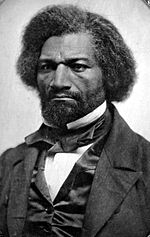
(Douglass in 1856)
Douglass conferred with President Abraham Lincoln in 1863 on the treatment of black soldiers, and with President Andrew Johnson on the subject of black suffrage. During the U.S. Presidential Election of 1864, Douglass supported John C. Frémont. Douglass was disappointed that President Lincoln did not publicly endorse suffrage for blacks. Douglass believed that since African-American men were fighting for the Union in the American Civil War, they deserved the right to vote. Douglass helped the Union by serving as a recruiter for the 54th Massachusetts Infantry Regiment. In 1870, Douglass started his last newspaper, the New National Era, attempting to hold the US to its commitment to equality. In 1872, Douglass became the first African American nominated for Vice President of the United States, as Victoria Woodhull's running mate on the Equal Rights Party ticket. He was also presidential elector at large for the State of New York, and took that state's votes to Washington, D.C. His home in Rochester, NY was burned down by a suspected arsonist. Douglass then moved to Washington D.C.
(Douglass in the 1870’s)
In 1881 he published his 3rd book Life and Times of Frederick Douglass. In this book he said that Abraham Lincoln was the best US president.
(A painting of Douglass (Far Right) with US President Lincoln (Far Left))
In 1877 Douglass met with is former slavemaster and reconciled. In 1882 his wife Anna Douglass died. In 1884 he remarried to  Helen Pitts, a white feminist from Honeoye, New York. He received criticism for marrying a white woman which he replied by saying that his first marriage had been to someone the color of his mother, and his second to someone the color of his father.
(Douglass (Left) with his sister in law (Middle) and his 2nd wife Helen Pitts (Right))
At the 1888 Republican National Convention, Douglass became the first African American to receive a vote for President of the United States in a major party's roll call vote. The Republic of Haiti appointed Douglass minister-resident and consul-general in 1889 and the position lasted for little over a year. In 1892, Douglass became Haiti's commissioner to the Chicago World's Columbian Exposition. Also in 1892, Douglass constructed rental housing for blacks, now known as Douglass Place, in the Fells Point area of Baltimore, MD. On February 20th, 1895 Frederick Douglass died of a heart attack and/or stroke. He was about 77 years old.
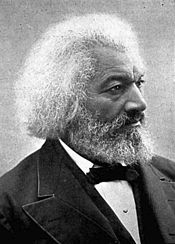
(Douglass in 1895)
Today is the 121st anniversary of his death. Take time to remember this great abolitionist today.

Books by Frederick Douglass
  • A Narrative of the Life of Frederick Douglass, an American Slave (1845)
  • My Bondage and My Freedom (1855)
  • Life and Times of Frederick Douglass (1881)