Crate Diggers: 1960
Showing posts with label 1960. Show all posts

Tuesday, August 8, 2017

Happy Birthday Chuck D

“Government and culture are two diametrically opposed forces - the one blinds and oppresses, the other uplifts and unites” - Chuck D
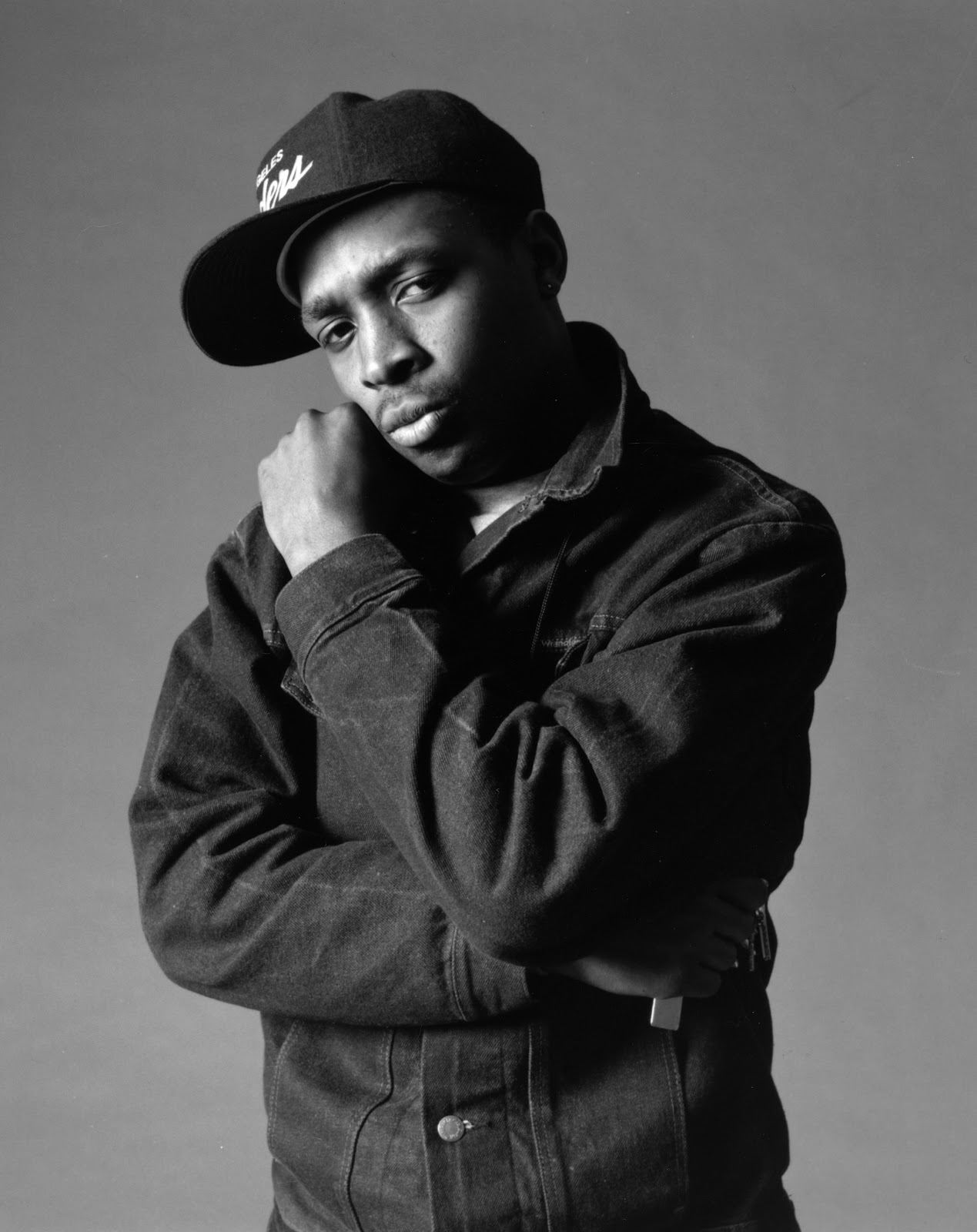
(Chuck D)
Chuck D was born as Carlton Ridenhour on August 1st, 1960 in Queens, New York, USA. Ridenhour attended Adelphi University in Long Island. While in college he met William Drayton who would become Flavor Flav. In 1984 he received a B.F.A.
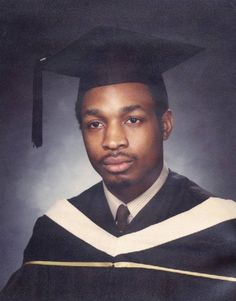
(Ridenhour in 1984)
In 1986 he formed the group “Public Enemy”.
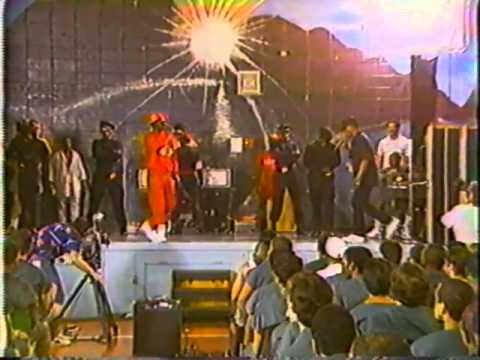
(Public Enemy in 1986)
In 1987 the group released its 1st album “Yo! Bum Rush the Show”. In 1988 they released their 2nd album “It takes a Nation of Millions to Hold Us Back”.
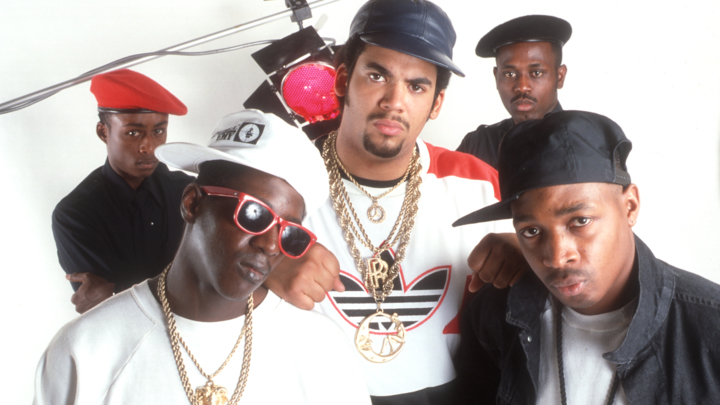
(Public Enemy in 1988)
In 1989 they released the song “Fight the Power” for the soundtrack of the movie Do the Right Thing (1989). Also in 1989 he appeared on the song “Tweakin’” by George Clinton.
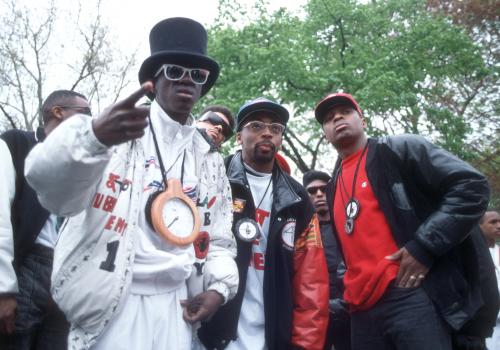
(Chuck D (Right) with Flavor Flav (Left) and Spike Lee (Center))
In 1990 they released the album “Fear of a Black Planet”. In 1991 they released the album “Apocalypse 91… The Enemy Strikes Black”.
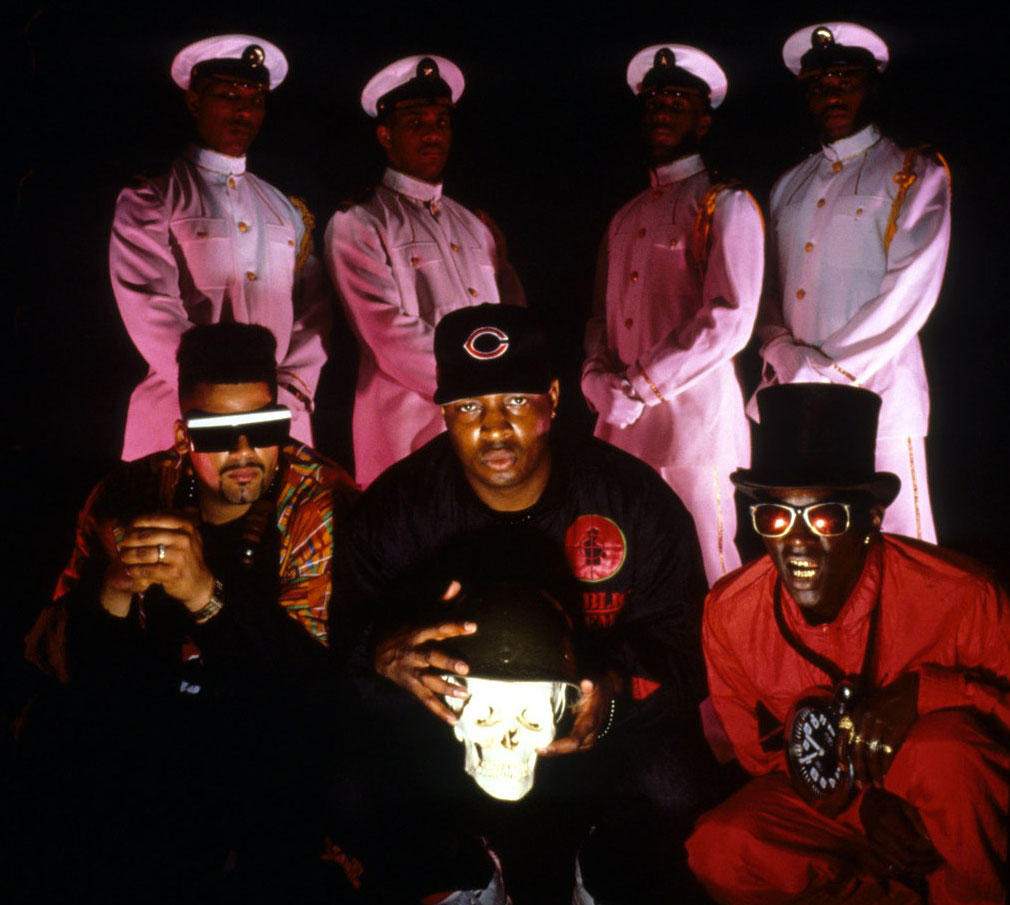
(Public Enemy in 1991)
In 1994 they released “Muse Sick n Hour Mess Age”. In 1996 he released his 1st solo album “Autobiography of Mistachuck”.
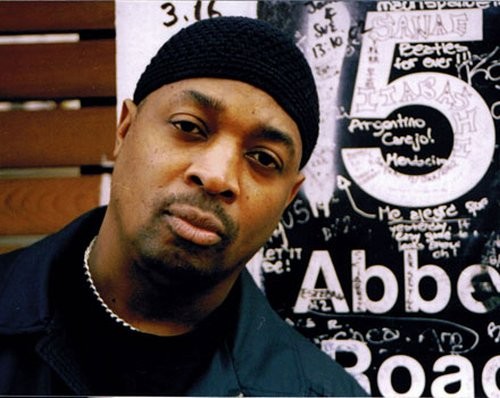
(Chuck D in 1996)
In 1997 he released the book Fight the Power: Rap Race and Reality. In 1998 they released the album “He Got Game” for the movie He Got Game (1998).
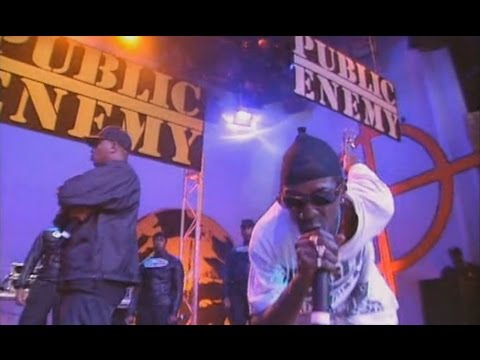
(Public Enemy in 1998)
Also in 1998 Chuck D settled out in court with the Notorious B.I.G.’s estate for the Notorious B.I.G. using one of Chuck D’s songs without his permission. In 1999 he launched a multi format "supersite" on the web site Rapstation.com. In 2004 his voice appeared in the video game “Grand Theft Auto San Andreas”.
(Chuck D (Center) with KRS One (Left) and Flavor Flav (Right))
In 2010 he released the album “I Don’t Rhyme for the Sake of Riddlin’”.
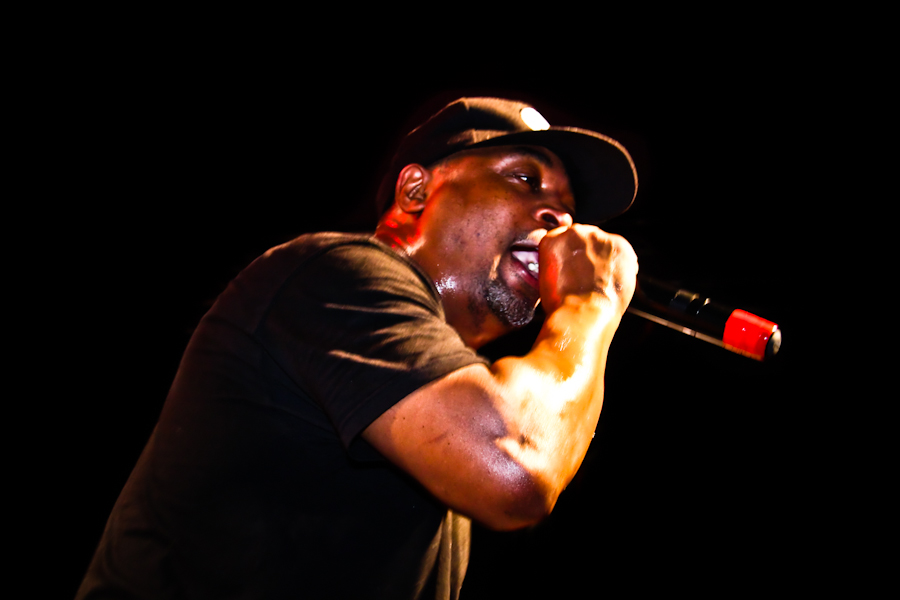
(Chuck D in 2010)
In 2013 he earned an honorary doctorate from Adelphi University.
(Chuck D in 2013)
Also in 2013 his group Public Enemy was inducted into the Rock and Roll hall of fame. In 2014 he released the album “The Black in Man”.
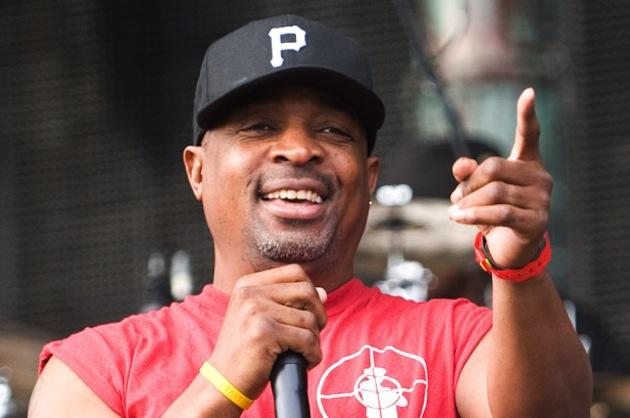
(Chuck D in 2014)
In 2016 Chuck D started touring with the band Prophets of Rage.
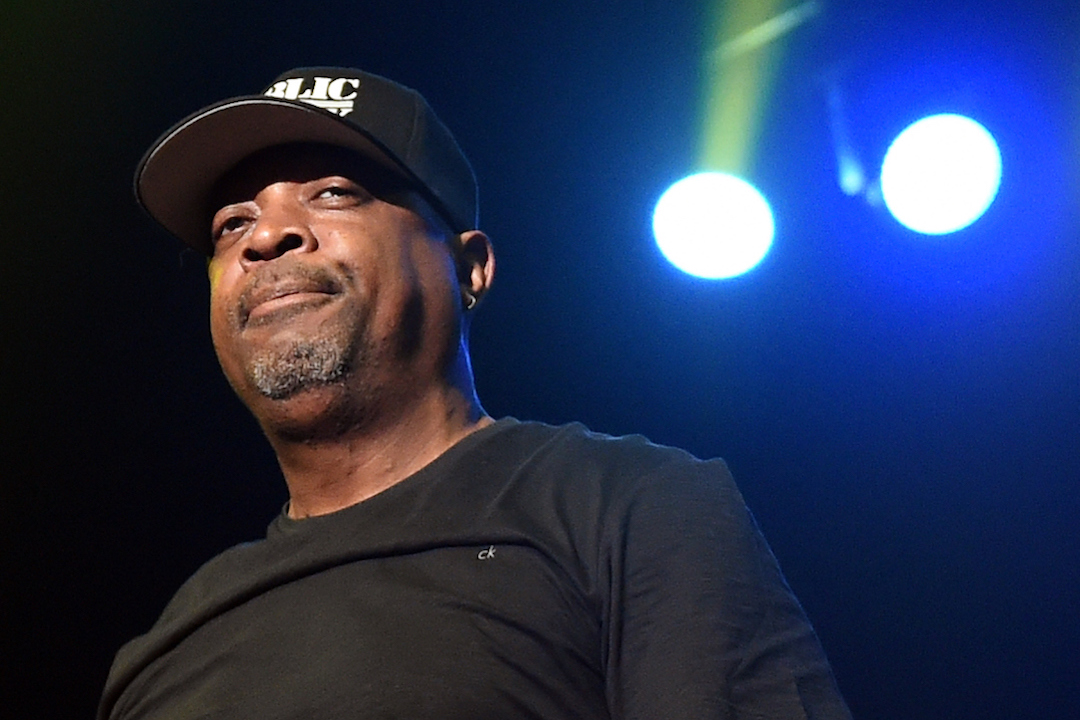
Image result for chuck d 2016(Chuck D in 2016)
Today he turns 57 years old and we would all like to say happy birthday Chuck D.

Albums by Chuck D
  • “Autobiography of Mistachuck” (1996)
  • “I Don’t Rhyme for the Sake of Riddlin’” (2010)
  • “The Black in Man” (2013)

Videos of Chuck D
https://www.youtube.com/watch?v=gWqsuuWjQHE  “Chuck D talks Ice Cube, N.W.A, Death of Hip Hop groups, Hip Hop needing Black Leaders + More”

Monday, July 3, 2017

Happy Independence Day Somalia

“To be without knowledge is to be without light” - Somali Proverb
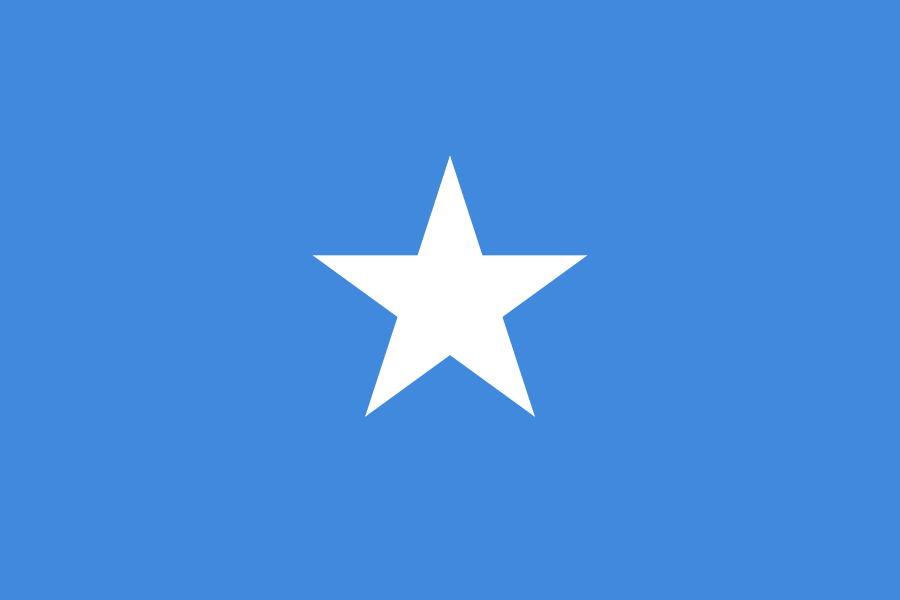
(Somalia flag (1954-Present)
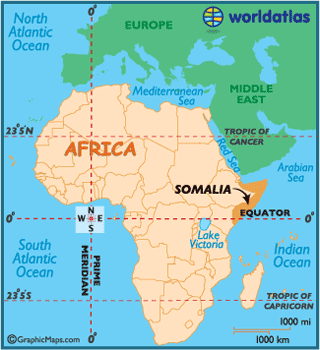
Somalia is located in the horn of Africa.
(Map of where Somalia is located)
Its capital is Mogadishu. Mogadishu is also its largest city. The official languages are Somali and Arabic. The country is 246,200 square miles. Somalia is 95% African, 2.5% Asian, and 2.5% European. 99.8% of Somalia practice Islam, 0.1% practice Christianity and 0.1% practice Animism. The total population is 10,816,143. The climate is tropical. Somalia is a federal parliamentary republic.
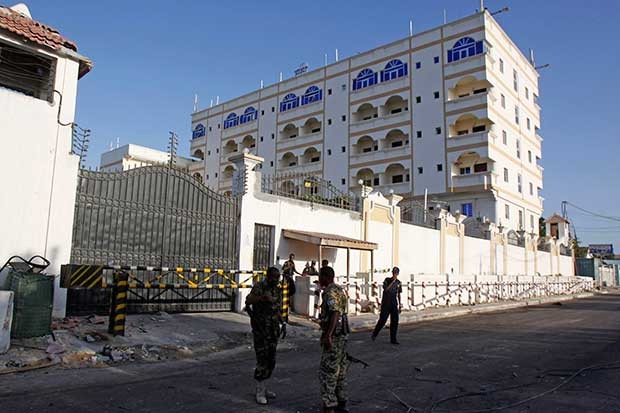
(Mogadishu, capital of Somalia)
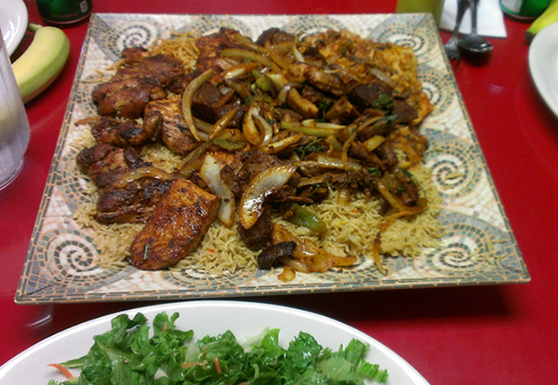
Somalia cuisine consists of rice, and halva.
(Somalia cuisine)
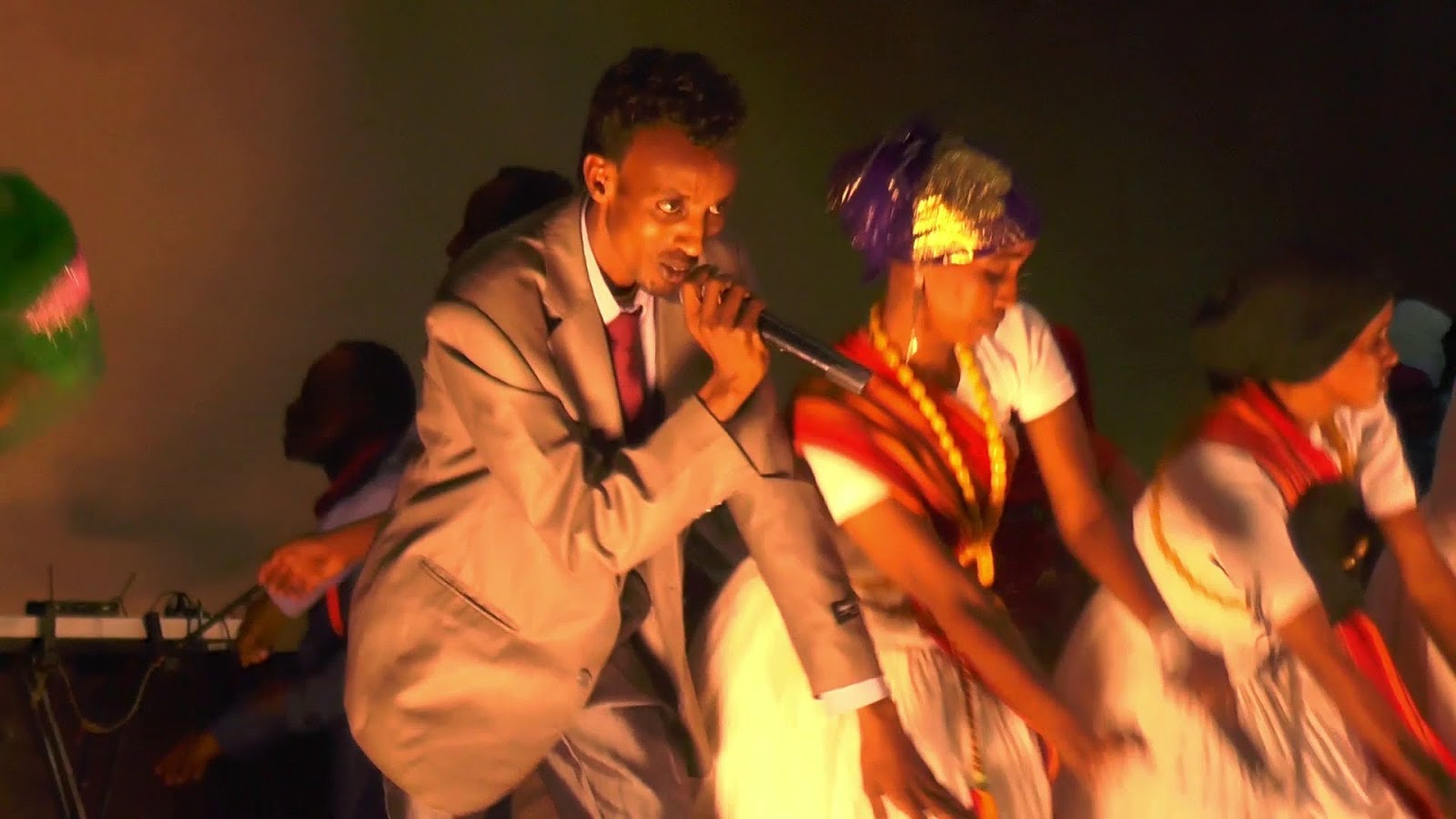
The major style of music is centred on traditional Somali folklore.
(Somalians performing music)
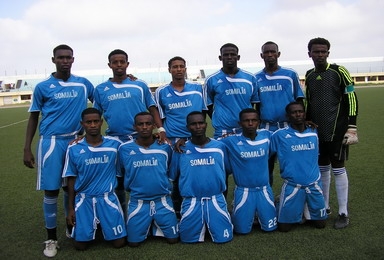
Somalia’s most popular sport is soccer.
(Somalia’s soccer team)
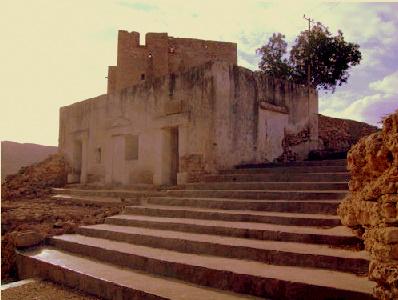
Somalia was 1st inhabited in the 4th millennium BC. Pyramidical structures and mausoleums were constructed during this time.
(Ancient structures in Somalia)
In the 2nd millennium BC the kingdoms of Somalia traded a lot with the kingdoms of Egypt. The name of the area was called “The Land of Punt”. Puntite King Parahu and Queen Ati ruled over the land.
(A drawing of Queen Ati (Middle) and King Parahu (Right))
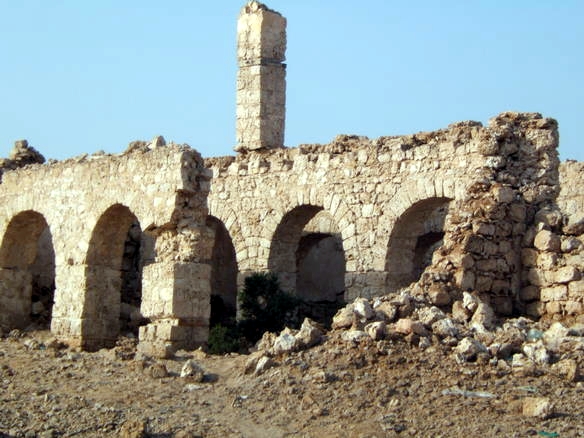
Camels were 1st domesticated in the Land of Punt. In the 7th century Islam was introduced to the area. In the 9th century the Adal kingdom controlled large parts of modern day Somalia, Ethiopia, Djibouti, and Eritrea.
(The ruins of the Adal kingdom)
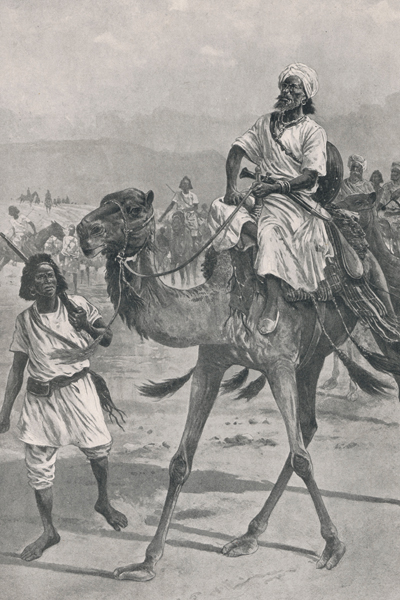
In 1332 the King of Adal was slain in a military campaign. In the early 15th century Adal's capital was moved further inland. In the 16th century Mogadishu was a major trading port. The Warsangali Sultanate, the Bari Dynasties, the Sultanate of the Geledi (Gobroon dynasty), the Majeerteen Sultanate (Migiurtinia), and the Sultanate of Hobyo (Obbia) started to flourish in Somalia. Sultan Yusuf Mahamud Ibrahim, the third Sultan of the House of Gobroon, started the golden age of the Gobroon Dynasty. In the 19th century Ahmed Yusuf became one of the most important figures in East Africa. He created alliances with important Muslim families on the East African coast. In 1884 due to the European scramble for Africa Mohammed Abdullah Hassan rallied support from across the Horn of Africa and began one of the longest colonial resistance wars ever.
(A drawing of Mohammed Abdullah Hassan)
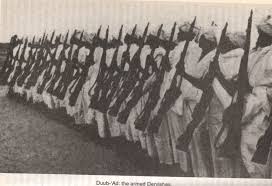
Hassan issued a religious ordinance stipulating that any Somali national who did not accept the goal of unity of Somalia and would not fight under his leadership would be considered to be kafir. He also gave a clarion call for Somali unity and independence. He repulsed the British in four expeditions and had relations with the Central Powers of the Ottomans and the Germans. In 1920 the Dervish state of Somalia collapsed after intensive aerial bombardments by Britain, and Dervish territories were subsequently turned into a protectorate.
(Soldiers of the Dervish state)
In 1923 the Italians colonized Somalia and changed the name to “Italian Somaliland”.
(Italian Somaliland flag (1861-1946))
In 1940 Italian troops, including Somali colonial units, crossed from Ethiopia to invade British Somaliland. In 1941 A British force, including troops from several African countries launched a campaign from Kenya to liberate British Somaliland and Italian occupied Ethiopia and conquer Italian Somaliland.
(Somali soldiers)
They were assisted by Somali forces led by Abdulahi Hassan with Somalis of the Isaaq, Dhulbahante, and Warsangali clans prominently participating. In 1945 the United Nations granted Italy trusteeship of Italian Somaliland. British Somaliland remained a protectorate of Britain until 1960. On July 1st, 1960 British and Italian Somaliland gained its independence. They came together and renamed their self “Somali Republic”.
Flag of Somalia.svg(Somalia flag (1960-Present))
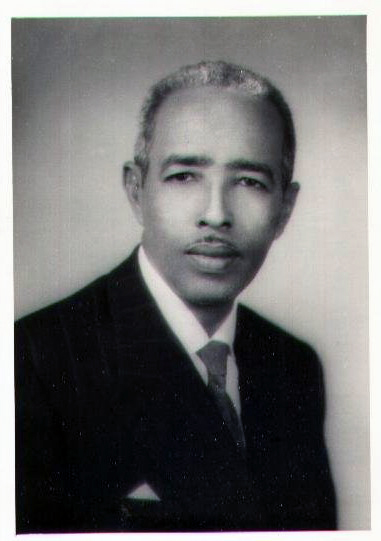
A government was formed by Abdullahi Issa and Muhammad Haji Ibrahim Egal. Aden Abdullah Osman Daar became president of the Somali Republic.
(Aden Abdullah Osman Daar)
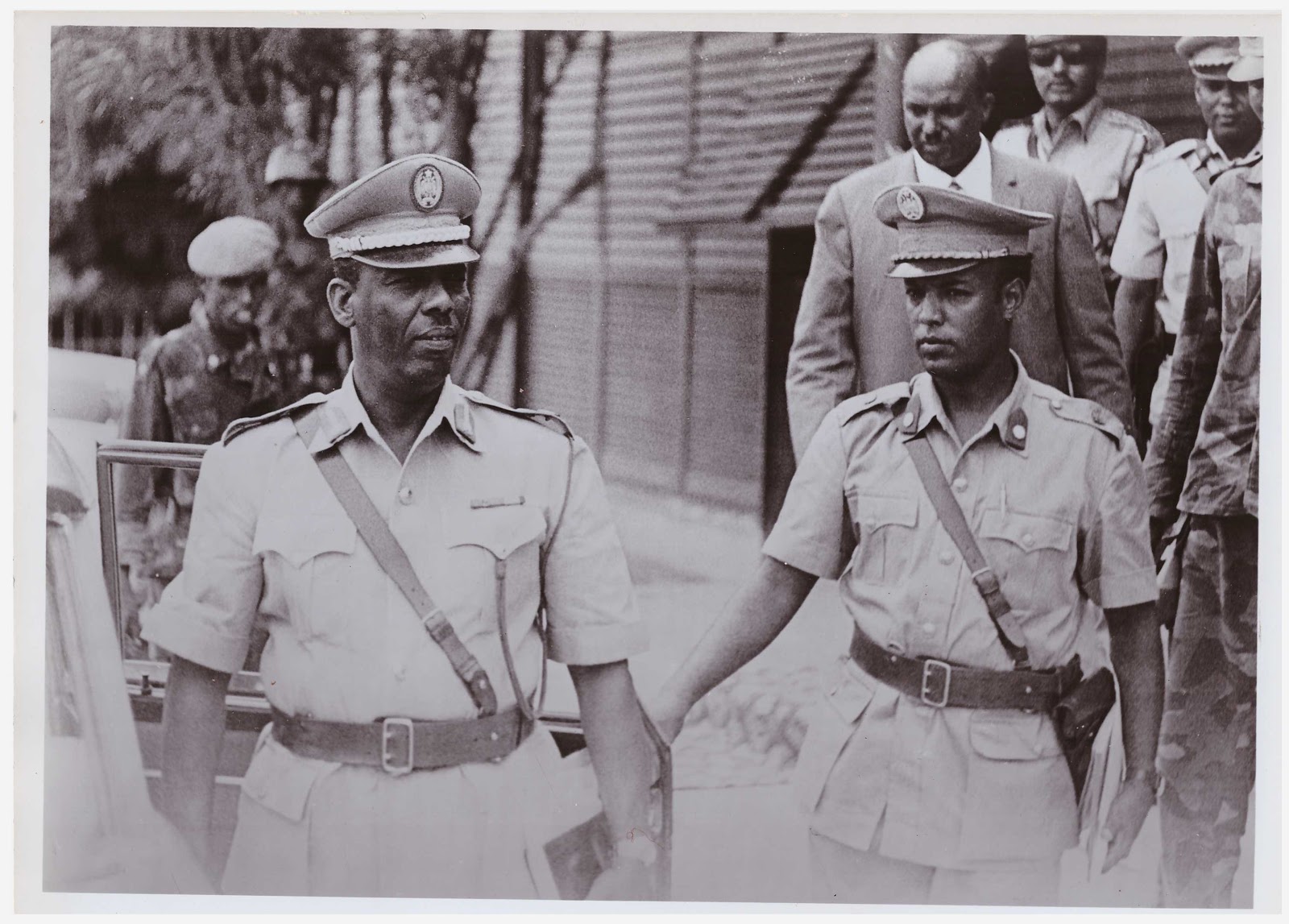
In 1967 Muhammad Haji Ibrahim Egal became Prime Minister. In 1969 there was a military coup d'état in which the Somali Army seized power without encountering armed opposition.
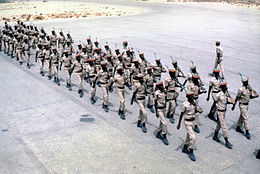
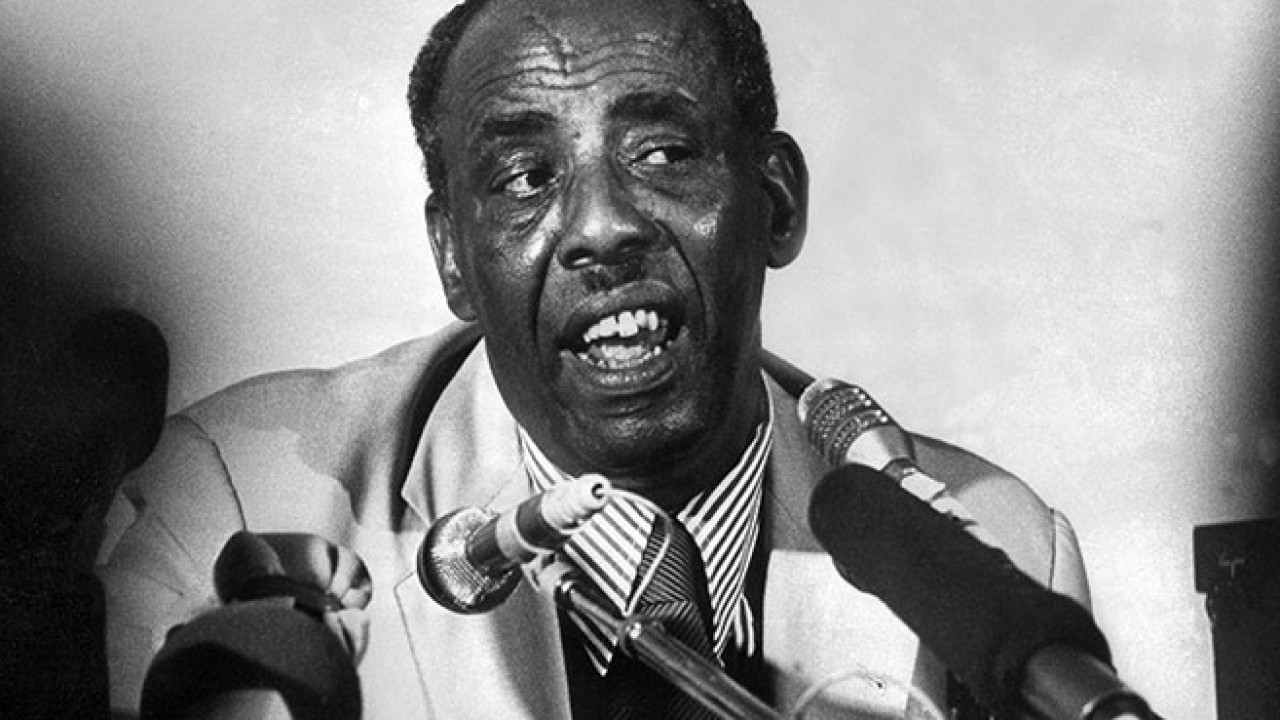
(Somali leaders)
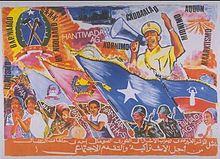
The SRC renamed the country the “Somali Democratic Republic”. The revolutionary army established large scale public works programs and successfully implemented an urban and rural literacy campaign. In 1974 the country joined the Arab League. In 1976 the SRC disbanded itself and established in its place the Somali Revolutionary Socialist Party (SRSP).
(Propaganda of the SRSP)
In 1977 the Ogaden War broke out. Somalia controlled 90% of the Ogaden and captured strategic cities such as Jijiga and put heavy pressure on Dire Dawa. By 1978 the Somali troops were ultimately pushed out of the Ogaden.
(Somali soldiers)
In 1979 a new constitution was promulgated. In 1980 the SRSP was disbanded, and the Supreme Revolutionary Council was reestablished in its place.
(Leader of the Supreme Revolutionary Council)
The government became increasingly authoritarian, and resistance movements, encouraged by Ethiopia, sprang up across the country. Among the militia groups were the Somali Salvation Democratic Front (SSDF), United Somali Congress (USC), Somali National Movement (SNM) and the Somali Patriotic Movement (SPM), together with the non-violent political oppositions of the Somali Democratic Movement (SDM), the Somali Democratic Alliance (SDA) and the Somali Manifesto Group (SMG). In 1991 the administration was ousted by a coalition of clan-based opposition groups, backed by Ethiopia's then ruling Derg regime and Libya. In the south, armed factions led by USC commanders General Mohamed Farah Aidid and Ali Mahdi Mohamed, in particular, clashed as each sought to exert authority over the capital.
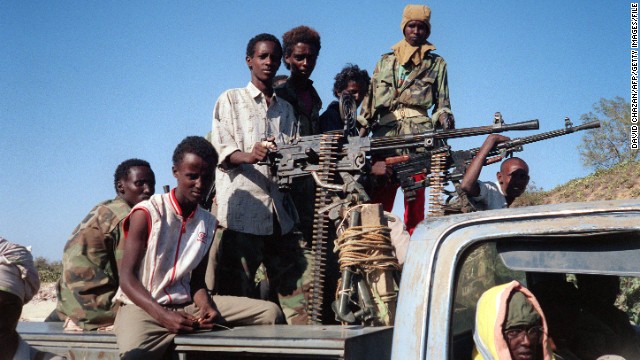
(Somali soldiers during the civil war)
In 1993 19 American troops and more than 1,000 civilians and militia were killed in a raid in Mogadishu.
(US soldiers in Somalia)
In 1996 Aidid was killed in Mogadishu. 1.1 million people were displaced due to the civil war. In 2008 a multinational coalition took on the task of combating the piracy by establishing a Maritime Security Patrol Area (MSPA) within the Gulf of Aden.
(Somali pirates)
In 2011 a coordinated operation, Operation Linda Nchi between the Kenyan and Somali military and multinational forces began against the Al-Shabaab group of insurgents in southern Somalia. In 2012 Kenyan, Raskamboni, and Somali forces had managed to capture Al-Shabaab's last major stronghold, the southern port of Kismayo. In 2014 Somalia was no longer at the top of the fragile states index. Also in 2014 Somalia launched an operation against insurgents in its countryside.
(Somalia in 2014)
Today marks the 57th anniversary of Somalia’s independence and we would like to say happy independence day Somalia.

Videos of Somalia Independence
https://www.youtube.com/watch?v=fj0GXsDDqYY  “Somali Independence Day in Columbus Ohio (2015)”

Happy Independence Day Democratic Republic of the Congo

“What is said over the dead lion’s body cannot be said to him alive” - Congolese Proverb
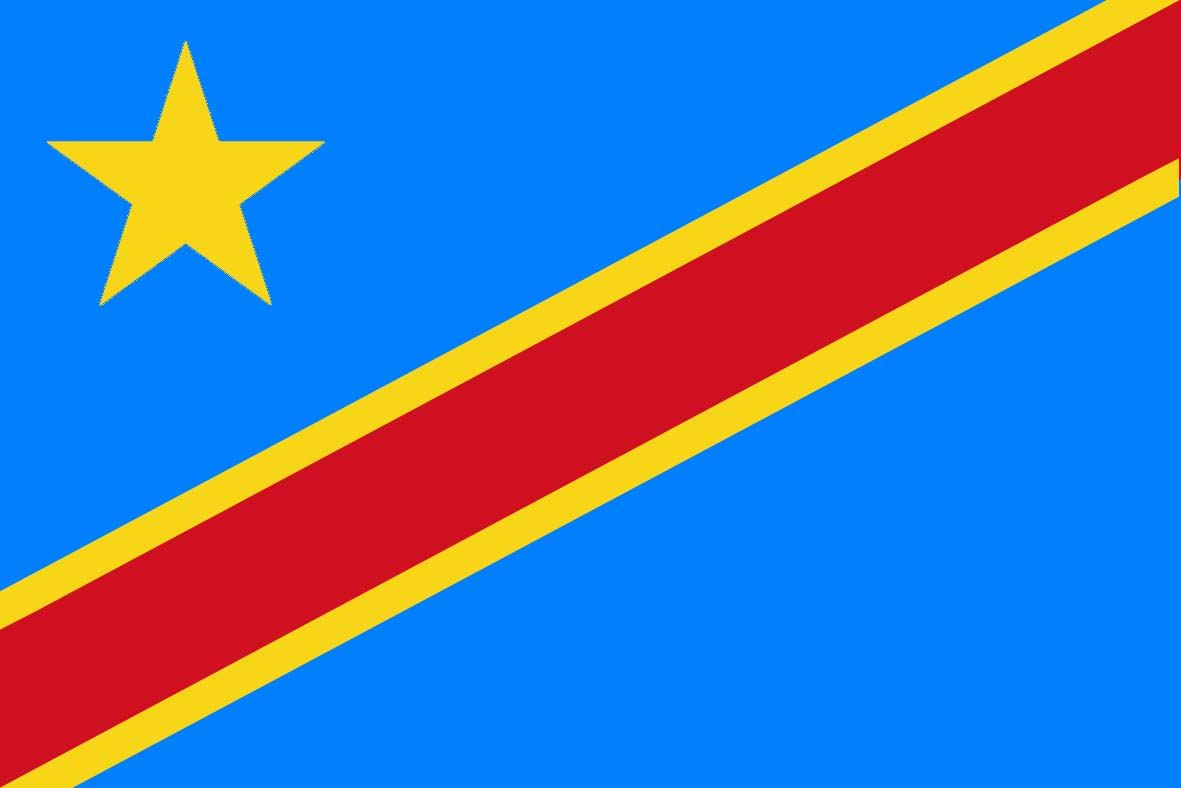
Image result for dr congo flag(DRC flag (2006-Present))
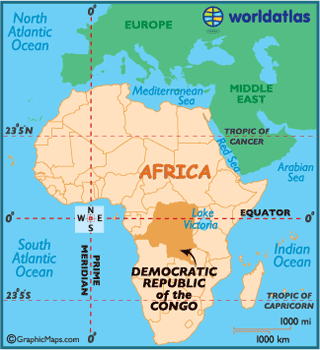
The Democratic Republic of the Congo (DRC) is located in the center of Africa.
(Map of where DRC is located)
Its capital is Kinshasa. Kinshasa is also its largest city. The official language is French. The country is 905,355 square miles. DRC is 100% African. 80% of DRC practices Christianity, 12% practices Islam, 4% practices traditional African religions, and 4% are athiest. The total population is 81,680,000. The climate is tropical. DRC is a unitary semi presidential republic.
(Kinshasa, capital of DRC)
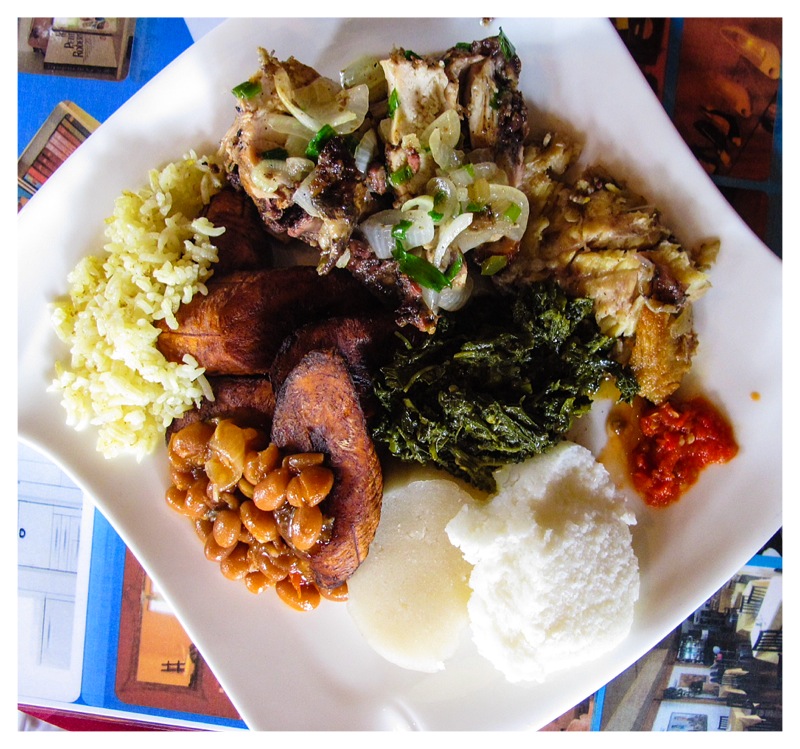
DRC cuisine consists of maize, rice, cassava, sweet potatoes, yam, taro, plantain, tomatoes, pumpkin and varieties of peas and nuts.
(DRC cuisine)
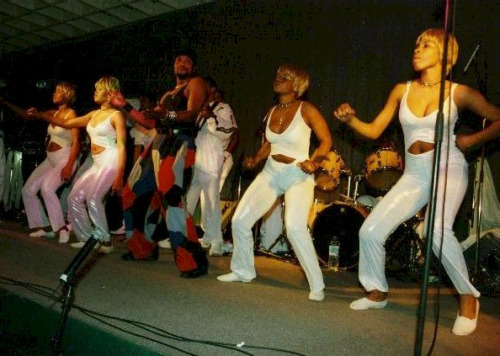
The major style of music is soukous.
(Congolese people performing Soukous music)
DRC’s most popular sport is soccer.
(DRC’s national soccer team)
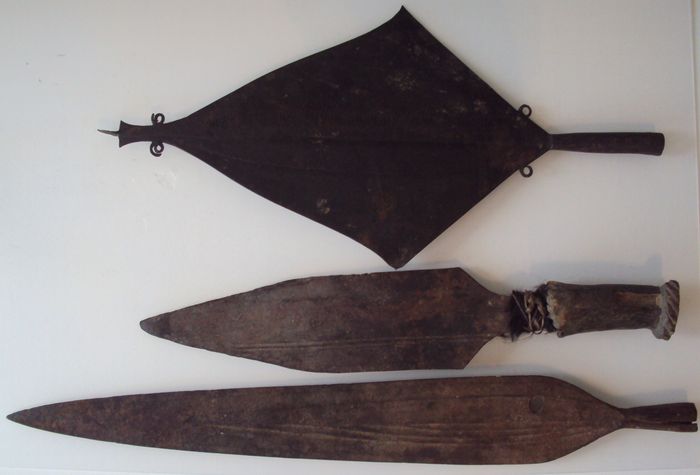
DRC was 1st in habited 80,000 years ago.
(Ancient weapons from DRC)
In the 5th century the Bantu people inhabited it.
(Bantu people)
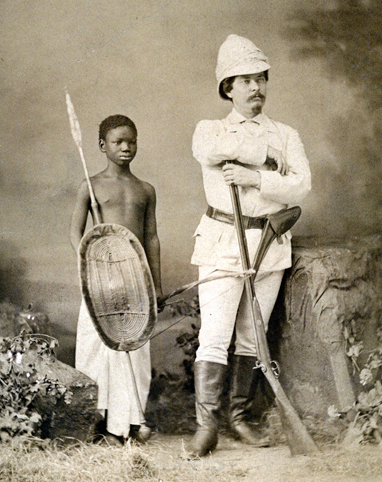
In the 10th century networks of trade began. In 1877 Belgium came to the region.
(A Belgian soldier with a Congolese boy)
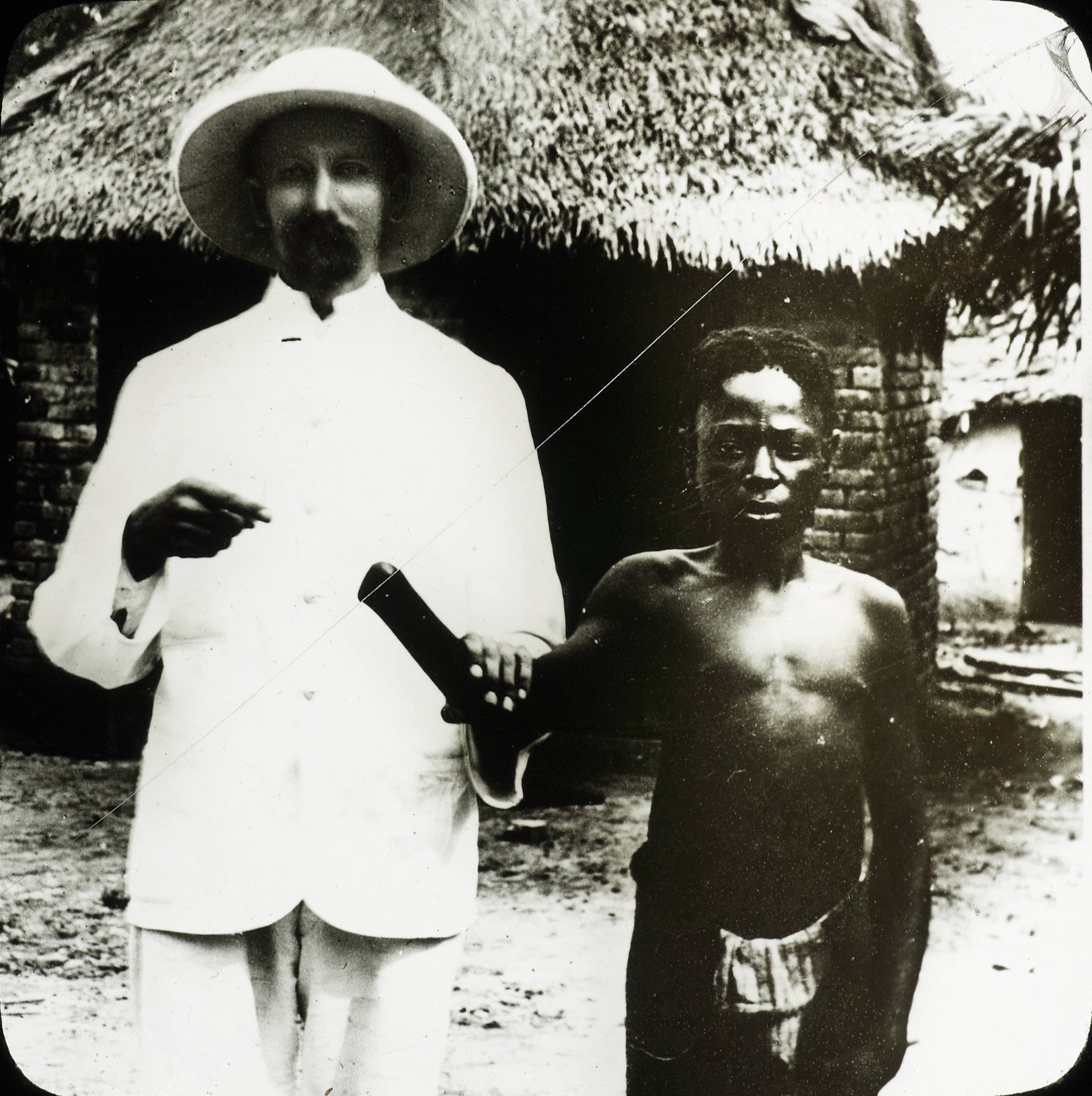
They colonized the region and began the slave trade in the region.
(A Belgian slave master with a Congolese slave who has been punished by having his hand cut off)
In 1885 the region was named “The Congo Free State”. Due to colonists brutalizing the local population to produce rubber by 1908 10 million Congolese were killed under the Belgian regime led by King Leopold II.
(King Leopold II of Belgium)
In 1916 an initial stand off between the Force Publique of the Belgian Congo and the German colonial army in German East Africa turned into open warfare.
(An armored car from WWI)
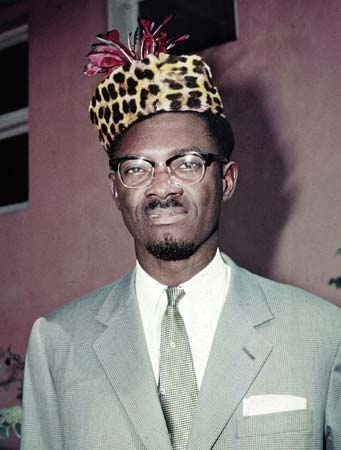
In 1926 the capital of The Congo Free State moved from Boma to Léopoldville. The Congo Free State was then renamed to “The Belgian Congo”. During World War II the Belgian Congo was a crucial source of income for the Belgian government in exile in London. Belgian Congolese forces under the command of Belgian officers notably fought against the Italian colonial army in Ethiopia. In 1960 a growing nationalist movement, the Mouvement National Congolais (MNC), led by Patrice Lumumba, won the parliamentary elections.
(Patrice Lumumba)
Lumumba became the 1st prime minister of the Belgian Congo. On June 30th, 1960 The Belgian Congo gained its independence.
(The Republic of the Congo flag (1960-1963))
The country changed its name to “The Republic of the Congo”. Most of the 100,000 Europeans who had remained behind after independence fled the country due to the provinces of Katanga and South Kasai engaging in secessionist struggles against the new leadership. Also in 1960 Joseph Kasavubu dismissed Lumumba from office. Lumumba declared Kasavubu's action unconstitutional and a crisis between the two leaders developed. Lumumba was arrested by forces loyal to Joseph Mobutu.
(Joseph Mobutu)
In 1961 Lumumba was assassinated. The Katanga secession was ended in 1963 with the assistance of UN forces. In 1965 Joseph Mobutu led a coup to take control of the country. The country’s name was changed to “The Democratic Republic of the Congo”.
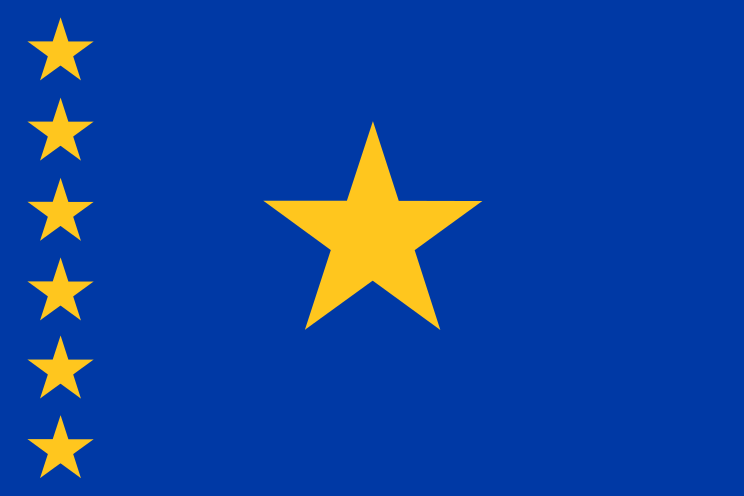
(DRC flag (1966-1971))
A one party system was established, and Mobutu declared himself head of state. In 1966 Mobutu renamed the nation's cities to identify himself with African nationalism. In 1971 the country’s name was changed to “The Republic of Zaire”.
(Zaire flag (1971-1997))
In 1990 Mobutu declared the 3rd republic. In 1996 Zairian armed forces and Rwandan Hutu militia forces launched a campaign against Congolese ethnic Tutsis in eastern Zaire.
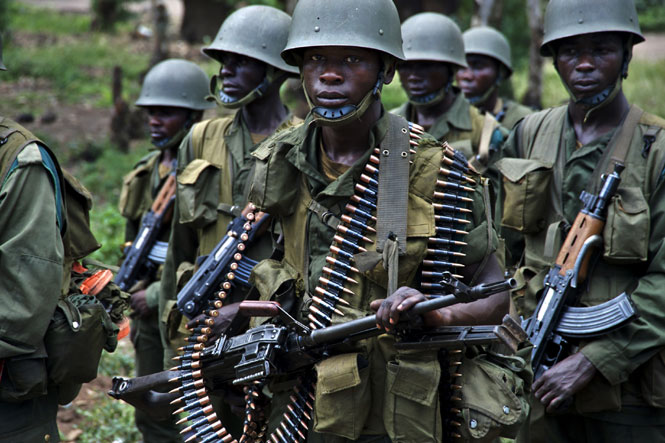
(Zairian armed forces)
A coalition of Rwandan and Ugandan armies invaded Zaire to overthrow the government of Mobutu, and ultimately to control the mineral resources of Zaire, launching the First Congo War.
(Soldiers in the 1st Congo War)
The coalition allied with some opposition figures, led by Laurent-Désiré Kabila, becoming the Alliance of Democratic Forces for the Liberation of Congo. In 1997 Mobutu was forced to leave Zaire. In 1998 the 2nd Congo War began.
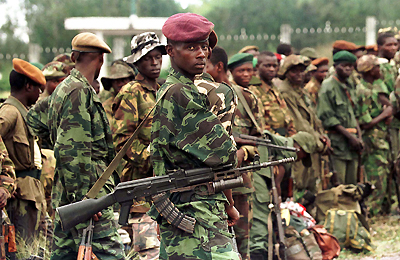
(Soldiers in the 2nd Congo War)
Angolan, Zimbabwean and Namibian militaries entered on the side of the government against Rwandan and Ugandan troops. In 2003 the war ended. In 2006 the country’s name changed to “The Democratic Republic of the Congo”.
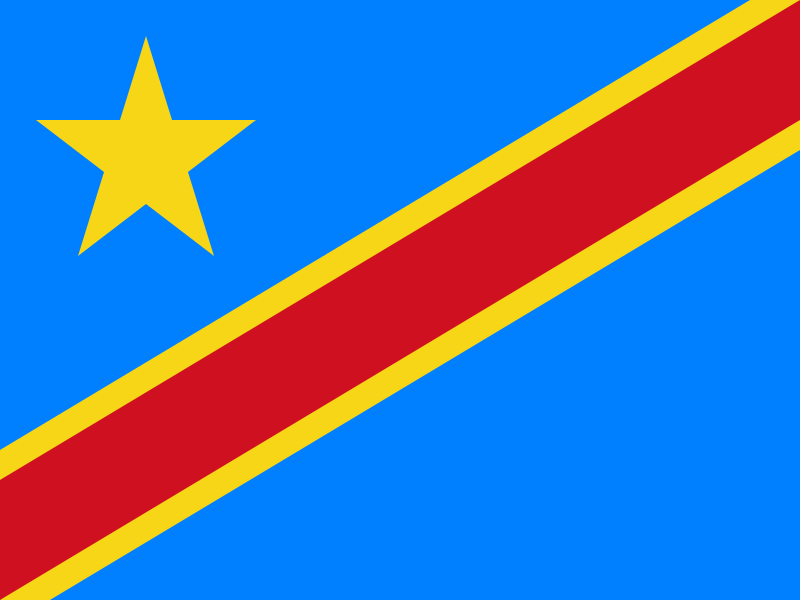
Flag of the Democratic Republic of the Congo.svg(DRC flag (2006-Present))
The country also held its 1st multi party elections. An election result dispute between Kabila and Jean-Pierre Bemba turned into an all out battle between their supporters in the streets of Kinshasa. Joseph Kabila won the election.
(Joseph Kabila)
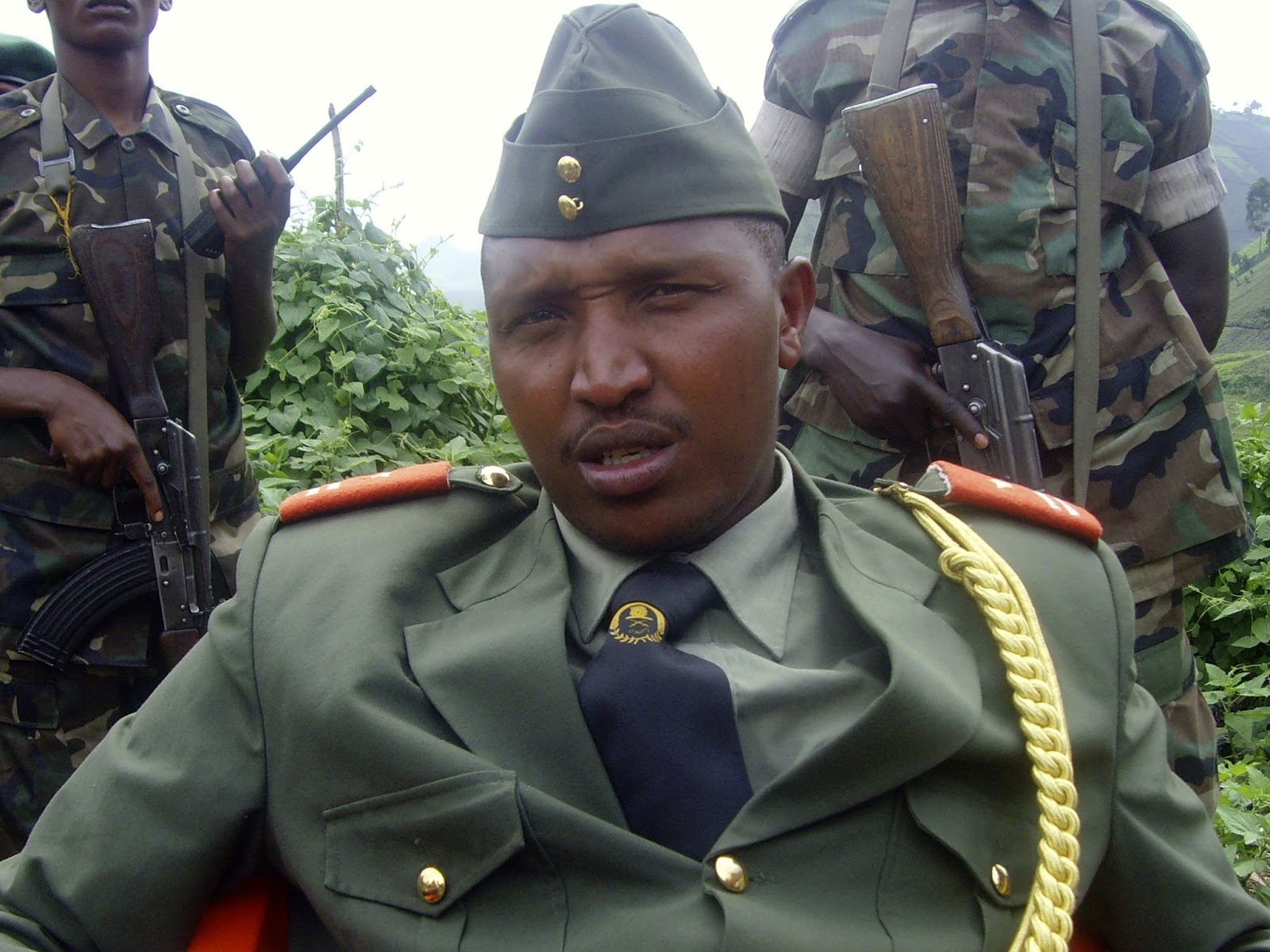
In 2012 the leader of the CNDP, Bosco Ntaganda, and troops loyal to him, mutinied and formed the rebel military March 23 Movement.
(Bosco Ntaganda)
In 2013 the United Nations Security Council authorized the United Nations Force Intervention Brigade, the first offensive United Nations peacekeeping unit, to neutralize armed groups. The March 23 Movement then declared an end to its insurgency. Also in 2013 On and off fighting occurred between the Nationalist and Integrationist Front (FNI) and the Union of Congolese Patriots (UPC).
(FNI soldiers)
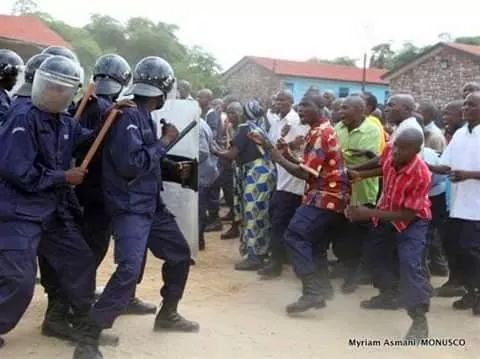
In 2015 major protests broke out across the country and protesters demanded that Joseph Kabila step down as President.
(Protests against DRC president Kabila)
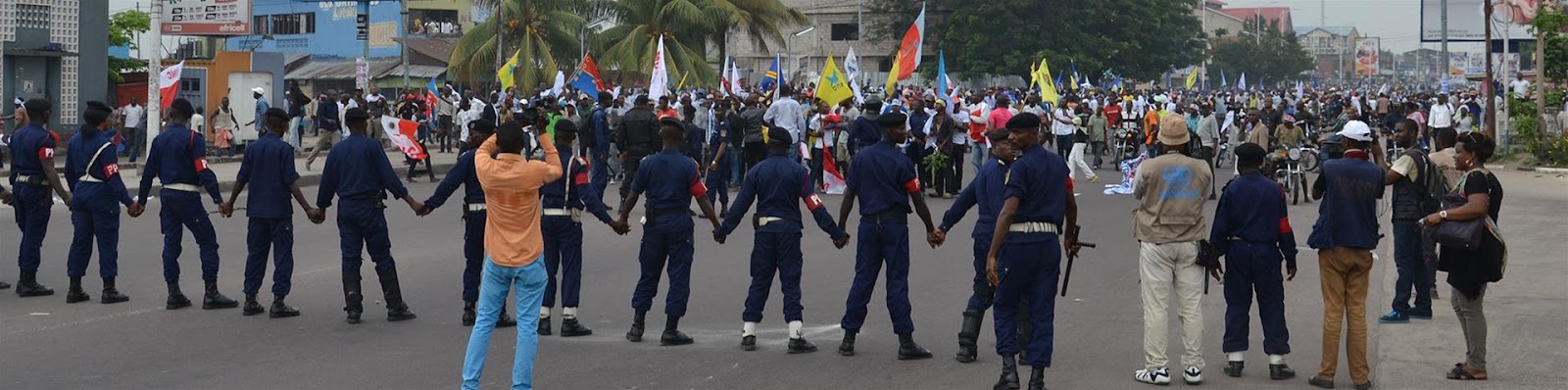
In December of 2016 more protests broke out when Kabila's term in office ended and many people were killed and arrested.
Image result for 2016 democratic republic of the congo protests(Protests in Dec. of 2016)
Today marks the 57th anniversary of the Democratic Republic of the Congo’s independence and we would like to say happy independence day Democratic Republic of the Congo.

Videos of DRC’s Independence
https://www.youtube.com/watch?v=m-zjcgLMsDc  “Congolese Independence Day Celebrations”