Crate Diggers: Democratic Republic of the Congo
Showing posts with label Democratic Republic of the Congo. Show all posts

Tuesday, July 4, 2017

Happy Birthday Patrice Lumumba

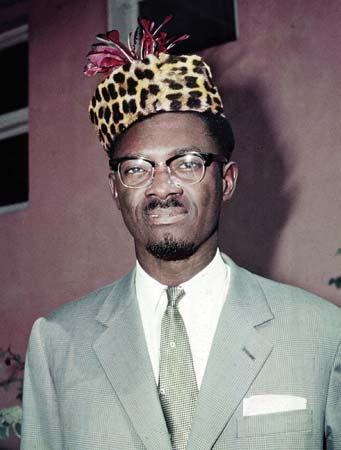
“Without dignity there is no liberty, without justice there is no dignity, and without independence there are no free men” - Patrice Lumumba
(Patrice Lumumba)
Patrice Lumumba was born on July 2nd, 1925 Katakokombe, Belgian Congo. Lumumba worked as a postal clerk and as a travelling beer salesman. In 1951 he married Pauline Opangu. In 1955 Lumumba became regional head of the Cercles of Stanleyville and joined the Liberal Party of Belgium, where he worked on editing and distributing party literature. While in Belgium he was arrested in 1955 on charges of embezzlement. He was released in 1956. In 1958 he helped found the broad based MNC. Also in 1958 Lumumba and his team represented the MNC at the All-African Peoples' Conference in Accra, Ghana.
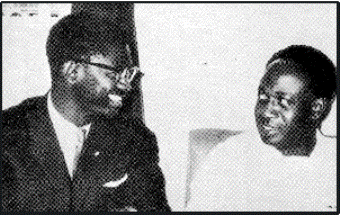
(Lumumba (Left) with Kwame Nkrumah (Right))
In 1959 Lumumba was arrested for inciting an anti colonial riot in Kisangani where thirty people were killed. In 1960 Lumumba became the Democratic Republic of the Congo’s 1st prime minister.
(Lumumba in 1960)
Lumumba made the fateful decision to raise the pay of all government employees except for the army. They then rebelled in protest. The rebellions quickly spread throughout the country, leading to a general breakdown in law and order. UN troops were brought into the country. Lumumba sought Soviet aid in the form of arms, food, medical supplies, trucks, and planes. Lumumba's decisive actions to turn to the Soviet Union alarmed western countries such as the USA. The USA saw Patrice Lumumba as a communist and the CIA began a plot to assassinate him. Lumumba was then dismissed from government by the DRC’s president.
(Lumumba (Middle) with DRC’s President Kasa-Vubu (Left))
Lumumba immediately protested the legality of the President's actions. The country was torn by two political groups claiming legal power over the country. A coup d'état organised by Colonel Joseph Mobutu incapacitated both Lumumba and President Kasa-Vubu. Lumumba was placed under house arrest at the Prime Minister's residence, with UN troops positioned around the house. He escaped to Stanleyville, where his intention apparently was to set up his own government and army. He was caught a few months later and flown to Léopoldville in ropes, not handcuffs.
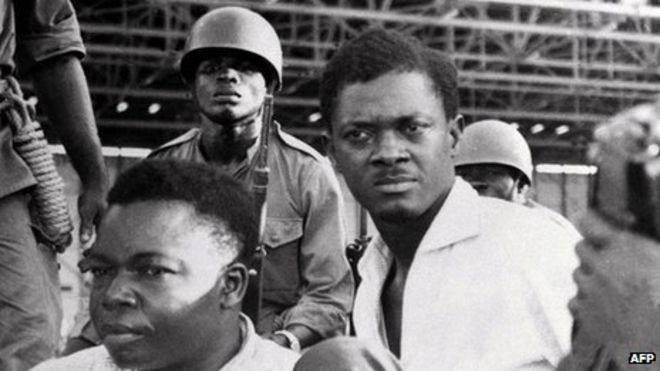
(Lumumba captured)
The USSR demanded for Lumumba to be released. In 1961 Lumumba was sent to Elizabethville where he was conducted under arrest to Brouwez House and was brutally beaten and tortured by Katangan and Belgian officers.
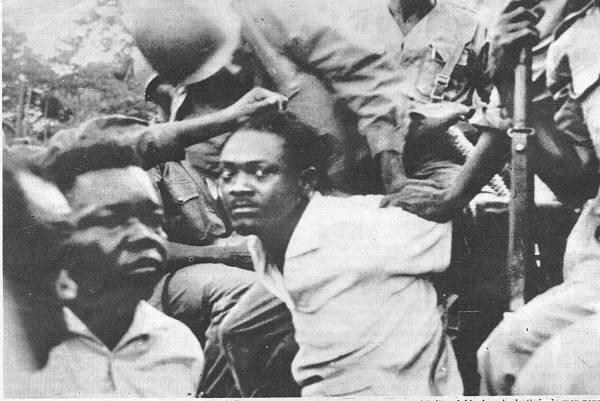
(Lumumba in custody)
Lumumba and two ministers from his newly formed independent government were lined up against a tree. On January 17th, 1961 Patrice Lumumba was killed by a firing squad consisting of Belgian, CIA, and Katangan officers in Lubumbashi, Democratic Republic of the Congo. He was 35 years old.
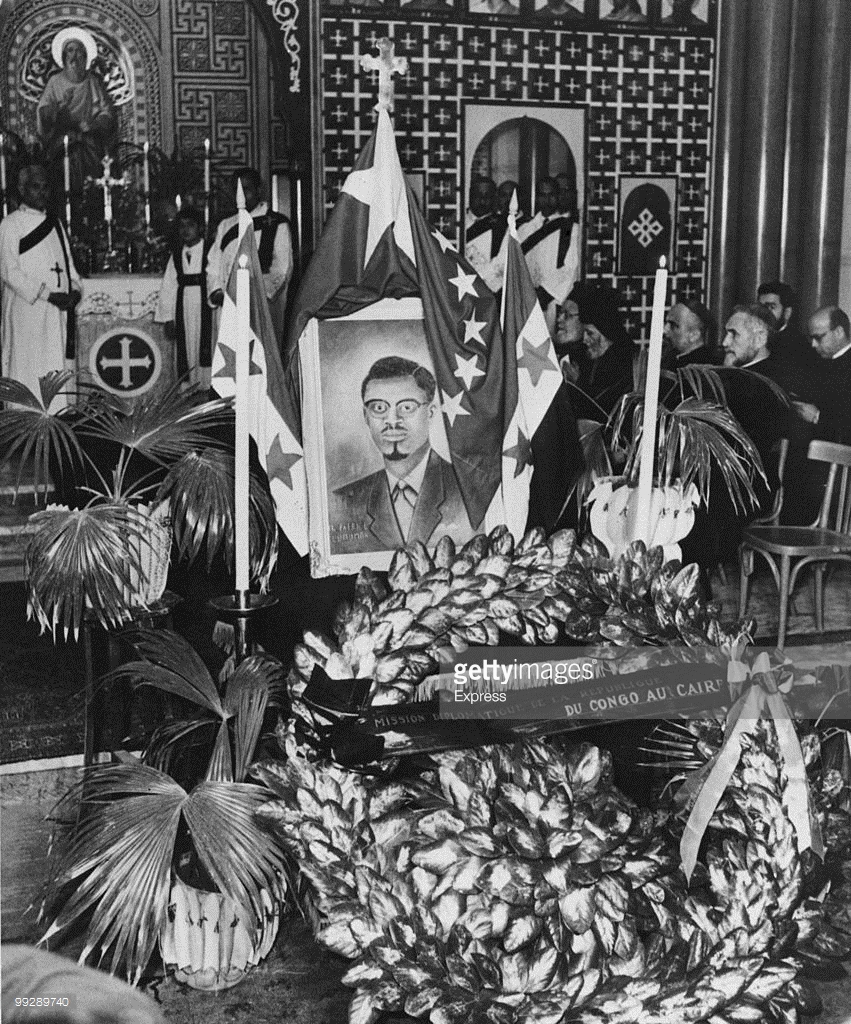
(A requiem mass for Lumumba)
Today is his 92nd birthday and we would all like to say happy birthday and rest in peace Patrice Lumumba.

Videos of Patrice Lumumba

Monday, July 3, 2017

Happy Independence Day Democratic Republic of the Congo

“What is said over the dead lion’s body cannot be said to him alive” - Congolese Proverb
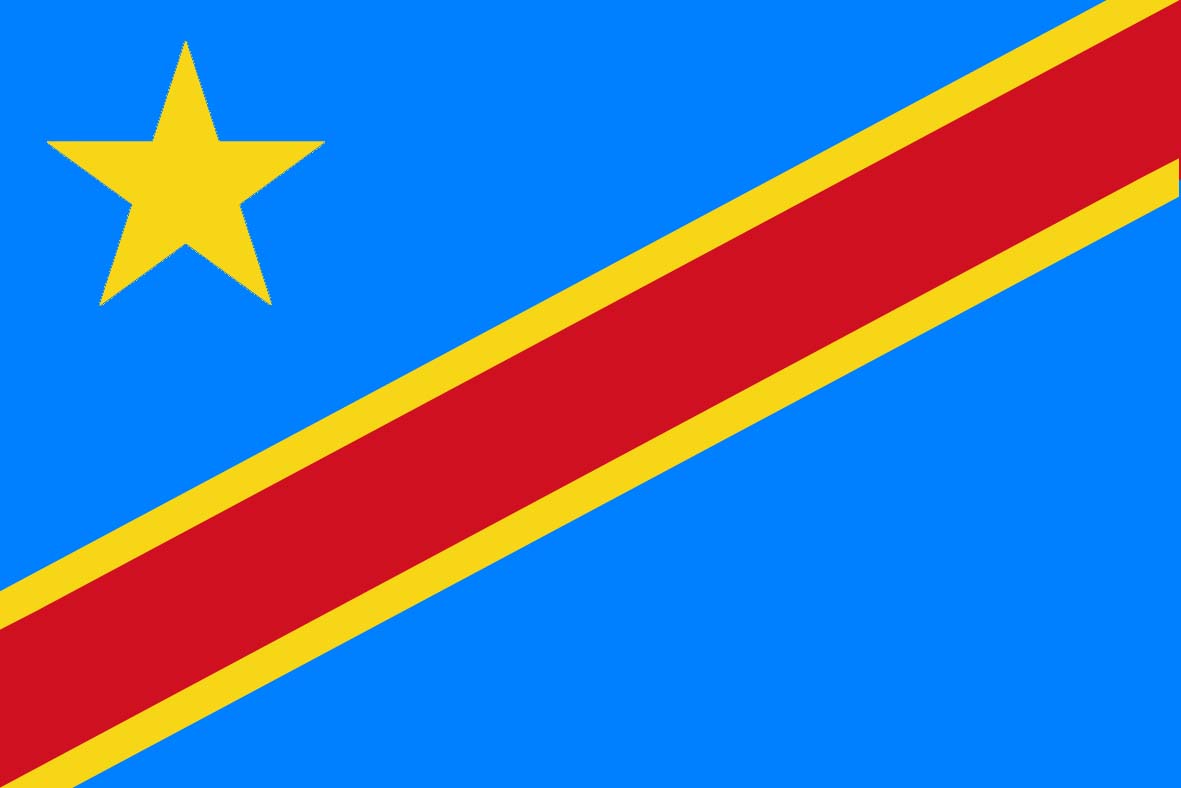
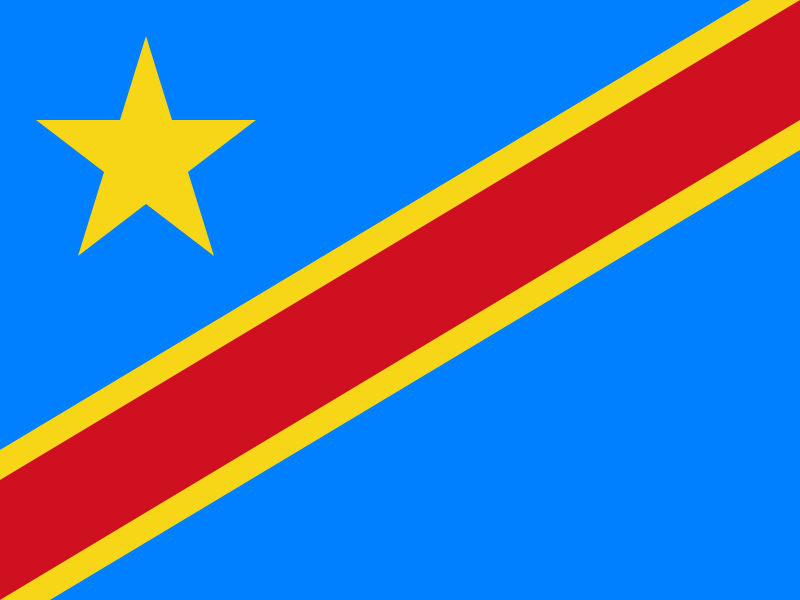
Image result for dr congo flag(DRC flag (2006-Present))
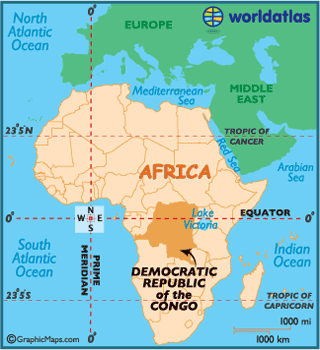
The Democratic Republic of the Congo (DRC) is located in the center of Africa.
(Map of where DRC is located)
Its capital is Kinshasa. Kinshasa is also its largest city. The official language is French. The country is 905,355 square miles. DRC is 100% African. 80% of DRC practices Christianity, 12% practices Islam, 4% practices traditional African religions, and 4% are athiest. The total population is 81,680,000. The climate is tropical. DRC is a unitary semi presidential republic.
(Kinshasa, capital of DRC)
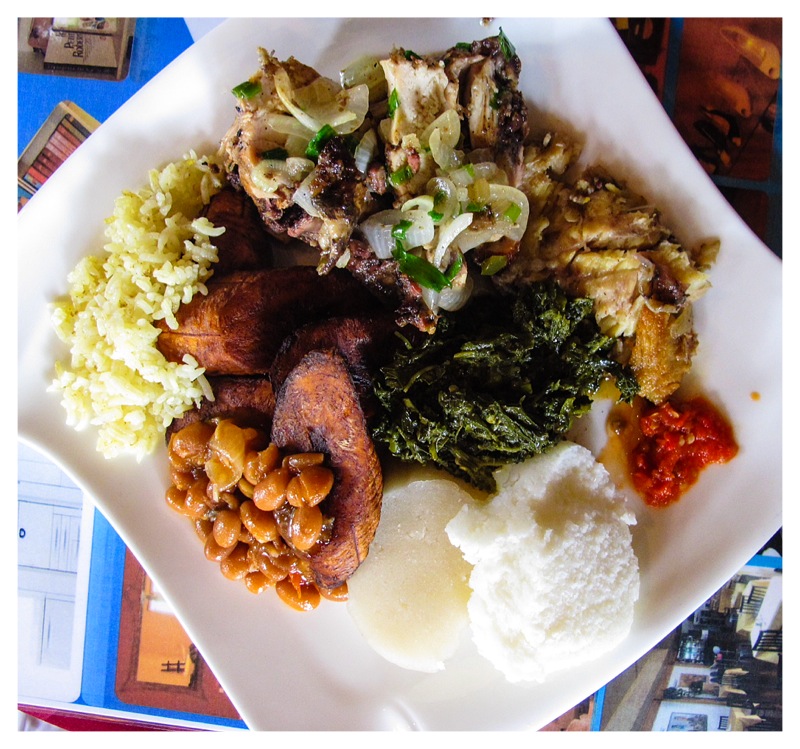
DRC cuisine consists of maize, rice, cassava, sweet potatoes, yam, taro, plantain, tomatoes, pumpkin and varieties of peas and nuts.
(DRC cuisine)
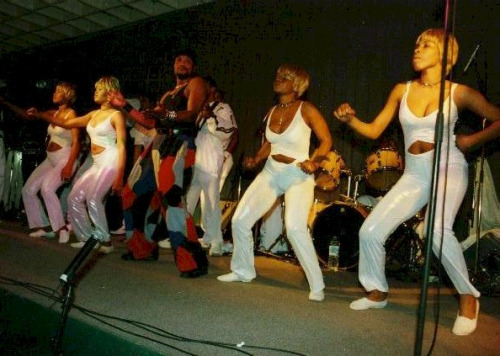
The major style of music is soukous.
(Congolese people performing Soukous music)
DRC’s most popular sport is soccer.
(DRC’s national soccer team)
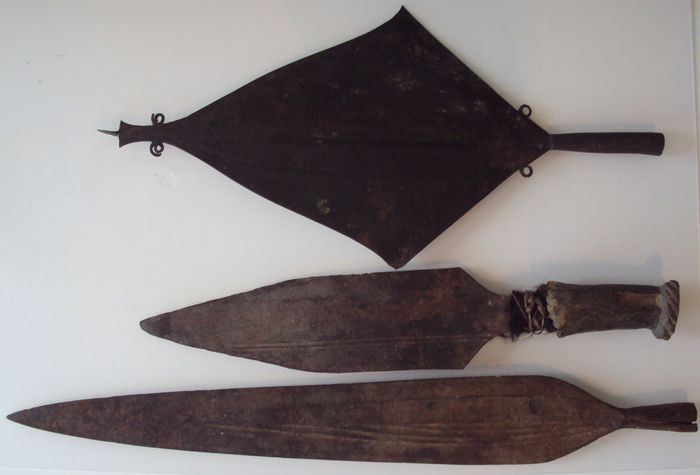
DRC was 1st in habited 80,000 years ago.
(Ancient weapons from DRC)
In the 5th century the Bantu people inhabited it.
(Bantu people)
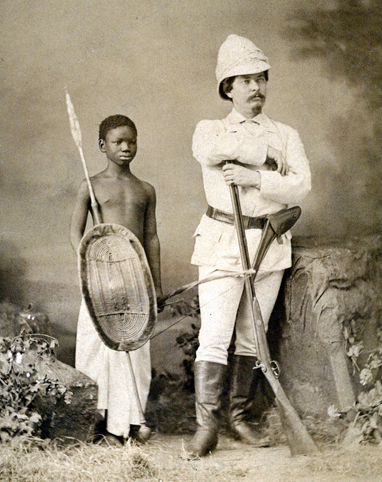
In the 10th century networks of trade began. In 1877 Belgium came to the region.
(A Belgian soldier with a Congolese boy)
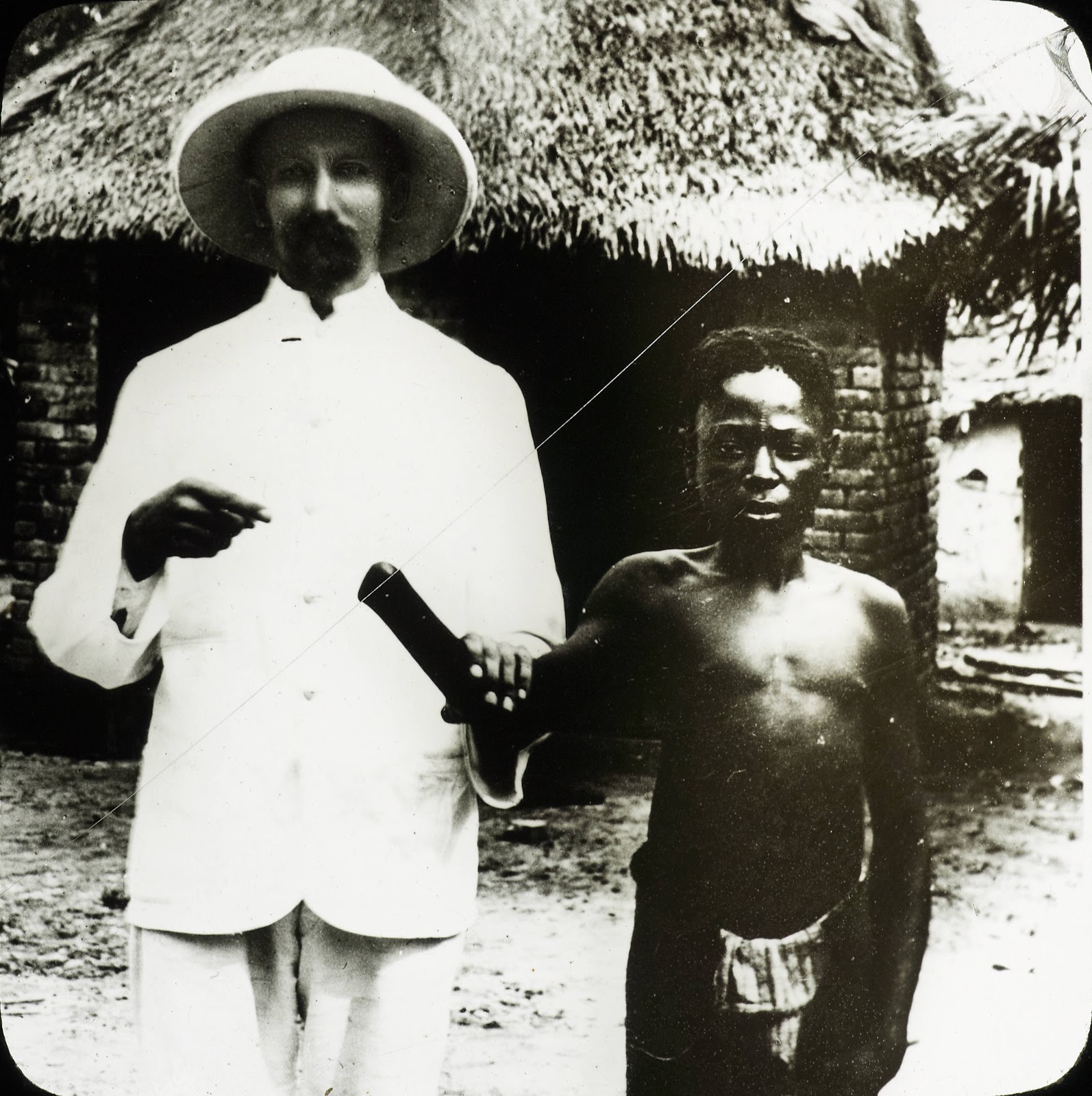
They colonized the region and began the slave trade in the region.
(A Belgian slave master with a Congolese slave who has been punished by having his hand cut off)
In 1885 the region was named “The Congo Free State”. Due to colonists brutalizing the local population to produce rubber by 1908 10 million Congolese were killed under the Belgian regime led by King Leopold II.
(King Leopold II of Belgium)
In 1916 an initial stand off between the Force Publique of the Belgian Congo and the German colonial army in German East Africa turned into open warfare.
(An armored car from WWI)
In 1926 the capital of The Congo Free State moved from Boma to Léopoldville. The Congo Free State was then renamed to “The Belgian Congo”. During World War II the Belgian Congo was a crucial source of income for the Belgian government in exile in London. Belgian Congolese forces under the command of Belgian officers notably fought against the Italian colonial army in Ethiopia. In 1960 a growing nationalist movement, the Mouvement National Congolais (MNC), led by Patrice Lumumba, won the parliamentary elections.
(Patrice Lumumba)
Lumumba became the 1st prime minister of the Belgian Congo. On June 30th, 1960 The Belgian Congo gained its independence.
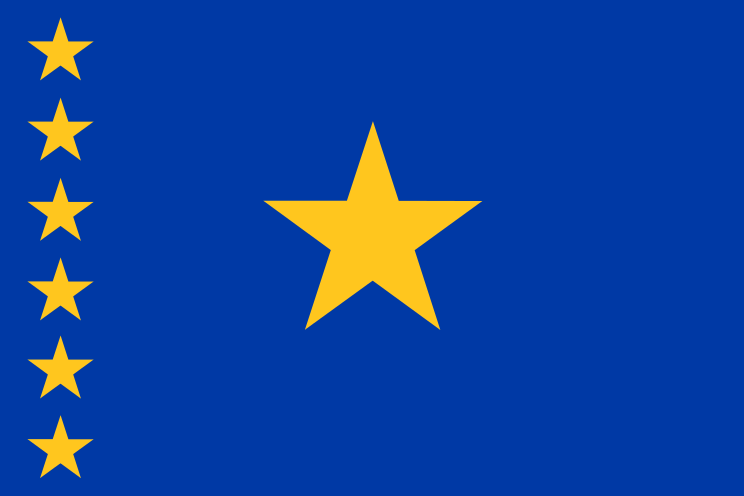
(The Republic of the Congo flag (1960-1963))
The country changed its name to “The Republic of the Congo”. Most of the 100,000 Europeans who had remained behind after independence fled the country due to the provinces of Katanga and South Kasai engaging in secessionist struggles against the new leadership. Also in 1960 Joseph Kasavubu dismissed Lumumba from office. Lumumba declared Kasavubu's action unconstitutional and a crisis between the two leaders developed. Lumumba was arrested by forces loyal to Joseph Mobutu.
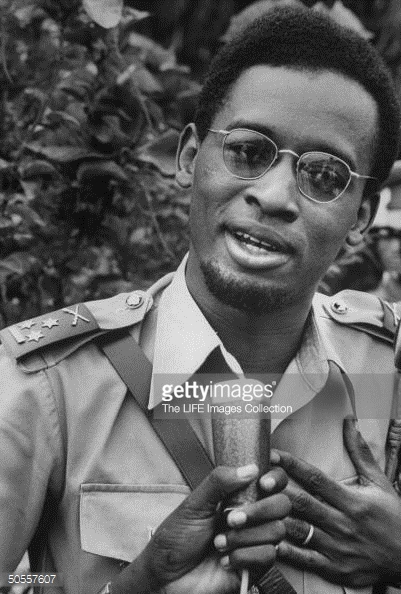
(Joseph Mobutu)
In 1961 Lumumba was assassinated. The Katanga secession was ended in 1963 with the assistance of UN forces. In 1965 Joseph Mobutu led a coup to take control of the country. The country’s name was changed to “The Democratic Republic of the Congo”.
(DRC flag (1966-1971))
A one party system was established, and Mobutu declared himself head of state. In 1966 Mobutu renamed the nation's cities to identify himself with African nationalism. In 1971 the country’s name was changed to “The Republic of Zaire”.
(Zaire flag (1971-1997))
In 1990 Mobutu declared the 3rd republic. In 1996 Zairian armed forces and Rwandan Hutu militia forces launched a campaign against Congolese ethnic Tutsis in eastern Zaire.
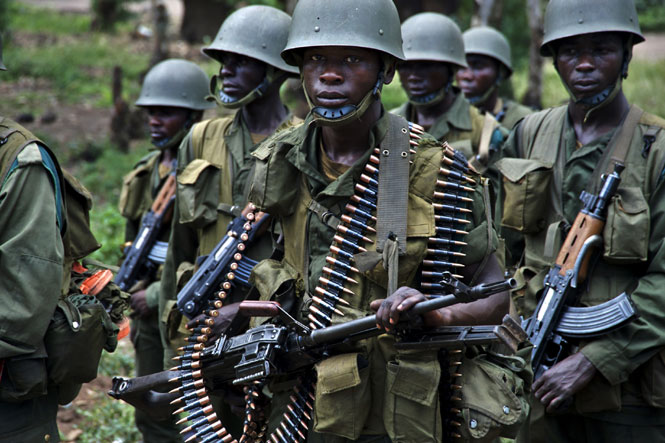
(Zairian armed forces)
A coalition of Rwandan and Ugandan armies invaded Zaire to overthrow the government of Mobutu, and ultimately to control the mineral resources of Zaire, launching the First Congo War.
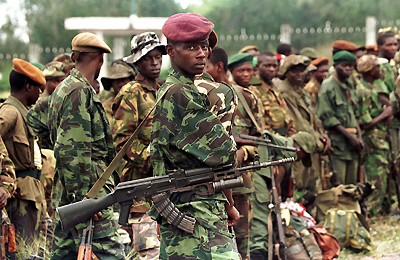
(Soldiers in the 1st Congo War)
The coalition allied with some opposition figures, led by Laurent-Désiré Kabila, becoming the Alliance of Democratic Forces for the Liberation of Congo. In 1997 Mobutu was forced to leave Zaire. In 1998 the 2nd Congo War began.
(Soldiers in the 2nd Congo War)
Angolan, Zimbabwean and Namibian militaries entered on the side of the government against Rwandan and Ugandan troops. In 2003 the war ended. In 2006 the country’s name changed to “The Democratic Republic of the Congo”.
Flag of the Democratic Republic of the Congo.svg(DRC flag (2006-Present))
The country also held its 1st multi party elections. An election result dispute between Kabila and Jean-Pierre Bemba turned into an all out battle between their supporters in the streets of Kinshasa. Joseph Kabila won the election.
(Joseph Kabila)
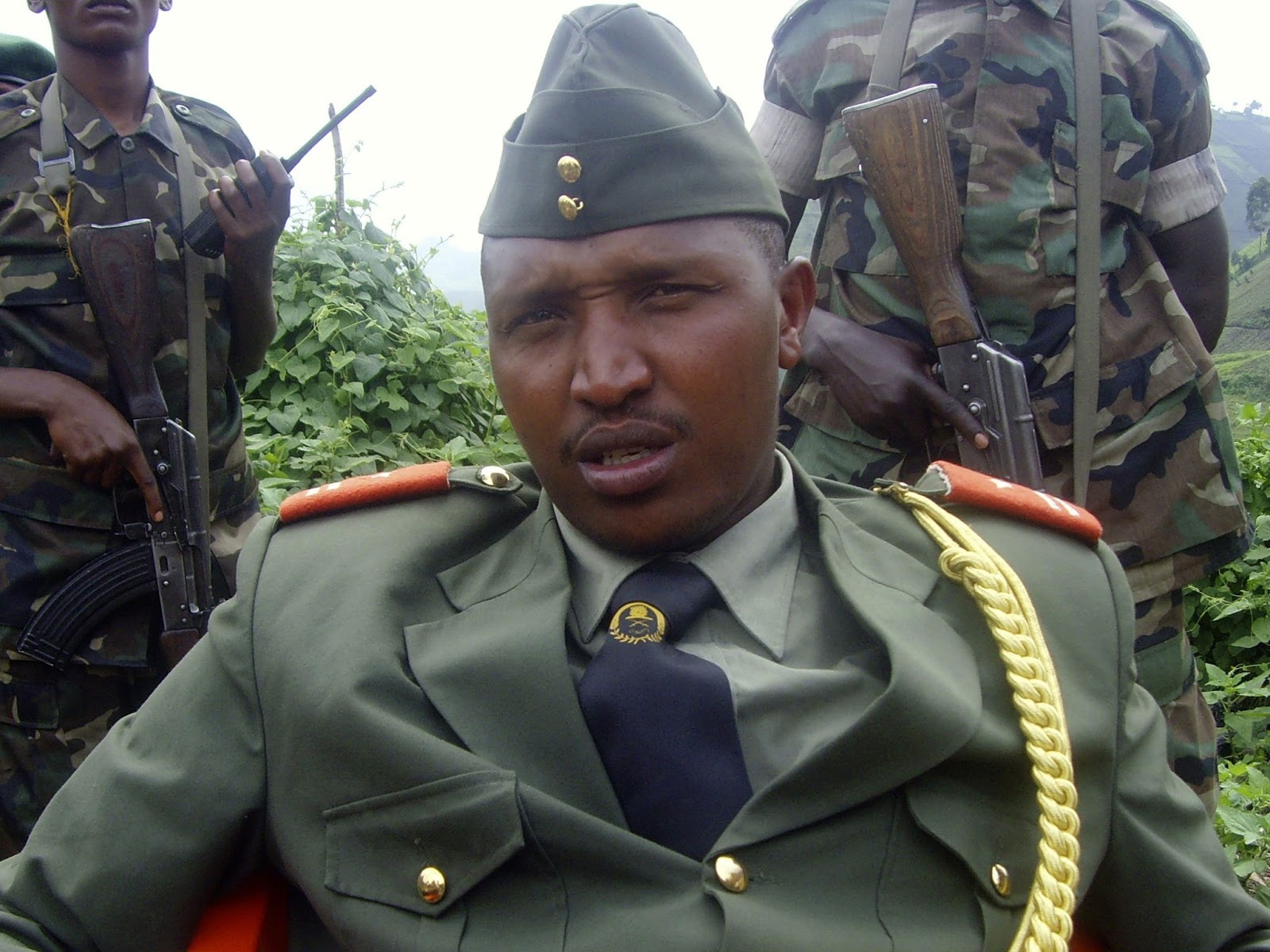
In 2012 the leader of the CNDP, Bosco Ntaganda, and troops loyal to him, mutinied and formed the rebel military March 23 Movement.
(Bosco Ntaganda)
In 2013 the United Nations Security Council authorized the United Nations Force Intervention Brigade, the first offensive United Nations peacekeeping unit, to neutralize armed groups. The March 23 Movement then declared an end to its insurgency. Also in 2013 On and off fighting occurred between the Nationalist and Integrationist Front (FNI) and the Union of Congolese Patriots (UPC).
(FNI soldiers)
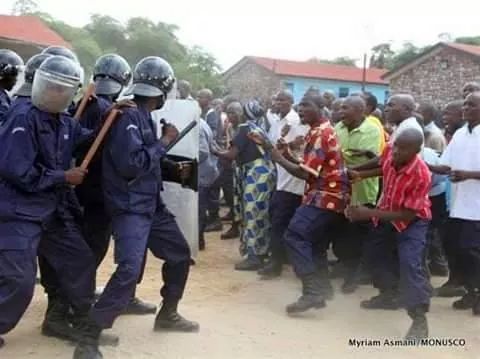
In 2015 major protests broke out across the country and protesters demanded that Joseph Kabila step down as President.
(Protests against DRC president Kabila)
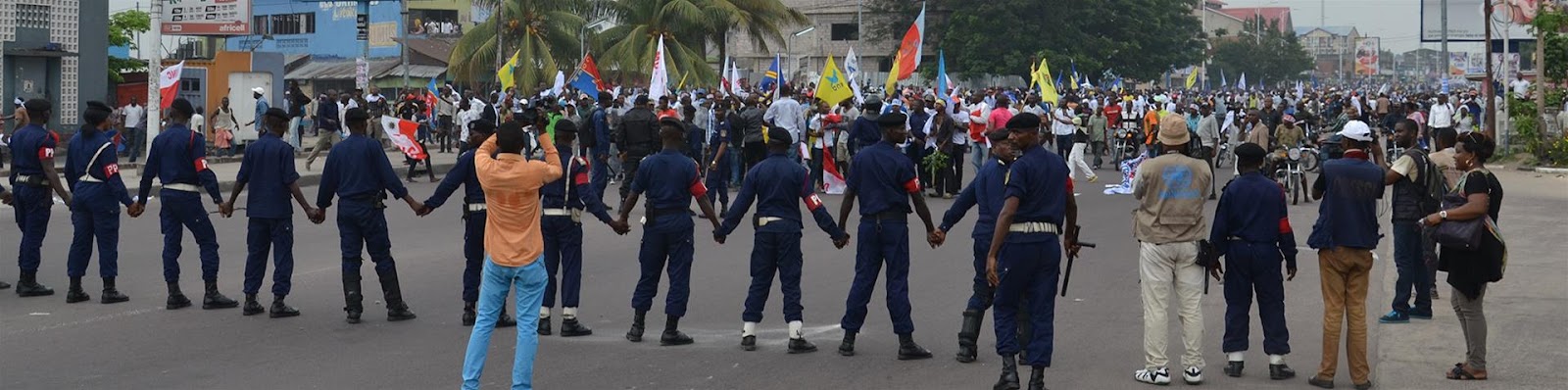
In December of 2016 more protests broke out when Kabila's term in office ended and many people were killed and arrested.
Image result for 2016 democratic republic of the congo protests(Protests in Dec. of 2016)
Today marks the 57th anniversary of the Democratic Republic of the Congo’s independence and we would like to say happy independence day Democratic Republic of the Congo.

Videos of DRC’s Independence
https://www.youtube.com/watch?v=m-zjcgLMsDc  “Congolese Independence Day Celebrations”

Tuesday, January 17, 2017

Anniversary of Patrice Lumumba's Death

Without dignity there is no liberty, without justice there is no dignity, and without independence there are no free men” - Patrice Lumumba
(Patrice Lumumba)
Patrice Lumumba was born on July 2nd, 1925 Katakokombe, Belgian Congo. Lumumba worked as a postal clerk and as a travelling beer salesman. In 1951 he married Pauline Opangu. In 1955 Lumumba became regional head of the Cercles of Stanleyville and joined the Liberal Party of Belgium, where he worked on editing and distributing party literature. While in Belgium he was arrested in 1955 on charges of embezzlement. He was released in 1956. In 1958 he helped found the broad based MNC. Also in 1958 Lumumba and his team represented the MNC at the All-African Peoples' Conference in Accra, Ghana.
(Lumumba (Left) with Kwame Nkrumah (Right))
In 1959 Lumumba was arrested for inciting an anti colonial riot in Kisangani where thirty people were killed. In 1960 Lumumba became the Democratic Republic of the Congo’s 1st prime minister.
(Lumumba in 1960)
Lumumba made the fateful decision to raise the pay of all government employees except for the army. They then rebelled in protest. The rebellions quickly spread throughout the country, leading to a general breakdown in law and order. UN troops were brought into the country. Lumumba sought Soviet aid in the form of arms, food, medical supplies, trucks, and planes. Lumumba's decisive actions to turn to the Soviet Union alarmed western countries such as the USA. The USA saw Patrice Lumumba as a communist and the CIA began a plot to assassinate him. Lumumba was then dismissed from government by the DRC’s president.
(Lumumba (Middle) with DRC’s President Kasa-Vubu (Left))
Lumumba immediately protested the legality of the President's actions. The country was torn by two political groups claiming legal power over the country. A coup d'état organised by Colonel Joseph Mobutu incapacitated both Lumumba and President Kasa-Vubu. Lumumba was placed under house arrest at the Prime Minister's residence, with UN troops positioned around the house. He escaped to Stanleyville, where his intention apparently was to set up his own government and army. He was caught a few months later and flown to Léopoldville in ropes, not handcuffs.
(Lumumba captured)
The USSR demanded for Lumumba to be released. In 1961 Lumumba was sent to Elizabethville where he was conducted under arrest to Brouwez House and was brutally beaten and tortured by Katangan and Belgian officers.
(Lumumba in custody)
Lumumba and two ministers from his newly formed independent government were lined up against a tree. On January 17th, 1961 Patrice Lumumba was killed by a firing squad consisting of Belgian, CIA, and Katangan officers in Lubumbashi, Democratic Republic of the Congo. He was 35 years old.
(A requiem mass for Lumumba)
Today is the 56th anniversary of his death. Take time to remember this great prime minister today.

Videos of Patrice Lumumba

Thursday, July 7, 2016

Happy Birthday Patrice Lumumba

“Without dignity there is no liberty, without justice there is no dignity, and without independence there are no free men” - Patrice Lumumba
(Patrice Lumumba)
Patrice Lumumba was born on July 2nd, 1925 Katakokombe, Belgian Congo. Lumumba worked as a postal clerk and as a travelling beer salesman. In 1951 he married Pauline Opangu. In 1955 Lumumba became regional head of the Cercles of Stanleyville and joined the Liberal Party of Belgium, where he worked on editing and distributing party literature. While in Belgium he was arrested in 1955 on charges of embezzlement. He was released in 1956. In 1958 he helped found the broad based MNC. Also in 1958 Lumumba and his team represented the MNC at the All-African Peoples' Conference in Accra, Ghana.
(Lumumba (Left) with Kwame Nkrumah (Right))
In 1959 Lumumba was arrested for inciting an anti colonial riot in Kisangani where thirty people were killed. In 1960 Lumumba became the Democratic Republic of the Congo’s 1st prime minister.
(Lumumba in 1960)
Lumumba made the fateful decision to raise the pay of all government employees except for the army. They then rebelled in protest. The rebellions quickly spread throughout the country, leading to a general breakdown in law and order. UN troops were brought into the country. Lumumba sought Soviet aid in the form of arms, food, medical supplies, trucks, and planes. Lumumba's decisive actions to turn to the Soviet Union alarmed western countries such as the USA. The USA saw Patrice Lumumba as a communist and the CIA began a plot to assassinate him. Lumumba was then dismissed from government by the DRC’s president.
(Lumumba (Middle) with DRC’s President Kasa-Vubu (Left))
Lumumba immediately protested the legality of the President's actions. The country was torn by two political groups claiming legal power over the country. A coup d'état organised by Colonel Joseph Mobutu incapacitated both Lumumba and President Kasa-Vubu. Lumumba was placed under house arrest at the Prime Minister's residence, with UN troops positioned around the house. He escaped to Stanleyville, where his intention apparently was to set up his own government and army. He was caught a few months later and flown to Léopoldville in ropes, not handcuffs.
(Lumumba captured)
The USSR demanded for Lumumba to be released. In 1961 Lumumba was sent to Elizabethville where he was conducted under arrest to Brouwez House and was brutally beaten and tortured by Katangan and Belgian officers.
(Lumumba in custody)
Lumumba and two ministers from his newly formed independent government were lined up against a tree. On January 17th, 1961 Patrice Lumumba was killed by a firing squad consisting of Belgian, CIA, and Katangan officers in Lubumbashi, Democratic Republic of the Congo. He was 35 years old.
(A requiem mass for Lumumba)
Today is his 91st birthday and we would all like to say happy birthday and rest in peace Patrice Lumumba.

Videos of Patrice Lumumba


(P.S. sorry for the late post)   

Monday, July 4, 2016

Happy Independence Day Democratic Republic of the Congo

“What is said over the dead lion’s body cannot be said to him alive” - Congolese Proverb
Image result for dr congo flag(DRC flag (2006-Present))
The Democratic Republic of the Congo (DRC) is located in the center of Africa.
(Map of where DRC is located)
Its capital is Kinshasa. Kinshasa is also its largest city. The official language is French. The country is 905,355 square miles. DRC is 100% African. 80% of DRC practices Christianity, 12% practices Islam, 4% practices traditional African religions, and 4% are athiest. The total population is 81,680,000. The climate is tropical. DRC is a unitary semi presidential republic.
(Kinshasa, capital of DRC)
DRC cuisine consists of maize, rice, cassava, sweet potatoes, yam, taro, plantain, tomatoes, pumpkin and varieties of peas and nuts.
(DRC cuisine)
The major style of music is soukous.
(Congolese people performing Soukous music)
DRC’s most popular sport is soccer.
(DRC’s national soccer team)
DRC was 1st in habited 80,000 years ago.
(Ancient weapons from DRC)
In the 5th century the Bantu people inhabited it.
(Bantu people)
In the 10th century networks of trade began. In 1877 Belgium came to the region.
(A Belgian soldier with a Congolese boy)
They colonized the region and began the slave trade in the region.
(A Belgian slave master with a Congolese slave who has been punished by having his hand cut off)
In 1885 the region was named “The Congo Free State”. Due to colonists brutalizing the local population to produce rubber by 1908 10 million Congolese were killed under the Belgian regime led by King Leopold II.
(King Leopold II of Belgium)
In 1916 an initial stand off between the Force Publique of the Belgian Congo and the German colonial army in German East Africa turned into open warfare.
(An armored car from WWI)
In 1926 the capital of The Congo Free State moved from Boma to Léopoldville. The Congo Free State was then renamed to “The Belgian Congo”. During World War II the Belgian Congo was a crucial source of income for the Belgian government in exile in London. Belgian Congolese forces under the command of Belgian officers notably fought against the Italian colonial army in Ethiopia. In 1960 a growing nationalist movement, the Mouvement National Congolais (MNC), led by Patrice Lumumba, won the parliamentary elections.
(Patrice Lumumba)
Lumumba became the 1st prime minister of the Belgian Congo. On June 30th, 1960 The Belgian Congo gained its independence.
(The Republic of the Congo flag (1960-1963))
The country changed its name to “The Republic of the Congo”. Most of the 100,000 Europeans who had remained behind after independence fled the country due to the provinces of Katanga and South Kasai engaging in secessionist struggles against the new leadership. Also in 1960 Joseph Kasavubu dismissed Lumumba from office. Lumumba declared Kasavubu's action unconstitutional and a crisis between the two leaders developed. Lumumba was arrested by forces loyal to Joseph Mobutu.
(Joseph Mobutu)
In 1961 Lumumba was assassinated. The Katanga secession was ended in 1963 with the assistance of UN forces. In 1965 Joseph Mobutu led a coup to take control of the country. The country’s name was changed to “The Democratic Republic of the Congo”.
(DRC flag (1966-1971))
A one party system was established, and Mobutu declared himself head of state. In 1966 Mobutu renamed the nation's cities to identify himself with African nationalism. In 1971 the country’s name was changed to “The Republic of Zaire”.
(Zaire flag (1971-1997))
In 1990 Mobutu declared the 3rd republic. In 1996 Zairian armed forces and Rwandan Hutu militia forces launched a campaign against Congolese ethnic Tutsis in eastern Zaire.
(Zairian armed forces)
A coalition of Rwandan and Ugandan armies invaded Zaire to overthrow the government of Mobutu, and ultimately to control the mineral resources of Zaire, launching the First Congo War.
(Soldiers in the 1st Congo War)
The coalition allied with some opposition figures, led by Laurent-Désiré Kabila, becoming the Alliance of Democratic Forces for the Liberation of Congo. In 1997 Mobutu was forced to leave Zaire. In 1998 the 2nd Congo War began.
(Soldiers in the 2nd Congo War)
Angolan, Zimbabwean and Namibian militaries entered on the side of the government against Rwandan and Ugandan troops. In 2003 the war ended. In 2006 the country’s name changed to “The Democratic Republic of the Congo”.
Flag of the Democratic Republic of the Congo.svg(DRC flag (2006-Present))
The country also held its 1st multi party elections. An election result dispute between Kabila and Jean-Pierre Bemba turned into an all out battle between their supporters in the streets of Kinshasa. Joseph Kabila won the election.
(Joseph Kabila)
In 2012 the leader of the CNDP, Bosco Ntaganda, and troops loyal to him, mutinied and formed the rebel military March 23 Movement.
(Bosco Ntaganda)
In 2013 the United Nations Security Council authorized the United Nations Force Intervention Brigade, the first offensive United Nations peacekeeping unit, to neutralize armed groups. The March 23 Movement then declared an end to its insurgency. Also in 2013 On and off fighting occurred between the Nationalist and Integrationist Front (FNI) and the Union of Congolese Patriots (UPC).
(FNI soldiers)
In 2015 major protests broke out across the country and protesters demanded that Joseph Kabila step down as President.
(Protests against DRC president Kabila)
Today marks the 56th anniversary of the Democratic Republic of the Congo’s independence and we would like to say happy independence day Democratic Republic of the Congo.

Videos of DRC’s Independence


(P.S. sorry for the late post)