Crate Diggers: 1977
Showing posts with label 1977. Show all posts

Tuesday, June 27, 2017

Happy Independence Day Djibouti

“A wound inflicted by a friend does not heal” - Djiboutian Proverb
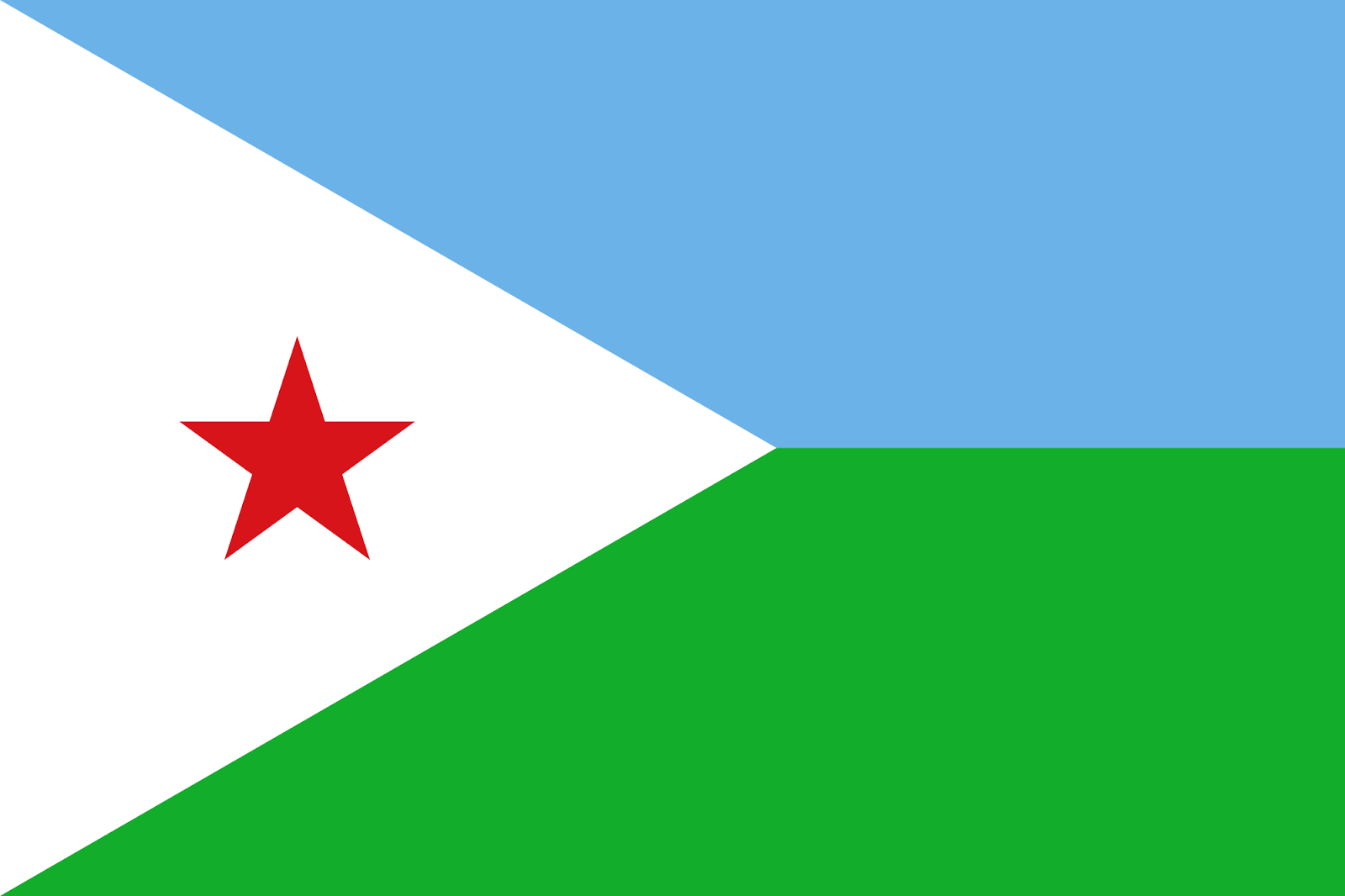
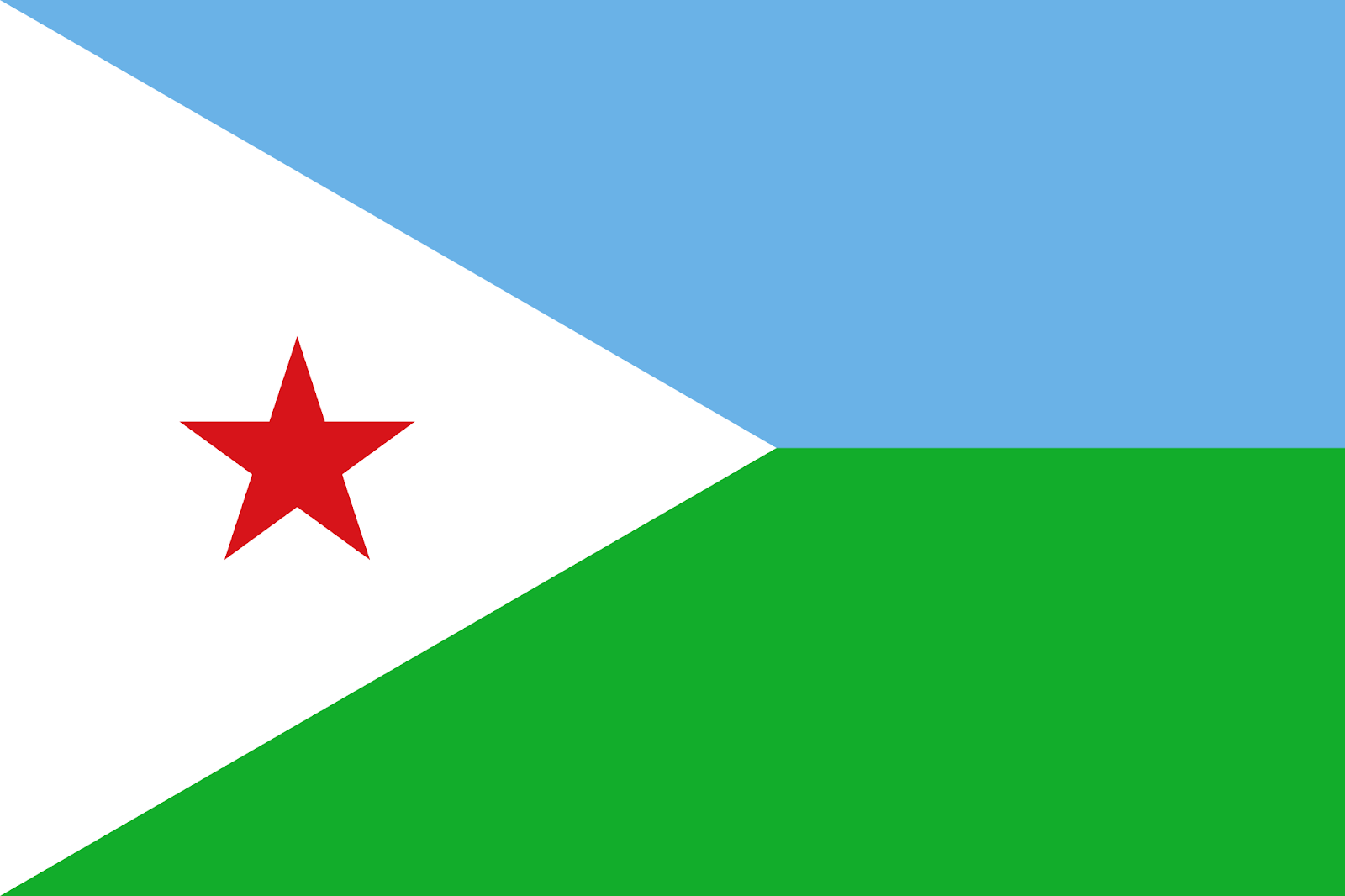
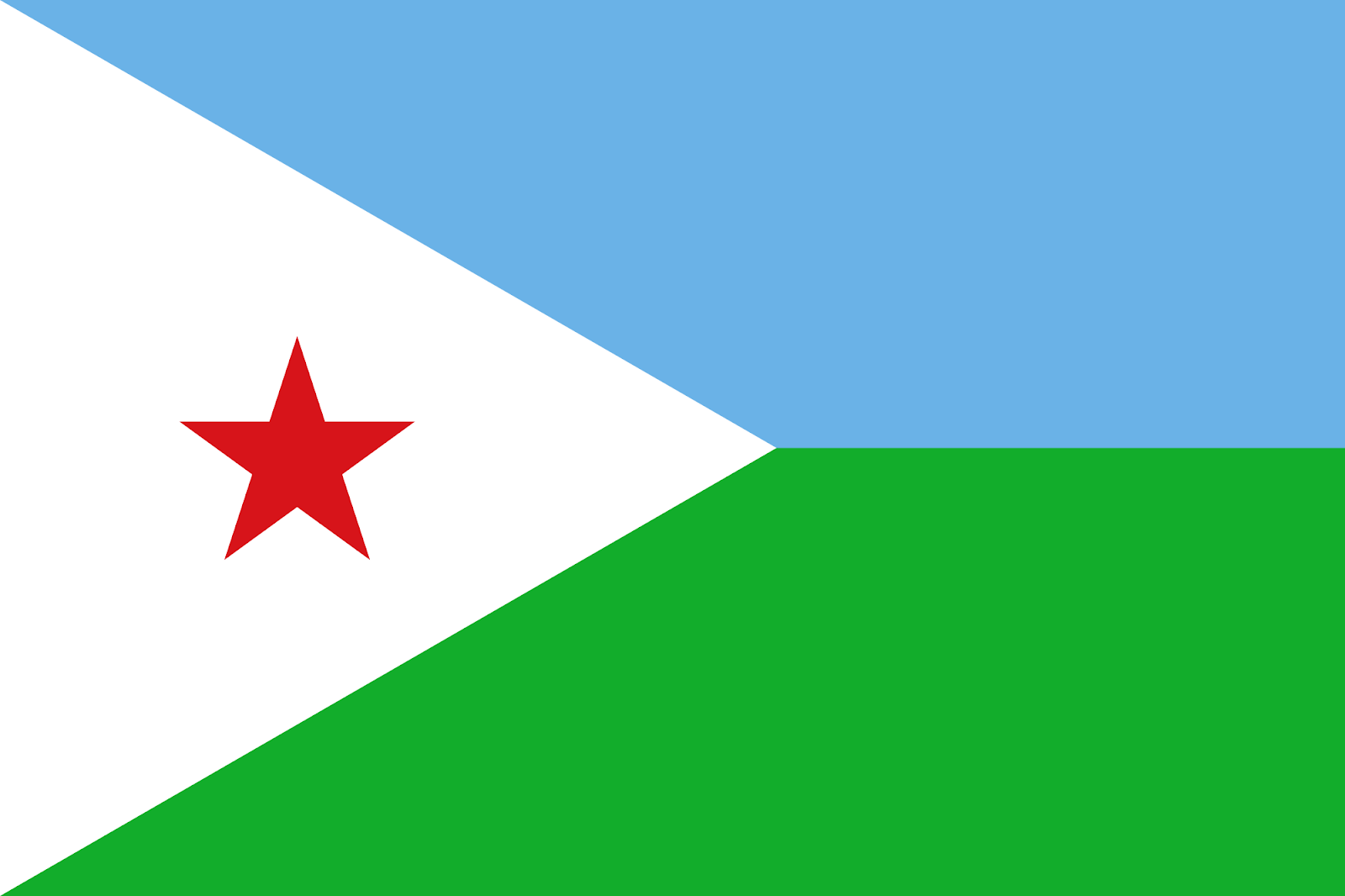
(Djibouti flag (1977-Present))
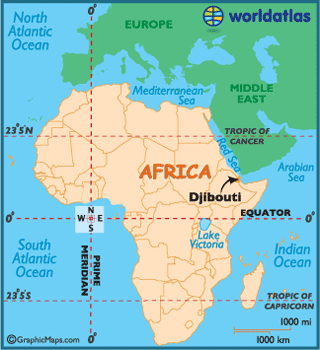
Djibouti is located in the Horn of Africa.
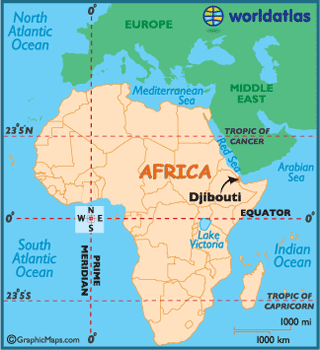
(Map of where Djibouti is located)
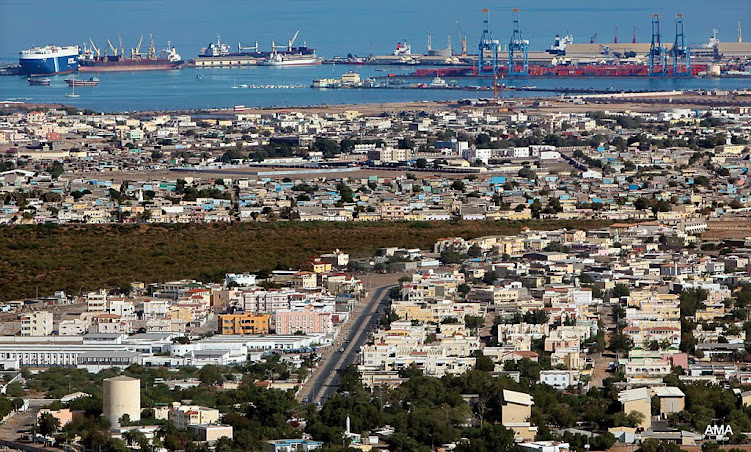
Its capital is Djibouti City. Djibouti City is also its largest city. The official languages are French and Arabic. The country is 8,958 square miles. Djibouti is 96% African, 3% Asian and 1% European. 94% of Djibouti practices Islam and 6% practice Christianity. The total population is 828,324. The climate is arid in Djibouti. Djibouti is a dominant party semi presidential republic.
(Djibouti City, capital of Djibouti)
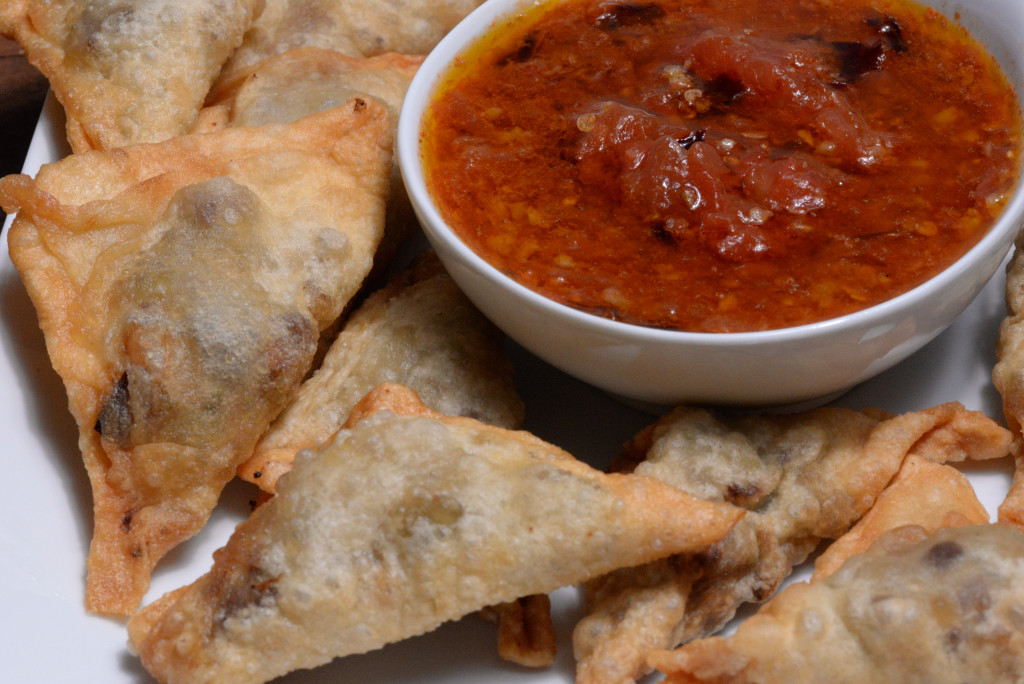
Djibouti cuisine consists of Soupe Djiboutienne (spicy boiled beef soup), and yetakelt w'et (spicy mixed vegetable stew).
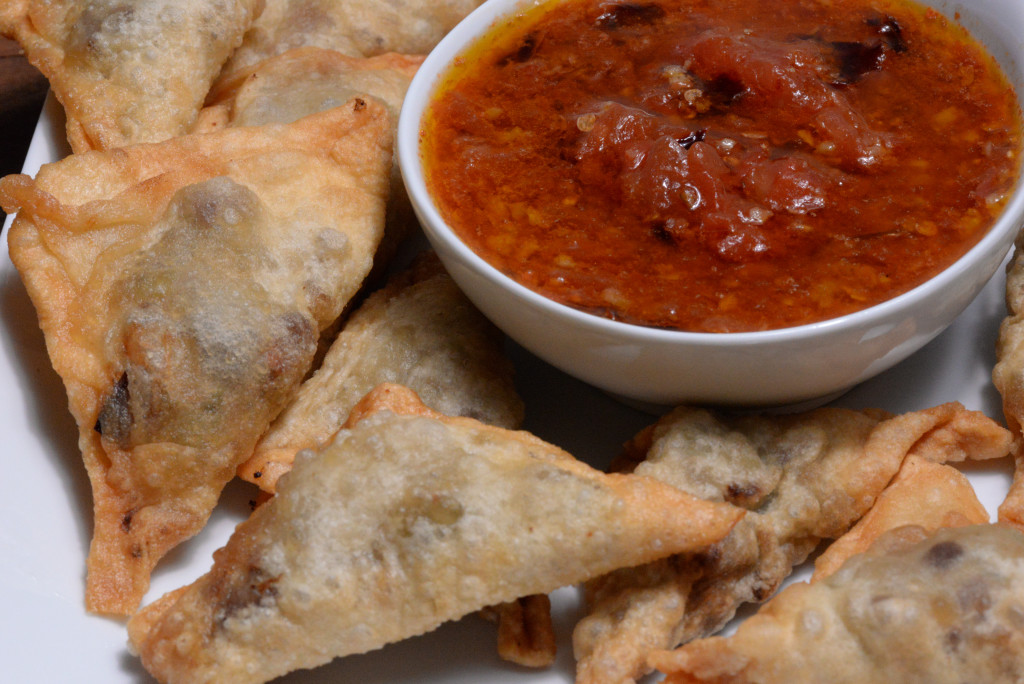
(Djibouti cuisine)
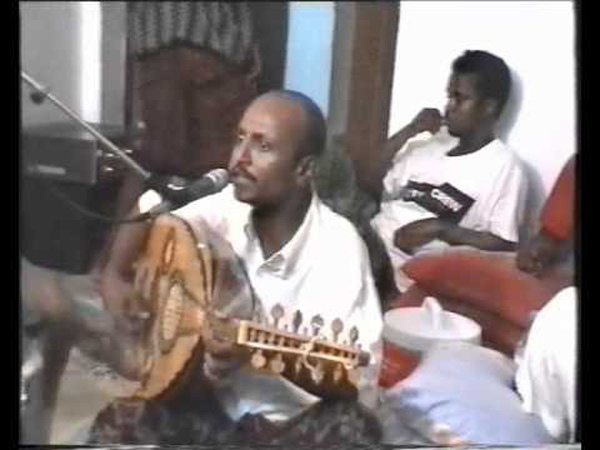
The major style of music is Balwo.
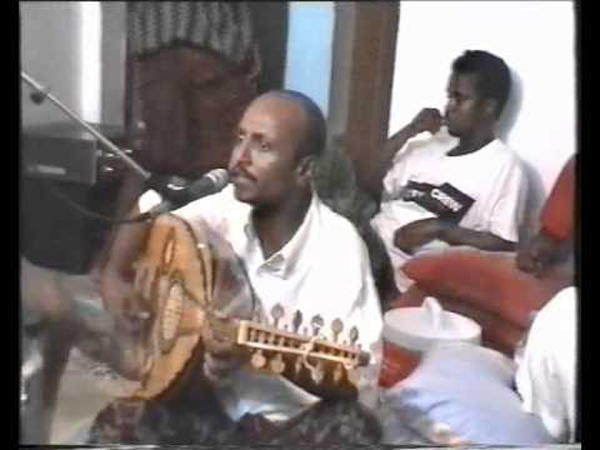
(Djiboutian man performing Balwo)
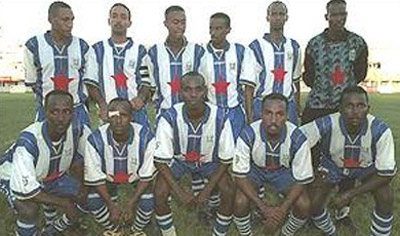
Djibouti’s most popular sport is soccer.
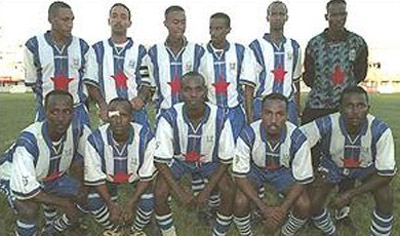
(Djibouti’s soccer team)
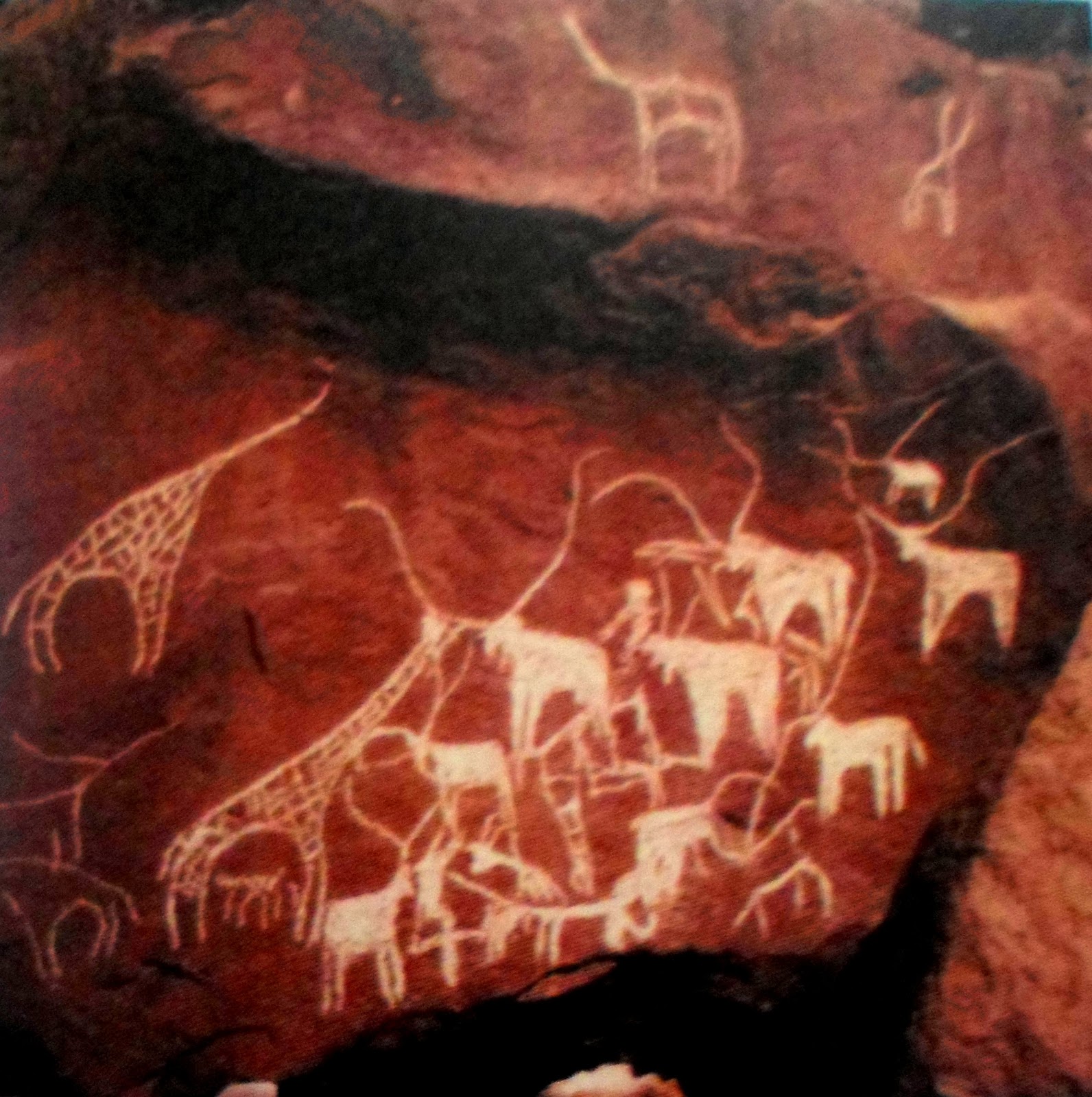
Humans 1st inhabited Djibouti around the 25th century BC.
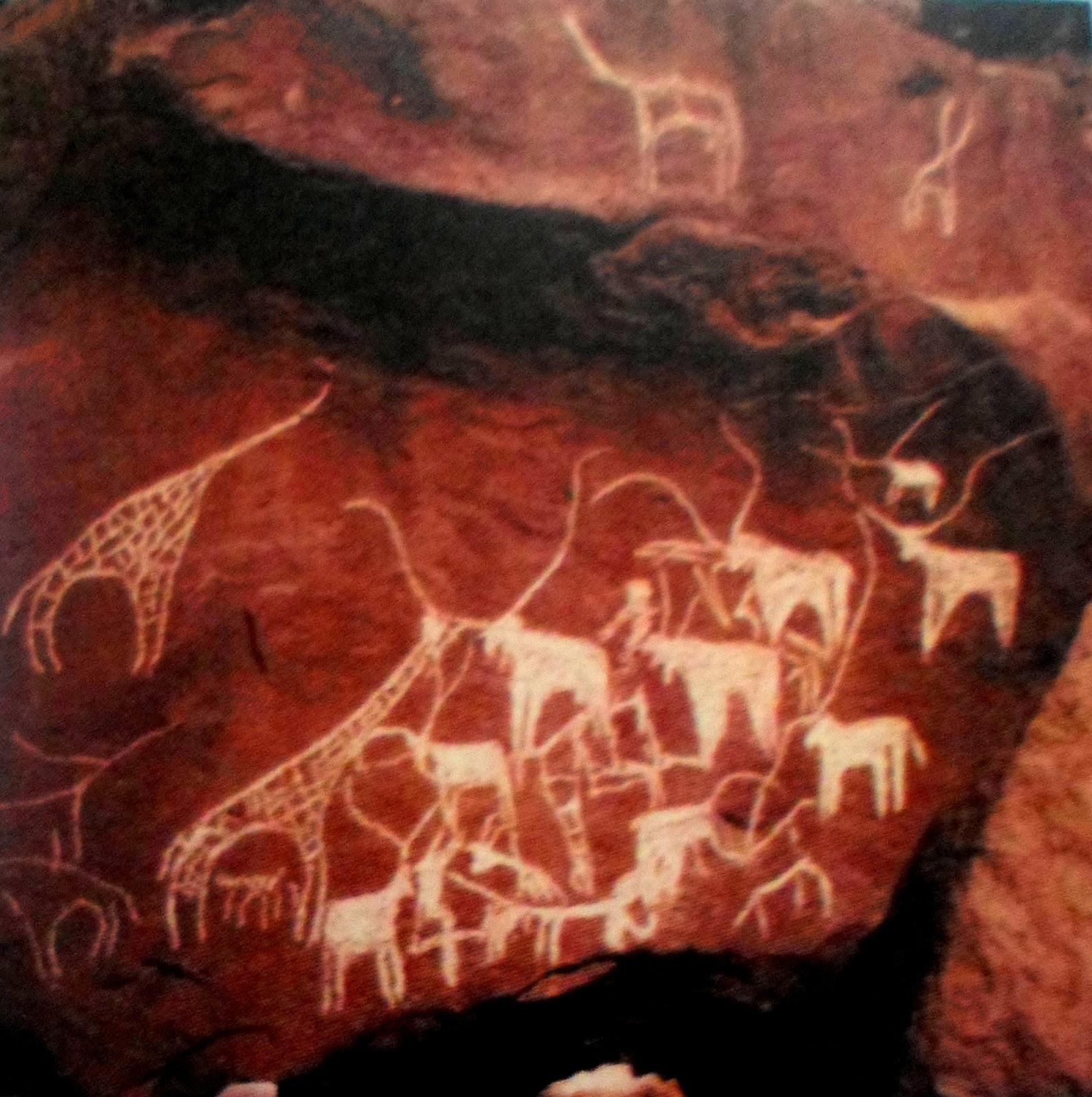
(Djibouti ancient drawings)
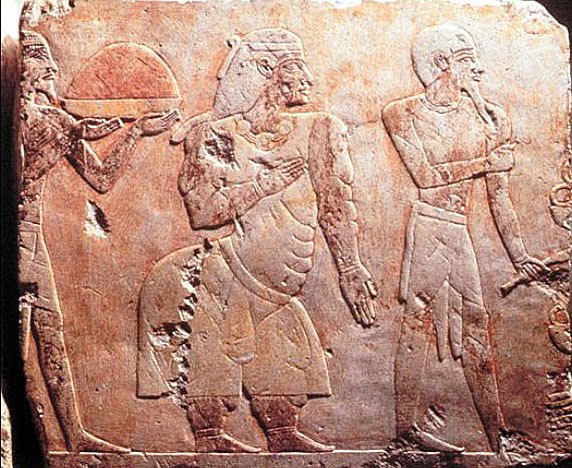
Djibouti was 1st called Punt. King Parahu and Queen Ati ruled Punt.
(A drawing of Queen Ati (Middle) and King Parahu (Right))
In 1285 the Walashma dynasty took control.
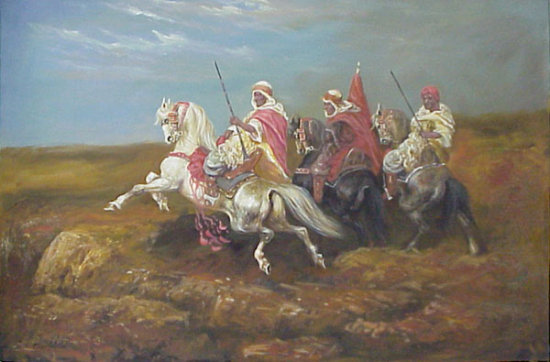
(Warriors of the Walashma dynasty)
In 1862 the name was changed to Obock. It was also ruled by Somali and Afar Sultans.
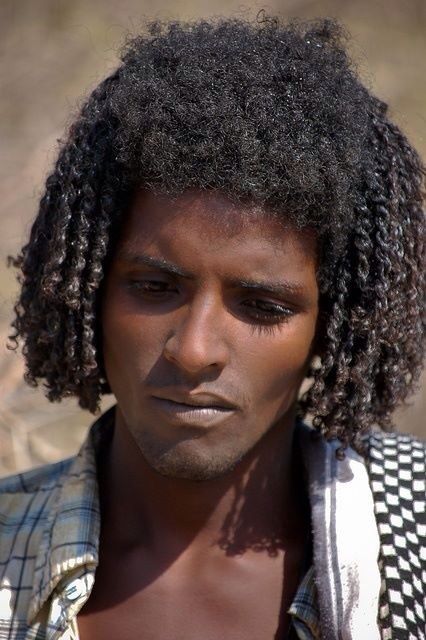
(An Afar man)
In 1883 France colonized the country.
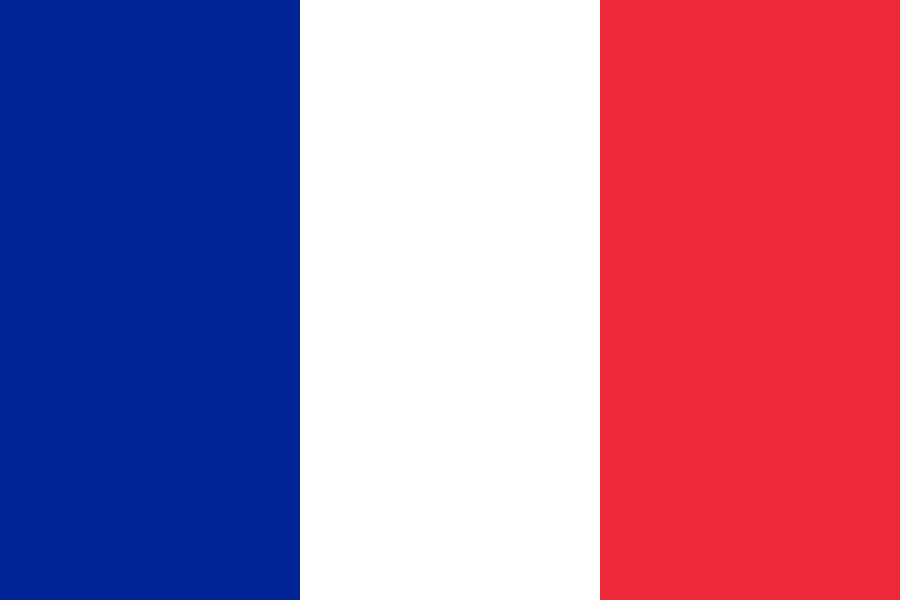
(Flag of Djibouti (1883-1977))
France then named the country French Somaliland. In 1958 a referendum was held in French Somaliland to decide whether to join the Somali Republic or to remain with France.The referendum turned out in favour of a continued association with France, partly due to a combined yes vote by the sizable Afar ethnic group and resident Europeans. In 1967 it was renamed French Territory of the Afars and the Issas. Also in 1967 a 2nd referendum was held in Djibouti to decide whether to join the Somali Republic or to remain with France. The country sided with staying with France. In 1977 a third referendum took place. A landslide 98.8% of the electorate supported disengagement from France. On June 27th, 1977 Djibouti gained its independence.
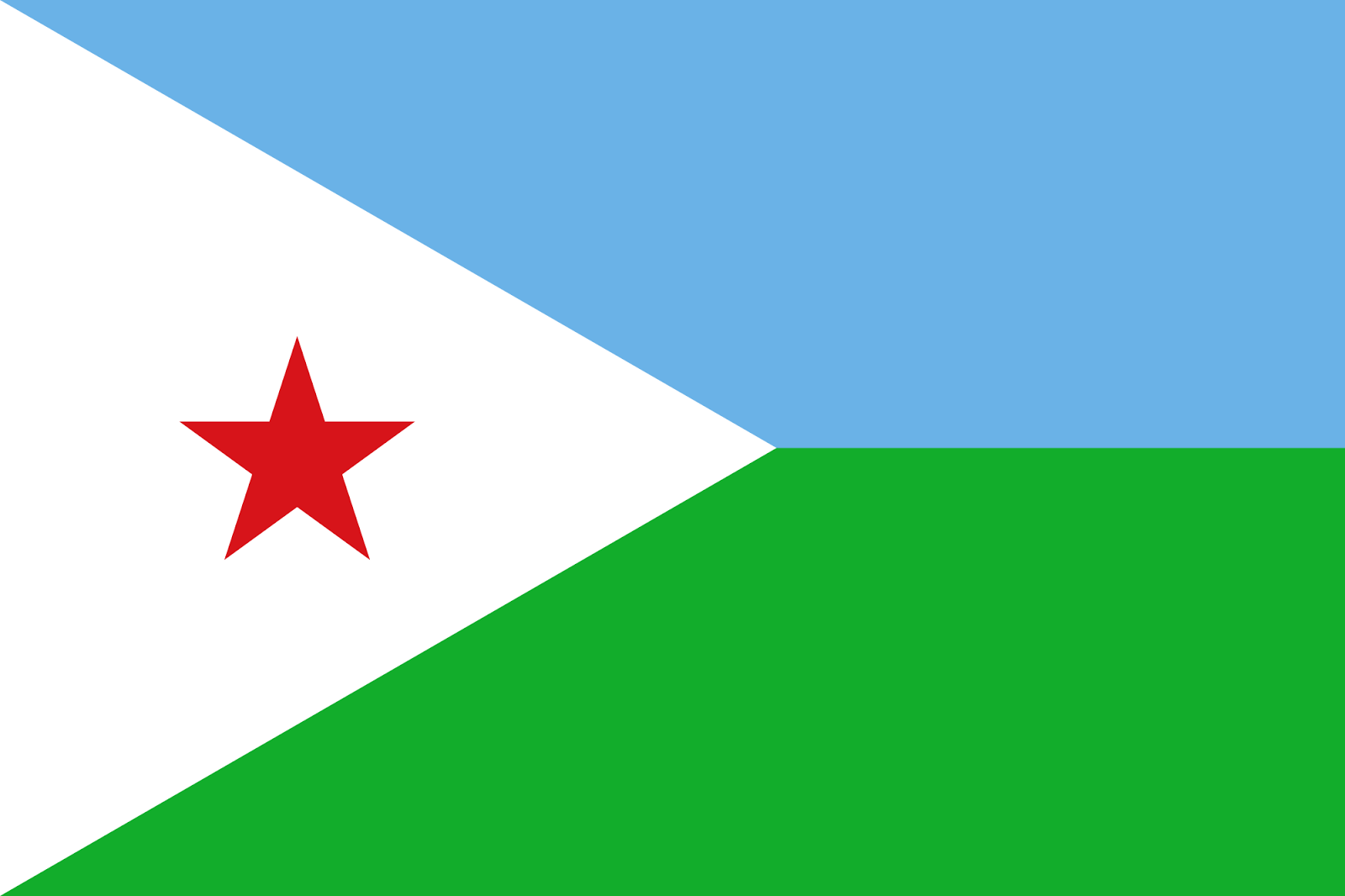
(Djibouti flag (1977-Present))
Hassan Gouled Aptidon became the 1st president.
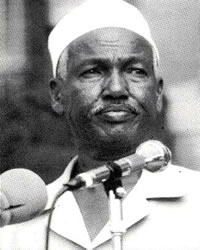
(Hassan Gouled Aptidon)
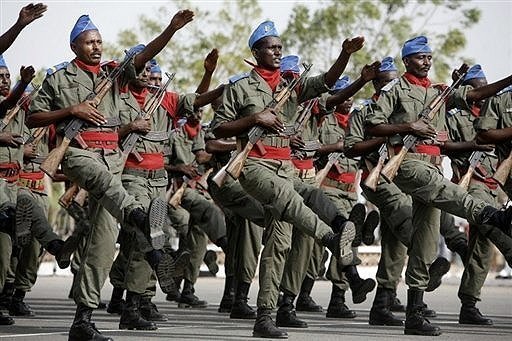
Djibouti joined the Organization of African Unity, the Arab League and United Nations. In 1986 the nascent republic was also among the founding members of the Intergovernmental Authority on Development regional development organization. In the early 1990s tensions over government representation led to armed conflict between Djibouti's ruling People's Rally for Progress (PRP) party and the Front for the Restoration of Unity and Democracy (FRUD) opposition group.
(FRUD soldiers)
In 2000 the impasse ended in a power sharing agreement. In 2010 Ismail Omar Guelleh became president.
(Ismail Omar Guelleh)
Today marks the 40th anniversary of Djibouti’s independence and we would like to say happy independence day Djibouti.

Videos of Djibouti Independence

Tuesday, March 14, 2017

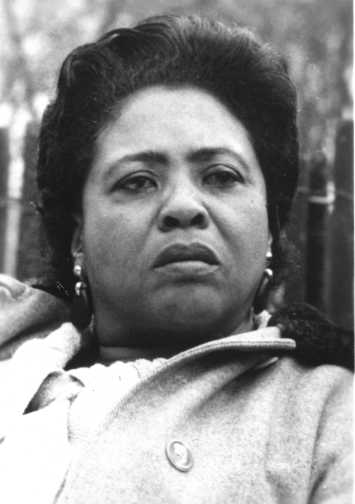
Anniversary of Fannie Lou Hamer's Death

“Nobody's free until everybody's free” - Fannie Lou Hamer
(Fannie Lou Hamer)
Fannie Lou Hamer was born as Fannie Lou Townsend on October 6th, 1917 in Montgomery County, Mississippi, USA. In 1919 her family moved to Sunflower County, MS. At the age of 6 Townsend picked cotton with her family to make money. She went to school from 1924 to 1930 when she had to drop out. By 1930 at the age of 13 she could pick 200 to 300 pounds of cotton a day. In 1944 Townsend was selected to be the plantation's time and record keeper. In 1945 she married Perry Hamer. She then changed her last name to Hamer. They worked together on the plantation for the next 18 years. In the 1950’s Hamer attended several annual conferences of the Regional Council of Negro Leadership (RCNL). The annual RCNL conferences featured entertainers such as Mahalia Jackson and speakers such as Thurgood Marshall. In 1961 Hamer had surgery to remove a tumor but during the surgery she was given a hysterectomy without her consent by a white doctor as a part of the state of Mississippi's plan to reduce the number of poor blacks in the state. In 1962 she traveled on a rented bus with attendees of member of SNCC’s Rev. Bevel to Indianola, MS to register to vote. Hamer was then recruited to SNCC and she began traveling around the South doing activist work for the organization.
(Hamer in 1962)
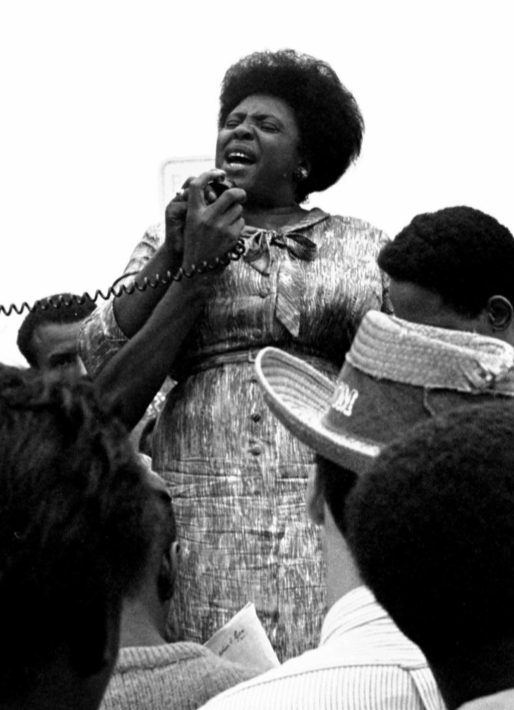
On June 9, 1963, Hamer was on her way back from Charleston, SC with other activists from a literacy workshop they Stopped in Winona, MS, and the group was arrested on a false charge and jailed. The whole group including Hamer were beat by the police almost fatally. It took her over a month to recover and left profound physical and psychological effects. Hamer then returned to Mississippi to organize voter registration drives, including the "Freedom Ballot Campaign", a mock election, in 1963, and the "Freedom Summer" initiative in 1964.
(Hamer in 1963)
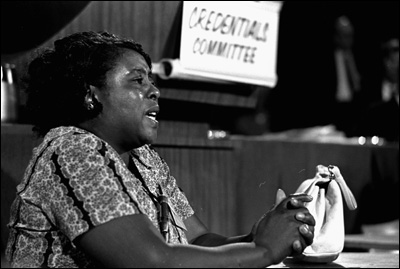
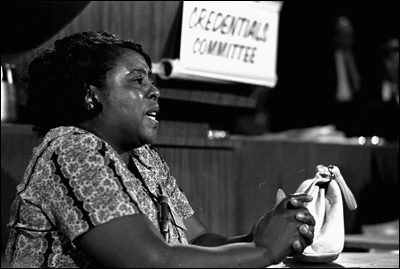
In 1964 Hamer was elected Vice Chair of the Mississippi Freedom Democratic Party. Hamer who sang her signature hymns, drew a great deal of attention from the media. Hamer recounted the problems she had encountered in registration, and the ordeal of the jail in Winona to the Convention's Credentials Committee. President Johnson being fearful of the power of Hamer's testimony on live television called an emergency press conference in an effort to divert press coverage from Hamer.
(Hamer in 1964)
In 1964 and 1965 Hamer ran for Congress, but did not win. Hamer also worked on other projects such as grassroots-level Head Start programs, the Freedom Farm Cooperative in Sunflower County, and Martin Luther King, Jr.'s Poor People's Campaign.
(Hamer (Middle) in 1971)
In 1972 Hamer was elected as a national party delegate of the Mississippi Freedom Democratic Party.
(Hamer in 1972)
On March 14th, 1977 Fannie Lou Hamer died of hypertension and breast cancer in Mound Bayou, Mississippi. She was 59 years old. Today is the 40th anniversary of her death. Take time to remember this great civil rights activist today.

Videos of Fannie Lou Hamer

Tuesday, December 27, 2016

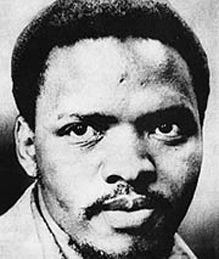
Happy Birthday Steve Biko

“The most potent weapon in the hands of the oppressor is the mind of the oppressed” - Steve Biko
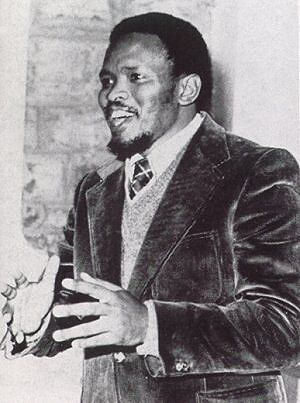
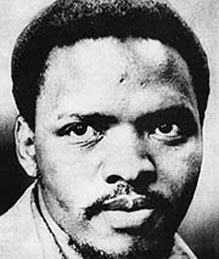
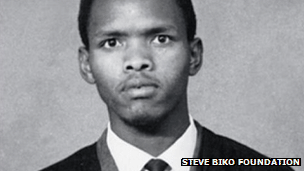
Image result for steve biko(Steve Biko)
Steve Biko was born as Stephen Biko on December 18th, 1946 in Ginsberg Township, South Africa. In 1950 his father died. In 1964 he attended a prestigious boarding school in Alice, Eastern Cape. Biko was expelled from the school due to his political views.
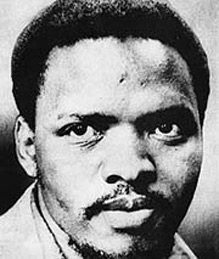
Image result for steve biko young(Biko as a teenager)
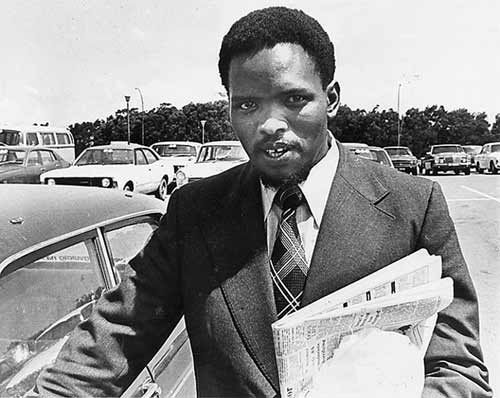
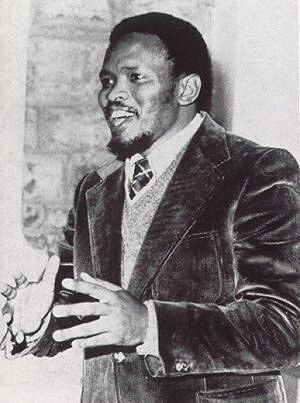
He then attended St. Francis college in Mariannhill, Natal. He studied in the medical field to be a doctor. In the 1960’s Biko was apart of the National Union of South African Students. He later founded the South African Students' Organization (SASO). In 1968 Biko was elected its president. SASO then evolved into the Black Consciousness Movement (BCM).
Image result for steve biko 1968(Biko on 1968)
In 1970 he married Ntsiki Mashalaba. In 1972 he was expelled from St. Francis for his political views.
Image result for steve biko 1972(Biko in 1972)
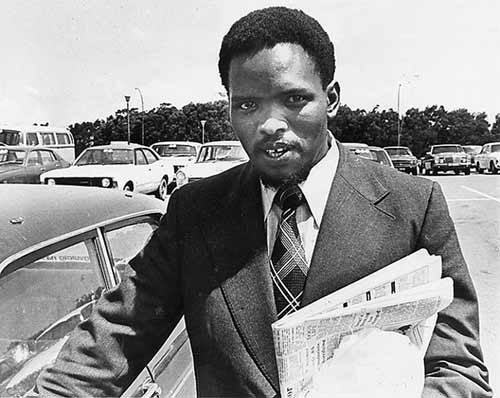
In 1973 the Apartheid government banned him from speaking to more than 1 person at a time in public. In 1976 he organized protests in Soweto.
Image result for steve biko 1976(Biko in 1976)
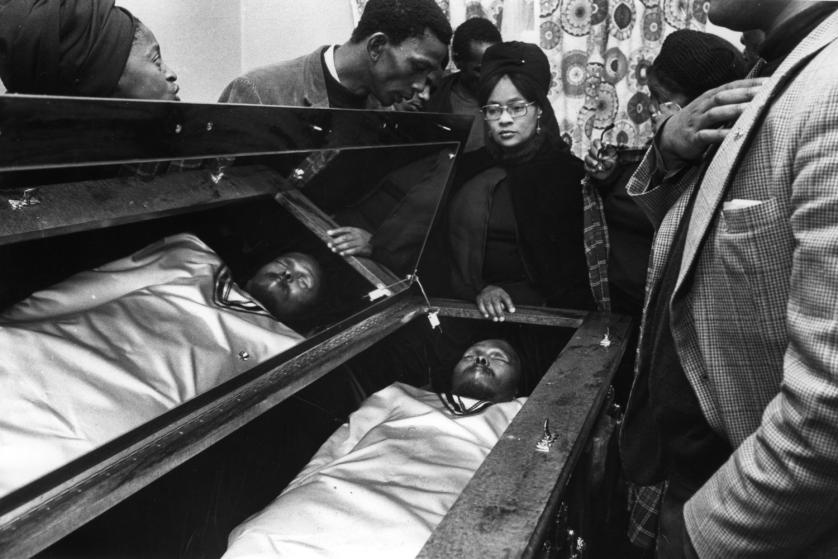
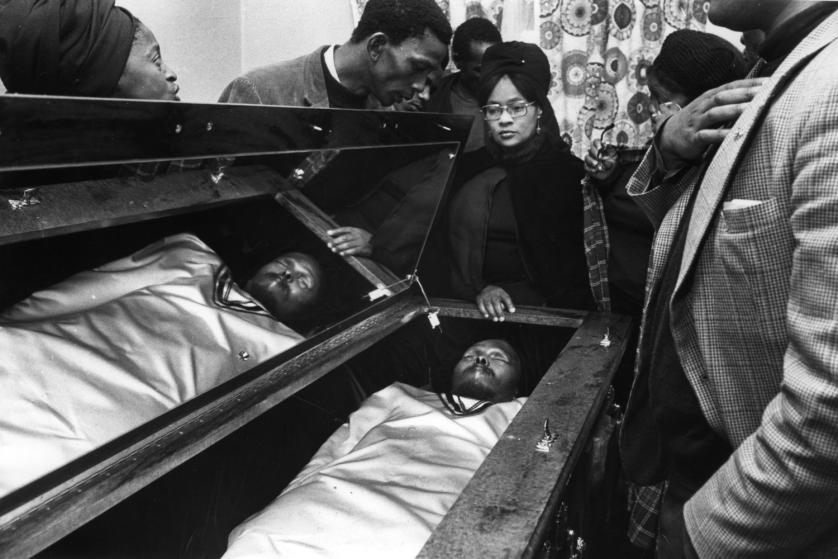
In 1977 Biko was arrested under the Terrorism Act No 83 of 1967. When he was interrogated he was beaten and tortured. They then put him in the back of a police wagon naked and drove him 680 miles to a prison with hospital facilities. On September 12th, 1977 Steve Biko died of his injuries from the police officers in Pretoria, South Africa. He was 30 years old.
Image result for steve biko 1977(Biko’s Funeral)
Today is his 70th birthday and we would all like to say happy birthday and rest in peace Steve Biko.


Videos of Steve Biko


(P.S. sorry for the late post)

Thursday, October 6, 2016

Happy Birthday Fannie Lou Hamer

“Nobody's free until everybody's free” - Fannie Lou Hamer
(Fannie Lou Hamer)
Fannie Lou Hamer was born as Fannie Lou Townsend on October 6th, 1917 in Montgomery County, Mississippi, USA. In 1919 her family moved to Sunflower County, MS. At the age of 6 Townsend picked cotton with her family to make money. She went to school from 1924 to 1930 when she had to drop out. By 1930 at the age of 13 she could pick 200 to 300 pounds of cotton a day. In 1944 Townsend was selected to be the plantation's time and record keeper. In 1945 she married Perry Hamer. She then changed her last name to Hamer. They worked together on the plantation for the next 18 years. In the 1950’s Hamer attended several annual conferences of the Regional Council of Negro Leadership (RCNL). The annual RCNL conferences featured entertainers such as Mahalia Jackson and speakers such as Thurgood Marshall. In 1961 Hamer had surgery to remove a tumor but during the surgery she was given a hysterectomy without her consent by a white doctor as a part of the state of Mississippi's plan to reduce the number of poor blacks in the state. In 1962 she traveled on a rented bus with attendees of member of SNCC’s Rev. Bevel to Indianola, MS to register to vote. Hamer was then recruited to SNCC and she began traveling around the South doing activist work for the organization.
(Hamer protesting)
On June 9, 1963, Hamer was on her way back from Charleston, SC with other activists from a literacy workshop they Stopped in Winona, MS, and the group was arrested on a false charge and jailed. The whole group including Hamer were beat by the police almost fatally. It took her over a month to recover and left profound physical and psychological effects. Hamer then returned to Mississippi to organize voter registration drives, including the "Freedom Ballot Campaign", a mock election, in 1963, and the "Freedom Summer" initiative in 1964.
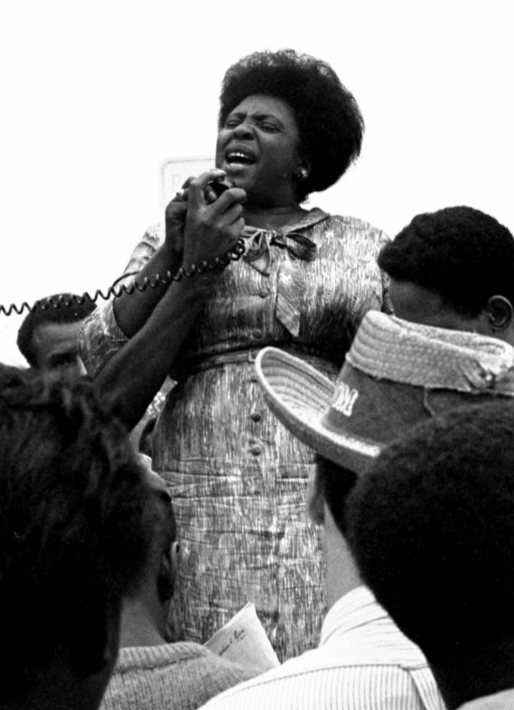
(Hamer speaking in front of a crowd)
In 1964 Hamer was elected Vice Chair of the Mississippi Freedom Democratic Party. Hamer who sang her signature hymns, drew a great deal of attention from the media. Hamer recounted the problems she had encountered in registration, and the ordeal of the jail in Winona to the Convention's Credentials Committee. President Johnson being fearful of the power of Hamer's testimony on live television called an emergency press conference in an effort to divert press coverage from Hamer.


(Hamer speaking in 1964)
In 1964 and 1965 Hamer ran for Congress, but did not win. Hamer also worked on other projects such as grassroots-level Head Start programs, the Freedom Farm Cooperative in Sunflower County, and Martin Luther King, Jr.'s Poor People's Campaign.
(Hamer (Middle) on Tougaloo College campus in 1971)
In 1972 Hamer was elected as a national party delegate of the Mississippi Freedom Democratic Party.
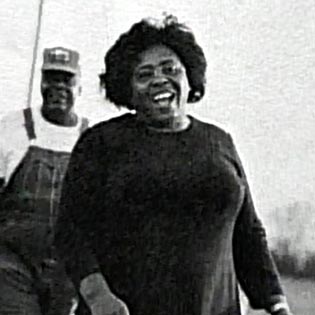
(Hamer in the 1970’s)
On March 14th, 1977 Fannie Lou Hamer died of hypertension and breast cancer in Mound Bayou, Mississippi. She was 59 years old. Today is her 99th birthday and we would all like to say happy birthday and rest in peace Fannie Lou Hamer.

Videos of Fannie Lou Hamer

Monday, September 12, 2016

Anniversary of Steve Biko's Death

“The most potent weapon in the hands of the oppressor is the mind of the oppressed” - Steve Biko
Image result for steve biko(Steve Biko)
Steve Biko was born as Stephen Biko on December 18th, 1946 in Ginsberg Township, South Africa. In 1950 his father died. In 1964 he attended a prestigious boarding school in Alice, Eastern Cape. Biko was expelled from the school due to his political views.
Image result for steve biko young(Biko as a teenager)
He then attended St. Francis college in Mariannhill, Natal. He studied in the medical field to be a doctor. In the 1960’s Biko was apart of the National Union of South African Students. He later founded the South African Students' Organization (SASO). In 1968 Biko was elected its president. SASO then evolved into the Black Consciousness Movement (BCM).
Image result for steve biko 1968(Biko on 1968)
In 1970 he married Ntsiki Mashalaba. In 1972 he was expelled from St. Francis for his political views.
Image result for steve biko 1972(Biko in 1972)
In 1973 the Apartheid government banned him from speaking to more than 1 person at a time in public. In 1976 he organized protests in Soweto.
Image result for steve biko 1976(Biko in 1976)
In 1977 Biko was arrested under the Terrorism Act No 83 of 1967. When he was interrogated he was beaten and tortured. They then put him in the back of a police wagon naked and drove him 680 miles to a prison with hospital facilities. On September 12th, 1977 Steve Biko died of his injuries from the police officers in Pretoria, South Africa. He was 30 years old.
Image result for steve biko 1977(Biko’s Funeral)
Today is the 39th anniversary of his death. Take time to remember this great activist today.


Videos of Steve Biko

Monday, June 27, 2016

Happy Independence Day Djibouti


“A wound inflicted by a friend does not heal” - Djiboutian Proverb
(Djibouti flag (1977-Present))
Djibouti is located in the Horn of Africa.
(Map of where Djibouti is located)
Its capital is Djibouti City. Djibouti City is also its largest city. The official languages are French and Arabic. The country is 8,958 square miles. Djibouti is 96% African, 3% Asian and 1% European. 94% of Djibouti practices Islam and 6% practice Christianity. The total population is 828,324. The climate is arid in Djibouti. Djibouti is a dominant party semi presidential republic.
(Djibouti City, capital of Djibouti)
Djibouti cuisine consists of Soupe Djiboutienne (spicy boiled beef soup), and yetakelt w'et (spicy mixed vegetable stew).
(Djibouti cuisine)
The major style of music is Balwo.
(Djiboutian man performing Balwo)
Djibouti’s most popular sport is soccer.
(Djibouti’s soccer team)
Humans 1st inhabited Djibouti around the 25th century BC.
(Djibouti ancient drawings)
Djibouti was 1st called Punt. King Parahu and Queen Ati ruled Punt.
(A drawing of Queen Ati (Middle) and King Parahu (Right))
In 1285 the Walashma dynasty took control.
(Warriors of the Walashma dynasty)
In 1862 the name was changed to Obock. It was also ruled by Somali and Afar Sultans.
(An Afar man)
In 1883 France colonized the country.
(Flag of Djibouti (1883-1977))
France then named the country French Somaliland. In 1958 a referendum was held in French Somaliland to decide whether to join the Somali Republic or to remain with France.The referendum turned out in favour of a continued association with France, partly due to a combined yes vote by the sizable Afar ethnic group and resident Europeans. In 1967 it was renamed French Territory of the Afars and the Issas. Also in 1967 a 2nd referendum was held in Djibouti to decide whether to join the Somali Republic or to remain with France. The country sided with staying with France. In 1977 a third referendum took place. A landslide 98.8% of the electorate supported disengagement from France. On June 27th, 1977 Djibouti gained its independence.
(Djibouti flag (1977-Present))
Hassan Gouled Aptidon became the 1st president.
(Hassan Gouled Aptidon)
Djibouti joined the Organization of African Unity, the Arab League and United Nations. In 1986 the nascent republic was also among the founding members of the Intergovernmental Authority on Development regional development organization. In the early 1990s tensions over government representation led to armed conflict between Djibouti's ruling People's Rally for Progress (PRP) party and the Front for the Restoration of Unity and Democracy (FRUD) opposition group.
(FRUD soldiers)
In 2000 the impasse ended in a power sharing agreement. In 2010 Ismail Omar Guelleh became president.
(Ismail Omar Guelleh)
Today marks the 39th anniversary of Djibouti’s independence and we would like to say happy independence day Djibouti.
 
 
Videos of Djibouti Independence