Crate Diggers: RCNL
Showing posts with label RCNL. Show all posts

Tuesday, July 4, 2017

Happy Birthday Medgar Evers

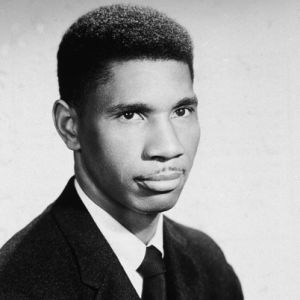
“You can kill a man but you can't kill an idea” - Medgar Evers
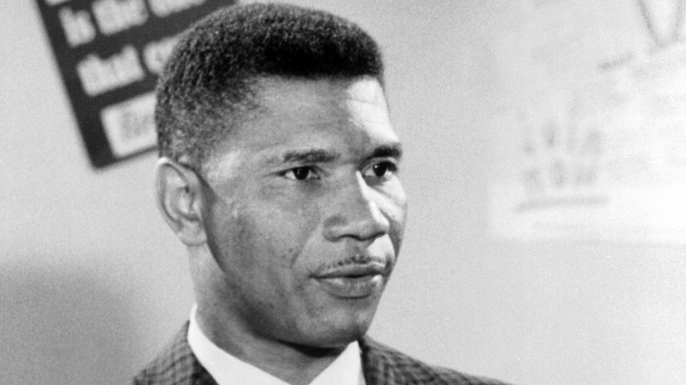
(Medgar Evers)
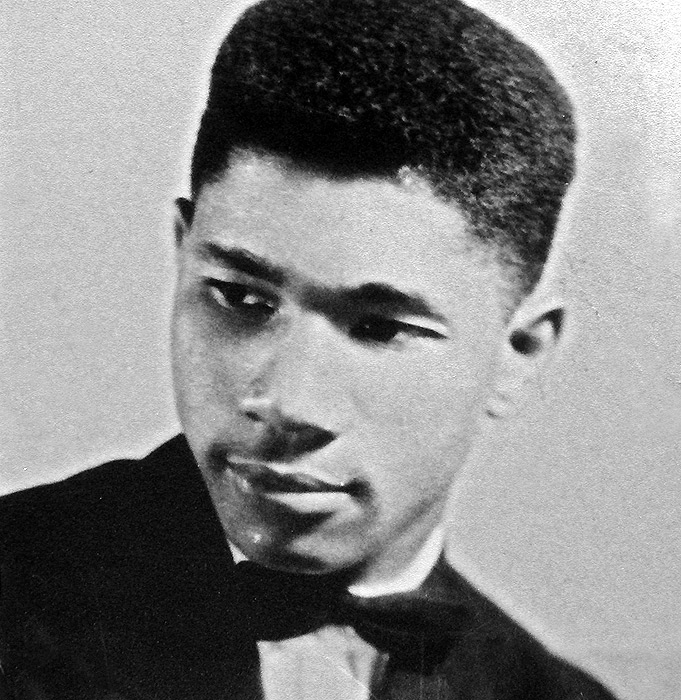
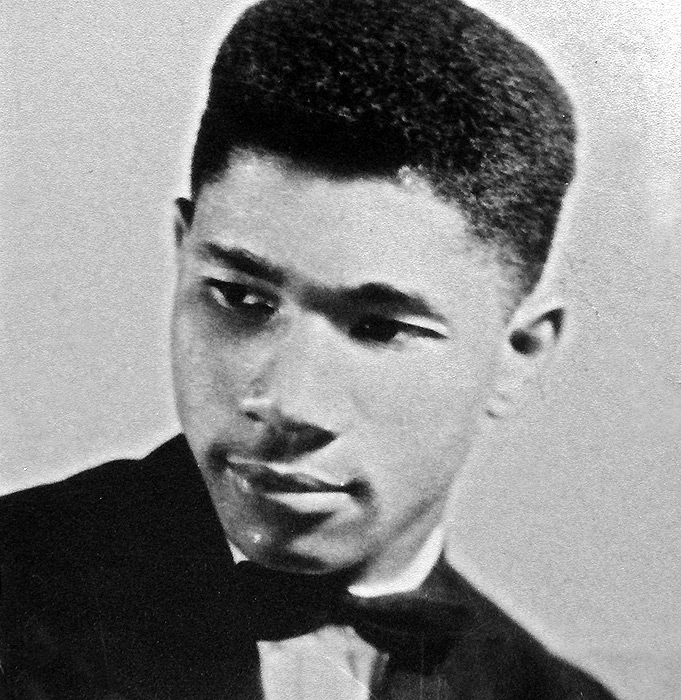
Medgar Evers was born on July 2nd, 1925 in Decatur, Mississippi, USA. Evers had to walk 12 miles to attend the closest colored school.
(Evers as a young man)
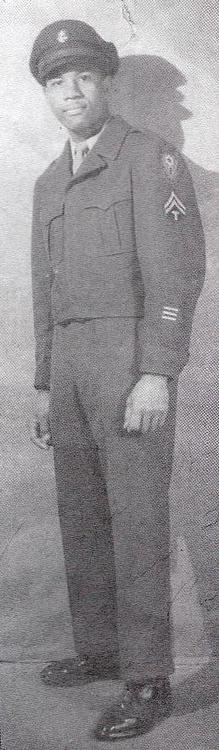
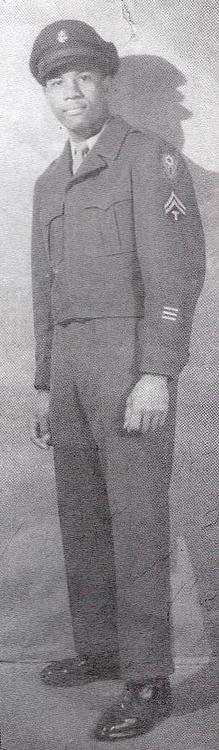
In 1943 Evers entered the Army. He fought in the battle of Normandy. In 1945 Evers was honorably discharged as a sergeant.
(Evers in the Army)
In 1948 Evers enrolled at Alcorn College. In 1951 he married Myrlie Beasley.
(Evers (Left) and his wife Myrlie Beasley (Right))
In 1952 he earned his bachelor's degree. They moved to Mound Bayou, MS. Evers became a salesman for T. R. M. Howard's Magnolia Mutual Life Insurance Company. Evers helped organize the RCNL's boycott of gasoline stations that denied blacks the use of the stations' restrooms.
(Evers during the boycott)
In 1954 Evers applied to the segregated University of Mississippi Law School, but his application was rejected because of his race. Also in 1954 Evers was named the NAACP's first field secretary for Mississippi.
(Evers (Center) as part of the N.A.A.C.P.)
In 1963 White supremacists threw a Molotov cocktail at Evers’ house. Also in 1963 Evers was nearly run down by a car after he emerged from the NAACP office in Jackson, MS.
(Evers in 1963)
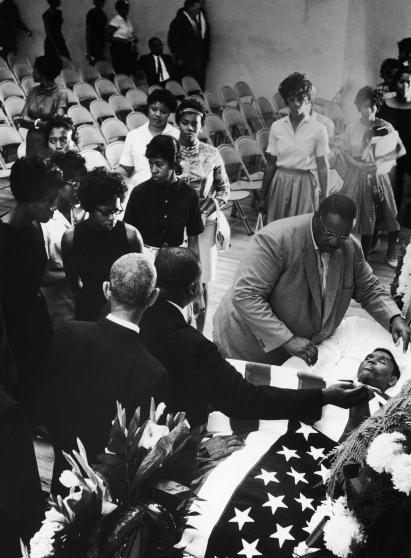
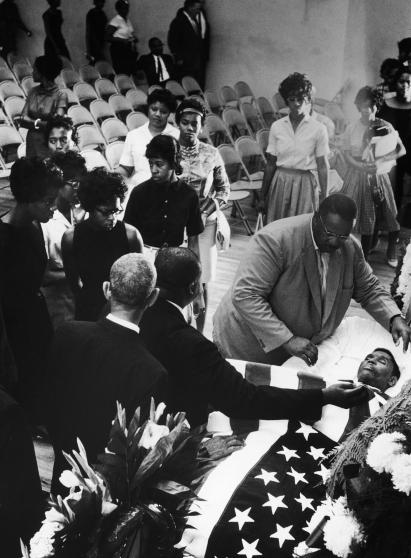
On June 12th, 1963 Medgar Evers died of a bullet in the back from White supremacists in Jackson, Mississippi, USA. He was 37 years old.
(Evers’ funeral)
Today is his 92nd birthday and we would all like to say happy birthday and rest in peace Medgar Evers.

Videos of Medgar Evers


Tuesday, June 13, 2017

Anniversary of Medgar Evers' Death

“You can kill a man but you can't kill an idea” - Medgar Evers
(Medgar Evers)
Medgar Evers was born on July 2nd, 1925 in Decatur, Mississippi, USA. Evers had to walk 12 miles to attend the closest colored school.
(Evers as a young man)
In 1943 Evers entered the Army. He fought in the battle of Normandy. In 1945 Evers was honorably discharged as a sergeant.
(Evers in the Army)
In 1948 Evers enrolled at Alcorn College. In 1951 he married Myrlie Beasley.
(Evers (Left) and his wife Myrlie Beasley (Right))
In 1952 he earned his bachelor's degree. They moved to Mound Bayou, MS. Evers became a salesman for T. R. M. Howard's Magnolia Mutual Life Insurance Company. Evers helped organize the RCNL's boycott of gasoline stations that denied blacks the use of the stations' restrooms.
(Evers during the boycott)
In 1954 Evers applied to the segregated University of Mississippi Law School, but his application was rejected because of his race. Also in 1954 Evers was named the NAACP's first field secretary for Mississippi.
(Evers (Center) as part of the N.A.A.C.P.)
In 1963 White supremacists threw a Molotov cocktail at Evers’ house. Also in 1963 Evers was nearly run down by a car after he emerged from the NAACP office in Jackson, MS.
(Evers in 1963)
On June 12th, 1963 Medgar Evers died of a bullet in the back from White supremacists in Jackson, Mississippi, USA. He was 37 years old.
(Evers’ funeral)
Today is the 54th anniversary of his death. Take time to remember this great activist today.

Videos of Medgar Evers

Tuesday, March 14, 2017

Anniversary of Fannie Lou Hamer's Death

“Nobody's free until everybody's free” - Fannie Lou Hamer
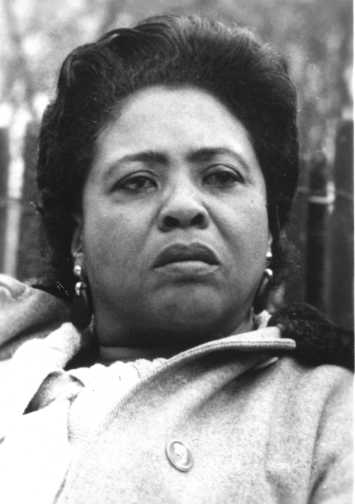
(Fannie Lou Hamer)
Fannie Lou Hamer was born as Fannie Lou Townsend on October 6th, 1917 in Montgomery County, Mississippi, USA. In 1919 her family moved to Sunflower County, MS. At the age of 6 Townsend picked cotton with her family to make money. She went to school from 1924 to 1930 when she had to drop out. By 1930 at the age of 13 she could pick 200 to 300 pounds of cotton a day. In 1944 Townsend was selected to be the plantation's time and record keeper. In 1945 she married Perry Hamer. She then changed her last name to Hamer. They worked together on the plantation for the next 18 years. In the 1950’s Hamer attended several annual conferences of the Regional Council of Negro Leadership (RCNL). The annual RCNL conferences featured entertainers such as Mahalia Jackson and speakers such as Thurgood Marshall. In 1961 Hamer had surgery to remove a tumor but during the surgery she was given a hysterectomy without her consent by a white doctor as a part of the state of Mississippi's plan to reduce the number of poor blacks in the state. In 1962 she traveled on a rented bus with attendees of member of SNCC’s Rev. Bevel to Indianola, MS to register to vote. Hamer was then recruited to SNCC and she began traveling around the South doing activist work for the organization.
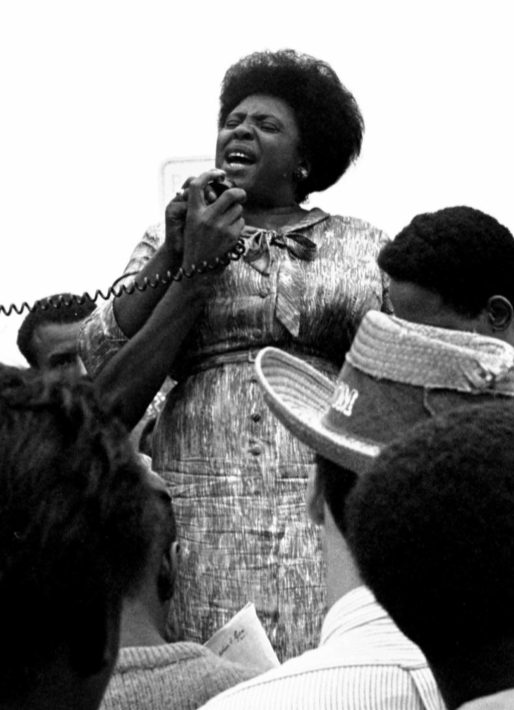
(Hamer in 1962)
On June 9, 1963, Hamer was on her way back from Charleston, SC with other activists from a literacy workshop they Stopped in Winona, MS, and the group was arrested on a false charge and jailed. The whole group including Hamer were beat by the police almost fatally. It took her over a month to recover and left profound physical and psychological effects. Hamer then returned to Mississippi to organize voter registration drives, including the "Freedom Ballot Campaign", a mock election, in 1963, and the "Freedom Summer" initiative in 1964.
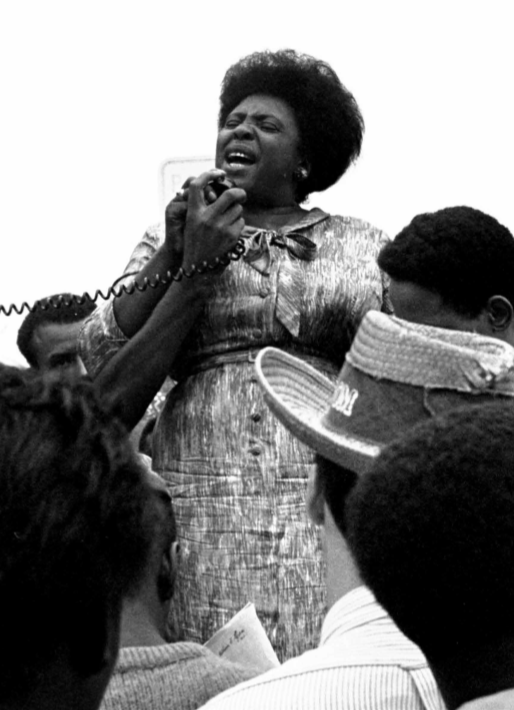
(Hamer in 1963)
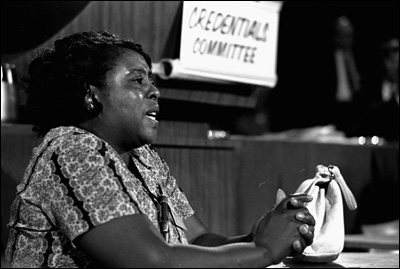
In 1964 Hamer was elected Vice Chair of the Mississippi Freedom Democratic Party. Hamer who sang her signature hymns, drew a great deal of attention from the media. Hamer recounted the problems she had encountered in registration, and the ordeal of the jail in Winona to the Convention's Credentials Committee. President Johnson being fearful of the power of Hamer's testimony on live television called an emergency press conference in an effort to divert press coverage from Hamer.
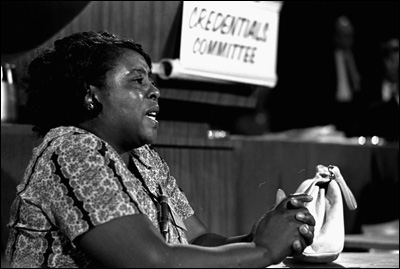
(Hamer in 1964)
In 1964 and 1965 Hamer ran for Congress, but did not win. Hamer also worked on other projects such as grassroots-level Head Start programs, the Freedom Farm Cooperative in Sunflower County, and Martin Luther King, Jr.'s Poor People's Campaign.
(Hamer (Middle) in 1971)
In 1972 Hamer was elected as a national party delegate of the Mississippi Freedom Democratic Party.
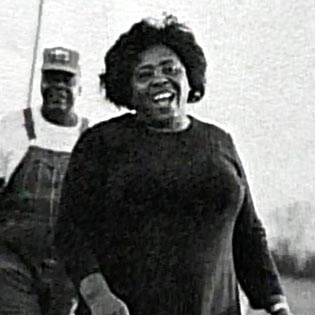
(Hamer in 1972)
On March 14th, 1977 Fannie Lou Hamer died of hypertension and breast cancer in Mound Bayou, Mississippi. She was 59 years old. Today is the 40th anniversary of her death. Take time to remember this great civil rights activist today.

Videos of Fannie Lou Hamer

Thursday, October 6, 2016

Happy Birthday Fannie Lou Hamer

“Nobody's free until everybody's free” - Fannie Lou Hamer
(Fannie Lou Hamer)
Fannie Lou Hamer was born as Fannie Lou Townsend on October 6th, 1917 in Montgomery County, Mississippi, USA. In 1919 her family moved to Sunflower County, MS. At the age of 6 Townsend picked cotton with her family to make money. She went to school from 1924 to 1930 when she had to drop out. By 1930 at the age of 13 she could pick 200 to 300 pounds of cotton a day. In 1944 Townsend was selected to be the plantation's time and record keeper. In 1945 she married Perry Hamer. She then changed her last name to Hamer. They worked together on the plantation for the next 18 years. In the 1950’s Hamer attended several annual conferences of the Regional Council of Negro Leadership (RCNL). The annual RCNL conferences featured entertainers such as Mahalia Jackson and speakers such as Thurgood Marshall. In 1961 Hamer had surgery to remove a tumor but during the surgery she was given a hysterectomy without her consent by a white doctor as a part of the state of Mississippi's plan to reduce the number of poor blacks in the state. In 1962 she traveled on a rented bus with attendees of member of SNCC’s Rev. Bevel to Indianola, MS to register to vote. Hamer was then recruited to SNCC and she began traveling around the South doing activist work for the organization.
(Hamer protesting)
On June 9, 1963, Hamer was on her way back from Charleston, SC with other activists from a literacy workshop they Stopped in Winona, MS, and the group was arrested on a false charge and jailed. The whole group including Hamer were beat by the police almost fatally. It took her over a month to recover and left profound physical and psychological effects. Hamer then returned to Mississippi to organize voter registration drives, including the "Freedom Ballot Campaign", a mock election, in 1963, and the "Freedom Summer" initiative in 1964.
(Hamer speaking in front of a crowd)
In 1964 Hamer was elected Vice Chair of the Mississippi Freedom Democratic Party. Hamer who sang her signature hymns, drew a great deal of attention from the media. Hamer recounted the problems she had encountered in registration, and the ordeal of the jail in Winona to the Convention's Credentials Committee. President Johnson being fearful of the power of Hamer's testimony on live television called an emergency press conference in an effort to divert press coverage from Hamer.


(Hamer speaking in 1964)
In 1964 and 1965 Hamer ran for Congress, but did not win. Hamer also worked on other projects such as grassroots-level Head Start programs, the Freedom Farm Cooperative in Sunflower County, and Martin Luther King, Jr.'s Poor People's Campaign.
(Hamer (Middle) on Tougaloo College campus in 1971)
In 1972 Hamer was elected as a national party delegate of the Mississippi Freedom Democratic Party.
(Hamer in the 1970’s)
On March 14th, 1977 Fannie Lou Hamer died of hypertension and breast cancer in Mound Bayou, Mississippi. She was 59 years old. Today is her 99th birthday and we would all like to say happy birthday and rest in peace Fannie Lou Hamer.

Videos of Fannie Lou Hamer

Tuesday, July 5, 2016

Happy Birthday Medgar Evers

“You can kill a man but you can't kill an idea” - Medgar Evers

(Medgar Evers)
Medgar Evers was born on July 2nd, 1925 in Decatur, Mississippi, USA. Evers had to walk 12 miles to attend the closest colored school.
(Evers as a young man)
In 1943 Evers entered the Army. He fought in the battle of Normandy. In 1945 Evers was honorably discharged as a sergeant.
(Evers in the Army)
In 1948 Evers enrolled at Alcorn College. In 1951 he married Myrlie Beasley.
(Evers (Left) and his wife Myrlie Beasley (Right))
In 1952 he earned his bachelor's degree. They moved to Mound Bayou, MS. Evers became a salesman for T. R. M. Howard's Magnolia Mutual Life Insurance Company. Evers helped organize the RCNL's boycott of gasoline stations that denied blacks the use of the stations' restrooms.
(Evers during the boycott)
In 1954 Evers applied to the segregated University of Mississippi Law School, but his application was rejected because of his race. Also in 1954 Evers was named the NAACP's first field secretary for Mississippi.
(Evers (Center) as part of the N.A.A.C.P.)
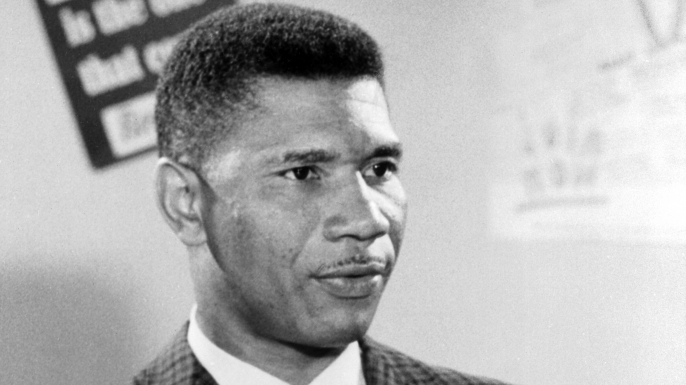
In 1963 White supremacists threw a Molotov cocktail at Evers’ house. Also in 1963 Evers was nearly run down by a car after he emerged from the NAACP office in Jackson, MS.
(Evers in 1963)
On June 12th, 1963 Medgar Evers died of a bullet in the back from White supremacists in Jackson, Mississippi, USA. He was 37 years old.
(Evers’ funeral)
Today is his 91st birthday and we would all like to say happy birthday and rest in peace Medgar Evers.


Videos of Medgar Evers


(P.S. sorry for the late post)


Sunday, June 12, 2016

Anniversary of Medgar Evers' Death

“You can kill a man but you can't kill an idea” - Medgar Evers
(Medgar Evers)
Medgar Evers was born on July 2nd, 1925 in Decatur, Mississippi, USA. Evers had to walk 12 miles to attend the closest colored school.
(Evers as a young man)
In 1943 Evers entered the Army. He fought in the battle of Normandy. In 1945 Evers was honorably discharged as a sergeant.
(Evers in the Army)
In 1948 Evers enrolled at Alcorn College. In 1951 he married Myrlie Beasley.
(Evers (Left) and his wife Myrlie Beasley (Right))
In 1952 he earned his bachelor's degree. They moved to Mound Bayou, MS. Evers became a salesman for T. R. M. Howard's Magnolia Mutual Life Insurance Company. Evers helped organize the RCNL's boycott of gasoline stations that denied blacks the use of the stations' restrooms.
(Evers during the boycott)
In 1954 Evers applied to the segregated University of Mississippi Law School, but his application was rejected because of his race. Also in 1954 Evers was named the NAACP's first field secretary for Mississippi.
(Evers (Center) as part of the N.A.A.C.P.)
In 1963 White supremacists threw a Molotov cocktail at Evers’ house. Also in 1963 Evers was nearly run down by a car after he emerged from the NAACP office in Jackson, MS.
(Evers in 1963)
On June 12th, 1963 Medgar Evers died of a bullet in the back from White supremacists in Jackson, Mississippi, USA. He was 37 years old.
(Evers’ funeral)
Today is the 53rd anniversary of his death. Take time to remember this great activist today.


Videos of Medgar Evers

Monday, March 14, 2016

Anniversary of Fannie Lou Hamer's Death

“Nobody's free until everybody's free” - Fannie Lou Hamer
(Fannie Lou Hamer)
Fannie Lou Hamer was born as Fannie Lou Townsend on October 6th, 1917 in Montgomery County, Mississippi, USA. In 1919 her family moved to Sunflower County, MS. At the age of 6 Townsend picked cotton with her family to make money. She went to school from 1924 to 1930 when she had to drop out. By 1930 at the age of 13 she could pick 200 to 300 pounds of cotton a day. In 1944 Townsend was selected to be the plantation's time and record keeper. In 1945 she married Perry Hamer. She then changed her last name to Hamer. They worked together on the plantation for the next 18 years. In the 1950’s Hamer attended several annual conferences of the Regional Council of Negro Leadership (RCNL). The annual RCNL conferences featured entertainers such as Mahalia Jackson and speakers such as Thurgood Marshall. In 1961 Hamer had surgery to remove a tumor but during the surgery she was given a hysterectomy without her consent by a white doctor as a part of the state of Mississippi's plan to reduce the number of poor blacks in the state. In 1962 she traveled on a rented bus with attendees of member of SNCC’s Rev. Bevel to Indianola, MS to register to vote. Hamer was then recruited to SNCC and she began traveling around the South doing activist work for the organization.
(Hamer protesting)
On June 9, 1963, Hamer was on her way back from Charleston, SC with other activists from a literacy workshop they Stopped in Winona, MS, and the group was arrested on a false charge and jailed. The whole group including Hamer were beat by the police almost fatally. It took her over a month to recover and left profound physical and psychological effects. Hamer then returned to Mississippi to organize voter registration drives, including the "Freedom Ballot Campaign", a mock election, in 1963, and the "Freedom Summer" initiative in 1964.
(Hamer speaking in front of a crowd)
In 1964 Hamer was elected Vice Chair of the Mississippi Freedom Democratic Party. Hamer who sang her signature hymns, drew a great deal of attention from the media. Hamer recounted the problems she had encountered in registration, and the ordeal of the jail in Winona to the Convention's Credentials Committee. President Johnson being fearful of the power of Hamer's testimony on live television called an emergency press conference in an effort to divert press coverage from Hamer.


(Hamer speaking in 1964)
In 1964 and 1965 Hamer ran for Congress, but did not win. Hamer also worked on other projects such as grassroots-level Head Start programs, the Freedom Farm Cooperative in Sunflower County, and Martin Luther King, Jr.'s Poor People's Campaign.
(Hamer (Middle) on Tougaloo College campus in 1971)
In 1972 Hamer was elected as a national party delegate of the Mississippi Freedom Democratic Party.
(Hamer in the 1970’s)
On March 14th, 1977 Fannie Lou Hamer died of hypertension and breast cancer in Mound Bayou, Mississippi. She was 59 years old. Today is the 39th anniversary of her death. Take time to remember this great civil rights activist today.


Videos of Fannie Lou Hamer