Crate Diggers: SNCC
Showing posts with label SNCC. Show all posts

Sunday, July 2, 2017

Happy Birthday Stokely Carmichael

“Our grandfathers had to run, run, run. My generation's out of breath. We ain't running no more” - Stokely Carmichael
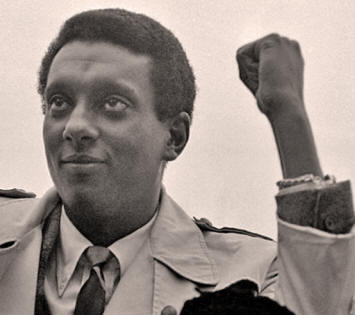
(Stokely Carmichael)
Stokely Carmichael was born on June 29th, 1941 in Port of Spain, Trinidad and Tobago. In 1952 he moved to Harlem, NY, USA. He then moved to the East Bronx. He attended Bronx High School of Science. In 1960 he attended Howard university.
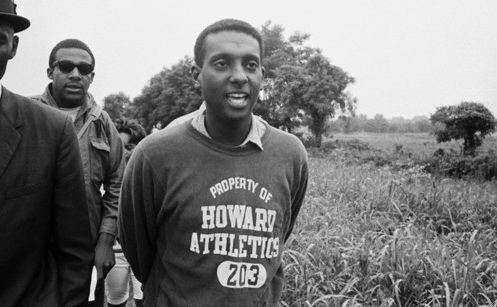
(Carmichael in 1960)
While at Howard he joined Nonviolent Action Group (NAG). In 1961 he participated in the Freedom Rides of the Congress of Racial Equality (CORE). With 8 other activists Carmichael traveled by train from New Orleans, Louisiana, to Jackson, Mississippi, to integrate the formerly "white" section on the train. they encountered white protestors blocking the way. The activists were charged with disturbing the peace, arrested and taken to jail. He served 49 days with other activists at the Parchman State Prison Farm.
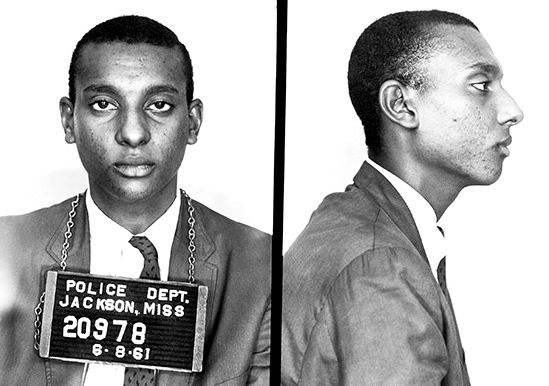
(Carmichael's mugshot)
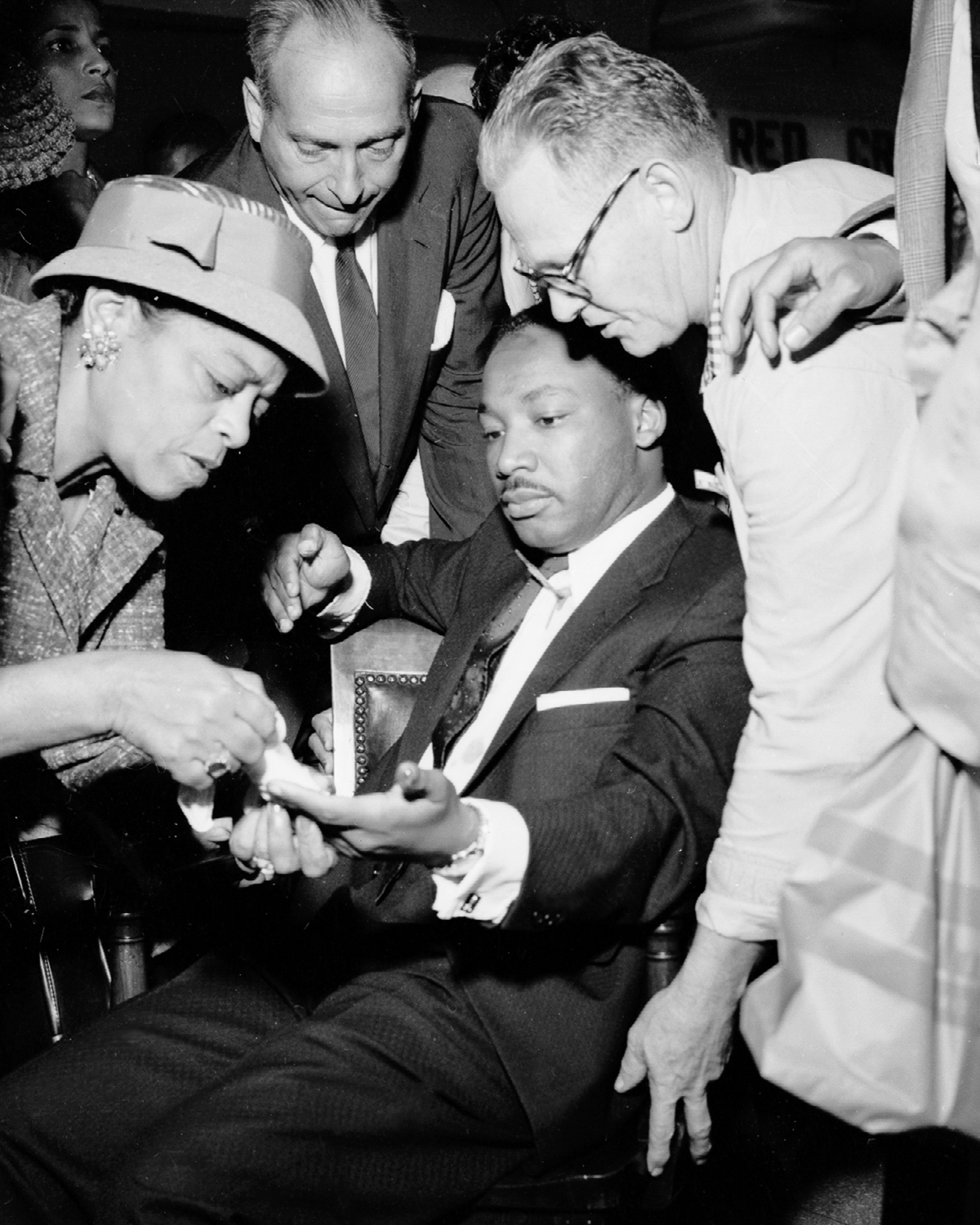
In 1964 he graduated with a philosophy degree. He also joined SNCC. Throughout Freedom Summer, he worked with grassroots African American activists, including Fannie Lou Hamer. During a protest in Maryland Carmichael was hit directly in a chemical gas attack by the National Guard and had to be hospitalized.
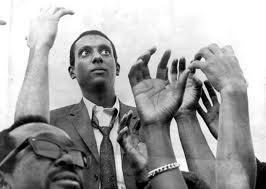
(Carmichael in 1964)
In 1965 he participated in the Selma to Montgomery marches. Also in 1965 working as a SNCC activist in the black majority Lowndes County, Carmichael helped to increase the number of registered black voters from 70 to 2,600.
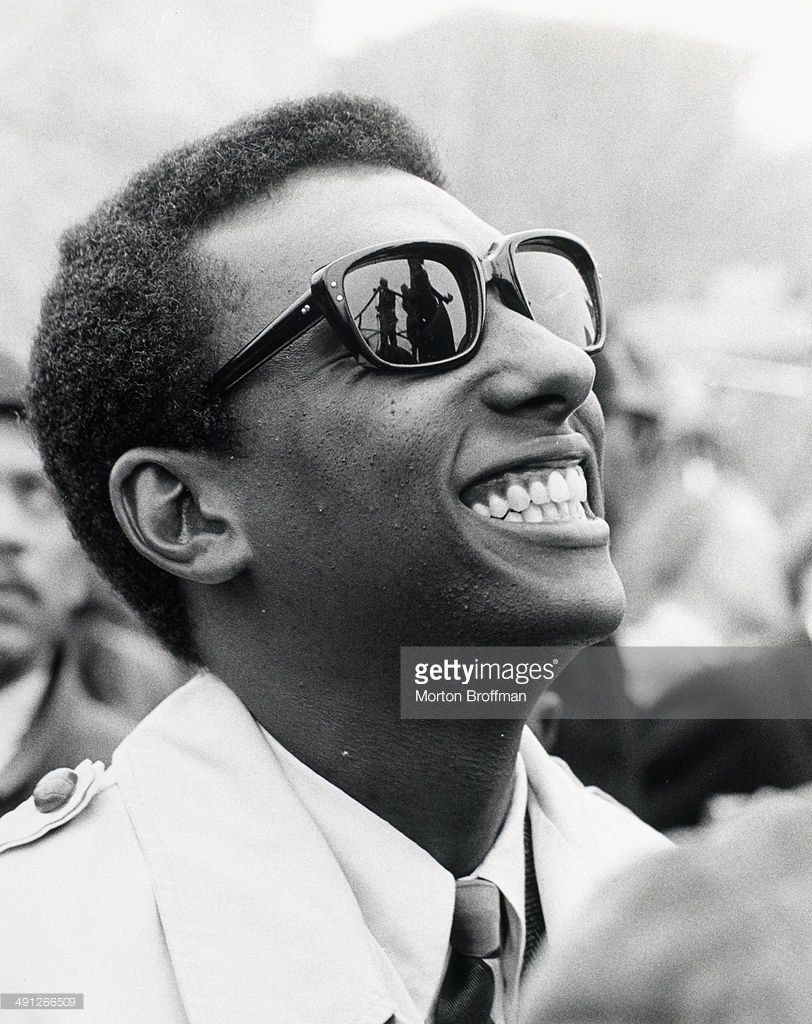
(Carmichael in 1965)
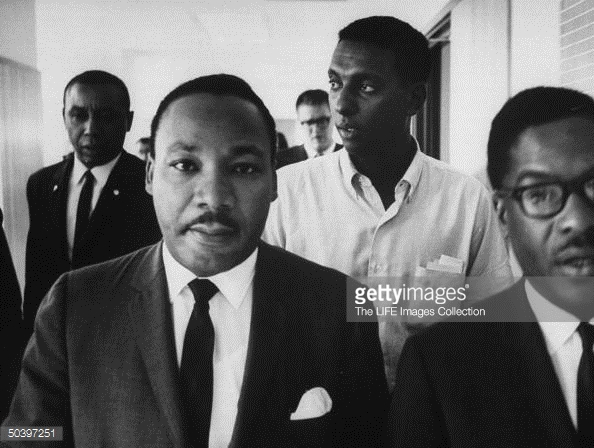
In 1966 Carmichael became chairman of SNCC. Carmichael joined Dr. Martin Luther King, Jr., Floyd McKissick, Cleveland Sellers and others to continue James Meredith's march.
(Carmichael (Right) with Dr. King (Left))
After the march Carmichael made a speech using the slogan “Black Power”.
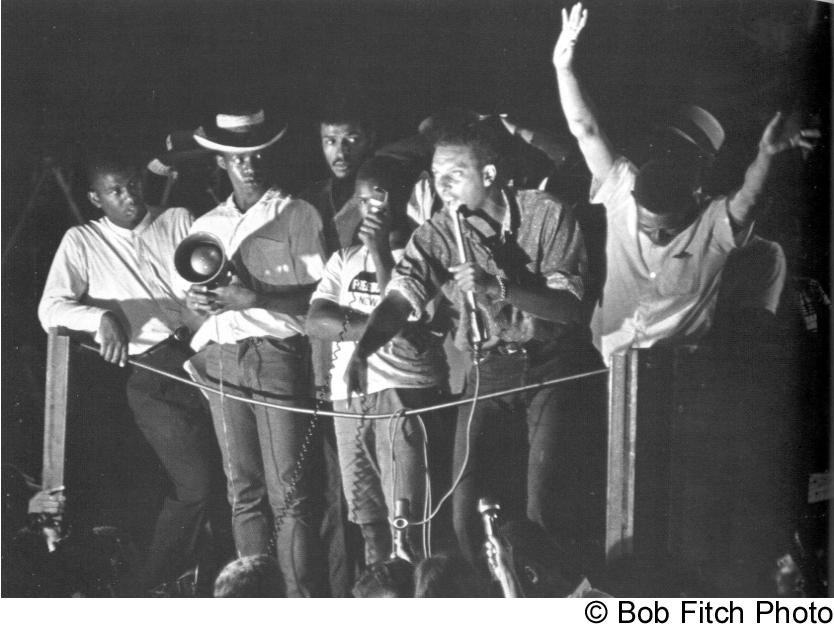
(Carmichael making his “Black Power” speech)
Under Carmichael's term, SNCC continued to maintain a coalition with several white radical organizations, most notably Students for a Democratic Society (SDS). SNCC conducted its first actions against the military draft and the Vietnam War under Carmichael's leadership. Carmichael popularized the oft-repeated anti draft slogan, "Hell no-We won't go!".
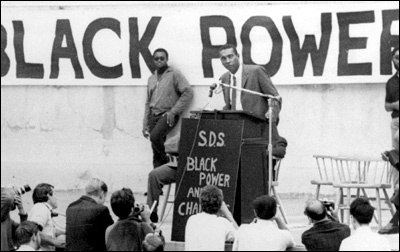
(Carmichael making a speech)
In 1967 Carmichael left SNCC. Also in 1967 he wrote the book Black Power. He also visited Guinea, North Vietnam, China, Cuba and the UK in 1967.
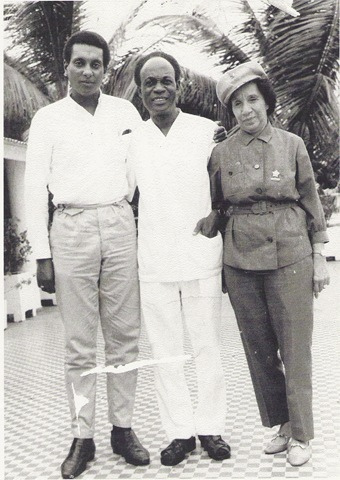
(Carmichael (Left) with Kwame Nkrumah (Center) and Shirley Dubois (Right))
In 1968 Carmichael was targeted by FBI COINTELPRO. Also in 1968 after Dr. King’s assassination Carmichael led a group through the streets of Washington D.C., demanding that businesses close out of respect.
(Carmichael in 1968)
Also in 1968 he married Miriam Makeba. In 1969 they moved to Guinea.
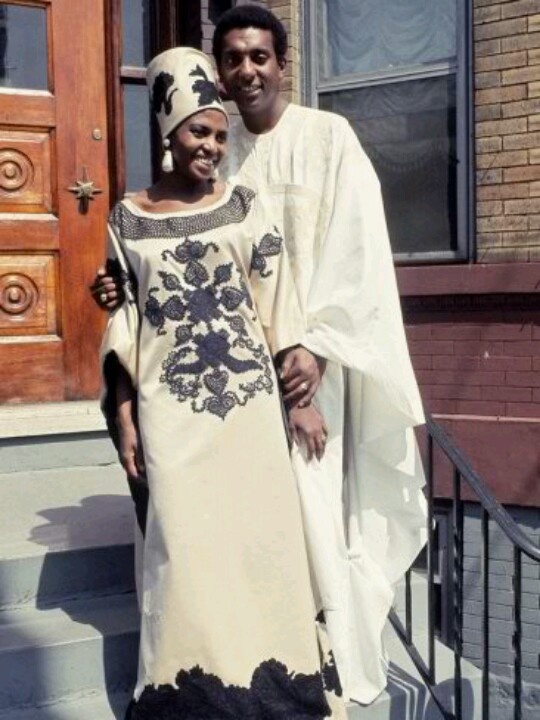
(Carmichael (Right) with his wife Miriam Makeba (Left))
He then changed his name to Kwame Ture. In 1971 he published his collected essays in a second book, Stokely Speaks: Black Power Back to Pan-Africanism.
(Carmichael in 1971)
In 1986 Ture was arrested for his past association with Ahmed Touré, and jailed him for three days on suspicion of attempting to overthrow the government. Ture worked with the All-African People's Revolutionary Party (A-APRP) for the rest of his life. He spoke on its behalf on several continents at innumerable college campuses, in community centers and other venues. Great Britain and Trinidad & Tobago banned Ture from speaking there for fear that he would arouse African descended people in those countries. In 1996 Ture was diagnosed with prostate cancer. Ture was treated for a period in Cuba, while receiving some support from the Nation of Islam.
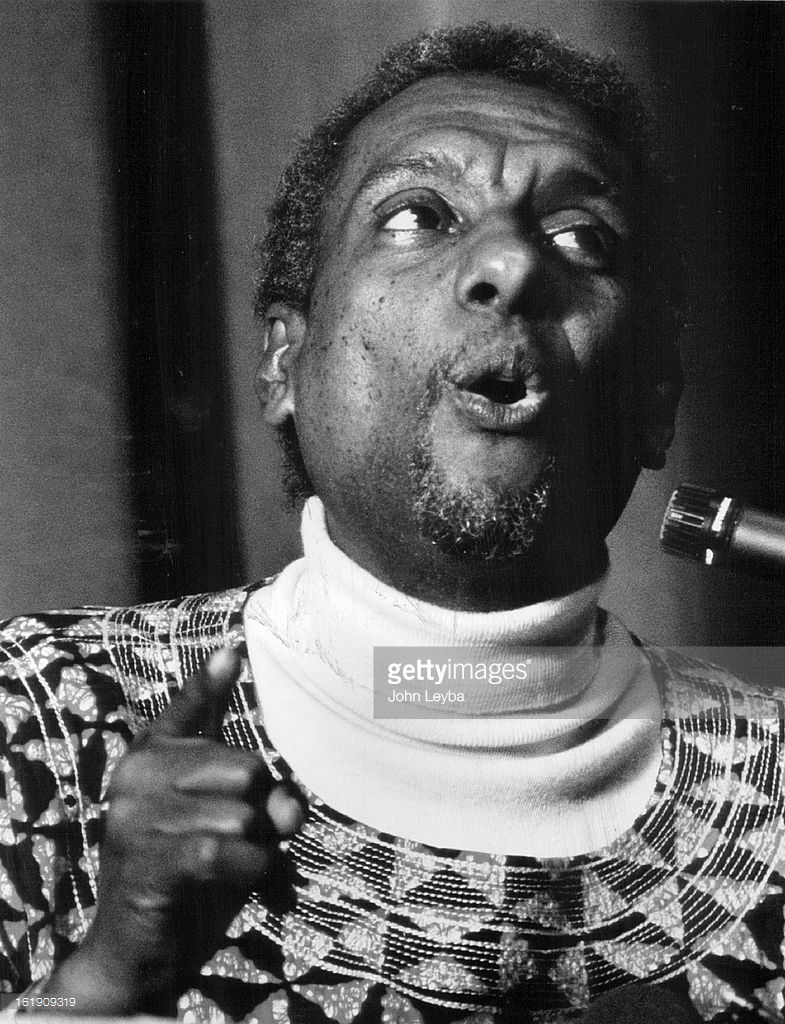
(Ture in 1996)
Benefit concerts for Ture were held in Denver, New York City, Atlanta, and Washington, D.C.,to help defray his medical expenses. On November 15th, 1998 Kwame Ture died of Prostate Cancer in Conakry, Guinea. He was 57 years old.
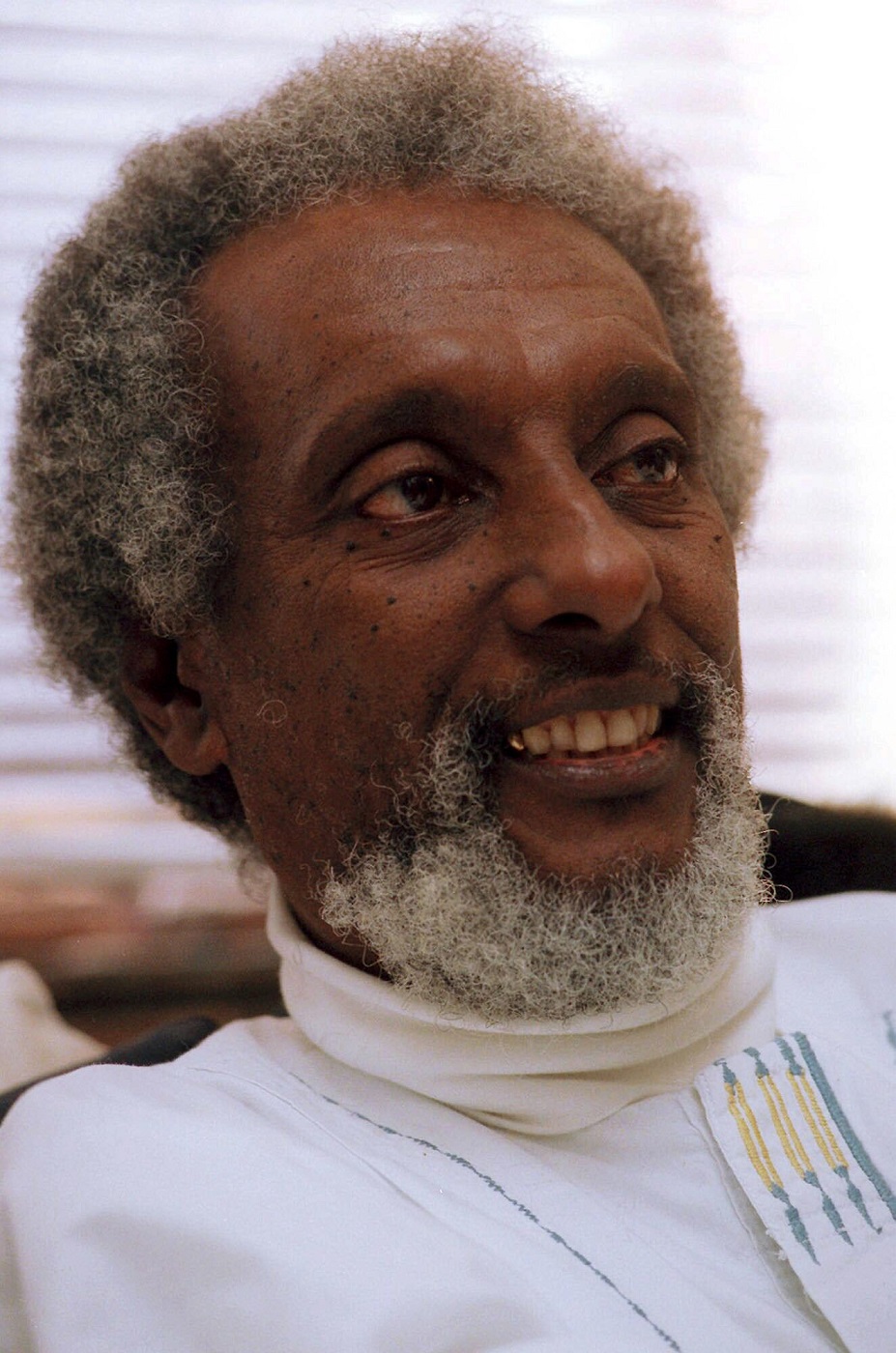
(Ture in 1998)
Today is his 76th birthday and we would all like to say happy birthday and rest in peace Kwame Ture.

Videos of Kwame Ture

Saturday, May 13, 2017

Happy Birthday Kathleen Cleaver

“People have been murdered for less than what the Black Panthers did, so the question was for us: 'Do you want to live on your knees or die on your feet?'” - Kathleen Cleaver
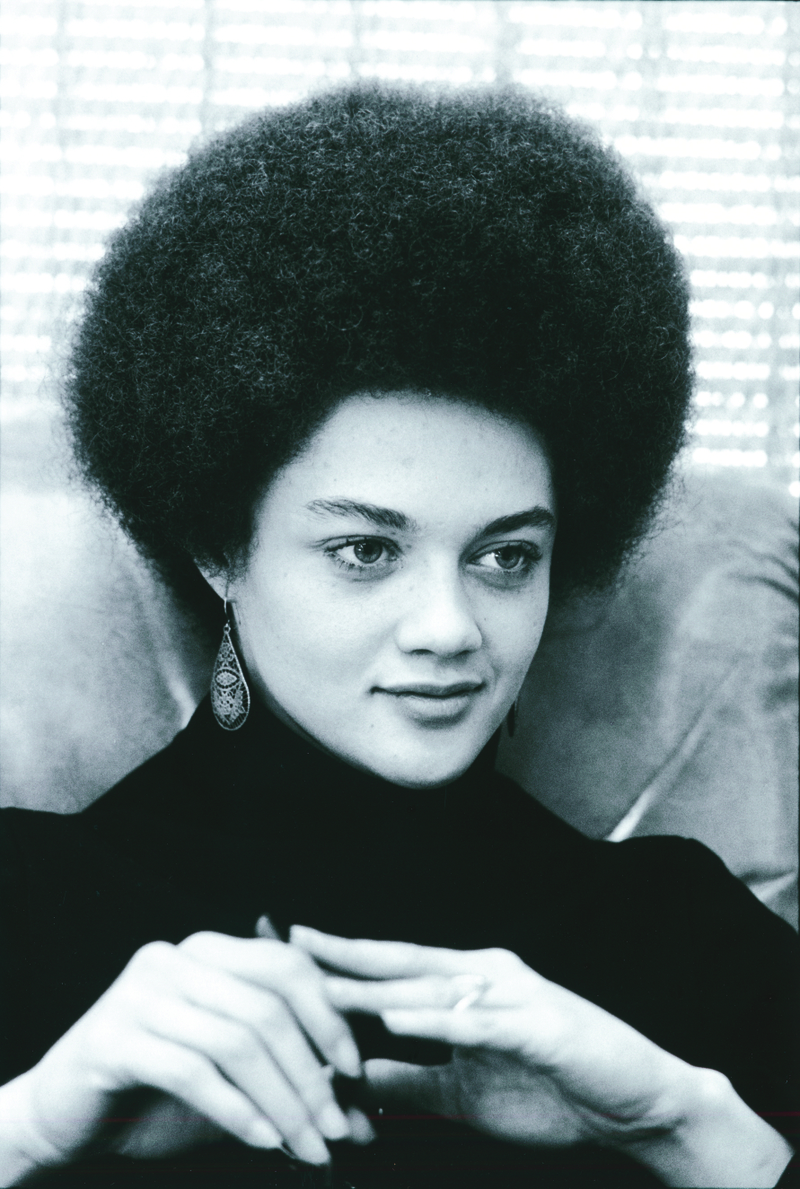
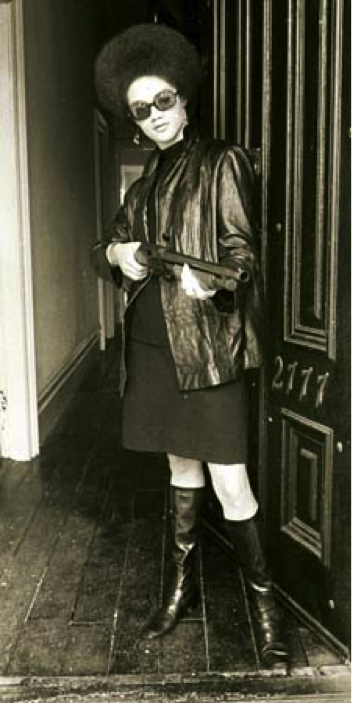
(Kathleen Cleaver)
Kathleen Cleaver was born as Kathleen Neal on May 13th, 1945 in Dallas, Texas, USA. Her family moved around the world to countries such as India, Liberia, Sierra Leone, and The Philippines.
(Neal in her early 20’s)
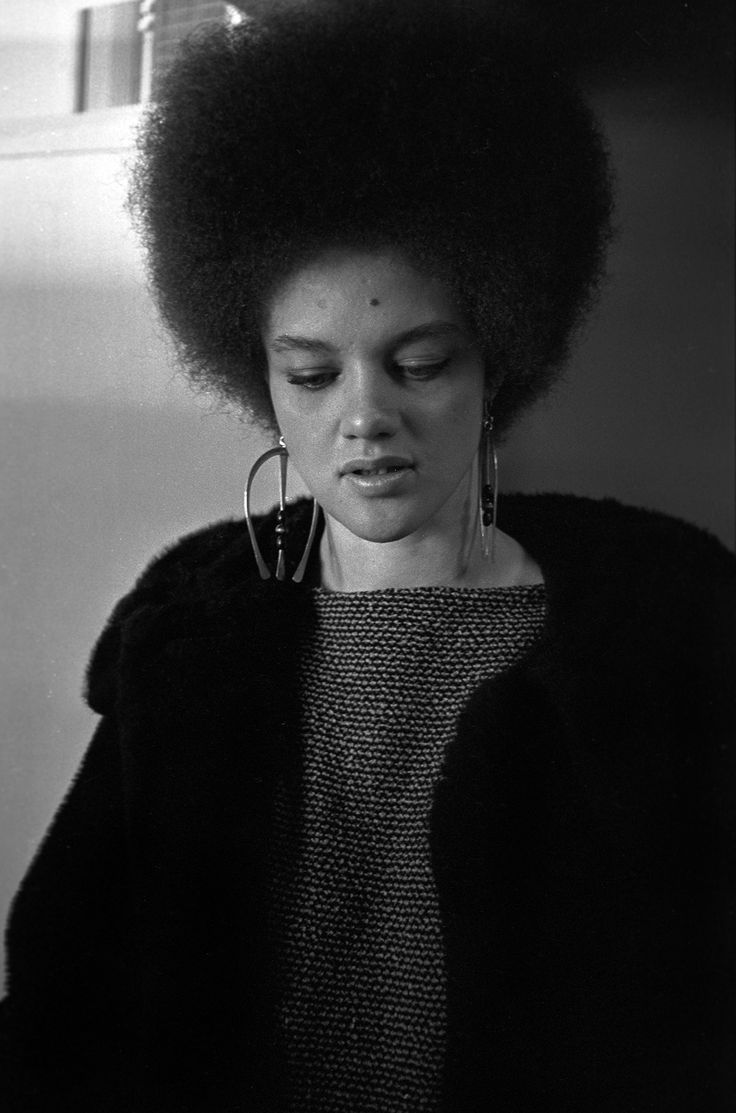
In 1963 Neal graduated with high honors from George school. She then attended Oberlin college and barnard college. In 1966 she got a job with the Student nonviolent coordinating committee.
(Neal in 1966)
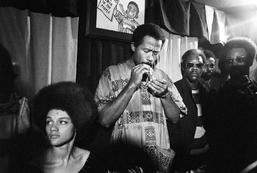
While in Nashville, TN she met Black Panther member Eldridge Cleaver. In 1967 she moved to San Francisco, CA and joined the Black Panther Party.
(Neal in 1967)
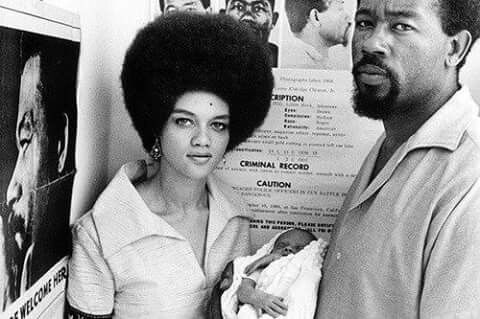
She married Eldridge Cleaver the same year.
(Kathleen Cleaver (Left) and Eldridge Cleaver (Right) with their 1st born)
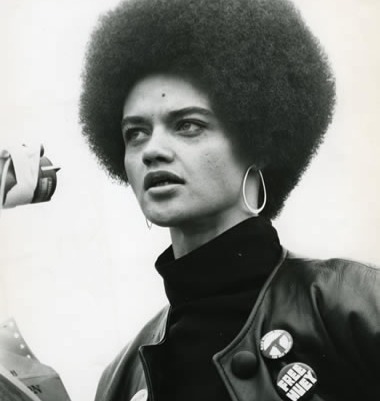
She organized the campaign to free Huey Newton from jail.
(Cleaver in 1967)
In 1968 she ran for California's 18th state assembly district, also as a candidate of the Peace and Freedom party. The Cleaver’s house was raided by police in 1968. In 1969 the Cleavers moved to Algeria in exile.
(Kathleen Cleaver and Eldridge Cleaver in Algeria)
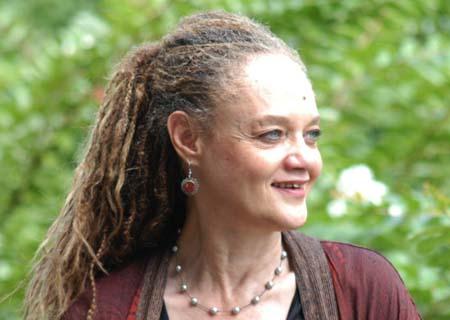
The Cleavers formed a new organization called the Revolutionary People’s Communication Network in 1971. They then moved to New York City, NY. In 1976 Kathleen went to work on the Eldridge Cleaver Defense Fund and he was freed on bail. In 1981 she went back to school and received a scholarship from Yale University. She graduated in 1983. In 2005 Cleaver was selected an inaugural Fletcher Foundation Fellow.
(Cleaver in 2005)
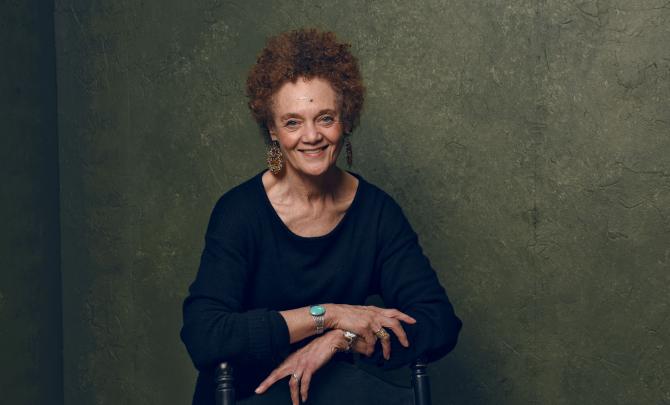
She then worked as a Senior Research Associate at the Yale Law School, and a Senior Lecturer in the African American Studies department at Yale University.
(Cleaver in 2016)
Today she turns 72 years old and we would all like to say happy birthday Kathleen Cleaver.

Books by Kathleen Cleaver
  • Memories of Love and War (1998)

Videos of Kathleen Cleaver

Tuesday, April 4, 2017

Anniversary of Rev. Dr. Martin Luther King Jr.'s Death

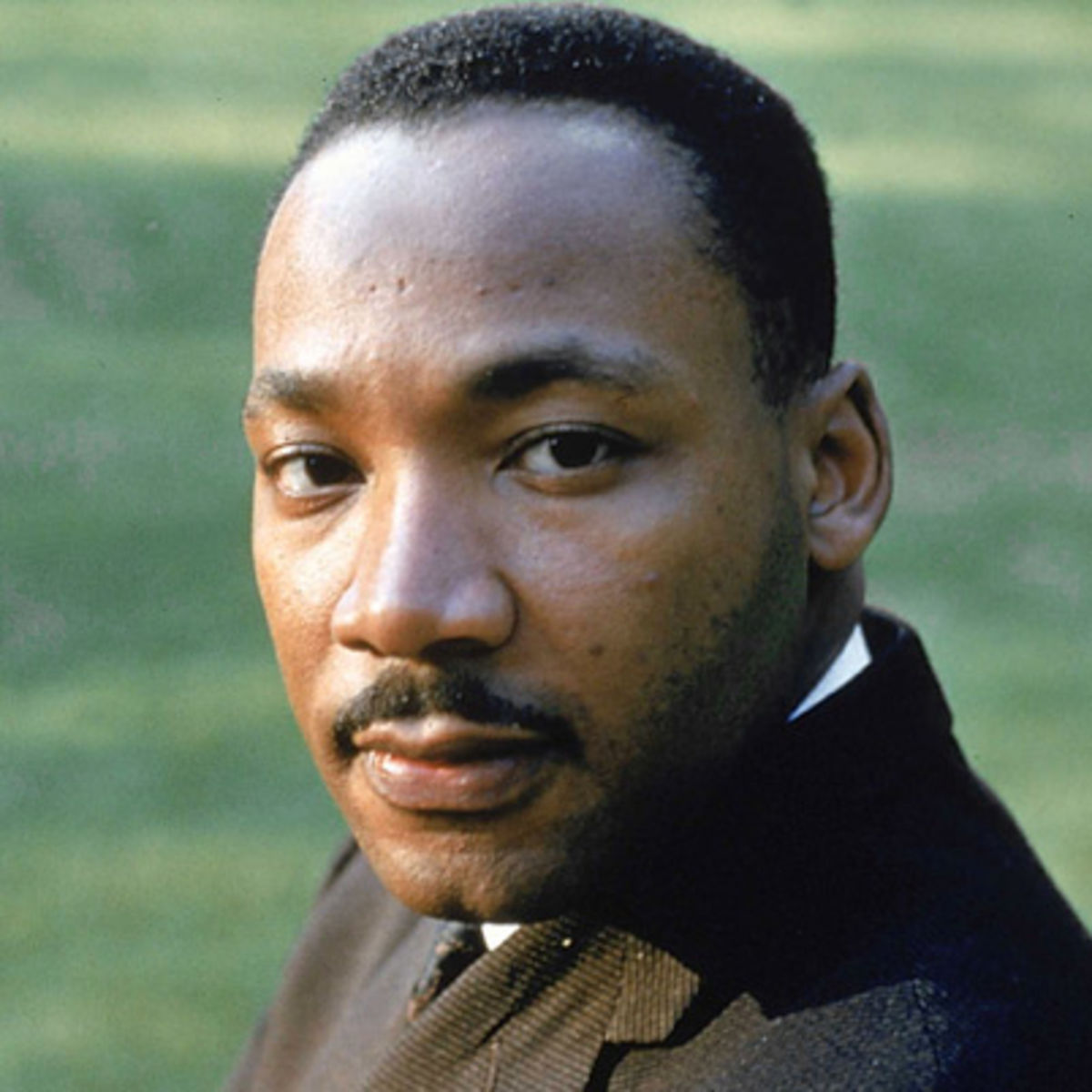
“I have a dream” - Rev. Dr. Martin Luther King Jr.
(Rev. Dr. Martin Luther King Jr.)
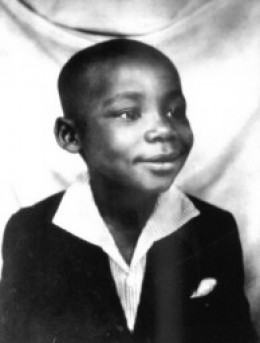
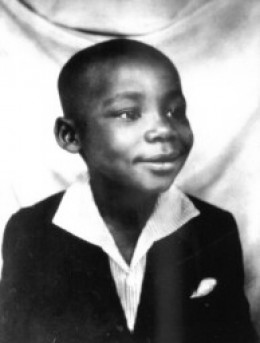
Rev. Dr. Martin Luther King Jr. was born as Michael Luther King Jr. on January 15th, 1929 in Atlanta, Georgia, USA. His father changed both his son’s name and his own name to Martin Luther King in 1934 after a trip to Berlin, Germany in honor to Martin Luther. King was apart of his church’s choir as a child.
(King as a child)
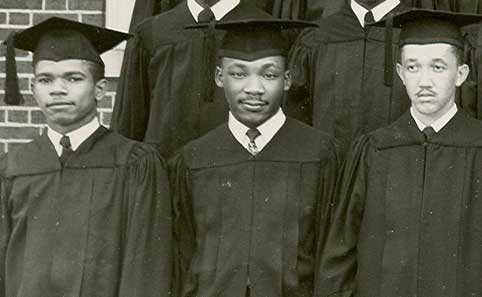
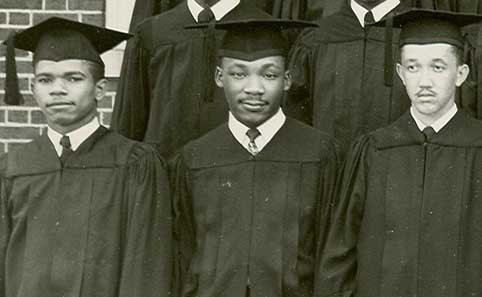
King was regularly beat by his father until he was 15 years old. During King’s adolescent years he went through a depression. At age 12 King attempted suicide by jumping out of a 2nd story window after the death of his grandmother. At age 13 King started to doubt Christianity. Later he concluded that the Bible has "many profound truths which one cannot escape" and decided to enter the seminary. In high school King became a part of the debate team. In 1942 King became the youngest assistant manager of a newspaper delivery station for the “Atlanta Journal”. In his junior year of high school King won an award in an oratorical contest, on the bus ride home King was forced to stand to let White people sit. At 1st he refused but he did get up due to his teacher telling him it is unlawful not to get up. Being a great student King was able to skip both the 9th and 12th grades. In 1948 King graduated from Morehouse college with a B.A. degree in sociology.
(King (Center) graduating from college)
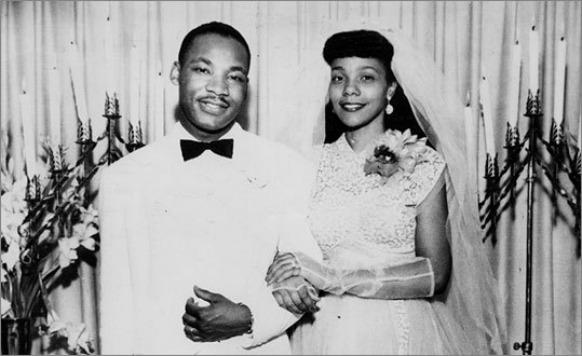
In 1951 King graduated with a B.Div. degree from Crozer Theological Seminary. In 1953 King married Coretta Scott.
(King (Left) with his wife Coretta Scott (Right))
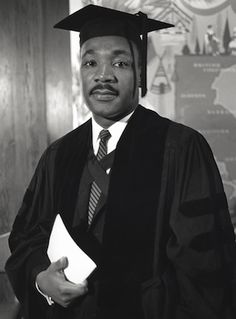
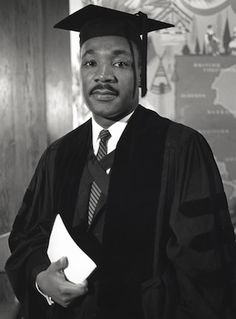
In 1955 King received his Ph.D at Boston University in systematic theology.
(Dr. King with his Ph.D)
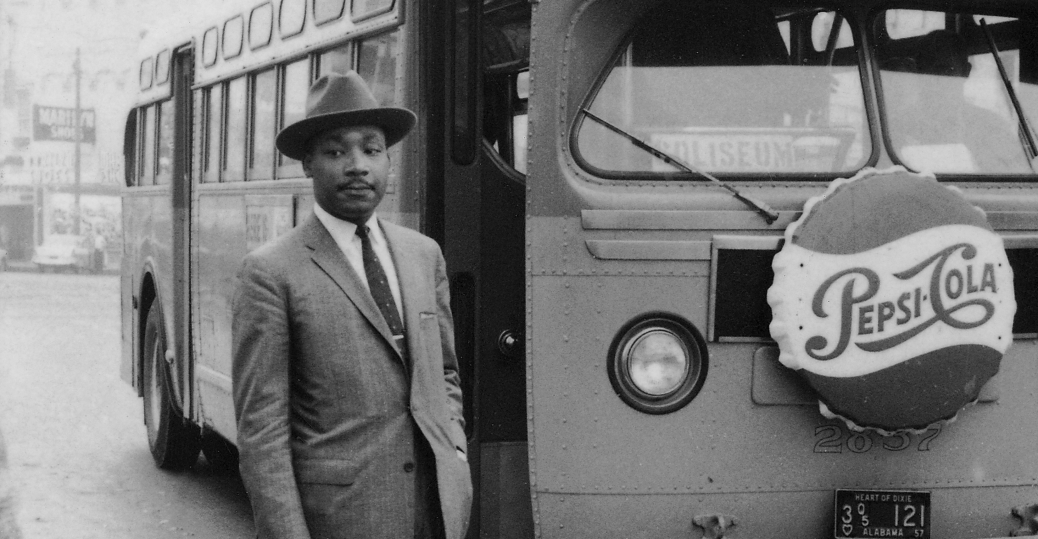
In late 1955 King and E.D. Nixon led the Montgomery Bus Boycott, which lasted 385 days.
That same year King’s house was bombed. King was arrested for his involvement in the bus boycott and his involvement made him into a national figure for civil rights.
(Dr. King during the Montgomery Bus Boycott)
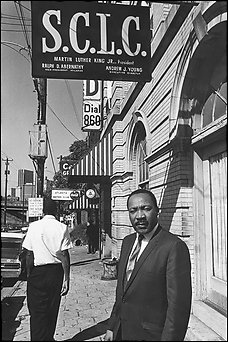
In 1957 King, Ralph Abernathy, Fred Shuttlesworth, Joseph Lowery, and other civil rights activists founded the Southern Christian Leadership Conference (SCLC). The SCLC's 1957 Prayer Pilgrimage for Freedom was the first time King addressed a national audience.
(Dr. King at the SCLC headquarters)
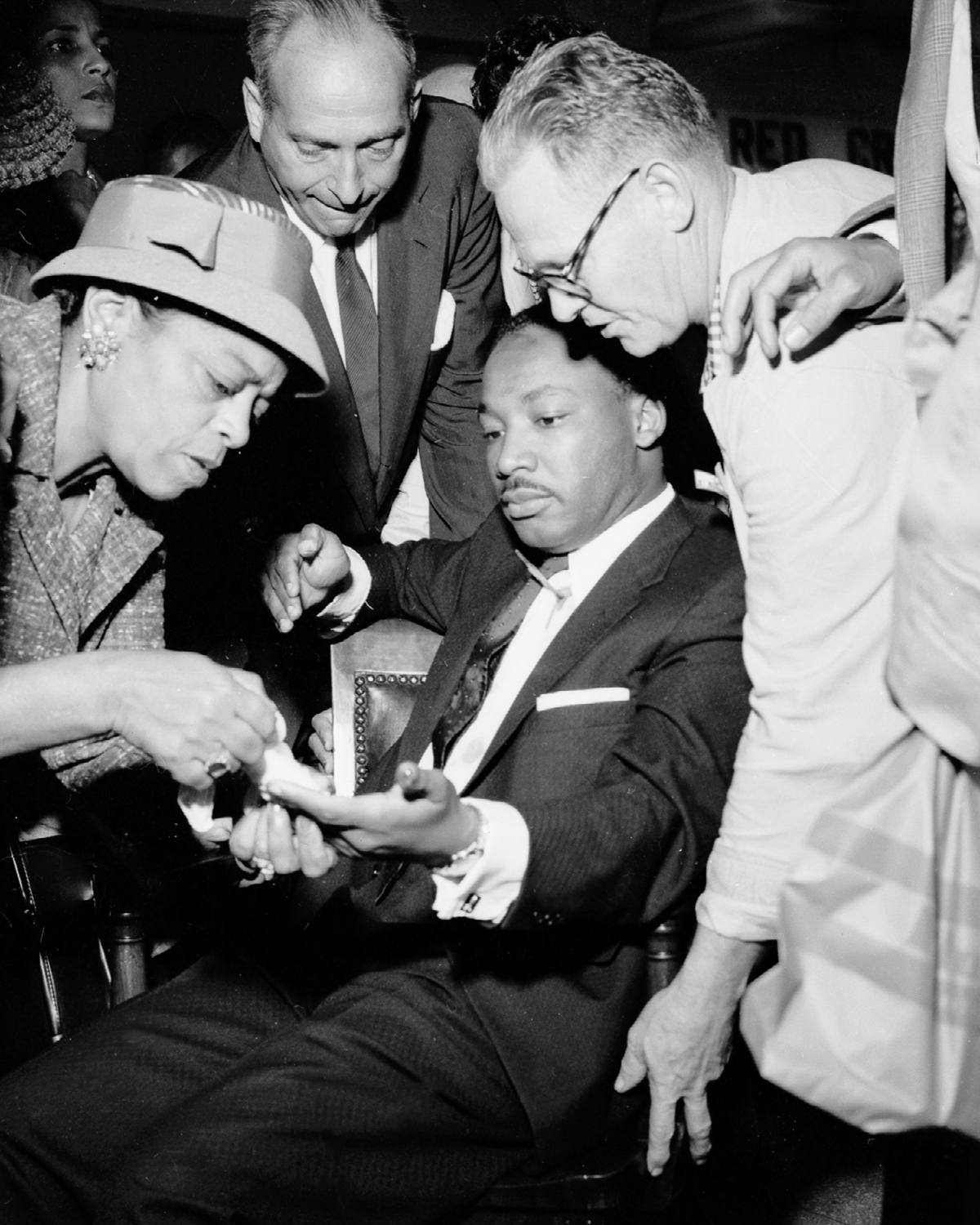
In 1958 while King was signing copies of his book Stride Towards Freedom a mentally ill woman stabbed him in the chest with a letter opener.
(Dr. King after being stabbed)
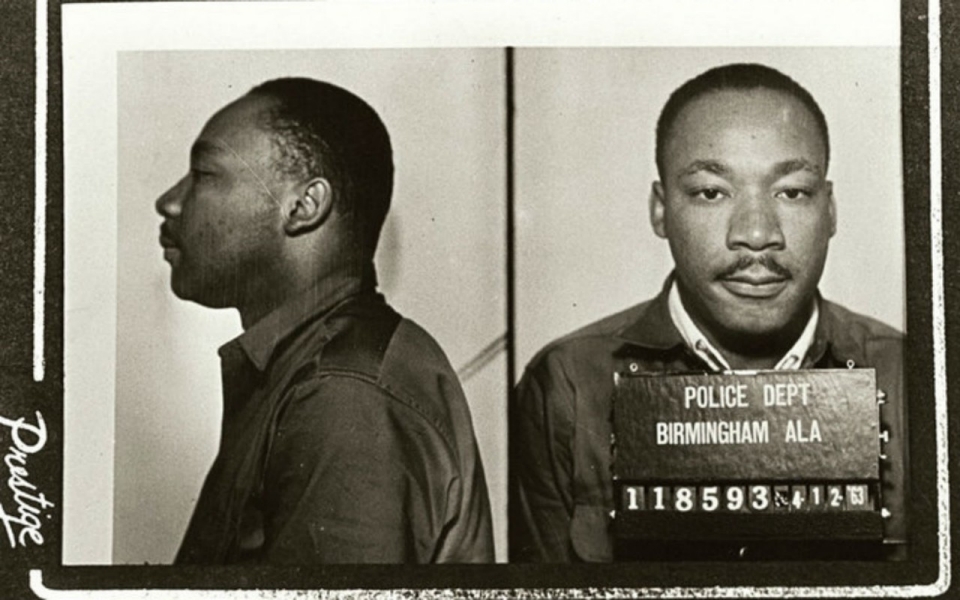
In 1959 King published a short book called The Measure of A Man. In 1961 King and the SCLC became involved with the Albany Movement. In December of 1961 when King visited the group in Albany, GA the Albany police department arrested King and several others involved in the Albany Movement due to the fact they were peaceful demonstrators. In July of 1962 King was sentenced to 45 days in jail or a $178 fine and he chose jail. 3 days into his sentence he was bailed out. In 1962 King and the Gandhi Society produced a document calling on President Kennedy to follow in the footsteps of Abraham Lincoln and use an Executive Order to deliver a blow for Civil Rights as a kind of Second Emancipation Proclamation. In April of 1963 the SCLC began a campaign against racial segregation and economic injustice in Birmingham, AL. King and the SCLC organized sit ins and peaceful protests. During the peaceful protests the Birmingham police led by Eugene “Bull” Connor attacked the protestors with attack dogs, high pressure water hoses and riot police. King was arrested during this and he wrote his Letter From Birmingham Jail which responds to calls on the movement to pursue legal channels for social change.
(Dr. King’s mugshot)
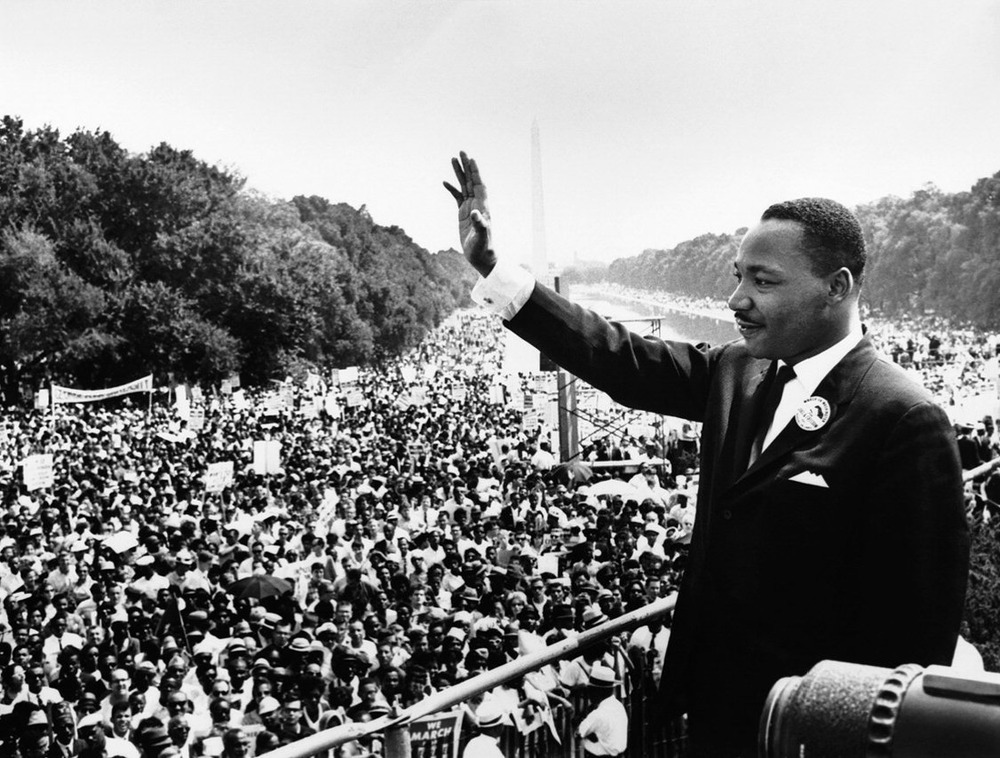
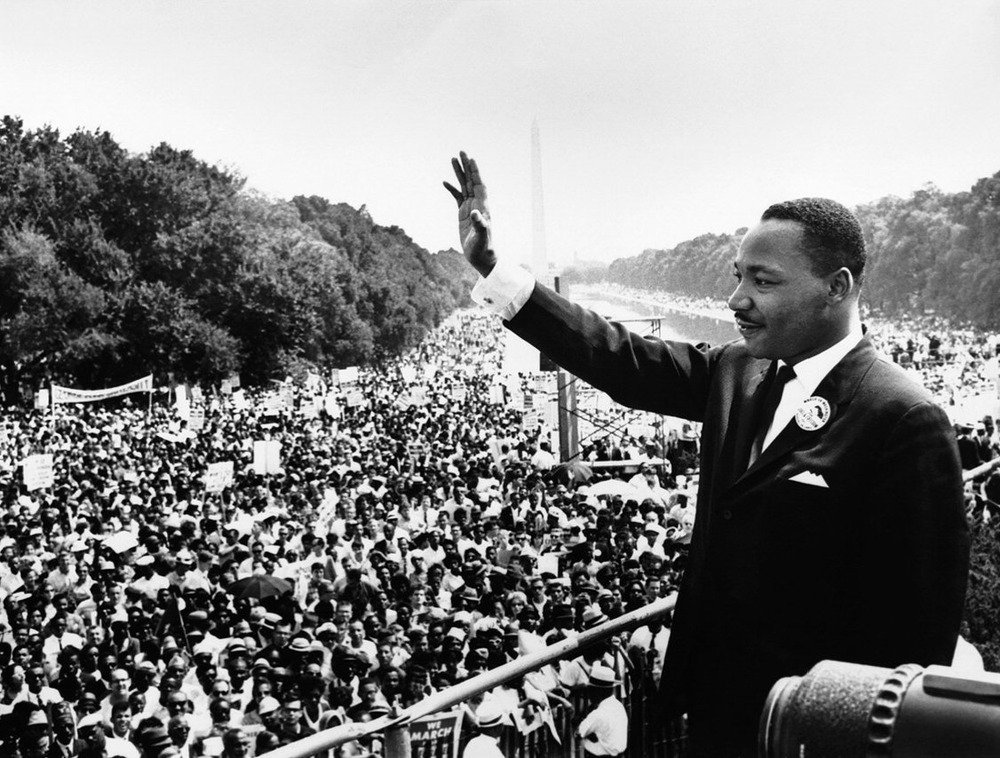
These actions were broadcasted on national TV. Connor then lost his job and Jim Crow signs came down in Birmingham. In August of 1963 King and the SCLC organized the March on Washington. The march made specific demands which were an end to racial segregation in public schools; meaningful civil rights legislation, including a law prohibiting racial discrimination in employment; protection of civil rights workers from police brutality; a $2 minimum wage for all workers; and self-government for Washington, D.C. King made his “I Have a Dream” speech in front of the Lincoln memorial.
(Dr. King during the March on Washington)
The March of Washington helped put civil rights at the top of the agenda of reformers in the United States and facilitated passage of the Civil Rights Act of 1964. The FBI under the orders of Robert Kennedy began tapping King’s telephone calls in fall of 1963. In March of 1964 King and the SCLC joined forces with Robert Hayling's movement in St. Augustine, FL. The movement marched nightly through the night and were faced with Klan attacks. Also in March of 1964 Dr. King met with Malcolm X.
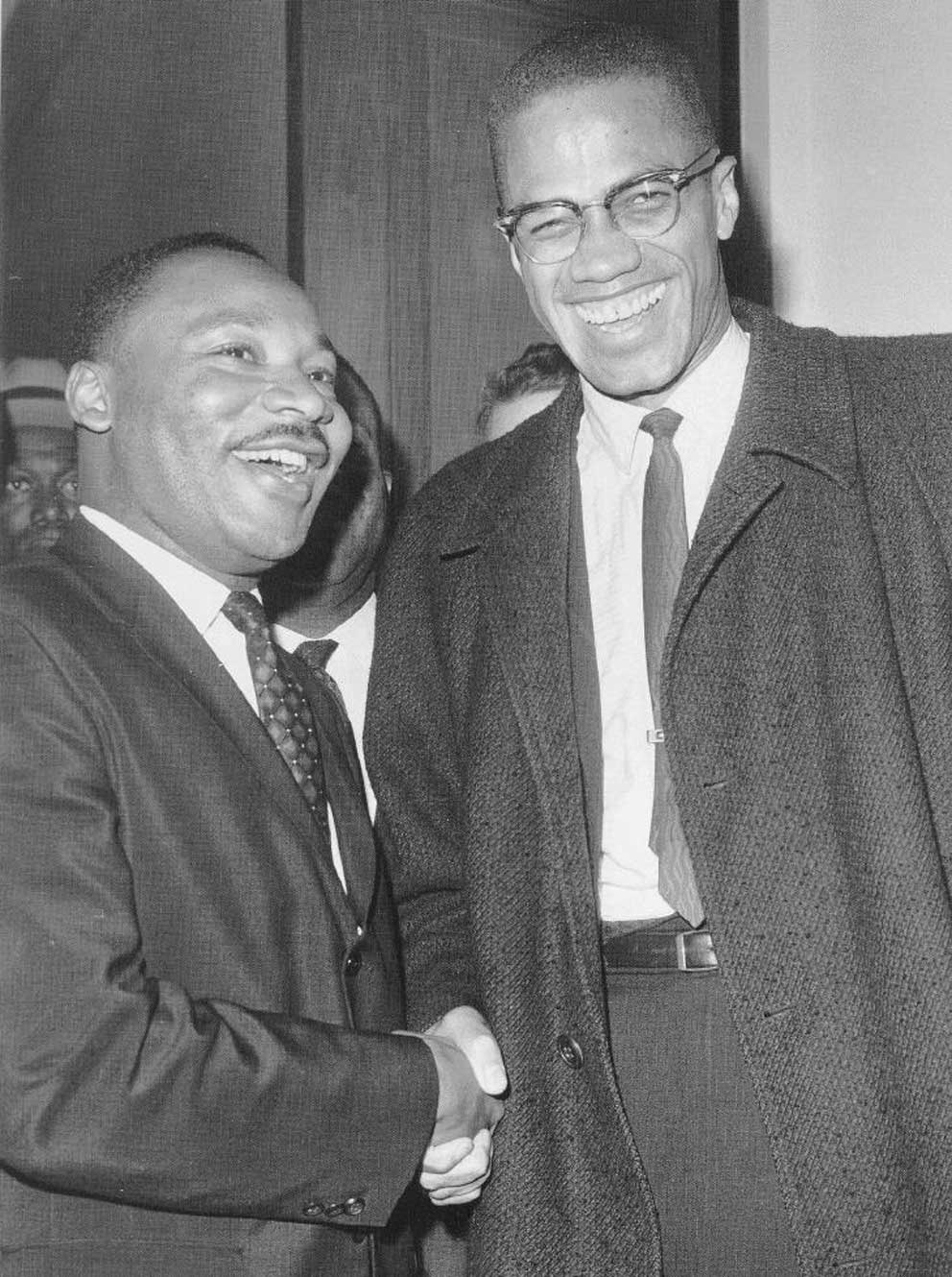
(Dr. King (Left) with Malcolm X (Right))
In December of 1964 King and the SCLC joined with SNCC in Selma, AL.
(Dr. King with SNCC member Stokely Carmichael (In White Shirt))
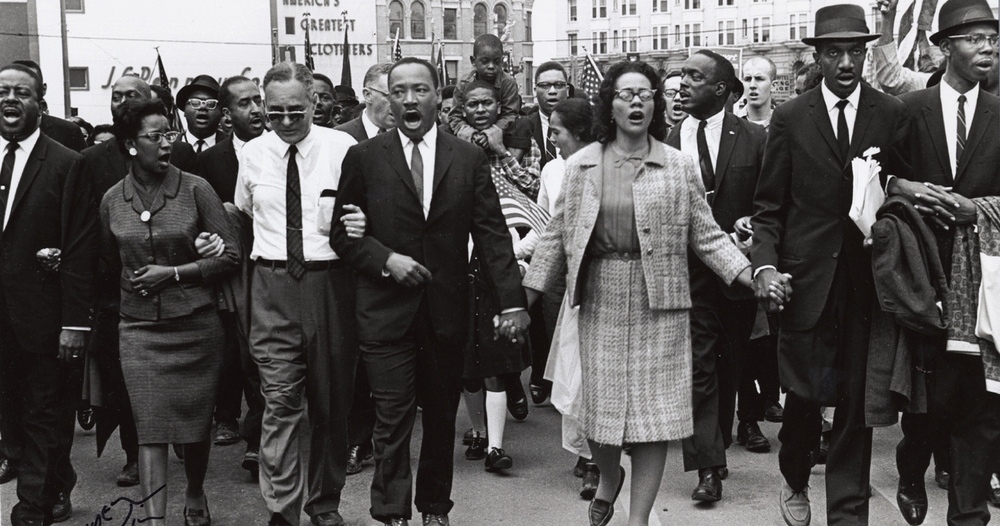
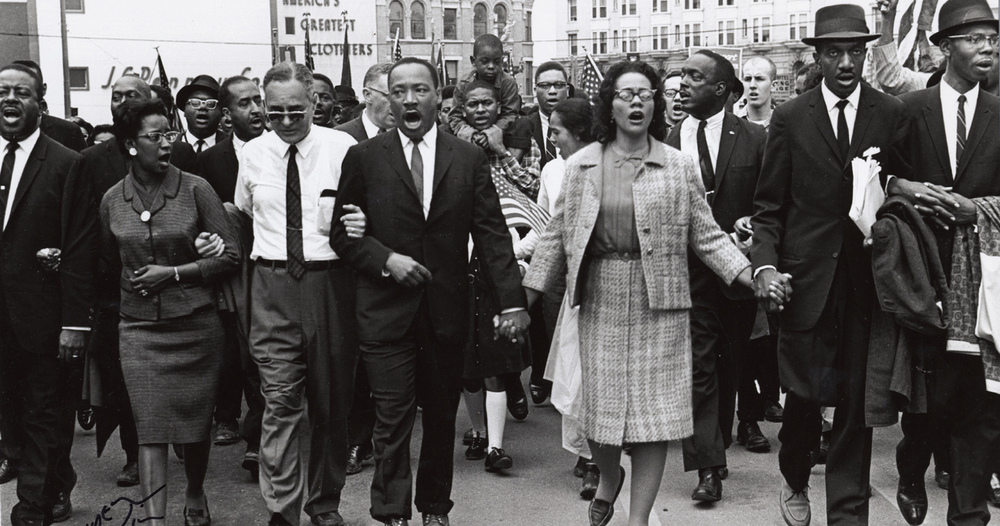
In March of 1965 the SCLC and SNCC attempted the 1st march from Selma to Montgomery but while crossing over the Edmund Pettus bridge in Selma a group of Alabama state troopers stopped the marchers and beat them severely. This was known as “Bloody Sunday”. King was not present with this 1st march. 4 days later King was present with the group of marchers but before they crossed the bridge King stopped and prayed and he turned the marchers around. On March 25th of 1965 the march went on all the way to Montgomery. King made a speech at the capital known as “How Long, Not Long”.
(King with his wife Coretta Scott-King during the Selma to Montgomery march)
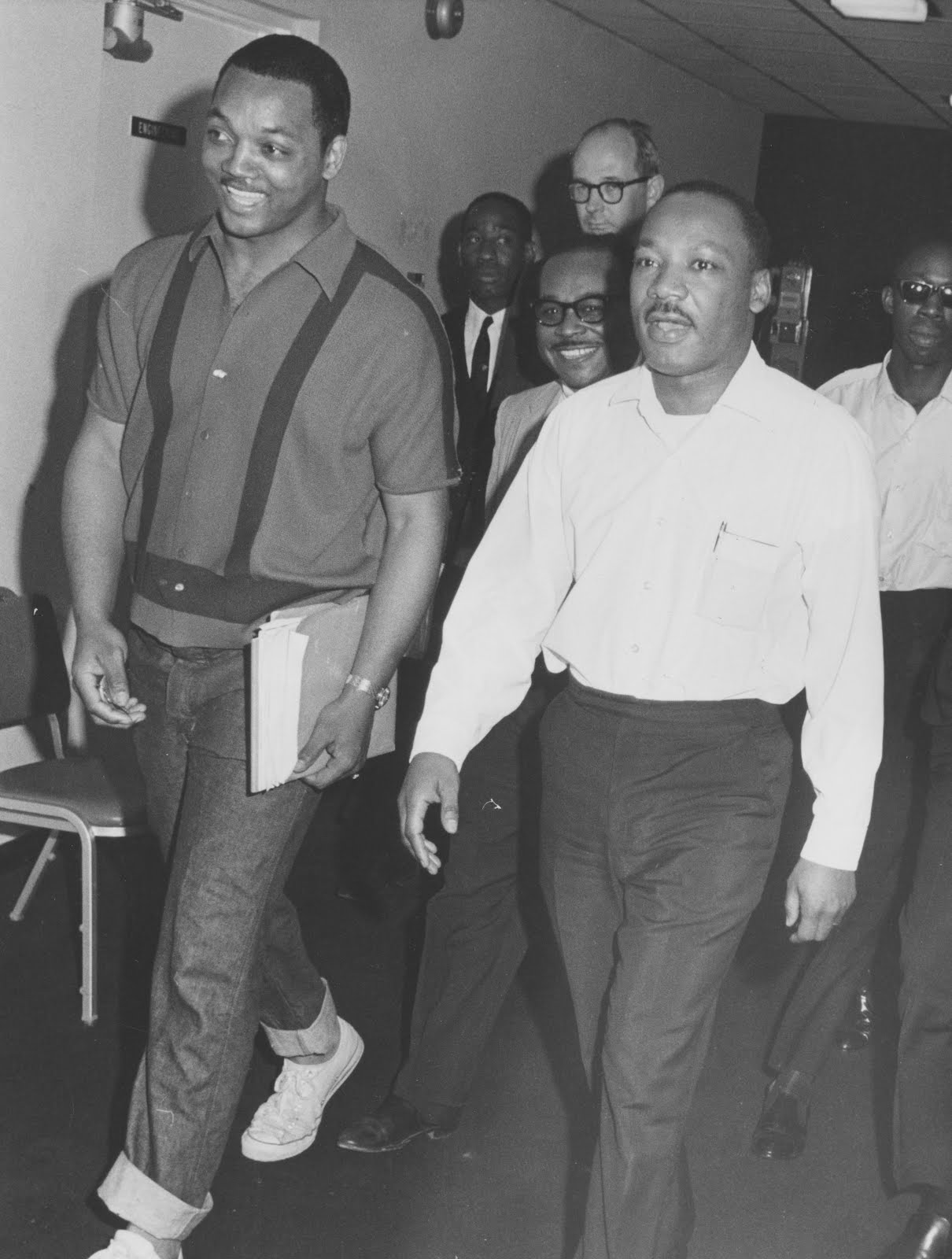
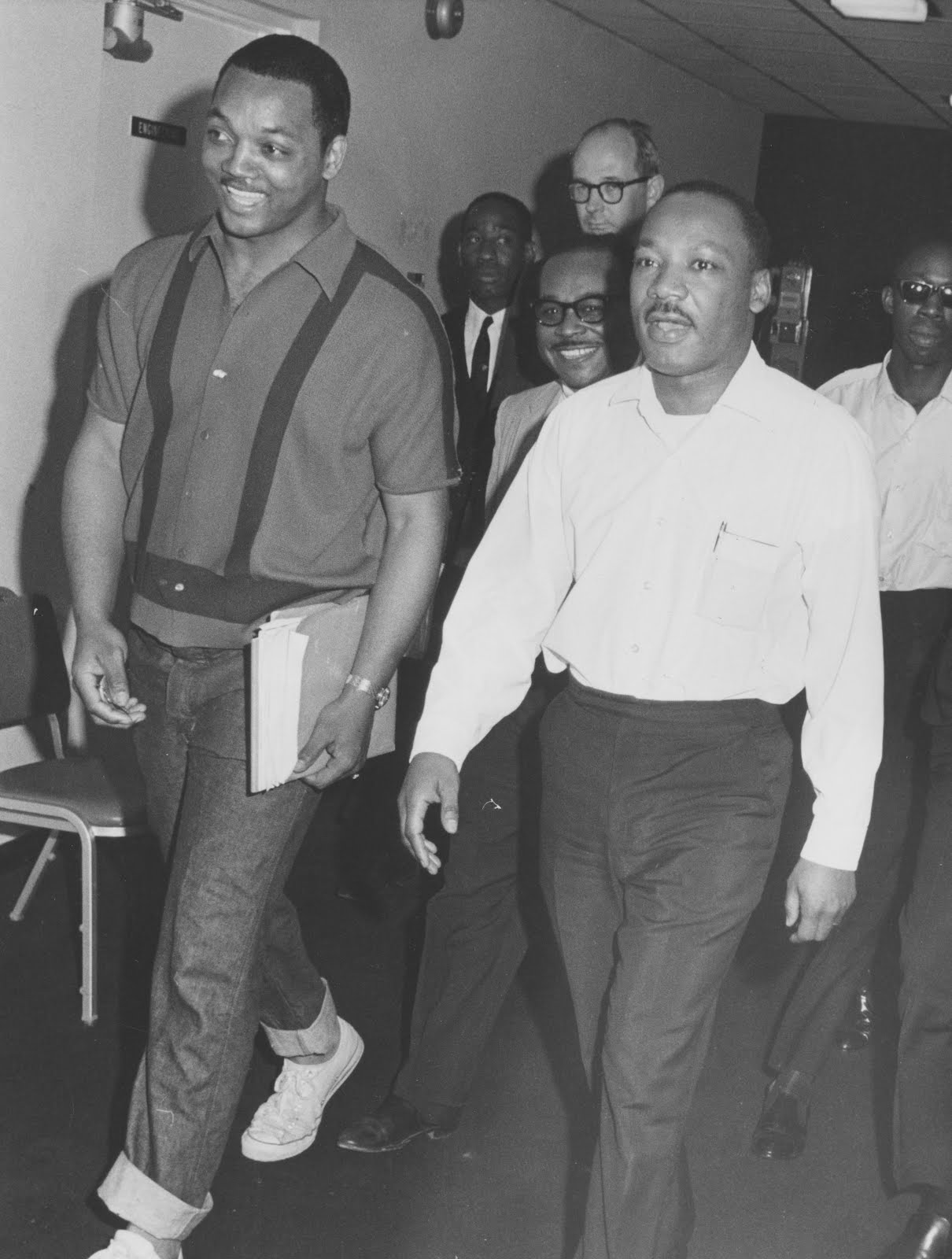
In 1966 King and the SCLC formed a coalition with the CCCO in Chicago, IL. The goal was to spread the movement through the North. A lot of marches were met with the same and even worse retaliation than in the South. In one of the marches King was hit with a brick but continued with the march. When King left Chicago, Jesse Jackson was placed in charge in Chicago.
(Jesse Jackson (Left) and Dr. King (Right))
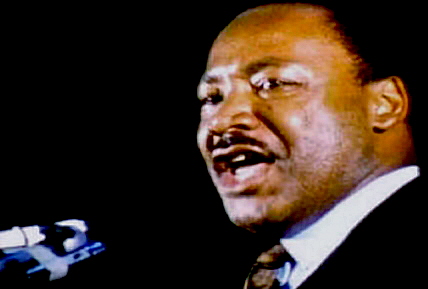
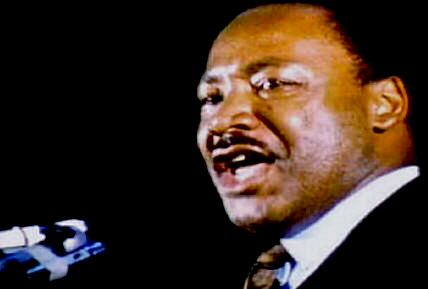
In 1967 King openly spoke against the Vietnam War saying the U.S. just wanted to further colonization and because it took money and resources that could have been spent on social welfare at home. In April of 1967 King participated in and spoke at an anti-war march from New York's Central Park. In 1968 King and the SCLC organized the "Poor People's Campaign" to address issues of economic justice. King called on the U.S. government to rebuild its cities. In March of 1968 King visited Memphis, TN in support of the black sanitary public works employees. On April 3rd King delivered his “I’ve Been to the Mountaintop” speech.
(Dr. King making his “I’ve Been to the Mountaintop” speech)
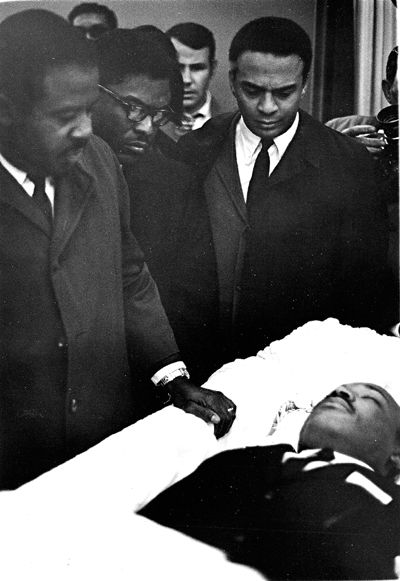
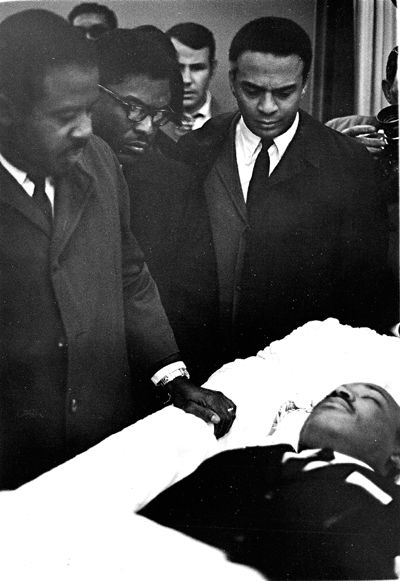
On April 4th, 1968 King was shot and killed in Memphis, Tennessee. He was 39 years old.
(Dr. King’s funeral)
Today is the 49th anniversary of his death. Take time to remember this great civil rights activist today.

Books by Rev. Dr. Martin Luther King Jr.
  • Stride Toward Freedom: The Montgomery Story (1958)
  • Strength to Love (1963)
  • Why We Can’t Wait (1963)
  • Where Do We Go From Here: Chaos or Community? (1967)
  • The Trumpet of Conscience (1968)

Videos of Rev. Dr. Martin Luther King Jr.

Tuesday, March 14, 2017

Anniversary of Fannie Lou Hamer's Death

“Nobody's free until everybody's free” - Fannie Lou Hamer
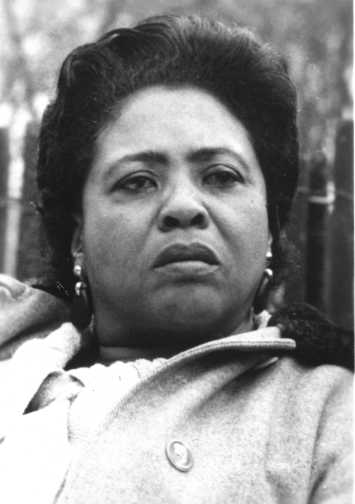
(Fannie Lou Hamer)
Fannie Lou Hamer was born as Fannie Lou Townsend on October 6th, 1917 in Montgomery County, Mississippi, USA. In 1919 her family moved to Sunflower County, MS. At the age of 6 Townsend picked cotton with her family to make money. She went to school from 1924 to 1930 when she had to drop out. By 1930 at the age of 13 she could pick 200 to 300 pounds of cotton a day. In 1944 Townsend was selected to be the plantation's time and record keeper. In 1945 she married Perry Hamer. She then changed her last name to Hamer. They worked together on the plantation for the next 18 years. In the 1950’s Hamer attended several annual conferences of the Regional Council of Negro Leadership (RCNL). The annual RCNL conferences featured entertainers such as Mahalia Jackson and speakers such as Thurgood Marshall. In 1961 Hamer had surgery to remove a tumor but during the surgery she was given a hysterectomy without her consent by a white doctor as a part of the state of Mississippi's plan to reduce the number of poor blacks in the state. In 1962 she traveled on a rented bus with attendees of member of SNCC’s Rev. Bevel to Indianola, MS to register to vote. Hamer was then recruited to SNCC and she began traveling around the South doing activist work for the organization.
(Hamer in 1962)
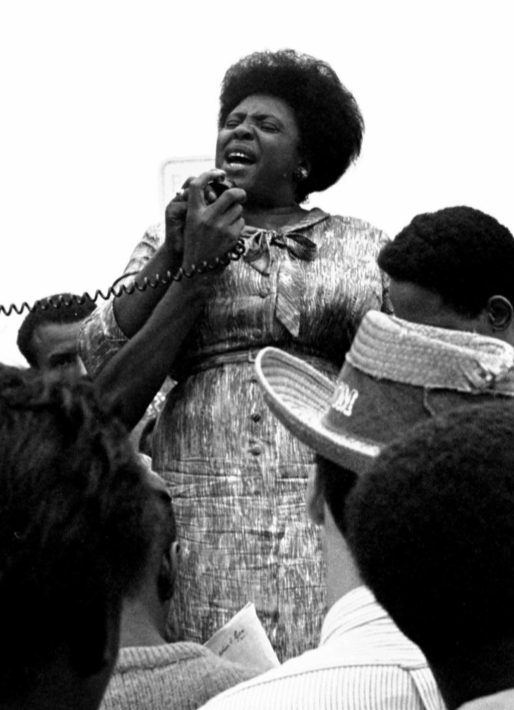
On June 9, 1963, Hamer was on her way back from Charleston, SC with other activists from a literacy workshop they Stopped in Winona, MS, and the group was arrested on a false charge and jailed. The whole group including Hamer were beat by the police almost fatally. It took her over a month to recover and left profound physical and psychological effects. Hamer then returned to Mississippi to organize voter registration drives, including the "Freedom Ballot Campaign", a mock election, in 1963, and the "Freedom Summer" initiative in 1964.
(Hamer in 1963)
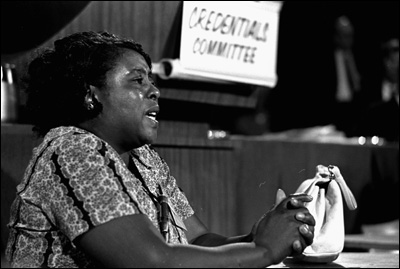
In 1964 Hamer was elected Vice Chair of the Mississippi Freedom Democratic Party. Hamer who sang her signature hymns, drew a great deal of attention from the media. Hamer recounted the problems she had encountered in registration, and the ordeal of the jail in Winona to the Convention's Credentials Committee. President Johnson being fearful of the power of Hamer's testimony on live television called an emergency press conference in an effort to divert press coverage from Hamer.
(Hamer in 1964)
In 1964 and 1965 Hamer ran for Congress, but did not win. Hamer also worked on other projects such as grassroots-level Head Start programs, the Freedom Farm Cooperative in Sunflower County, and Martin Luther King, Jr.'s Poor People's Campaign.
(Hamer (Middle) in 1971)
In 1972 Hamer was elected as a national party delegate of the Mississippi Freedom Democratic Party.
(Hamer in 1972)
On March 14th, 1977 Fannie Lou Hamer died of hypertension and breast cancer in Mound Bayou, Mississippi. She was 59 years old. Today is the 40th anniversary of her death. Take time to remember this great civil rights activist today.

Videos of Fannie Lou Hamer

Sunday, January 15, 2017

Happy Birthday Rev. Dr. Martin Luther King Jr.

“I have a dream” - Rev. Dr. Martin Luther King Jr.
(Rev. Dr. Martin Luther King Jr.)
Rev. Dr. Martin Luther King Jr. was born as Michael Luther King Jr. on January 15th, 1929 in Atlanta, Georgia, USA. His father changed both his son’s name and his own name to Martin Luther King in 1934 after a trip to Berlin, Germany in honor to Martin Luther. King was apart of his church’s choir as a child.
(King as a child)
King was regularly beat by his father until he was 15 years old. During King’s adolescent years he went through a depression. At age 12 King attempted suicide by jumping out of a 2nd story window after the death of his grandmother. At age 13 King started to doubt Christianity. Later he concluded that the Bible has "many profound truths which one cannot escape" and decided to enter the seminary. In high school King became a part of the debate team. In 1942 King became the youngest assistant manager of a newspaper delivery station for the “Atlanta Journal”. In his junior year of high school King won an award in an oratorical contest, on the bus ride home King was forced to stand to let White people sit. At 1st he refused but he did get up due to his teacher telling him it is unlawful not to get up. Being a great student King was able to skip both the 9th and 12th grades. In 1948 King graduated from Morehouse college with a B.A. degree in sociology.
(King (Center) graduating from college)
In 1951 King graduated with a B.Div. degree from Crozer Theological Seminary. In 1953 King married Coretta Scott.
(King (Left) with his wife Coretta Scott (Right))
In 1955 King received his Ph.D at Boston University in systematic theology.
(Dr. King with his Ph.D)
In late 1955 King and E.D. Nixon led the Montgomery Bus Boycott, which lasted 385 days.
That same year King’s house was bombed. King was arrested for his involvement in the bus boycott and his involvement made him into a national figure for civil rights.
(Dr. King during the Montgomery Bus Boycott)
In 1957 King, Ralph Abernathy, Fred Shuttlesworth, Joseph Lowery, and other civil rights activists founded the Southern Christian Leadership Conference (SCLC). The SCLC's 1957 Prayer Pilgrimage for Freedom was the first time King addressed a national audience.
(Dr. King at the SCLC headquarters)
In 1958 while King was signing copies of his book Stride Towards Freedom a mentally ill woman stabbed him in the chest with a letter opener.
(Dr. King after being stabbed)
In 1959 King published a short book called The Measure of A Man. In 1961 King and the SCLC became involved with the Albany Movement. In December of 1961 when King visited the group in Albany, GA the Albany police department arrested King and several others involved in the Albany Movement due to the fact they were peaceful demonstrators. In July of 1962 King was sentenced to 45 days in jail or a $178 fine and he chose jail. 3 days into his sentence he was bailed out. In 1962 King and the Gandhi Society produced a document calling on President Kennedy to follow in the footsteps of Abraham Lincoln and use an Executive Order to deliver a blow for Civil Rights as a kind of Second Emancipation Proclamation. In April of 1963 the SCLC began a campaign against racial segregation and economic injustice in Birmingham, AL. King and the SCLC organized sit ins and peaceful protests. During the peaceful protests the Birmingham police led by Eugene “Bull” Connor attacked the protestors with attack dogs, high pressure water hoses and riot police. King was arrested during this and he wrote his Letter From Birmingham Jail which responds to calls on the movement to pursue legal channels for social change.
(Dr. King’s mugshot)
These actions were broadcasted on national TV. Connor then lost his job and Jim Crow signs came down in Birmingham. In August of 1963 King and the SCLC organized the March on Washington. The march made specific demands which were an end to racial segregation in public schools; meaningful civil rights legislation, including a law prohibiting racial discrimination in employment; protection of civil rights workers from police brutality; a $2 minimum wage for all workers; and self-government for Washington, D.C. King made his “I Have a Dream” speech in front of the Lincoln memorial.
(Dr. King during the March on Washington)
The March of Washington helped put civil rights at the top of the agenda of reformers in the United States and facilitated passage of the Civil Rights Act of 1964. The FBI under the orders of Robert Kennedy began tapping King’s telephone calls in fall of 1963. In March of 1964 King and the SCLC joined forces with Robert Hayling's movement in St. Augustine, FL. The movement marched nightly through the night and were faced with Klan attacks. Also in March of 1964 Dr. King met with Malcolm X.
(Dr. King (Left) with Malcolm X (Right))
In December of 1964 King and the SCLC joined with SNCC in Selma, AL.
(Dr. King with SNCC member Stokely Carmichael (In White Shirt))
In March of 1965 the SCLC and SNCC attempted the 1st march from Selma to Montgomery but while crossing over the Edmund Pettus bridge in Selma a group of Alabama state troopers stopped the marchers and beat them severely. This was known as “Bloody Sunday”. King was not present with this 1st march. 4 days later King was present with the group of marchers but before they crossed the bridge King stopped and prayed and he turned the marchers around. On March 25th of 1965 the march went on all the way to Montgomery. King made a speech at the capital known as “How Long, Not Long”.
(King with his wife Coretta Scott-King during the Selma to Montgomery march)
In 1966 King and the SCLC formed a coalition with the CCCO in Chicago, IL. The goal was to spread the movement through the North. A lot of marches were met with the same and even worse retaliation than in the South. In one of the marches King was hit with a brick but continued with the march. When King left Chicago, Jesse Jackson was placed in charge in Chicago.
(Jesse Jackson (Left) and Dr. King (Right))
In 1967 King openly spoke against the Vietnam War saying the U.S. just wanted to further colonization and because it took money and resources that could have been spent on social welfare at home. In April of 1967 King participated in and spoke at an anti-war march from New York's Central Park. In 1968 King and the SCLC organized the "Poor People's Campaign" to address issues of economic justice. King called on the U.S. government to rebuild its cities. In March of 1968 King visited Memphis, TN in support of the black sanitary public works employees. On April 3rd King delivered his “I’ve Been to the Mountaintop” speech.
(Dr. King making his “I’ve Been to the Mountaintop” speech)
On April 4th, 1968 King was shot and killed in Memphis, Tennessee, USA. He was 39 years old.
(Dr. King’s funeral)
Today is his 88th birthday and we would all like to say happy birthday and rest in peace Rev. Dr. Martin Luther King Jr.

Books by Rev. Dr. Martin Luther King Jr.
  • Stride Toward Freedom: The Montgomery Story (1958)
  • Strength to Love (1963)
  • Why We Can’t Wait (1963)
  • Where Do We Go From Here: Chaos or Community? (1967)
  • The Trumpet of Conscience (1968)

Videos of Rev. Dr. Martin Luther King Jr.