Crate Diggers: Accra
Showing posts with label Accra. Show all posts

Monday, March 6, 2017

Happy Independence Day Ghana

“Two men in a burning house must not stop to argue” - Ghana Proverb
(Flag of Ghana (1957-Present))
Ghana is located in West Africa.
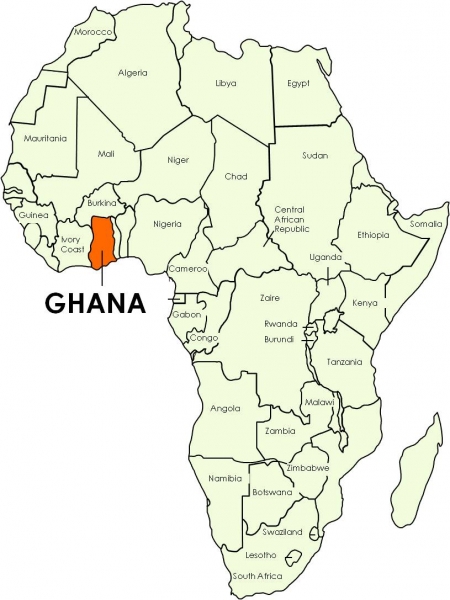
(Map of where Ghana is in Africa)
It’s capital is Accra. Its largest city is Kumasi. Its official language is English. The country is 92,099 square miles. 98.4% of the population is African while 1.6% is other races. 71.2% of Ghana practices Christianity, and 17.6% practice Islam. The total population of Ghana is about 27 million people. There are 2 seasons in Ghana the wet and dry season, since it is a tropical country. Ghana has a Unitary presidential constitutional republic.
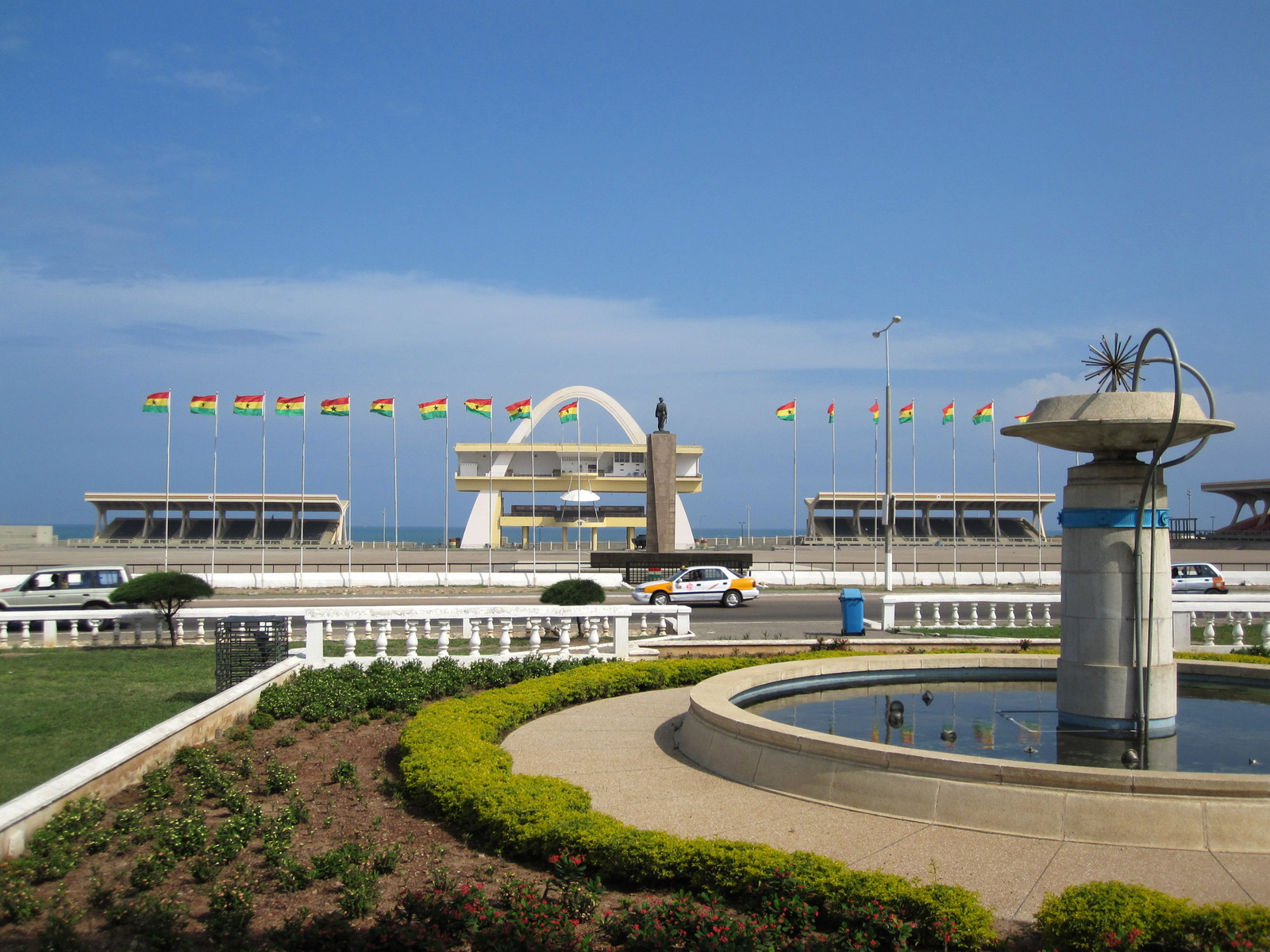
(Accra, Ghana’s capital)
Ghana’s food consists of an assortment of soups and stews with varied seafoods and most Ghanaian soups are prepared with vegetables, meat, poultry or fish. The dish, Banku is a common Ghanaian starchy food made from ground corn, and cornmeal based staples, dokonu  and banku are usually accompanied by some form of fried fish or grilled tilapia and a very spicy condiment made from raw red and green chillies, onions and tomatoes.
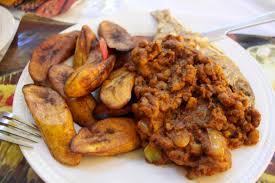
(Ghanaian cuisine)
The Ghanaian national literature radio programme and accompanying publication Voices of Ghana was one of the earliest on the African continent. The most well known type of clothing in Ghana is the Kente cloth. Kente is a ceremonial cloth hand woven on a horizontal treadle loom and strips measuring about 4 inches wide are sewn together into larger pieces of cloths.
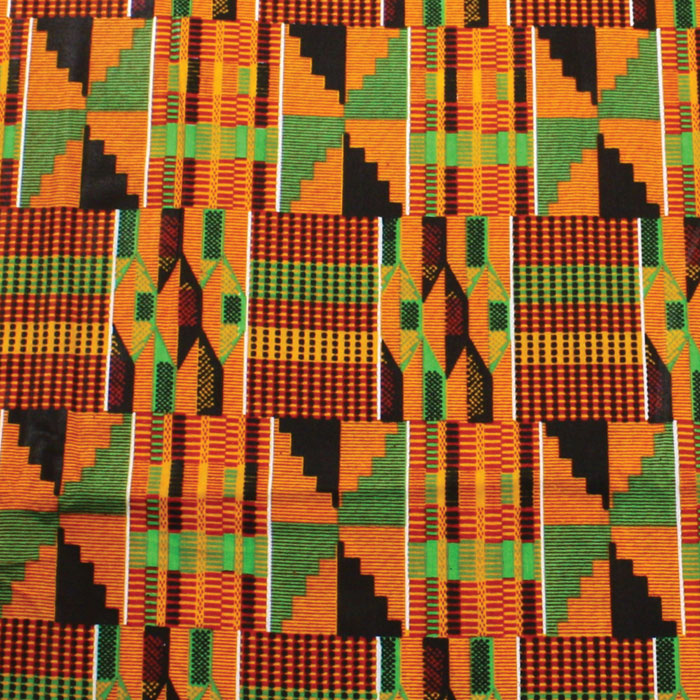
(Kente cloth)
Ghanaian music incorporates several distinct types of musical instruments such as the talking drum ensembles, Akan Drum, goje fiddle and koloko lute, court music, including the Akan Seperewa, the Akan atumpan, the Ga kpanlogo styles, and log xylophones used in asonko music. In Ghana Association soccer is the most spectated sport. The national men's football team is known as the Black Stars.

(Ghana’s national soccer team)
From the 5th to 15th centuries Ghana was inhabited and ruled by several different kingdoms. Such as the Ashanti Empire, the Akwamu, the Bonoman, the Denkyira, and the Mankessim Kingdom.
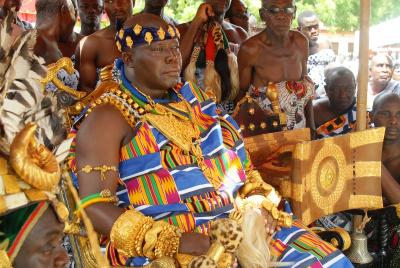
(Ashanti people of Ghana)
In the 15th century the Akan people in Ghana, made contact with the Portuguese and started to trade with them. In 1598 the Dutch joined the Portuguese with trade with the people of Ghana. Other European countries joined in with the trading. More than 30 forts and castles were set up by these European invaders in Ghana, and they brought the slave trade into Ghana. In 1874 the British took control of Ghana, now known as the Gold Coast.
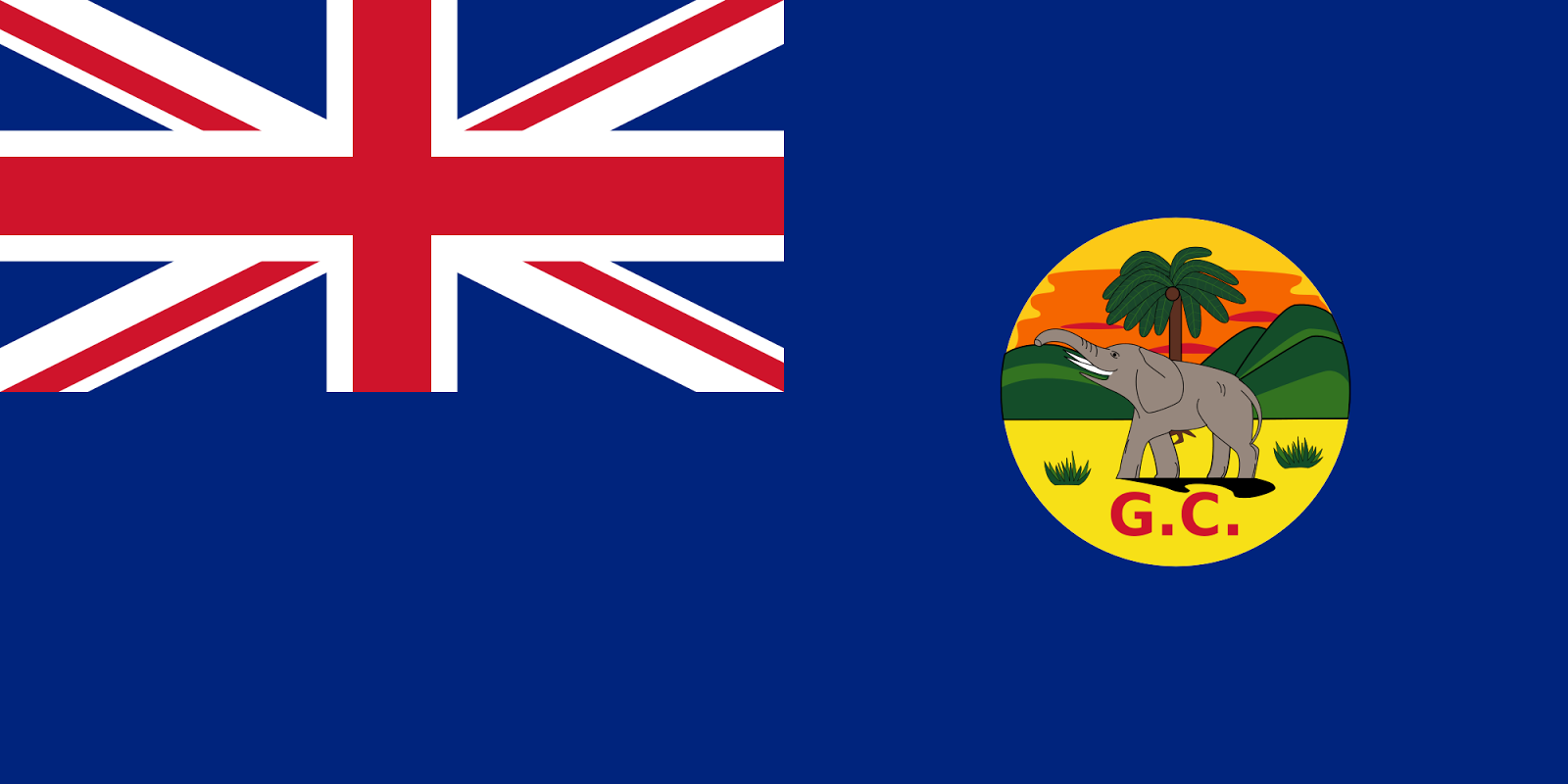
(Flag of The Gold Coast (1821-1957))
There were several wars between the British and the Ashanti tribe of the Gold Coast. These wars lasted from 1824 to 1901.
(Queen Yaa Asantewaa, leader of the Ashanti tribe)
In 1946 Kwame Nkrumah became the first Prime Minister of the Gold Coast and formed the Convention People's Party (CPP). On March 6th 1957 The Gold Coast declared its independence from Great Britain and changed its name to Ghana.
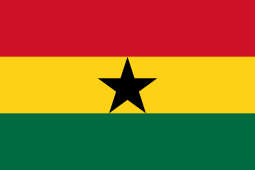
Image result for ghana flag(Flag of Ghana (1957-Present))
The flag of Ghana, consisting of the colors red, gold, green, and a black star, became the new flag in 1957. The flag was designed by Theodosia Salome Okoh. The red represents the blood that was shed towards independence, the gold represents the industrial minerals wealth of Ghana, the green symbolises the rich grasslands of Ghana, and the black star is the symbol of the Ghanaian people and African emancipation.
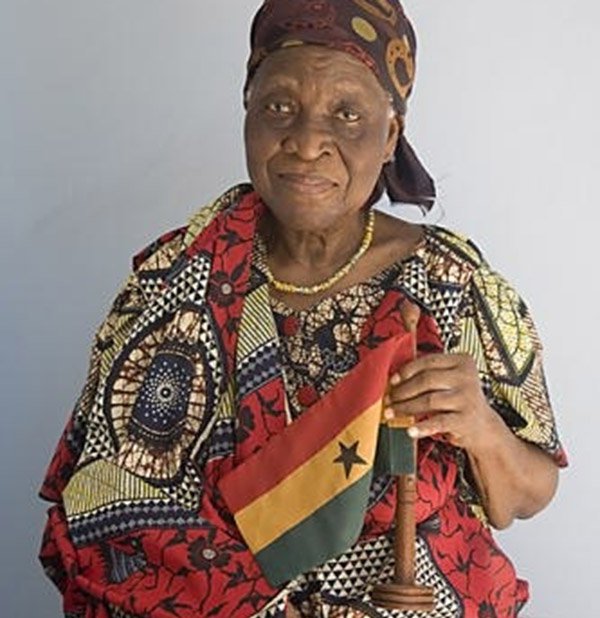
(Theodosia Okoh, Designer of the Ghana flag)
In 1960 Kwame Nkrumah was declared the first President of Ghana.
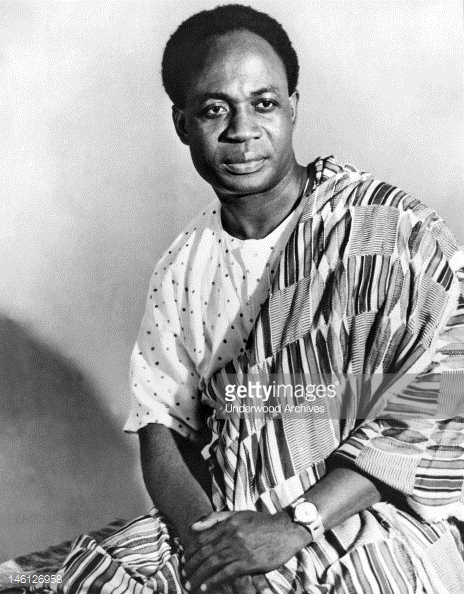
(Kwame Nkrumah)
Nkrumah was the 1st African head of state to promote Pan-Africanism.Nkrumah merged the teachings of Marcus Garvey, Martin Luther King, Jr. and  W.E.B. Du Bois into the formation of 1960’s Ghana.
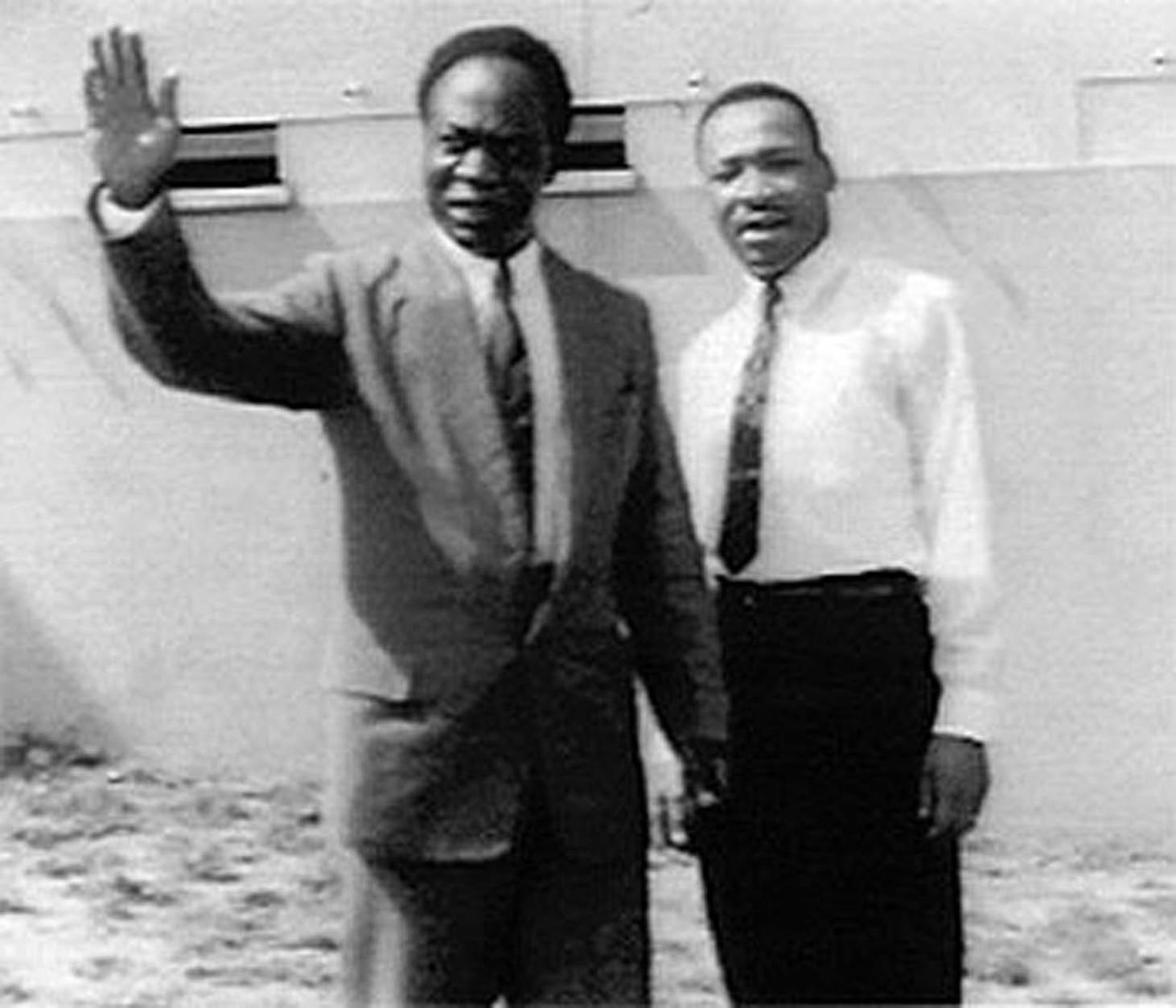
(Nkrumah (Left) and Dr. King (Right))
Dr. Kwame Nkrumah and his government was overthrown by a GAF military operation codenamed "Operation Cold Chop" coup while Nkrumah was abroad with Zhou Enlai in the People's Republic of China for a fruitless mission to Hanoi in Vietnam to help end the Vietnam War on 24 February 1966. There was a series of alternating military and civilian governments from 1966 to 1981. Flight Lieutenant Jerry John Rawlings of the Provisional National Defense Council (PNDC) gained power in 1981.
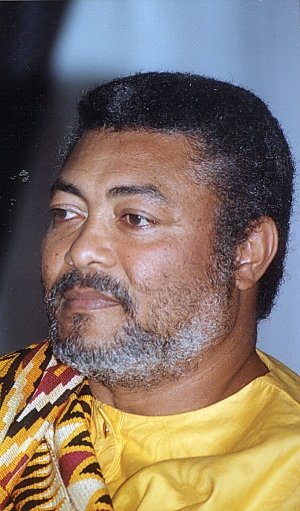
(Jerry John Rawlings)
The economy suffered a severe decline soon after. A new Constitution of Ghana restoring multi-party system politics was promulgated in the Ghanaian presidential election in 1992. Rawlings was elected president in 1992 and again in 1996. John Agyekum Kufuor of the New Patriotic Party (NPP) was sworn into office as president of Ghana on 7 January 2001.
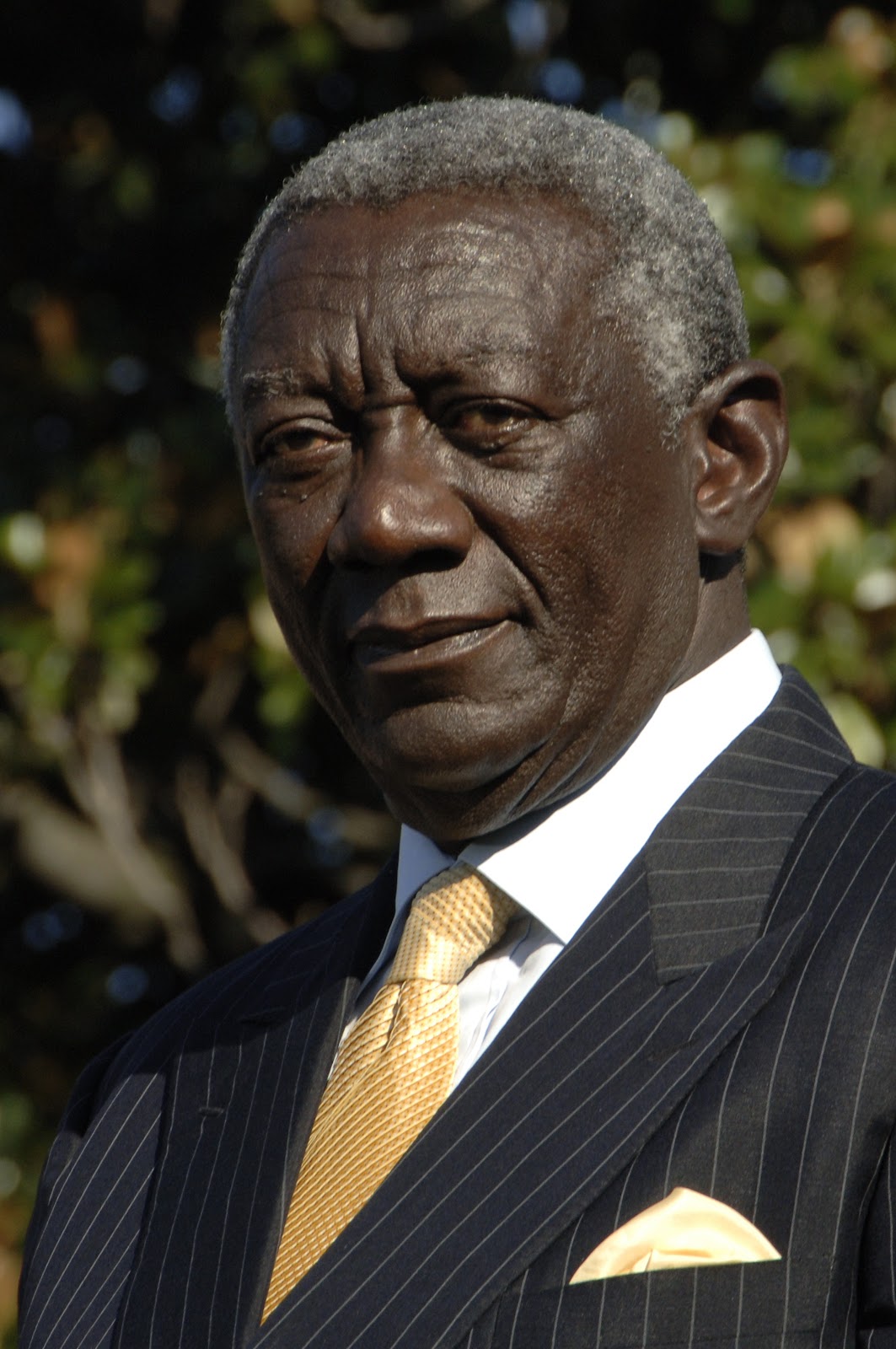
Image result for John Agyekum Kufuor(John Agyekum Kufuor)
He won again in 2004. John Atta Mills of the National Democratic Congress (NDC) became the Ghanaian presidential in 2008. John Dramani Mahama became president on July 24th 2012.
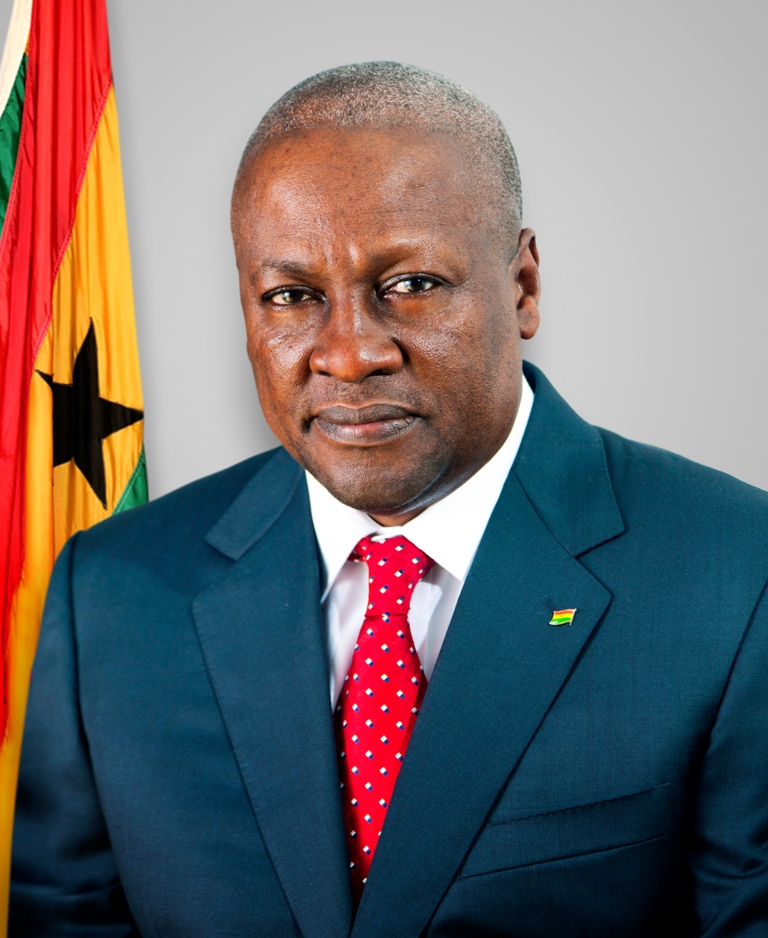
(John Dramani Mahama)
In 2017 Nana Akufo-Addo became president of Ghana.
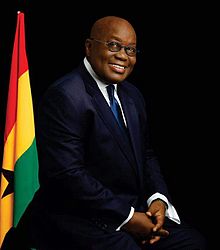
Image result for Nana Akufo-Addo(Nana Akufo-Addo)
Today marks the 60th anniversary of Ghana’s independence and we would like to say happy independence day Ghana.

Videos of Ghana’s Independence

Thursday, February 23, 2017

Happy Birthday W.E.B. Du Bois

“To be a poor man is hard, but to be a poor race in a land of dollars is the very bottom of hardships” - W.E.B. Du Bois
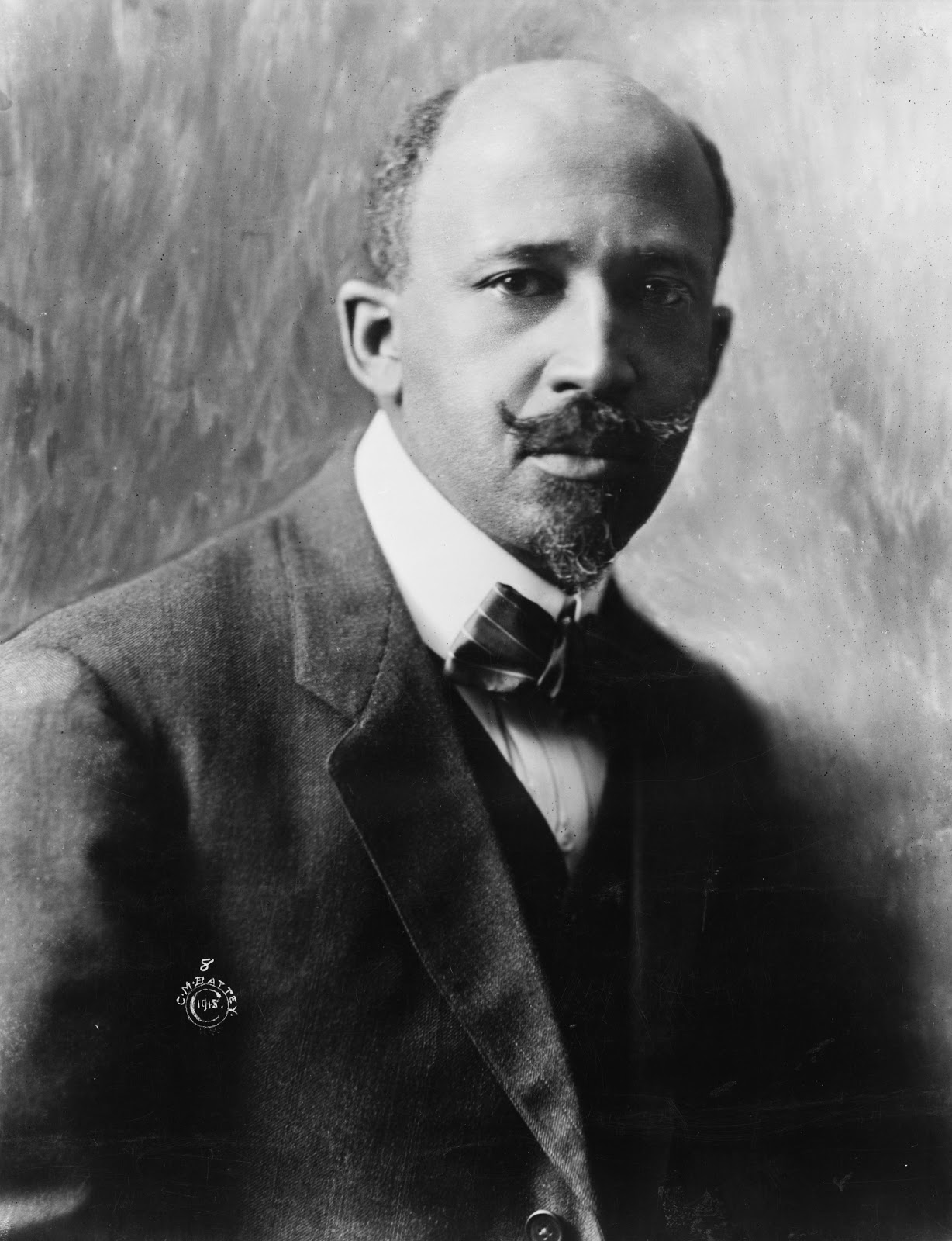
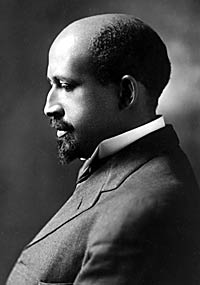
(W.E.B. Du Bois)
W.E.B. Du Bois, was born as William Edward Burghardt Du Bois on February 23rd 1868 in Great Barrington, Massachusetts, USA. Du Bois attended Fisk University in Nashville, TN from 1885 to 1888.
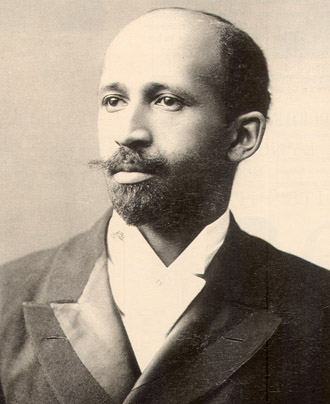
(Du Bois as a young man)
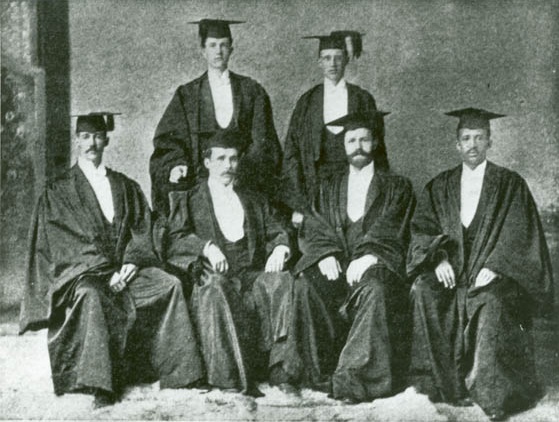
From 1888 to 1890 he attended Harvard University.
(Du Bois in 1888)
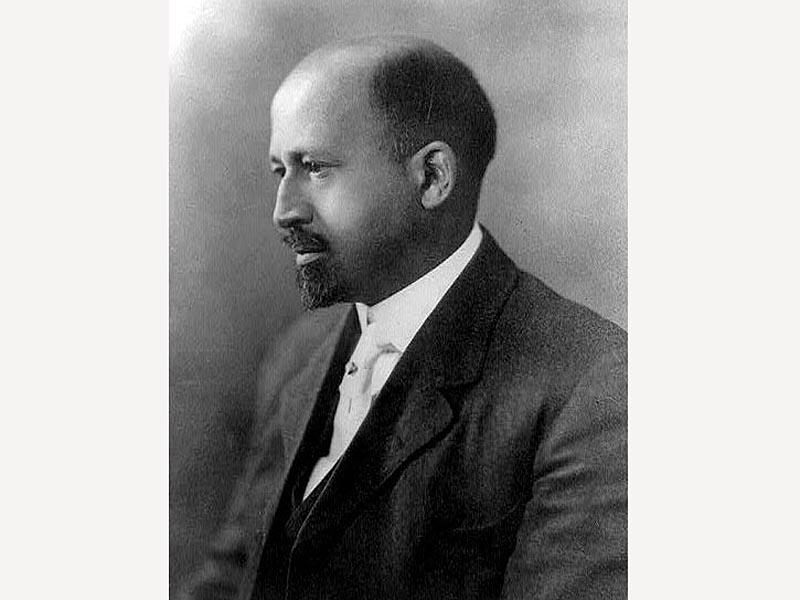
In 1892 Du Bois received a fellowship to attend the University of Berlin. In 1895 he became the 1st African American to receive a Ph.D. from Harvard. In 1896 he performed sociological field research in Philadelphia's African American neighborhoods, which formed the foundation for his landmark study, The Philadelphia Negro (1899). In 1897 Du Bois expanded upon his thesis that African Americans should embrace their African heritage while contributing to American society. Also during this year he took a professorship in history and economics at Atlanta University in Georgia. Du Bois received grants from the U.S. government to prepare reports about the African American workforce and culture. In 1900 Du Bois attended the First Pan-African Conference held in London, England.
(Du Bois in 1900)
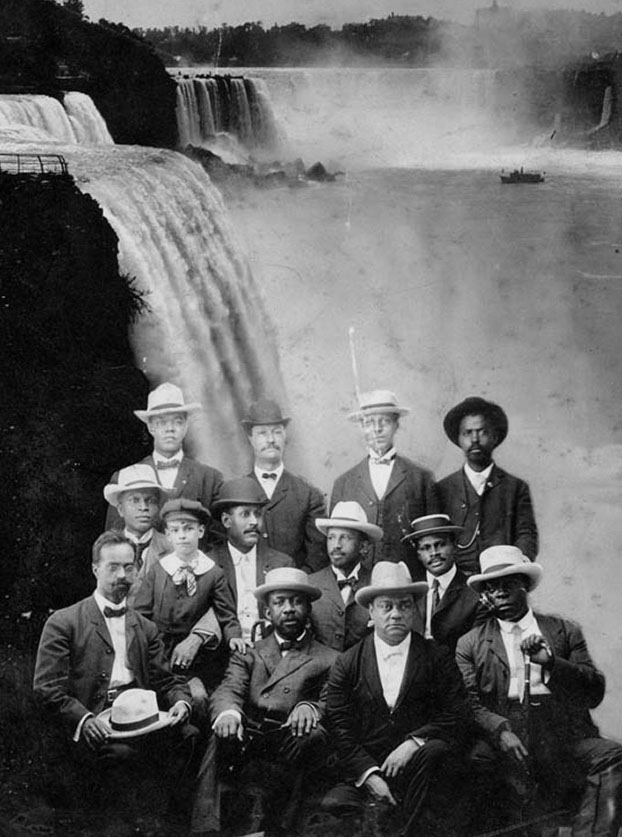
During the early 1900’s Du Bois opposed many ideas of a fellow leader in the Black community, Booker T. Washington. In 1901, Du Bois wrote a review critical of Washington's book Up from Slavery (1901). In 1903 Du Bois wrote a collection of 14 essays and published them as a book called The Souls of Black Folk. The book's effect on African Americans was comparable to that of Uncle Tom's Cabin (1852). In 1905 Du Bois and several other civil rights activists met in Canada near Niagara Falls. They wrote a declaration of principles opposing the Atlanta Compromise, and incorporated as the Niagara Movement in 1906.
(Du Bois (Middle row, 2nd from the right) in 1906)
After multiple violent events against Blacks in 1906 Du Bois urged blacks to withdraw their support from the Republican Party, because Republicans Roosevelt and William Howard Taft did not sufficiently support blacks. In 1909 he wrote a biography of abolitionist John Brown. Also in 1909 Du Bois was the first African American invited by the American Historical Association (AHA) to present a paper at their annual conference. In 1910, at the second National Negro Conference, the attendees created the National Association for the Advancement of Colored People (NAACP).
(The NAACP)
Du Bois suggested using the word colored to involve other colored races to help with the organization. NAACP leaders offered Du Bois the position of Director of Publicity and Research and he accepted. In 1911 he attended the First Universal Races Congress in London, England. In 1915 Du Bois wrote that the scramble for Africa was at the root of World War I. Du Bois led to fight against the release of the movie The Birth of a Nation (1915) because of its racist portrayal of blacks as brutish and lustful.
Image result for web dubois 1915(Du Bois in 1915)
Du Bois traveled to Europe in 1919 to attend the first Pan-African Congress and to interview African American soldiers for a planned book on their experiences in World War I. After returning from Europe, Du Bois was more determined than ever to gain equal rights for African Americans. In 1920, Du Bois published Darkwater: Voices From Within the Veil. Between 1922 and 1924 Du Bois wrote in the NAACP’s magazine, The Crisis, about how Marcus Garvey was the “most dangerous enemy of the Negro race in America and the world”. A rivalry emerged in 1931 between the NAACP and the Communist Party, when the Communists responded quickly and effectively to support the Scottsboro Boys, which were 9 African American youth arrested in 1931 in Alabama for the rape of 2 white women. Du Bois and the NAACP felt that the case would not be beneficial to their cause. In 1934 Du Bois resigned from the NAACP.
Image result for web dubois 1931(Du Bois in 1934)
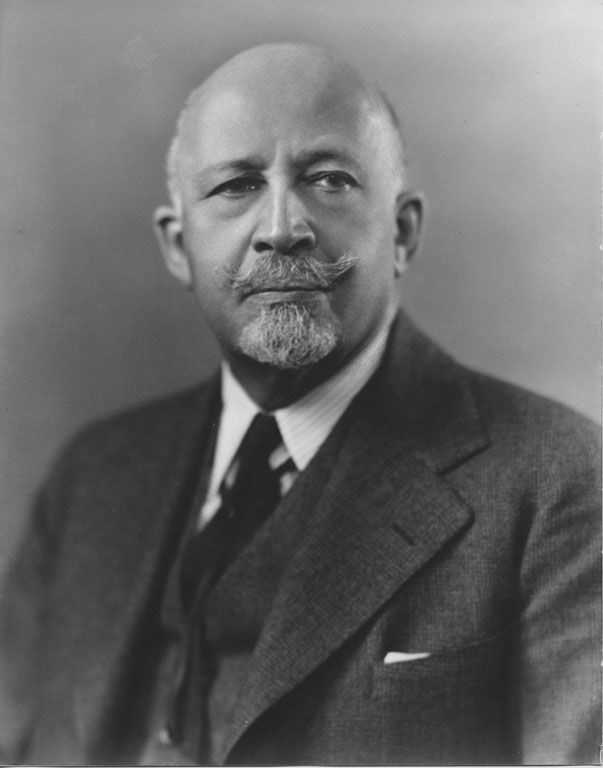
Du Bois took a trip around the world in 1936, which included visits to Nazi Germany, China and Japan. In 1941 Du Bois opposed the U.S. intervention in World War II, particularly in the Pacific, because he believed that China and Japan were emerging from the clutches of white imperialists. In 1942 the FBI began to compile a file on Du Bois. In 1943 Du Bois was fired from his position at Atlanta University which caused outrage by other scholars. Turning down job offers from Fisk and Howard, Du Bois re joined the NAACP as director of the Department of Special Research.
(Du Bois in 1943)
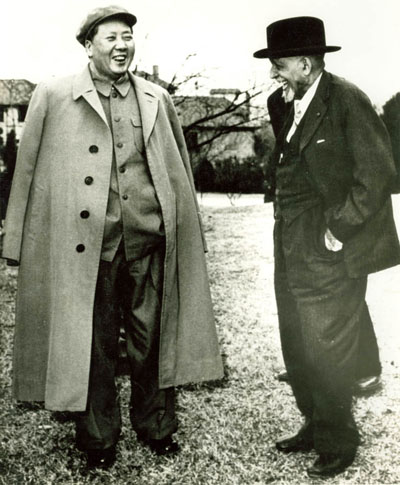
In 1945, Du Bois attended the final, Pan-African Congress, in Manchester, England. There Du Bois met Kwame Nkrumah, the future 1st president of Ghana who would later invite Du Bois to Africa. During the 1950s, the U.S. government's anti communist McCarthyism campaign targeted Du Bois because of his socialist leanings. In 1950 Du Bois ran for US Senator from New York on the American Labor Party ticket. In 1953 when Joseph Stalin died Du Bois wrote a eulogy of him. In 1958 Du Bois visited China.
(Mao Tse Tung (Left) and Du Bois (Right))
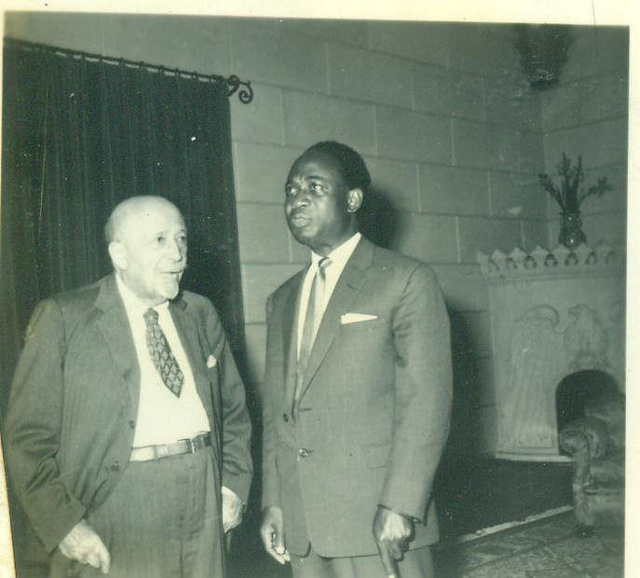
In 1963 Du Bois visited Ghana and met with Kwame Nkrumah.
(Du Bois (Left) and Kwame Nkrumah (Right))
On August 27th 1963 Du Bois died in Accra, Ghana. He was 95 years old.
(Du Bois’ funeral)
Today is his 149th birthday and we would all like to say happy birthday and rest in peace W.E.B. Du Bois.

Books by W.E.B. Du Bois
  • The Study of the Negro Problem (1898)
  • The Philadelphia Negro (1899)
  • The Negro in Business (1899)
  • The Souls of Black Folk (1903)
  • The Talented Tenth (1903)
  • Voice of the Negro II (1905)
  • John Brown: A Biography (1909)
  • Efforts for Social Betterment Among Negro Americans (1909)
  • Atlanta University’s Studies of the Negro Problem (1910)
  • The Negro (1915)
  • The Gift of Black Folk (1924)
  • Africa, Its Geography, People and Products (1930)
  • Africa: Its Place in Modern History (1930)
  • Black Reconstruction in America (1935)
  • What the Negro Has Done for the United States and Texas (1936)
  • Black Folk, Then and Now (1939)
  • Color and Democracy: Colonies and Peace (1945)
  • The Encyclopedia of the Negro (1946)
  • The World and Africa (1946)
  • The World and Africa, an Inquiry into the Part Which Africa Has Played in World History (1947)
  • Peace is Dangerous (1951)
  • I Take My Stand for Peace (1951)
  • In Battle for Peace (1952)
  • Africa in Battle Against Colonialism, Racialism, Imperialism (1960)

Monday, March 7, 2016

Happy Independence Day Ghana

“Two men in a burning house must not stop to argue” - Ghana Proverb
(Ghana Flag (1957-Present))
Ghana is located in West Africa.
(Map of where Ghana is in Africa)
It’s capital is Accra. Its largest city is Kumasi. Its official language is English. The country is 92,099 square miles. 98.4% of the population is African while 1.6% is other races. 71.2% of Ghana practices Christianity, and 17.6% practice Islam. The total population of Ghana is about 27 million people. There are 2 seasons in Ghana the wet and dry season, since it is a tropical country. Ghana has a Unitary presidential constitutional republic.
(Accra, Ghana’s capital)
Ghana’s food consists of an assortment of soups and stews with varied seafoods and most Ghanaian soups are prepared with vegetables, meat, poultry or fish. The dish, Banku is a common Ghanaian starchy food made from ground corn, and cornmeal based staples, dokonu  and banku are usually accompanied by some form of fried fish or grilled tilapia and a very spicy condiment made from raw red and green chillies, onions and tomatoes.
(Ghanaian cuisine)
The Ghanaian national literature radio programme and accompanying publication Voices of Ghana was one of the earliest on the African continent. The most well known type of clothing in Ghana is the Kente cloth. Kente is a ceremonial cloth hand woven on a horizontal treadle loom and strips measuring about 4 inches wide are sewn together into larger pieces of cloths.
(Kente cloth)
Ghanaian music incorporates several distinct types of musical instruments such as the talking drum ensembles, Akan Drum, goje fiddle and koloko lute, court music, including the Akan Seperewa, the Akan atumpan, the Ga kpanlogo styles, and log xylophones used in asonko music. In Ghana Association soccer is the most spectated sport. The national men's football team is known as the Black Stars.
(Ghana’s national soccer team)
From the 5th to 15th centuries Ghana was inhabited and ruled by several different kingdoms. Such as the Ashanti Empire, the Akwamu, the Bonoman, the Denkyira, and the Mankessim Kingdom.
(Ashanti people of Ghana)
In the 15th century the Akan people in Ghana, made contact with the Portuguese and started to trade with them. In 1598 the Dutch joined the Portuguese with trade with the people of Ghana. Other European countries joined in with the trading. More than 30 forts and castles were set up by these European invaders in Ghana, and they brought the slave trade into Ghana. In 1874 the British took control of Ghana, now known as the Gold Coast. There were several wars between the British and the Ashanti tribe of the Gold Coast. These wars lasted from 1824 to 1901.
(Queen Yaa Asantewaa, leader of the Ashanti tribe against the British)
In 1946 Kwame Nkrumah became the first Prime Minister of the Gold Coast and formed the Convention People's Party (CPP). On March 6th 1957 The Gold Coast declared its independence from Great Britain and changed its name to Ghana.
(The Gold Coast flag, under British colonization)
The flag of Ghana, consisting of the colors red, gold, green, and a black star, became the new flag in 1957. The flag was designed by Theodosia Salome Okoh. The red represents the blood that was shed towards independence, the gold represents the industrial minerals wealth of Ghana, the green symbolises the rich grasslands of Ghana, and the black star is the symbol of the Ghanaian people and African emancipation.
(Theodosia Okoh, Designer of the Ghana flag)
In 1960 Kwame Nkrumah was declared the first President of Ghana.
(Kwame Nkrumah)
Nkrumah was the 1st African head of state to promote Pan-Africanism.Nkrumah merged the teachings of Marcus Garvey, Martin Luther King, Jr. and  W. E. B. Du Bois into the formation of 1960’s Ghana.
(Nkrumah (Left) and Dr. King (Right))
Dr. Kwame Nkrumah and his government was overthrown by a GAF military operation codenamed "Operation Cold Chop" coup while Nkrumah was abroad with Zhou Enlai in the People's Republic of China for a fruitless mission to Hanoi in Vietnam to help end the Vietnam War on 24 February 1966. There was a series of alternating military and civilian governments from 1966 to 1981. Flight Lieutenant Jerry John Rawlings of the Provisional National Defense Council (PNDC) gained power in 1981.
(Jerry John Rawlings)
The economy suffered a severe decline soon after. A new Constitution of Ghana restoring multi-party system politics was promulgated in the Ghanaian presidential election in 1992. Rawlings was elected president in 1992 and again in 1996. John Agyekum Kufuor of the New Patriotic Party (NPP) was sworn into office as president of Ghana on 7 January 2001. He won again in 2004. John Atta Mills of the National Democratic Congress (NDC) became the Ghanaian presidential in 2008. John Dramani Mahama became president on July 24th 2012.
(John Dramani Mahama)
Today marks the 59th anniversary of Ghana’s independence and we would like to say happy independence day Ghana.


Videos of Ghana’s Independence


Wednesday, February 24, 2016

Happy Birthday W.E.B. Du Bois


“To be a poor man is hard, but to be a poor race in a land of dollars is the very bottom of hardships” - W.E.B. Du Bois

(W.E.B. Du Bois)

W.E.B. Du Bois, was born as William Edward Burghardt Du Bois on February 23rd 1868 in Great Barrington, Massachusetts, USA. Du Bois attended Fisk University in Nashville, TN from 1885 to 1888.

(Du Bois as a young man)
From 1888 to 1890 he attended Harvard University.
(Du Bois (1st to the right bottom row) while in Harvard)
In 1892 Du Bois received a fellowship to attend the University of Berlin. In 1895 he became the 1st African American to receive a Ph.D. from Harvard. In 1896 he performed sociological field research in Philadelphia's African American neighborhoods, which formed the foundation for his landmark study, The Philadelphia Negro (1899). In 1897 Du Bois expanded upon his thesis that African Americans should embrace their African heritage while contributing to American society. Also during this year he took a professorship in history and economics at Atlanta University in Georgia. Du Bois received grants from the U.S. government to prepare reports about the African American workforce and culture. In 1900 Du Bois attended the First Pan-African Conference held in London, England.
(Du Bois in 1900)
During the early 1900’s Du Bois opposed many ideas of a fellow leader in the Black community, Booker T. Washington. In 1901, Du Bois wrote a review critical of Washington's book Up from Slavery (1901). In 1903 Du Bois wrote a collection of 14 essays and published them as a book called The Souls of Black Folk. The book's effect on African Americans was comparable to that of Uncle Tom's Cabin (1852). In 1905 Du Bois and several other civil rights activists met in Canada near Niagara Falls. They wrote a declaration of principles opposing the Atlanta Compromise, and incorporated as the Niagara Movement in 1906.
(Du Bois (Middle row, 2nd from the right) at the Niagara Movement)
After multiple violent events against Blacks in 1906 Du Bois urged blacks to withdraw their support from the Republican Party, because Republicans Roosevelt and William Howard Taft did not sufficiently support blacks. In 1909 he wrote a biography of abolitionist John Brown. Also in 1909 Du Bois was the first African American invited by the American Historical Association (AHA) to present a paper at their annual conference. In 1910, at the second National Negro Conference, the attendees created the National Association for the Advancement of Colored People (NAACP).
(The NAACP)
Du Bois suggested using the word colored to involve other colored races to help with the organization. NAACP leaders offered Du Bois the position of Director of Publicity and Research and he accepted. In 1911 he attended the First Universal Races Congress in London, England. In 1915 Du Bois wrote that the scramble for Africa was at the root of World War I. Du Bois led to fight against the release of the movie The Birth of a Nation (1915) because of its racist portrayal of blacks as brutish and lustful. Du Bois traveled to Europe in 1919 to attend the first Pan-African Congress and to interview African American soldiers for a planned book on their experiences in World War I. After returning from Europe, Du Bois was more determined than ever to gain equal rights for African Americans. In 1920, Du Bois published Darkwater: Voices From Within the Veil. Between 1922 and 1924 Du Bois wrote in the NAACP’s magazine, The Crisis, about how Marcus Garvey was the “most dangerous enemy of the Negro race in America and the world”. A rivalry emerged in 1931 between the NAACP and the Communist Party, when the Communists responded quickly and effectively to support the Scottsboro Boys, which were 9 African American youth arrested in 1931 in Alabama for the rape of 2 white women. Du Bois and the NAACP felt that the case would not be beneficial to their cause. In 1934 Du Bois resigned from the NAACP. Du Bois took a trip around the world in 1936, which included visits to Nazi Germany, China and Japan. In 1941 Du Bois opposed the U.S. intervention in World War II, particularly in the Pacific, because he believed that China and Japan were emerging from the clutches of white imperialists. In 1942 the FBI began to compile a file on Du Bois. In 1943 Du Bois was fired from his position at Atlanta University which caused outrage by other scholars. Turning down job offers from Fisk and Howard, Du Bois re joined the NAACP as director of the Department of Special Research.
(Du Bois in 1943)
In 1945, Du Bois attended the final, Pan-African Congress, in Manchester, England. There Du Bois met Kwame Nkrumah, the future 1st president of Ghana who would later invite Du Bois to Africa. During the 1950s, the U.S. government's anti communist McCarthyism campaign targeted Du Bois because of his socialist leanings. In 1950 Du Bois ran for US Senator from New York on the American Labor Party ticket. In 1953 when Joseph Stalin died Du Bois wrote a eulogy of him. In 1958 Du Bois visited China.
(Mao Tse Tung (Left) and Du Bois (Right))
In 1963 Du Bois visited Ghana and met with Kwame Nkrumah.
(Du Bois (Left) and Kwame Nkrumah (Right))
On August 27th 1963 Du Bois died in Accra, Ghana. He was 95 years old.
(Du Bois’ funeral in Ghana)
Today is his 148th birthday and we would all like to say happy birthday and rest in peace W.E.B. Du Bois.


Books by W.E.B. Du Bois
  • The Study of the Negro Problem (1898)
  • The Philadelphia Negro (1899)
  • The Negro in Business (1899)
  • The Souls of Black Folk (1903)
  • The Talented Tenth (1903)
  • Voice of the Negro II (1905)
  • John Brown: A Biography (1909)
  • Efforts for Social Betterment Among Negro Americans (1909)
  • Atlanta University’s Studies of the Negro Problem (1910)
  • The Negro (1915)
  • The Gift of Black Folk (1924)
  • Africa, Its Geography, People and Products (1930)
  • Africa: Its Place in Modern History (1930)
  • Black Reconstruction in America (1935)
  • What the Negro Has Done for the United States and Texas (1936)
  • Black Folk, Then and Now (1939)
  • Color and Democracy: Colonies and Peace (1945)
  • The Encyclopedia of the Negro (1946)
  • The World and Africa (1946)
  • The World and Africa, an Inquiry into the Part Which Africa Has Played in World History (1947)
  • Peace is Dangerous (1951)
  • I Take My Stand for Peace (1951)
  • In Battle for Peace (1952)
  • Africa in Battle Against Colonialism, Racialism, Imperialism (1960)


(P.S. Sorry for the late entry)